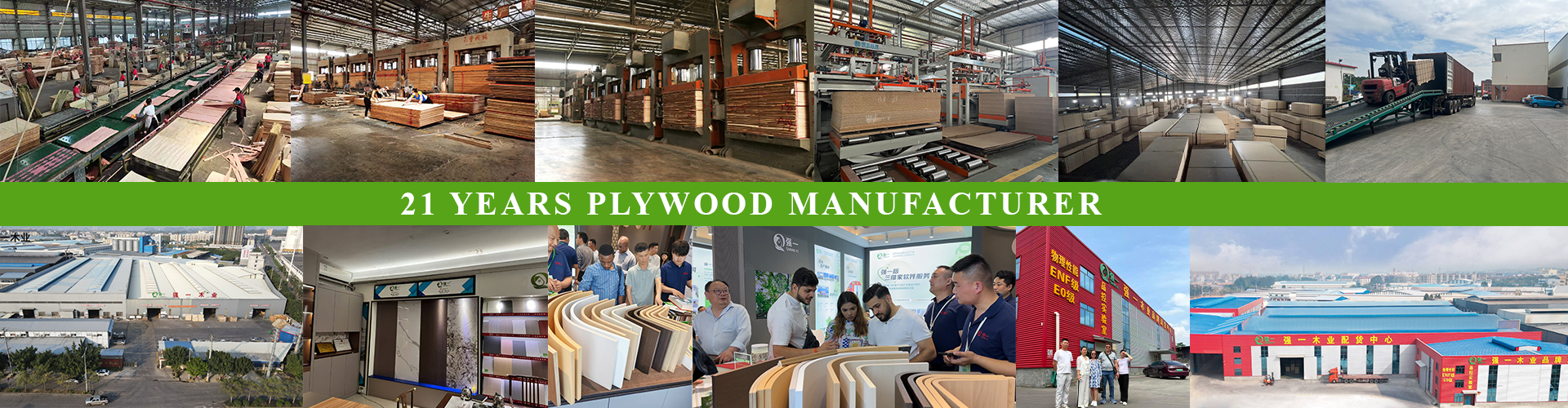
Yes ,We are manufacturer which locate in Guigang, Guangxi, also in Dongguang, Guangdong. Factory is started in the year of 2004 with more than 20 years experience for plywood production.

 Qiangyi
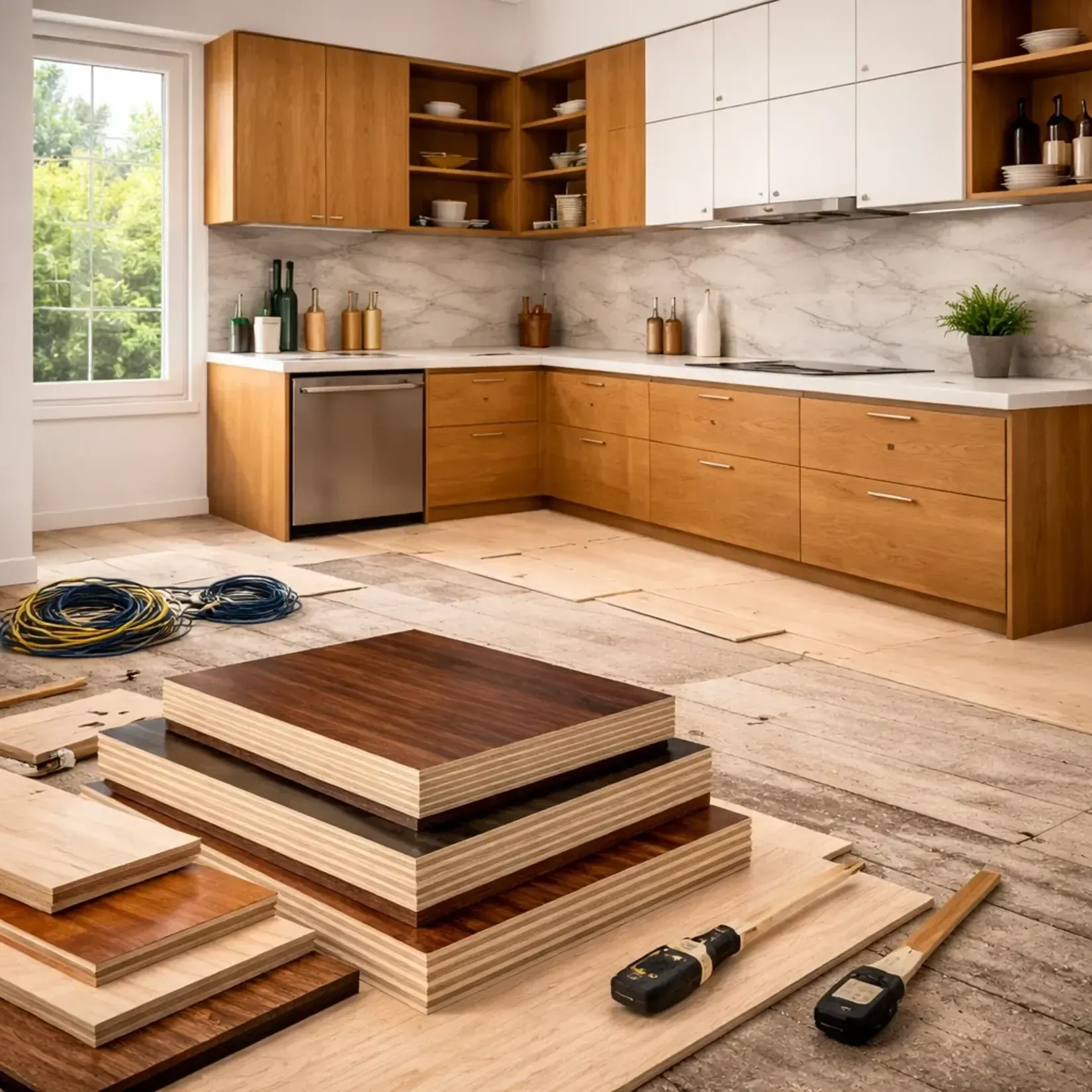
Picking the correct material for kitchen cabinetry ranks as one of the key choices in home improvement. The kitchen setting stands out. High moisture levels, regular heat changes, and steady mechanical activity define the space. Two leading options dominate the marketplace: plywood and melamine board. Each option delivers specific building qualities, visual options, and pricing levels. This piece offers a detailed review to aid homeowners and expert designers in reaching a smart decision. The review also covers cutting-edge material options that fix common drawbacks.
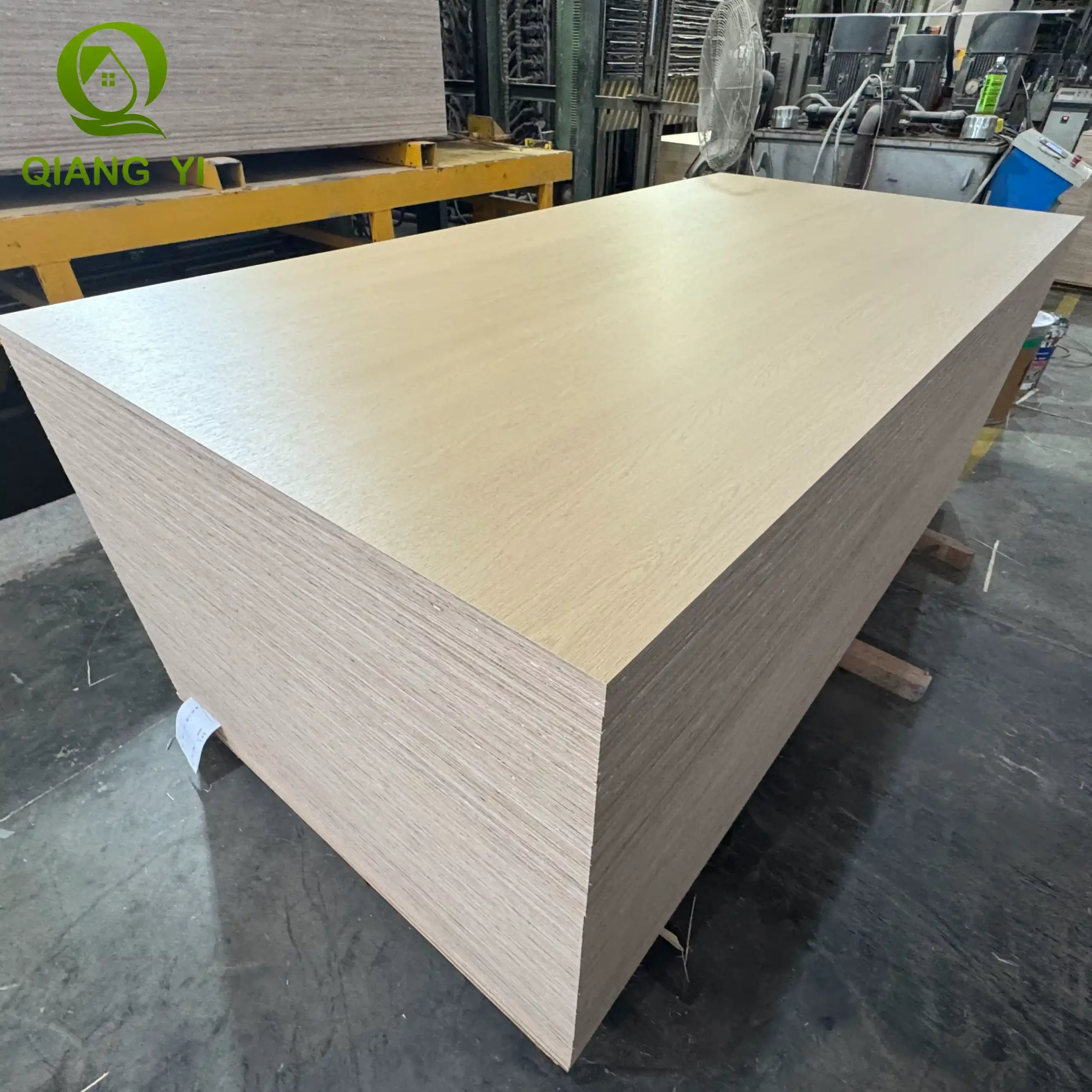
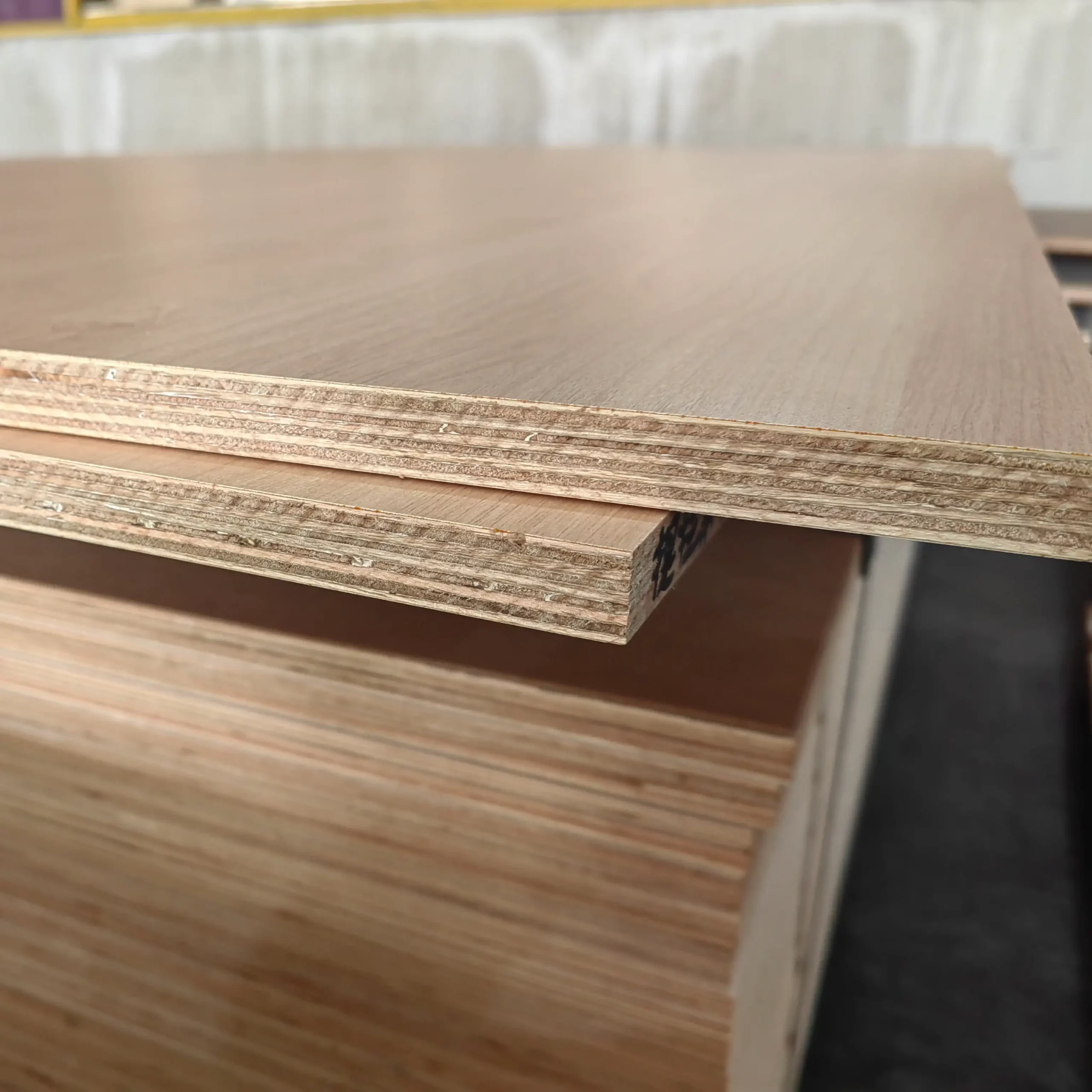
Plywood counts as an engineered wood item formed by gluing multiple thin wood sheets. Workers stack these sheets with wood grains at right angles to each other in successive layers. The right-angle grain method proves vital. The method boosts strength and steadiness in the board. As a result, the board resists twisting and swelling in a strong way. Plywood earns praise for solid endurance and the option to apply diverse paints, stains, or raw wood covers.
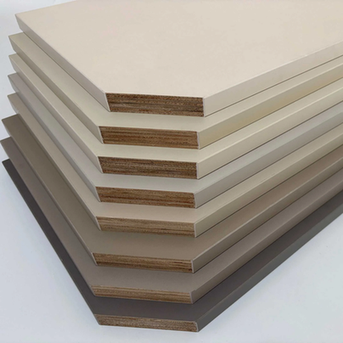
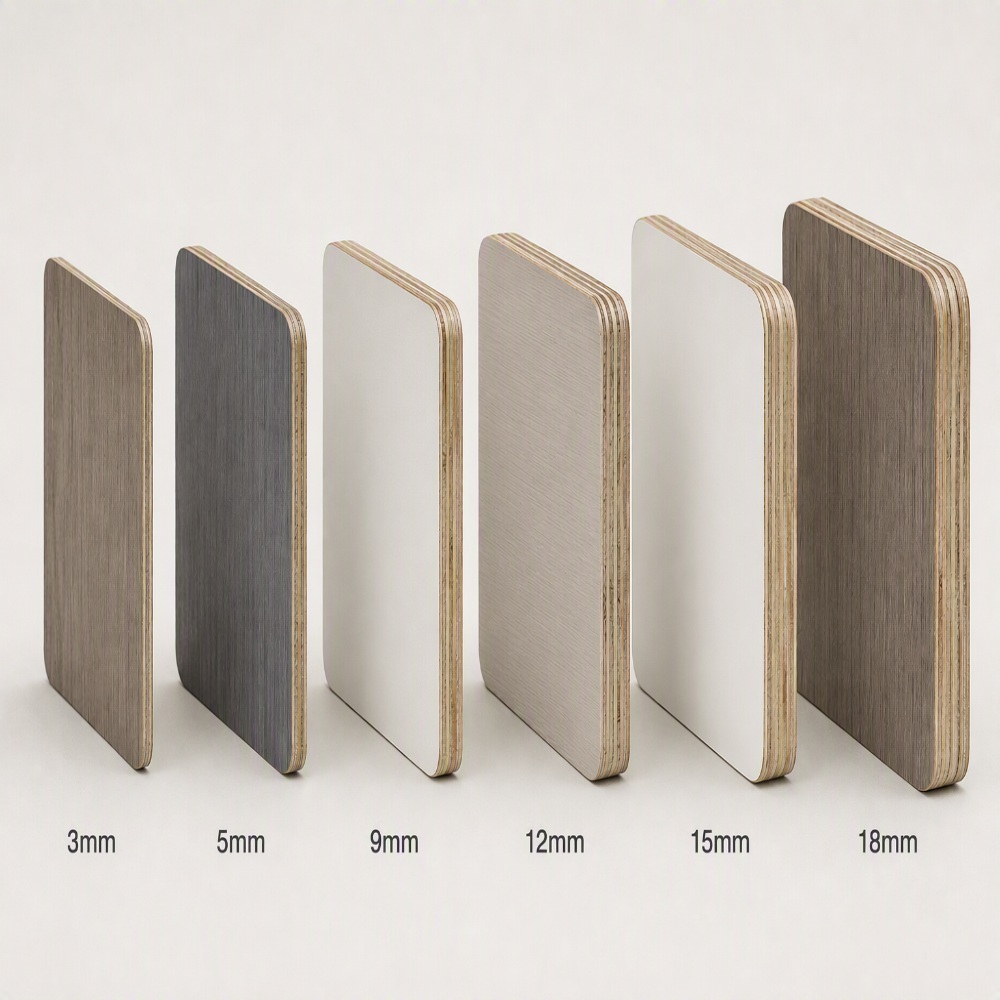
Melamine board goes by the name double-faced decorative board. The board usually has a center of particleboard or medium-density fiberboard. A slim layer of melamine resin-soaked paper covers both sides. Melamine board differs from plywood, which depends on natural wood sheets. Melamine board supplies a ready-made, simple-care surface. Buyers find the surface in a wide range of hues, designs, and finishes. Options include plain shades to lifelike wood patterns.
The table below outlines the main contrasts across important performance measures:
| Feature | Plywood | Melamine Board |
| Structural Strength | Exceptional load-bearing capacity. | Brittle; prone to chipping at edges. |
| Moisture Resistance | High (especially when sealed). | Surface is resistant, but core can swell. |
| Customization | Highly versatile (stains, paints). | Pre-finished; limited to factory options. |
| Cost | Higher initial investment. | Budget-friendly for large projects. |
| Installation | Easy to cut but requires sealing. | Easy to install but chips easily during cutting. |
The core variation in endurance stems from the inner build. Plywood’s layered grains at right angles deliver strong defense against twisting and flexing. Such defense matters in active kitchens. Cabinets there bear heavy stone tops and face repeated door and drawer use. Melamine board holds a firm, mark-proof outer layer. Yet the inner part stays more breakable. The board’s borders face a high risk of knocks and breaks.
Dampness ranks as the top threat to kitchen cabinets. Plywood manages damp air well by nature. Water may cause minor swelling in the fibers if the water breaks through the outer layer. However, the layered build blocks full breakdown. The melamine board shows a mixed picture. The resin outer layer blocks water fully. But the particleboard or fiberboard center absorbs dampness easily. Water that enters the center via edge gaps or screw openings causes swelling and ruins the build. The damage stays forever.
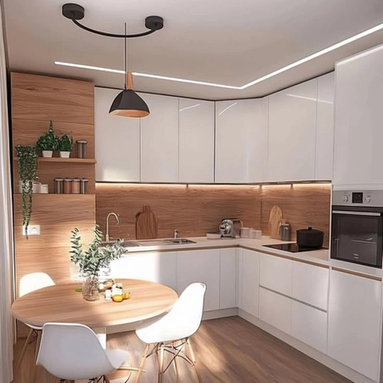
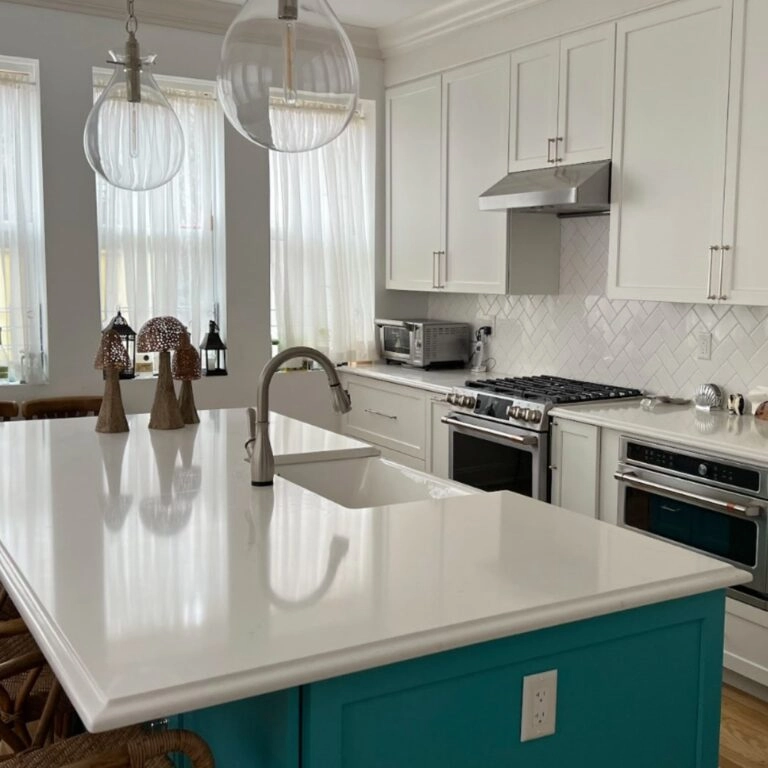
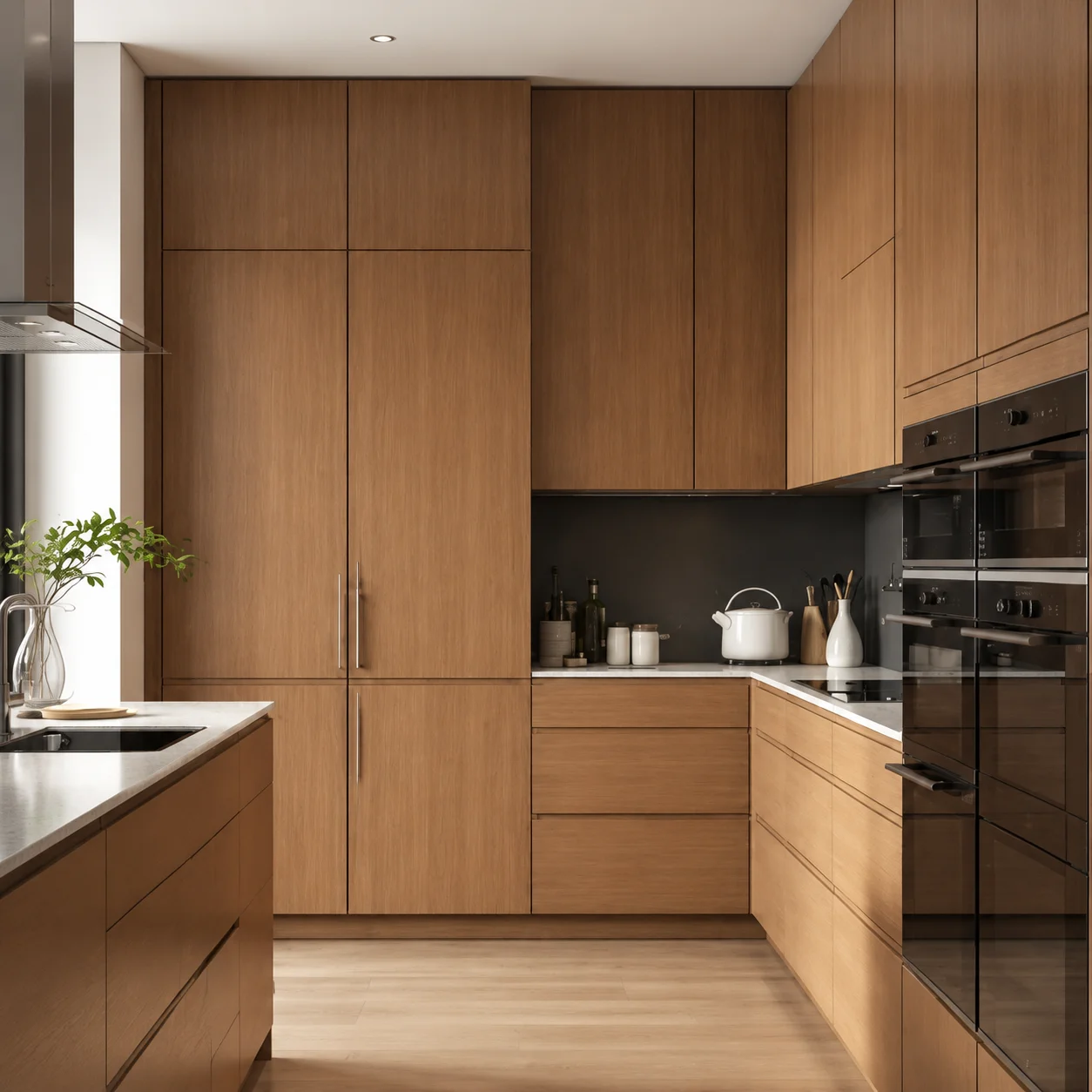
Plywood suits upscale, tailored, or country-style setups best. The material gives the sight and touch of true wood. Designers apply special stains to fit the exact room colors. Melamine board fits sleek, simple styles well. The factory-applied layer ensures even color matching. Such matching proves hard with natural wood. The board works great for big jobs that need a uniform look.
Plywood gains fame for its outstanding lifespan. The material often endures over 20 years in household use. It possesses superior nail-holding power, meaning hinges and drawer slides remain securely attached over time. Additionally, plywood is resistant to mold and is much less likely to deform under the weight of heavy appliances or kitchenware.
The main flaw in plywood lies in the upfront cost. Plywood costs more than melamine choices overall. Handling plywood demands skilled woodwork and finish methods. Proper edge and surface care ensures good looks and protection.
Low price draws people to the melamine board. Budget-focused updates favor the material. The surface is incredibly easy to maintain, resisting stains, scratches, and oil smoke. It also eliminates the need for post-installation painting or staining, which saves both time and money during the construction phase.
The vulnerability of the core is the most significant downside. Once the edge sealing fails, moisture causes the core to bulge, and screws may become loose, a condition often referred to as “screw pull-out”. Consequently, low-grade melamine cabinets might require replacement or significant repair in as little as three to five years if exposed to harsh conditions.

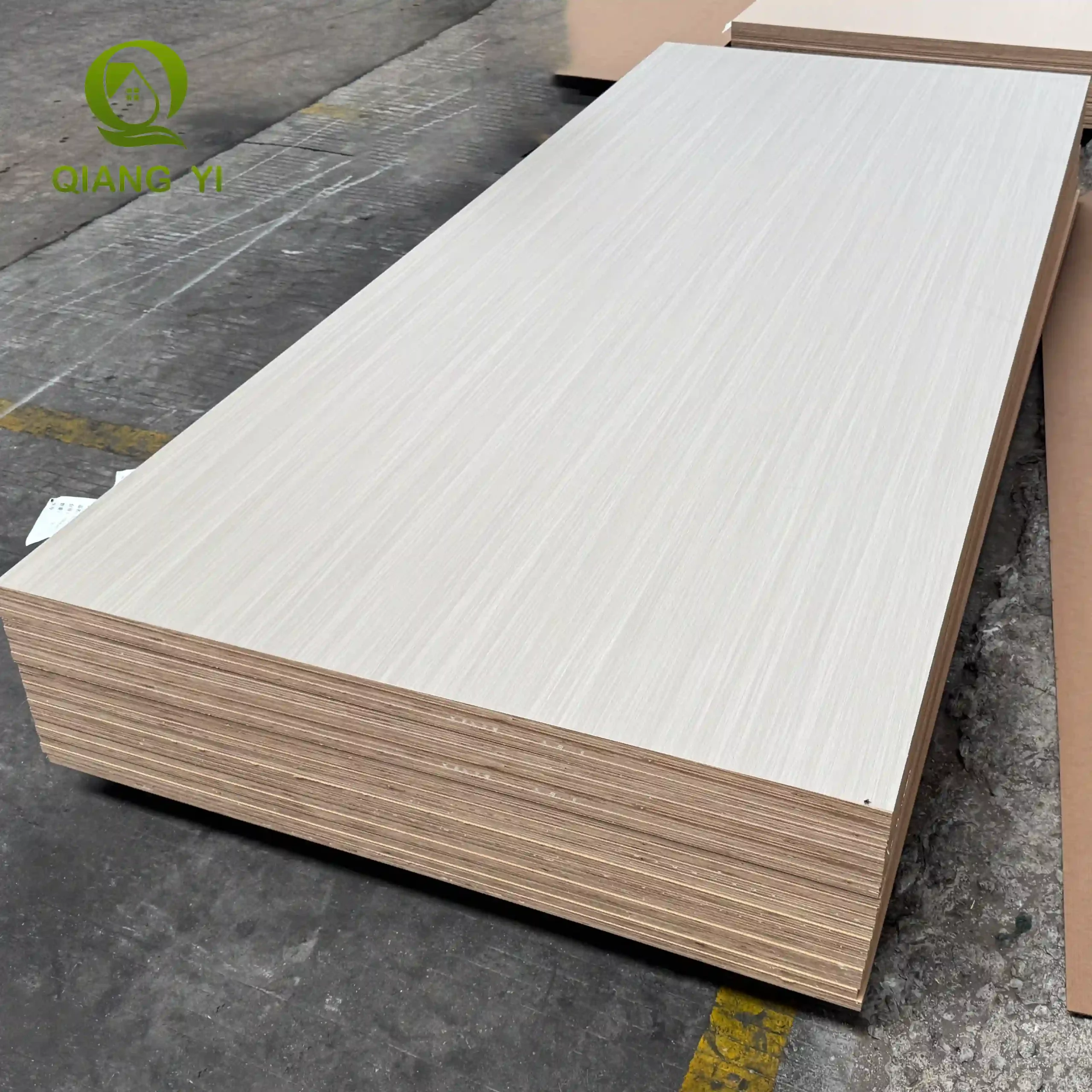
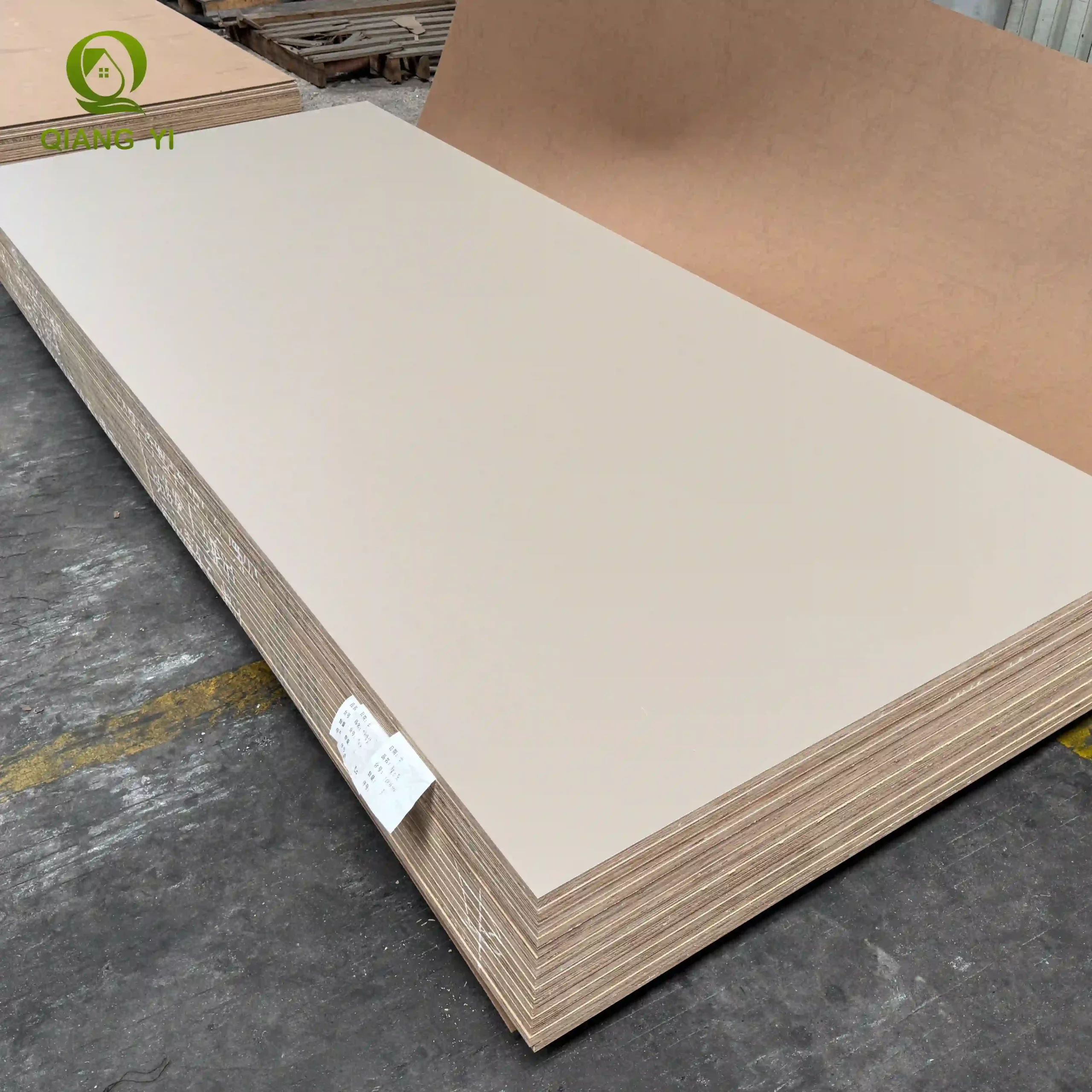
People who seek a balance between low-cost modern boards and solid traditional wood find a breakthrough in QIANGYI PLYWOOD: the Second-Generation All-Weather Glutinous Rice Glue Plywood.
Standard boards often use urea-formaldehyde resins. These resins release bad gases for years. QIANGYI PLYWOOD utilizes a unique biological adhesive inspired by the ancient construction of the Great Wall: Lingmei Glutinous Rice Glue. This adhesive is made from food-grade glutinous rice flour, magnesium chloride, and magnesium oxide. By eliminating formaldehyde at the source, this board achieves a Super ENF environmental rating, ensuring that the indoor air quality remains safe for children, the elderly, and sensitive individuals.
QIANGYI PLYWOOD meets high marks that beat common benchmarks. Rules set a water swelling limit below 8%. QIANGYI PLYWOOD holds a 2.4% rate after 24 hours in water. This level qualifies as a Class II solid water-block material. The material fits damp kitchen spots.
Structurally, the board features a nail-holding power of 2040 MPa, significantly higher than the 1650 MPa found in ordinary boards. This exceptional strength allows for the creation of floor-to-ceiling cabinet doors up to 2.8 meters high without the risk of warping or deformation.
To ensure a safe and healthy living environment, the board is manufactured using food-grade glutinous rice glue, achieving a 0-benzene and 0-formaldehyde standard while providing anti-odor and anti-mold properties. Furthermore, the integration of magnesium oxide provides a B1-grade flame retardant rating and a 9.5-grade termite resistance standard, offering comprehensive protection for the home.
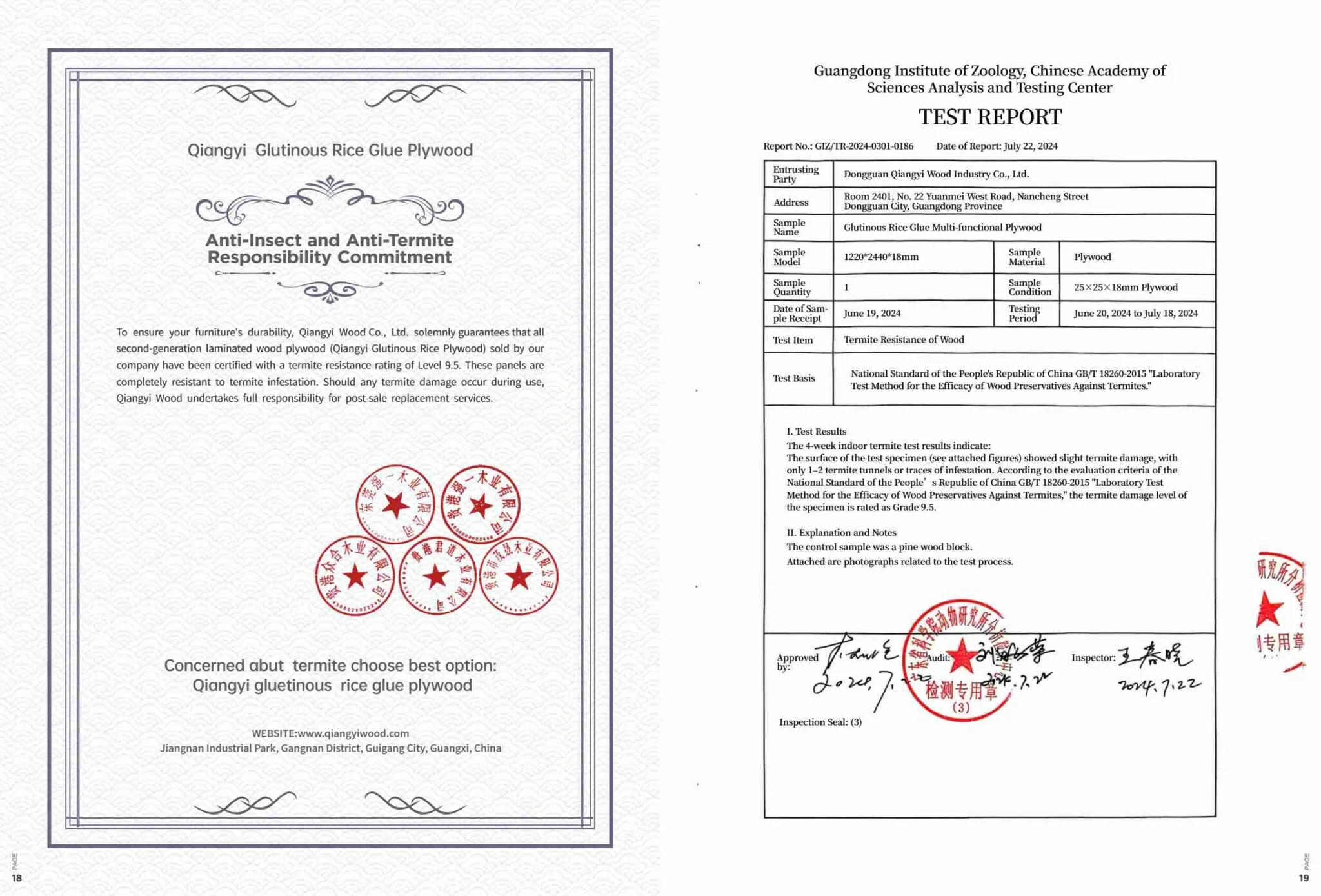
Project aims and funds guide the pick. Maximum endurance, lasting damp block, and upscale tailored style call for plywood. QIANGYI PLYWOOD stands out here. The glutinous rice glue method boosts plywood’s base gains. The method adds fresh safety features.
Tight funds and a simple, modern look with an even finish point to E0-grade melamine board. The board serves well for short-to-medium use.
A: Plywood endures more overall. The multi-layer right-angle grain build resists knocks and loads better.
A: Plywood fits high-damp zones well. Waterproof glues like those in QIANGYI PLYWOOD make the fit even stronger.
A: QIANGYI PLYWOOD uses a green, food-grade glutinous rice glue. The glue brings top bond force, damp block, and no-formaldehyde safety. The glue beats standard brands in health and lifespan.
A: To prevent damage, it is essential to strictly control the moisture content, following specifications for precision cutting, drilling, and edge banding, and reserving expansion joints during installation, while avoiding sudden temperature and humidity changes and hard object impacts can effectively prevent melamine boards from cracking.
Please fill out the form below and we will get back to you as soon as possible.




Leave a Comments