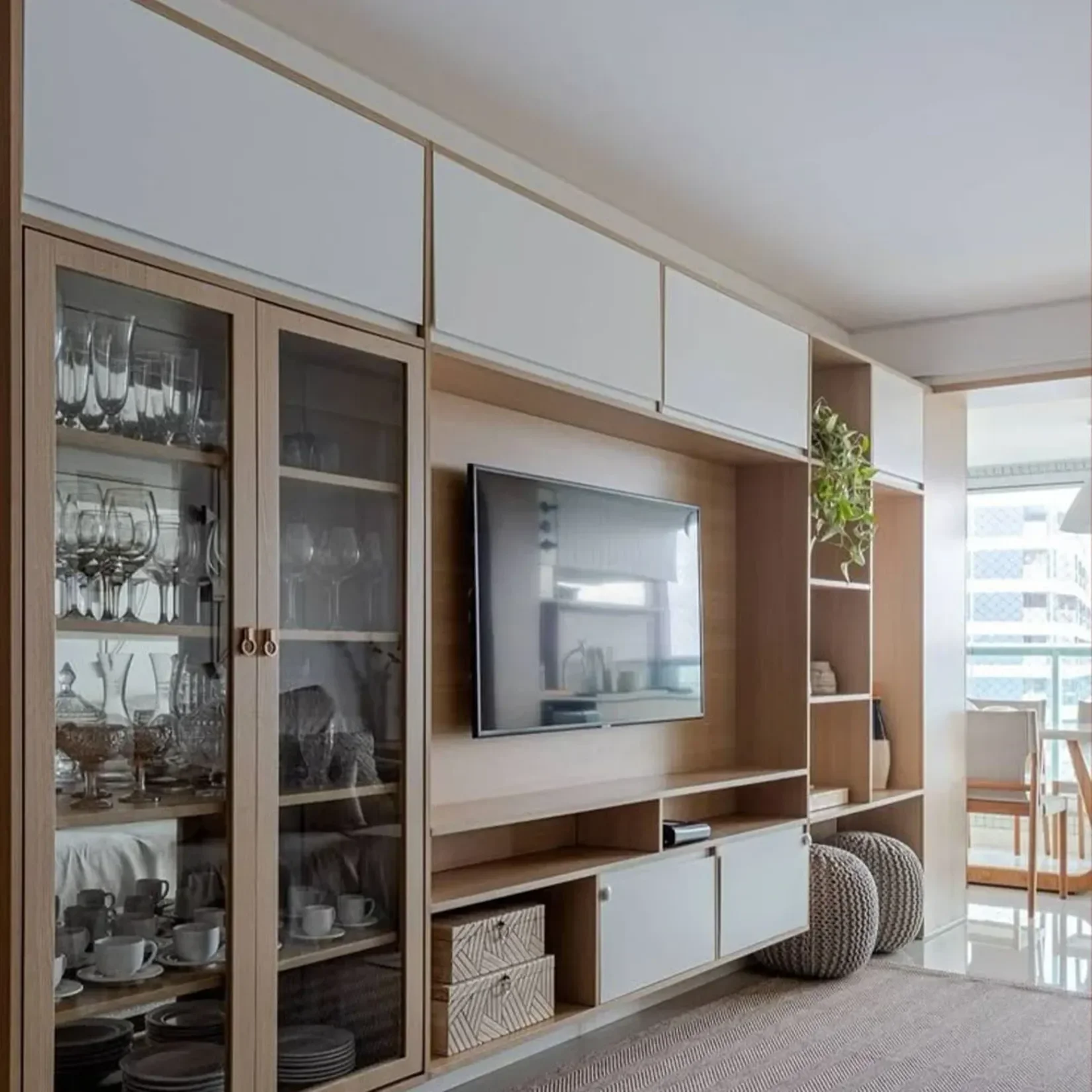
3/4 vs 1/2 Plywood: How to Choose the Right Thickness for Cabinets
Qiangyi
14th May 2026
The Importance of Plywood Thickness in Cabinet Design
Picking between 3/4 and 1/2 plywood ranks as a vital choice in cabinet building. The thickness directly affects cabinet strength, stability, and appearance. And an informed decision weighs structural soundness against budget and style options.
Common Uses of 1/2-Inch and 3/4-Inch Plywood in Woodworking
In standard woodworking work, 1/2-inch plywood works well for cabinet backs, drawer bottoms, and non-load-bearing dividers. The material remains light but steady for those tasks. 3/4-inch plywood builds the main frame for most cabinet boxes, doors, and shelves.
Comparing 3/4 vs 1/2 Plywood for Cabinets
Before choosing the proper sheet size, builders benefit from grasping how these two usual picks vary in performance and handling.
Structural Strength and Durability Differences
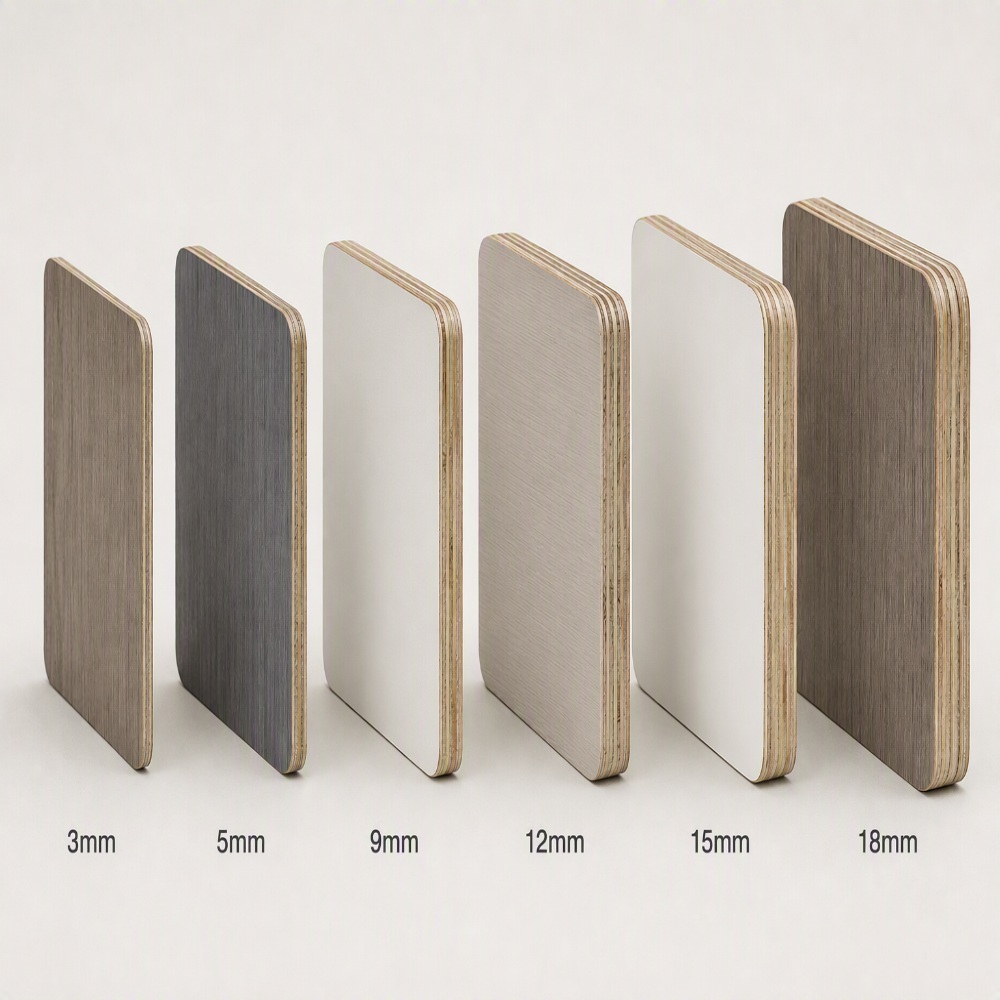
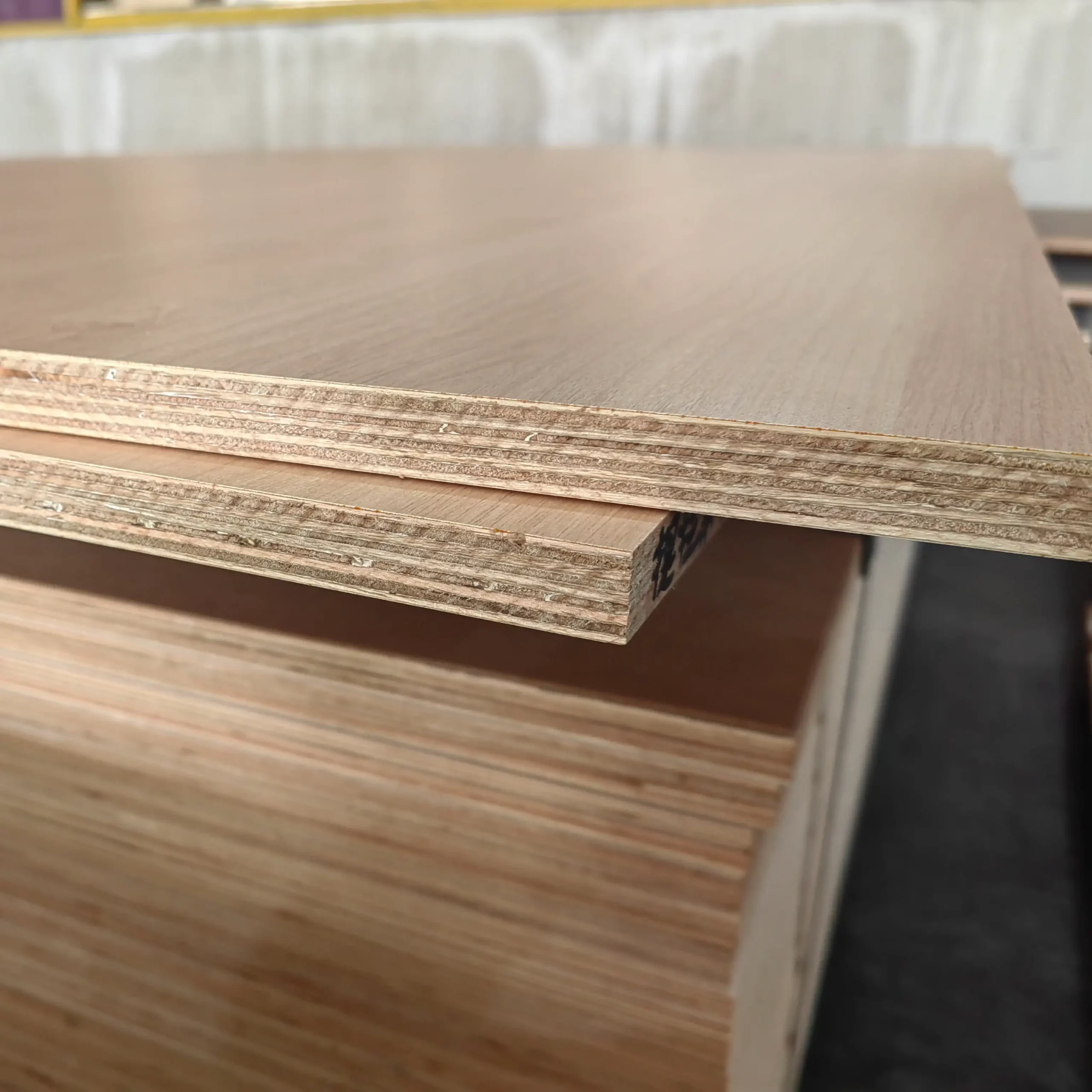
For load-bearing power, 3/4-inch plywood delivers more firmness than the slimmer type. The material withstands bending under heavy weights or long reaches—key for holding countertops or dishes. 1/2-inch plywood could sag in time if applied to extended shelves lacking extra support. Thicker panels also handle screws more securely and resist warping caused by moisture fluctuations.
A basic comparison clears things up:
Feature
1/2-Inch Plywood
3/4-Inch Plywood
Rigidity
Moderate
High
Load Capacity
Light
Heavy
Fastener Grip
Fair
Excellent
Ideal Use
Drawer bottoms, backs
Boxes, shelves
Weight and Handling Considerations
Weight shapes how simple the installation turns out. 3/4-inch plywood carries more weight—suitable for firm cabinets but hard to shift during setup. 1/2-inch plywood stays lighter and simpler to slice or manage at the site. For minor jobs or top cabinets with common lifting, slimmer sheets ease tiredness. Slimmer sheets avoid safety risks if backed correctly.
Cost Implications of Each Plywood Thickness
Selecting between the two sizes also affects overall project budgets.
Material Cost Comparison Between 1/2-Inch and 3/4-Inch Sheets
Sturdier panels cost extra per square foot. The reason involves greater raw material use. Builders seeking to limit outlay blend both sizes in a smart way. Builders apply thick sheets where strength matters most. Builders use slim sheets in other areas. This mixed method upholds standards. This mixed method controls spending.
For example, matching 3/4-inch sides with 1/2-inch backs can cut total material spending by up to 15–20% based on design details.
Long-Term Value and Maintenance Costs
While initial costs differ, long-term value favors thicker panels in high-use areas like kitchens or bathrooms. Cabinets from 3/4-inch plywood hold shape longer. The material fights loose joints or dropping shelves. As time goes on, this toughness means fewer fixes. This toughness means smaller upkeep bills.
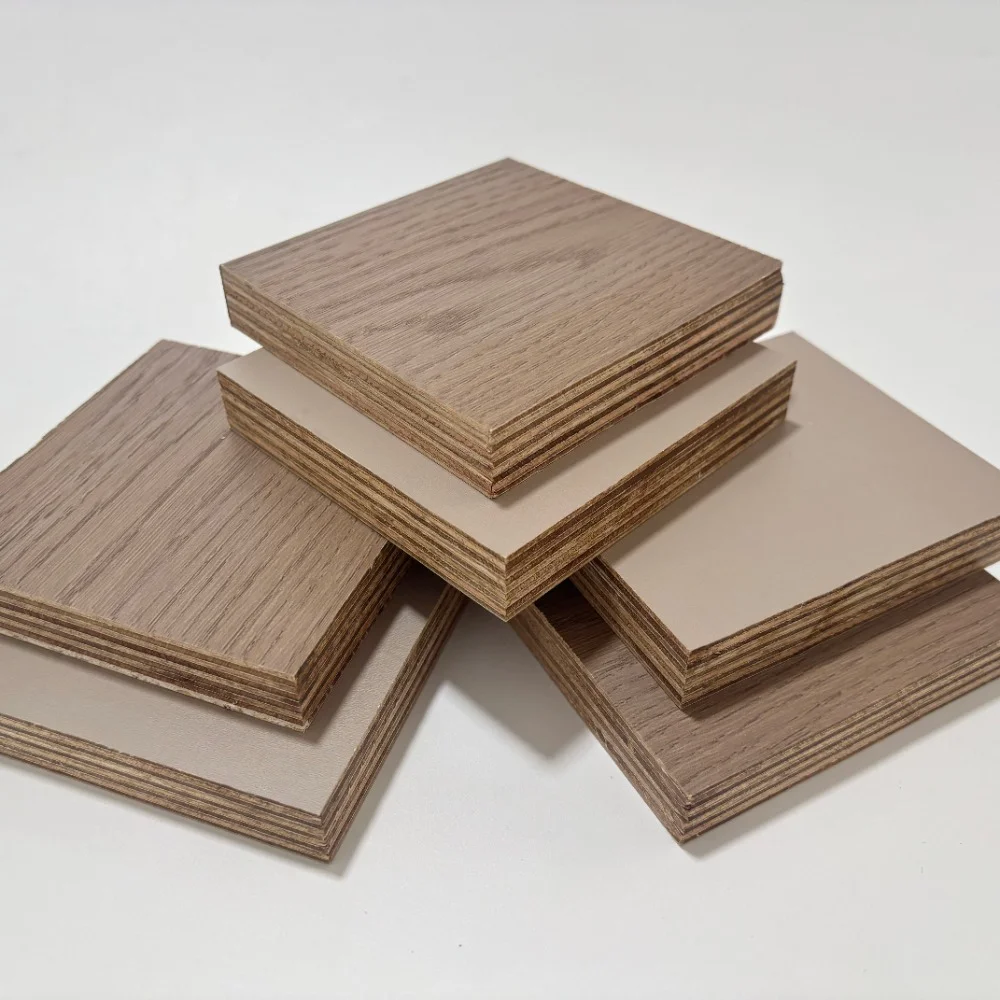
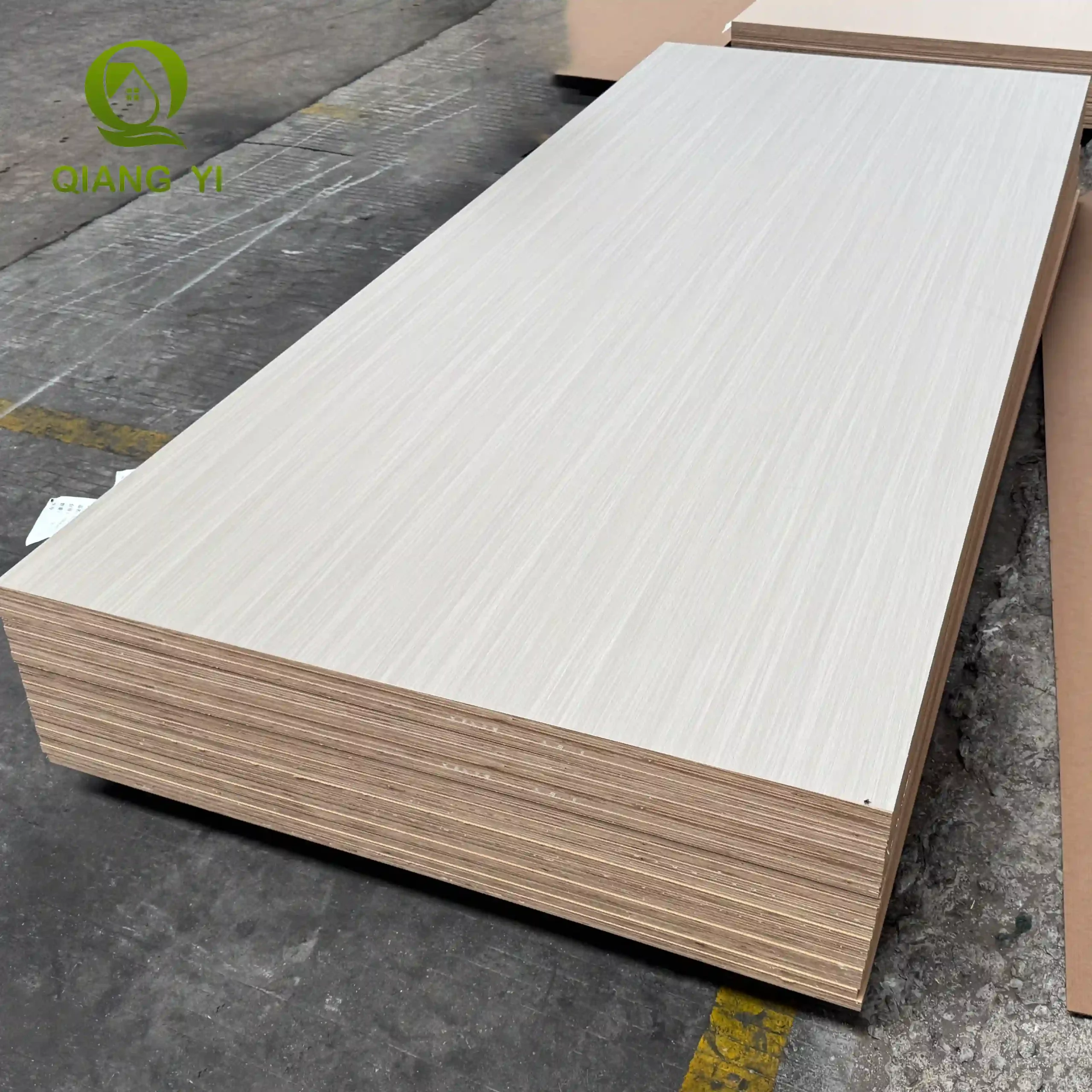
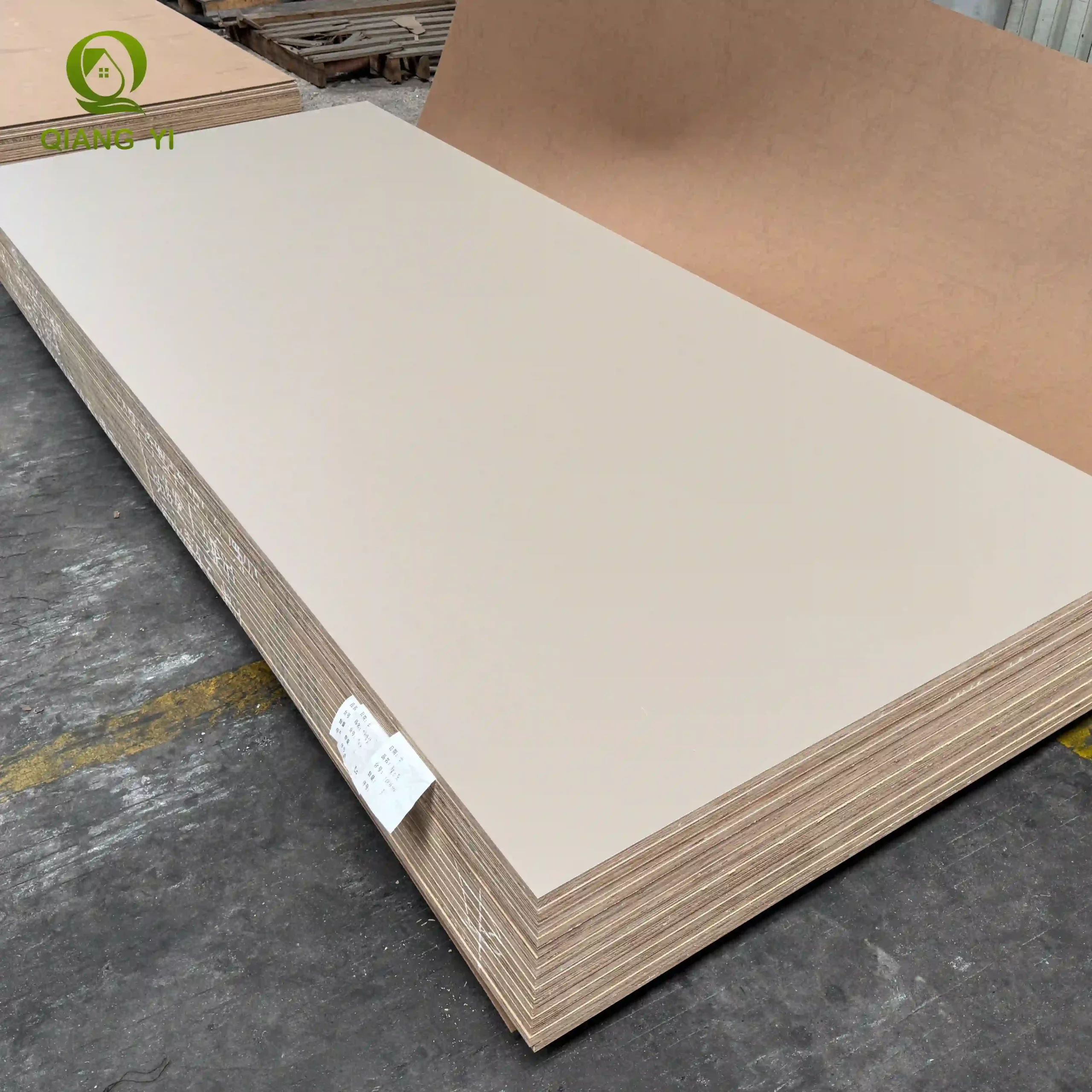
Its function includes waterproof, fireproof, anti-scratching, high bending strength etc. These qualities add much to the lasting nature of sturdier cabinet builds from fine materials such as melamine-faced plywood.
Aesthetic and Design Considerations in Cabinetry
Beyond structure and cost, visual appeal also depends on panel thickness choices.
Visual Impact of Plywood Thickness on Cabinet Appearance
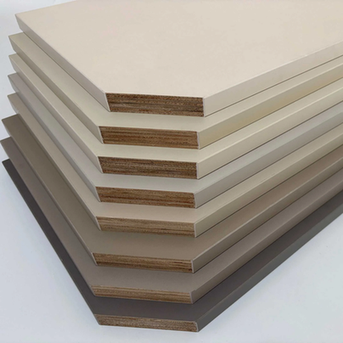
Sturdier edges send a strong, high-end vibe that matches classic or upscale rooms. Slimmer panels shape smooth lines, perfect for basic modern setups. Edge banding techniques refine either option—concealing exposed layers while maintaining consistent style across components.
Finishing Options Based on Material Thickness
Both thicknesses handle paints, veneers, or laminates well. Surfaces must stay smooth and dirt-free. The surface treatment options include matte, textured, glossy, embossed, or magic. Sturdier panels support deeper edge work like bevels or carved outlines. Such work boosts craft quality.
Practical Applications: When to Use Each Type of Plywood
Cabinet makers blend both types in one job based on the role.
Ideal Uses for 3/4-Inch Plywood in Cabinets
Structural Components That Require Strength
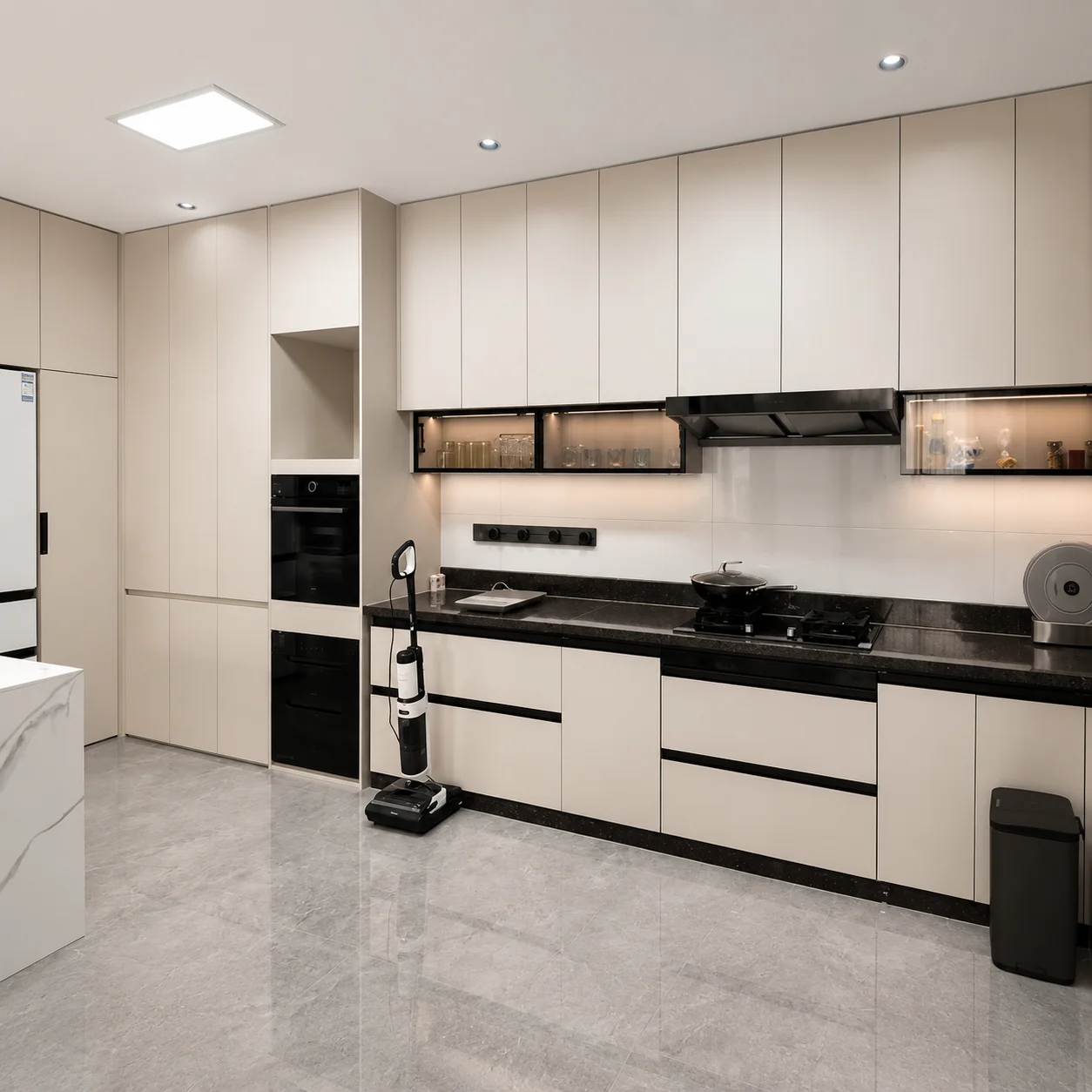
Cabinet sides, tops, bases, and load-bearing shelves gain from extra firmness in sturdier sheets.
Heavy-Duty Storage Areas or Kitchen Cabinets
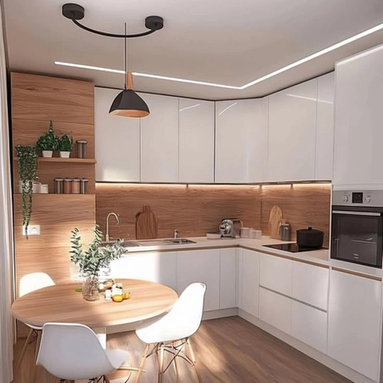
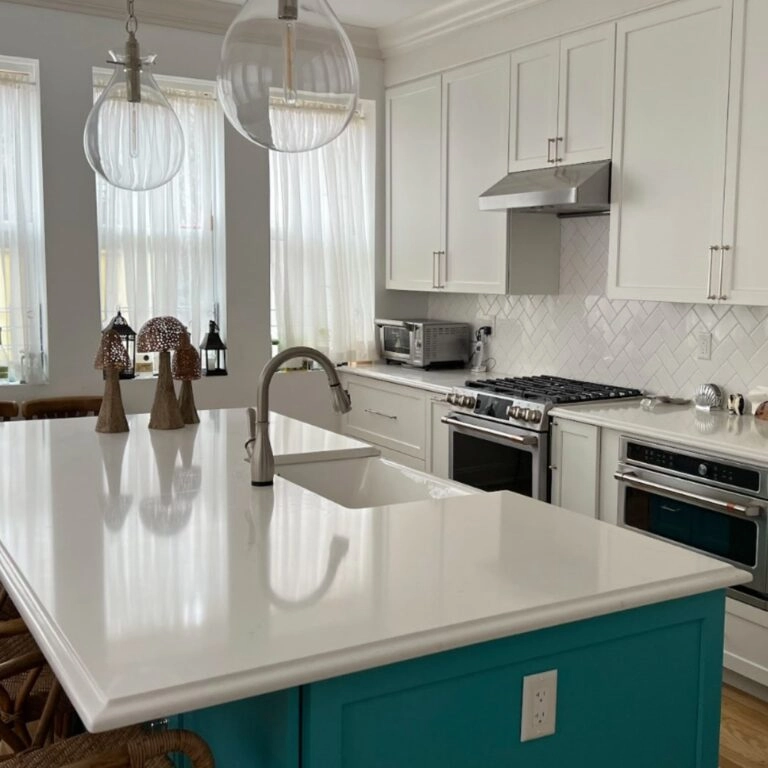
The material bears weight from dishes, cookware, or appliances without deforming over time.—a key factor in kitchens where durability matters most.
Ideal Uses for 1/2-Inch Plywood in Cabinets
Lightweight Components or Nonload-Bearing Sections
Budget-Friendly Projects or Temporary Installations
Builders often select thinner sheets when working within tight budgets or creating temporary furniture solutions that don’t require decades-long endurance.
Factors to Consider Before Choosing Between 3/4 and 1/2 Plywood
Outside factors shape which pick works best in the long haul.
Project Type and Intended Use
Kitchen cabinetry needs tougher materials than display shelving. Frequent handling and heat or humidity contact demand this.
Installation Environment
Moisture amounts affect how each thickness acts over the years. The glue meets ENF, E0, or E1 standards. Water-resistant adhesives like these block delamination. Damp spots in bathrooms or coastal zones see this benefit.
Joinery Methods and Hardware Compatibility
Hardware like hinges and screws act by panel depth. Thicker panels will exhibit superior nail-holding power compared to thinner boards. This ensures steady fastening in door swings.
Expert Recommendations for Optimal Cabinet Performance
Skilled carpenters blend both sizes in a single build. This evens out performance elements.
Balancing Strength, Cost, and Aesthetics
A blended method works. Builders use 3/4-inch panels for structure. Builders apply 1/2-inch sheets for minor sections. The way saves resources well.
Ensuring Longevity Through Proper Assembly Techniques
Strengthened joints with dowels or pocket screws help. High-grade finishes pair with them. These extend service life no matter the panel thickness. Routine sealing cuts moisture uptake. Moisture uptake might twist slimmer boards in time.
FAQ
Q: What factors determine whether I should use 3/4 vs 1/2 plywood for kitchen cabinets?
A: Kitchens face regular use and moisture shifts. Sturdier panels like 3/4inch supply better firmness and screw-holding power than slimmer ones. Minor sections like backs can take 1/2inch boards. These 1/2inch boards do not lose overall stability.
Q: Is there a significant price difference between 3/4 vs 1/2 plywood?
A: Yes. Sturdier boards need more raw material. The boards cost more per sheet, but the boards often give a longer service life. This offsets starting expenses with fewer upkeep needs over time.
Q: Apart from 3/4 and 1/2 plywood,are there any other types suitable for cabinets?
A: QIANGYI PLYWOOD produces glutinous rice glue plywood featuring ecofriendly bonding technology that meets modern indoor air standards while maintaining excellent structural stability across various furniture applications. This “Nine-sided Warrior” utilizes formaldehyde-free Lingmei glutinous rice glue—composed of food-grade rice starch, magnesium chloride, and magnesium oxide—to achieve a Super ENF environmental rating and a completely odorless finish that allows for immediate occupancy. Engineered for durability, this material boasts a strong nail-holding power of 2040MPa. It includes proprietary anti-deformation technology as well. These qualities make it a top pick for preventing warpage in tall cabinet doors.
Q: Which type provides better long-term value when building custom cabinetry?
A: For permanent installations such as kitchens or bathrooms,the 3/4inch option delivers superior longevity thanks to its load capacity and resistance to wear. Combining both sizes strategically gives optimal results at balanced cost levels across different components.
Are you a Manufacturer ?When did you run your factory ?
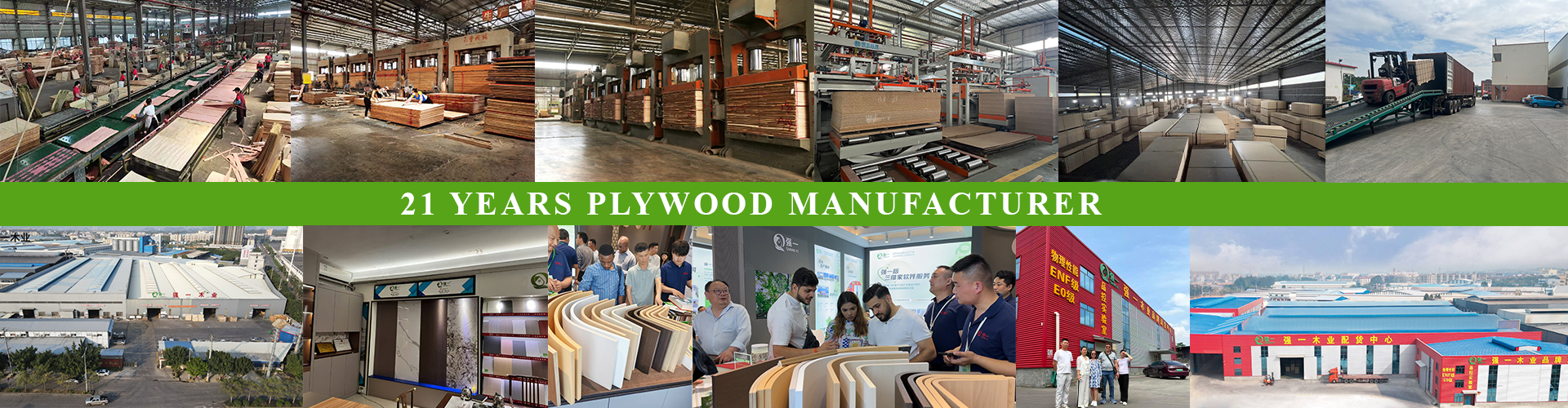
Yes ,We are manufacturer which locate in Guigang, Guangxi, also in Dongguang, Guangdong. Factory is started in the year of 2004 with more than 20 years experience for plywood production.

What's your main products?
We product Melamine plywood, blockboard, Particle Board, MDF board for furniture and home decoration, and film face plywood/commercial plywood for construction,etc.
What certificate do you have ?
We have ISO 9001, EPA ,CE and CARB-P2, etc.
How much capacity can you produce every day?
We can do 20000+pcs per day for Film faced plywood, 300 containers per month.
What is the payment term?
Full payment before shipping. Or 30% TT deposit ,70% TT balance before delivery .
How you do Shipping?
If you do not have agent in China, we can arrange shipping by sea for you.
Do you have customized service?
Yes. We provide OEM/ODM service according to your requirements.
Can we visit your factory?
Sure,warmly welcome to visit us. We can arrange pick up.
PRODUCTS
Main products: Marine plywood, Melamine plywood, Melamine blockboard, Melamine Chipboard, Melamine MDF board, Film face plywood, Edge banding, Furniture accessories
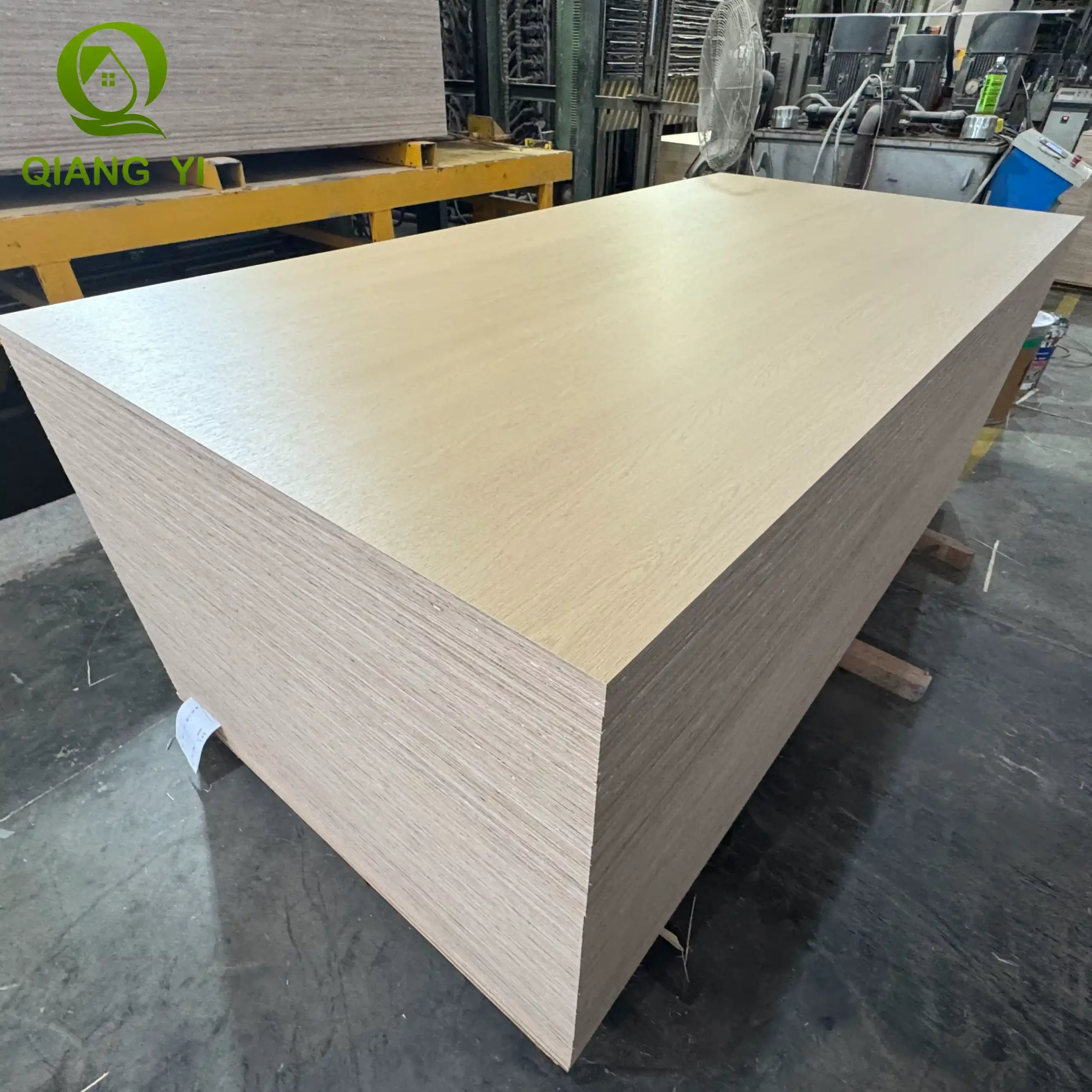
Oak blockboard is a high-quality home decoration material that not only has a perfect appearance, but also has physical properties that are not inferior to solid wood panels, and even better. After applying melamine veneer, its waterproof performance is significantly improved. The rich color selection of melamine veneer can also meet various decorative styles. Oak particleboard is an ideal choice for home decoration and building materials.
Qiangyi Eucalyptus Marine Plywood combines the natural strength of hardwood with Glutinous rice glue bonding technology, providing excellent moisture resistance, outstanding load-bearing capacity, and built-in anti termite function. Its density is 550-620 kg/cubic meter, which performs better than ordinary boards in humid, tropical, and harsh environments. It is an ideal choice for furniture, cabinets, coastal buildings, and ship applications.
Laminated plywood is available in various thicknesses, grades, and surface treatments, making it an ideal material for furniture manufacturing, interior cabinetry, construction, and packaging. (1) Laminated plywood conforms to CE/CARB/EPA/ISO 9001 standards, meeting global import and export requirements. (2) The melamine finish on the laminated plywood enhances its waterproof performance, making it widely used in high-end furniture, kitchen cabinets, and other moisture-prone areas. (3) A rich variety of patterns and colors allow for greater compatibility with different interior design styles.
Choosing the right board material makes it easy to run a custom business: Industry trends have changed, and reputation is now the key to success. Choosing Qiangyi All Climate Gluetinous Rice Glue Plywood can solve five core needs in one stop, seize a century-old business opportunity, and achieve long-term profitability. Dear custom furniture business owners and backpackers, we've discussed a lot today—from the three stages of industry development to the five core needs of custom furniture businesses, to specific implementation methods, and finally, we recommended Qiangyi All Climate Gluetinous Rice Glue Plywood, a game-changer . In essence, it boils down to one sentence: choosing the right wood material is key to easily succeeding in the custom furniture business . The whole-house customization industry has now shifted from an era where traffic is king to one where reputation is paramount. Relying on tricks and low prices is unsustainable . To survive , earn stable profits , and achieve long-term development, we must grasp the core – choosing the right board material . Qiangyi All Climate Gluetinous Rice Glue Plywood , as the first truly revolutionary product in a century of plywood, offers a one-stop solution to our five core needs: easy sales , high profits , minimal after-sales service , high repeat orders , and low risk. It is a lifeline for those in the customization industry and a once-in -a-century business opportunity . Opportunity waits for no one. Entering the market now allows you to quickly seize opportunities , establish a competitive edge, and lock in long-term profits. Waiting until your competitors have all started will only lead to missed opportunities and continued struggles with price wars and after-sales disputes . Trust me, choosing Qiangyi All Climate Gluetinous Rice Glue Plywood means you won't have to worry about orders , after-sales service , or profits. You can easily build a successful custom business and achieve long-term profitability!
Super ENF-Grade Environmental Protection Odorless-Ready to Move In Immediately Anti-mold & Antibacterial Stronger nail holding power and greater resistance to deformation Waterproof, Moisture-proof, and Expansion-resistant Long-lasting Improvement – Termite Resistance Level 9.5 Resistant to Aging and Cracks B1 Flame Retardant heat insulation and sound insulation
Melamine particleboard is a high-performance furniture board made by laminating melamine-impregnated decorative paper onto a particleboard core under high temperature and pressure. The finished product has a smooth, durable surface and can be used directly without additional processing. It boasts excellent wear resistance, heat resistance, moisture resistance, chemical resistance, and scratch resistance, ensuring long-lasting durability even in harsh everyday environments. Melamine particleboard offers a rich selection of colors, wood grain patterns, and surface textures—from matte to glossy—to meet diverse aesthetic needs and provide unlimited design flexibility. It is an ideal material for custom furniture, cabinetry, office renovations, and interior decoration worldwide.
Please fill out the form below and we will get back to you as soon as possible.

Leave a Comments