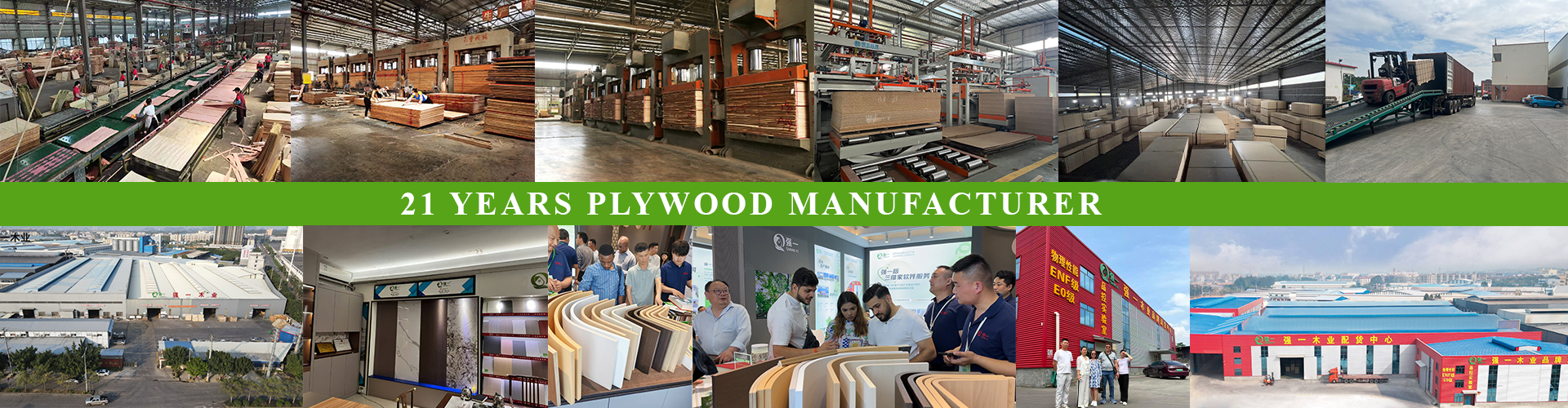
Yes ,We are manufacturer which locate in Guigang, Guangxi, also in Dongguang, Guangdong. Factory is started in the year of 2004 with more than 20 years experience for plywood production.

 Qiangyi
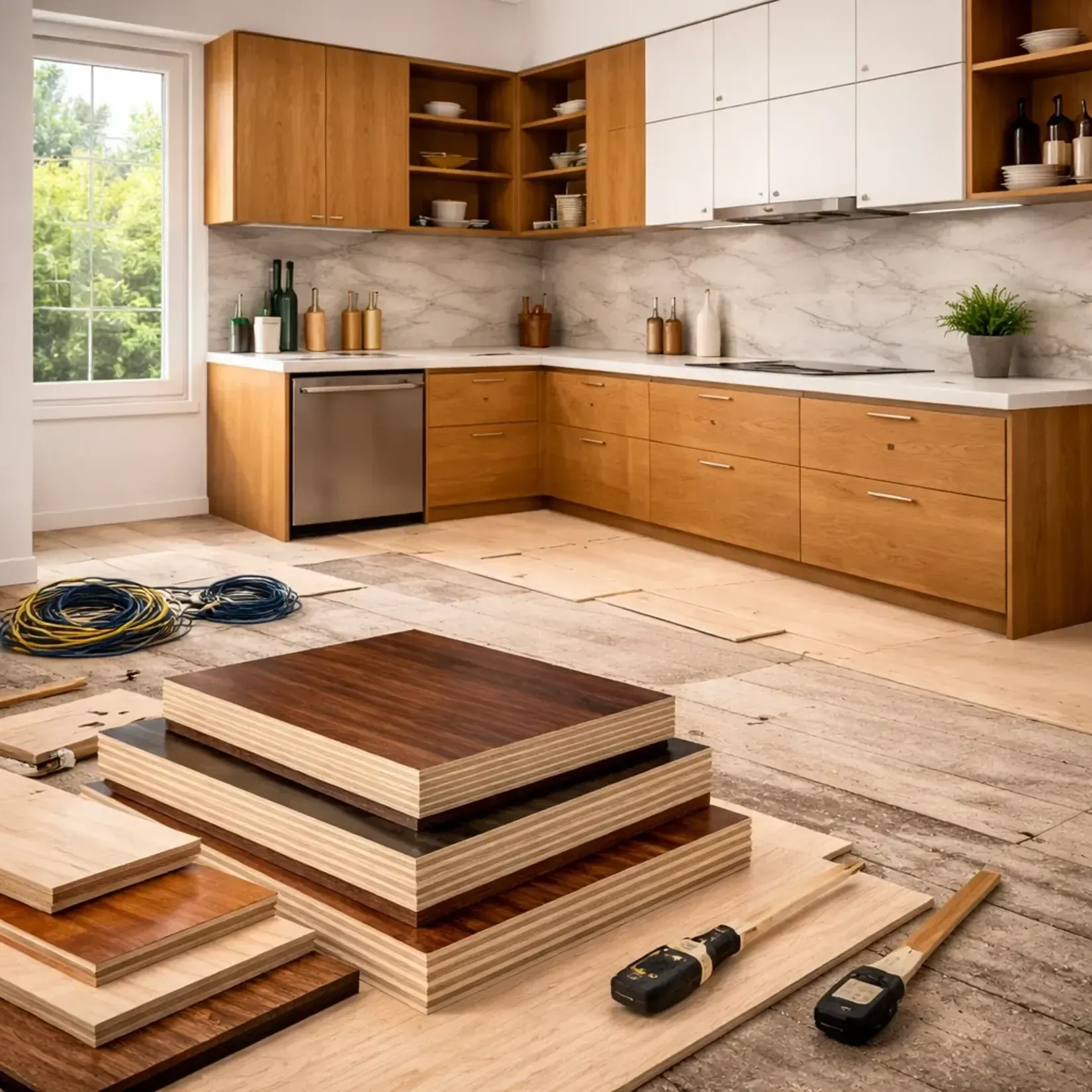
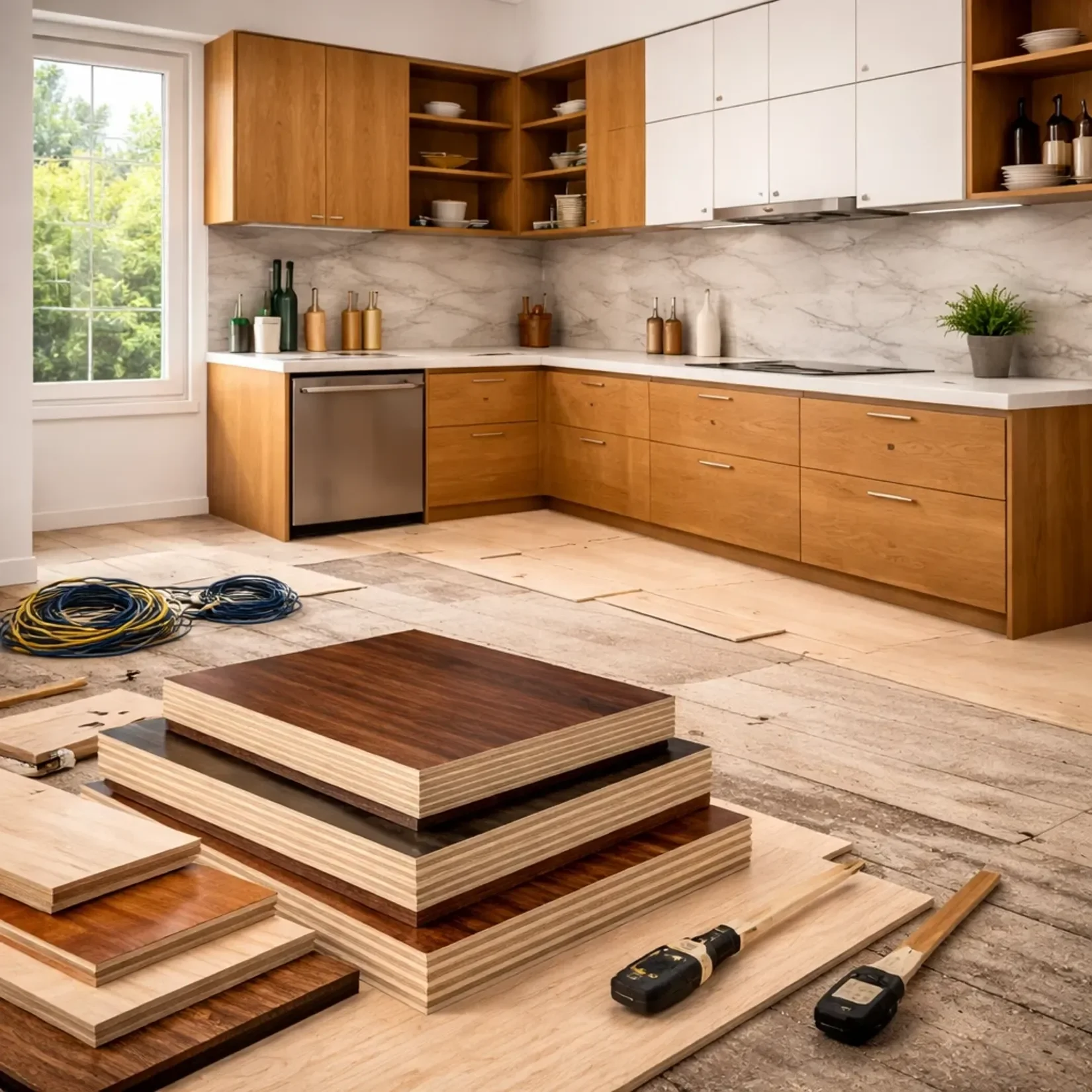
Selecting suitable plywood for commercial work, custom furniture builds, or special construction jobs often requires clear knowledge of key differences among engineered wood products. Buyers and contractors regularly compare basic options with stronger upgrades. Clear details on build structure, price reasons, and performance over time help guide smart purchase choices. This guide covers the main points that set marine panels apart from standard ones, reviews costs and drawbacks, and presents a fresh option suited to premium indoor work.
Surface appearance may match at first glance. Yet the inner build and glue makeup differ in clear ways.
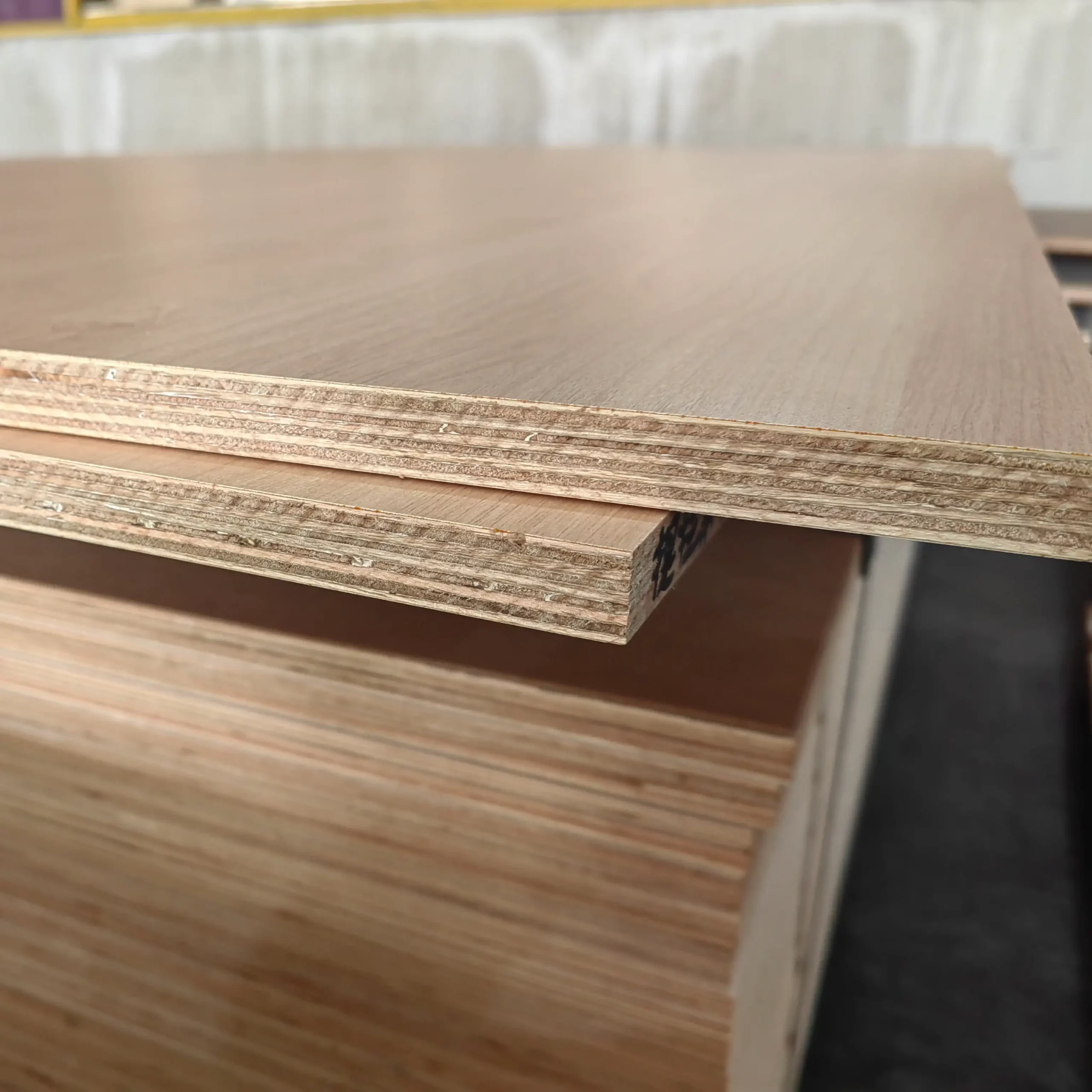
Marine plywood are engineered specifically for environments exposed to high moisture and humidity. They usually utilize birch, beech, and other tough, durable wood species to ensure the core is uniform and free of gaps. Ordinary panels suit basic indoor spots with little moisture contact. Makers accept normal veneers that may hold small gaps or joint overlaps. Such small flaws do not affect dry indoor use but cause failure once water appears.
The chemical composition of the glue line further separates the two materials. Marine panels rely on WBP-grade phenolic resin. This resin keeps bonds strong even after full water soak. Ordinary panels use basic urea-formaldehyde glue. The simpler glue works fine for dry cabinets and frames. Exposure to water or long, damp periods leads to swelling, bends, and layer separation in standard panels.
To clarify the exact distinctions, the following comparison highlights their technical parameters:
| Feature | Marine Grade | Ordinary Grade |
| Adhesive Type | WBP-grade Water Boiled Proof phenolic resin | Ordinary urea-formaldehyde |
| Core Veneers | Grade A quality (e.g., Birch, Beech) with zero core gaps | Standard quality with allowable voids |
| Moisture Resistance | Highly resistant to water and delamination | Low resistance to moisture |
| Primary Application | Boat building and high-humidity areas | Indoor furniture and dry construction |
| Structural Integrity | Maintains strength in wet conditions | Prone to swelling and warping if wet |
Price gaps trace directly to better raw wood and strict factory steps needed for marine approval. A breakdown of these added costs shows why the extra spend fits certain jobs.
Glue quality drives most of the higher price. Marine panels use WBP-grade phenolic resin. The resin keeps bonds intact after boiling water tests required for certification. This resin costs more to make and apply than the urea-formaldehyde type found in everyday boards.
Core veneer quality adds further cost. Marine approval demands flawless inner layers with no gaps at all. Even tiny hidden spaces can hold moisture and cause rot or layer failure later. Finding, sorting, and grading top-grade hardwood for every core layer raises both material and labor bills.
The manufacturing process itself is substantially more resource-intensive. Achieving the required density and bond strength demands higher mechanical pressure and longer hot pressing times during the production cycle. Ongoing tests, quality checks, and certification steps add still more expense before the finished panel reaches the market.
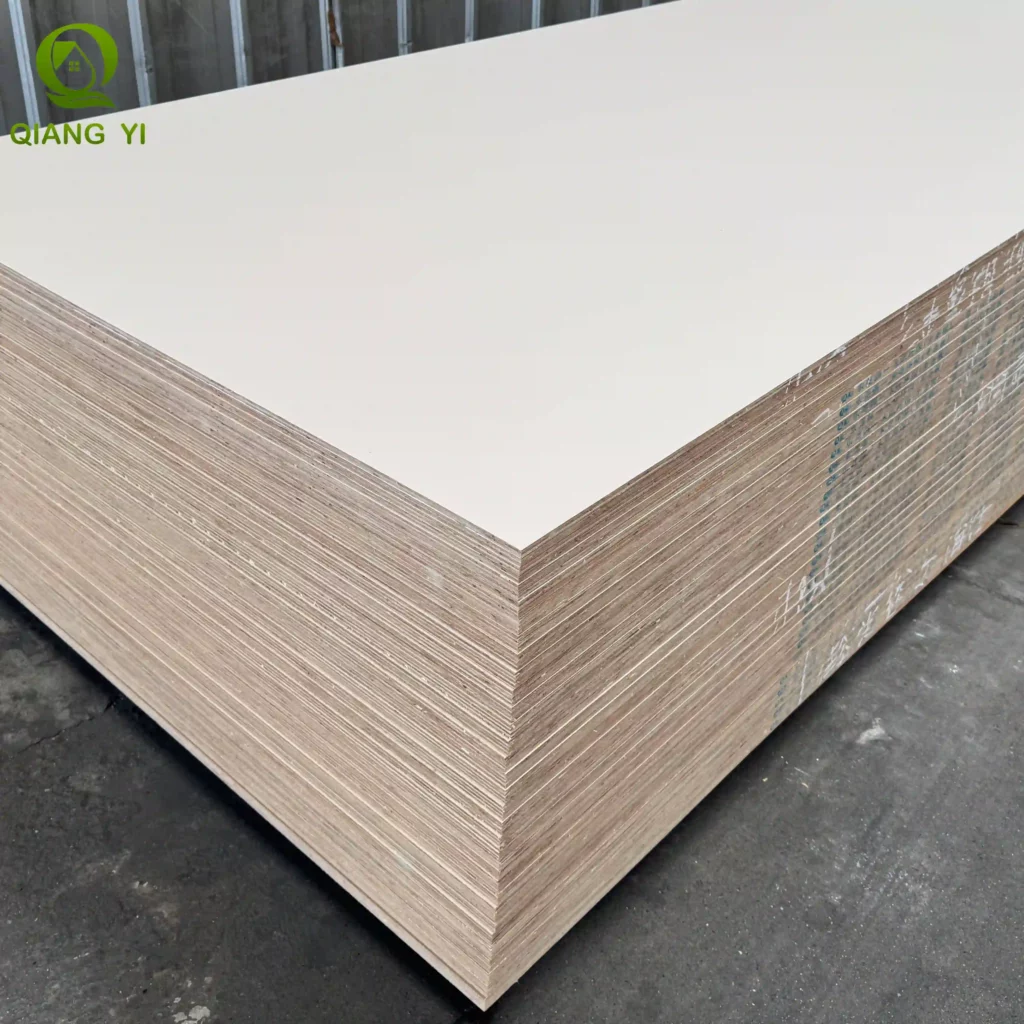
Correct material choice balances strong performance against cost and practical limits. Marine panels deliver solid results in tough conditions yet bring clear trade-offs that managers must weigh before purchase.
Exceptional moisture protection stands out as the main gain. High-grade water boiled proof resin stops layer separation and strength loss even during full water contact. Structural strength forms the second gain. Careful placement of dense hardwood layers removes all core gaps. This tight build blocks internal rot and spreads loads evenly across heavy-duty uses.
High purchase cost ranks first among drawbacks. Certification rules push prices well above normal levels. Use of marine panels for simple dry cabinet work wastes budget on features that never come into play. Extra weight forms the next drawback. Absence of core gaps plus dense hardwood layers produces heavier sheets. Transport costs rise, and workers need more effort to move and install each panel. Heavy hinges also become necessary to avoid sagging doors over time.
Chemical emissions create a further concern. Traditional marine panels rely on phenolic and urea-formaldehyde resins. These compounds can release small amounts of formaldehyde into room air for many years. The slow release lowers indoor air quality and raises breathing risks for people inside the space.
Smart purchase decisions match exact site conditions with the right panel specs. A simple decision path helps reach both performance targets and budget goals.
Direct and constant water contact calls for marine panels. Boat hulls, roof sections, and heavy outdoor frames fit this group. Their specific chemical engineering is designed to prevent delamination in these extreme scenarios where water submersion is inevitable.
For temporary construction barricades, basic logistics packaging, or low-budget interior projects where longevity, extreme moisture resistance, and high-tier environmental certifications are not a priority, standard commercial multi-layer boards or particle boards will suffice. These boards supply enough strength for basic tasks at a much lower cost.
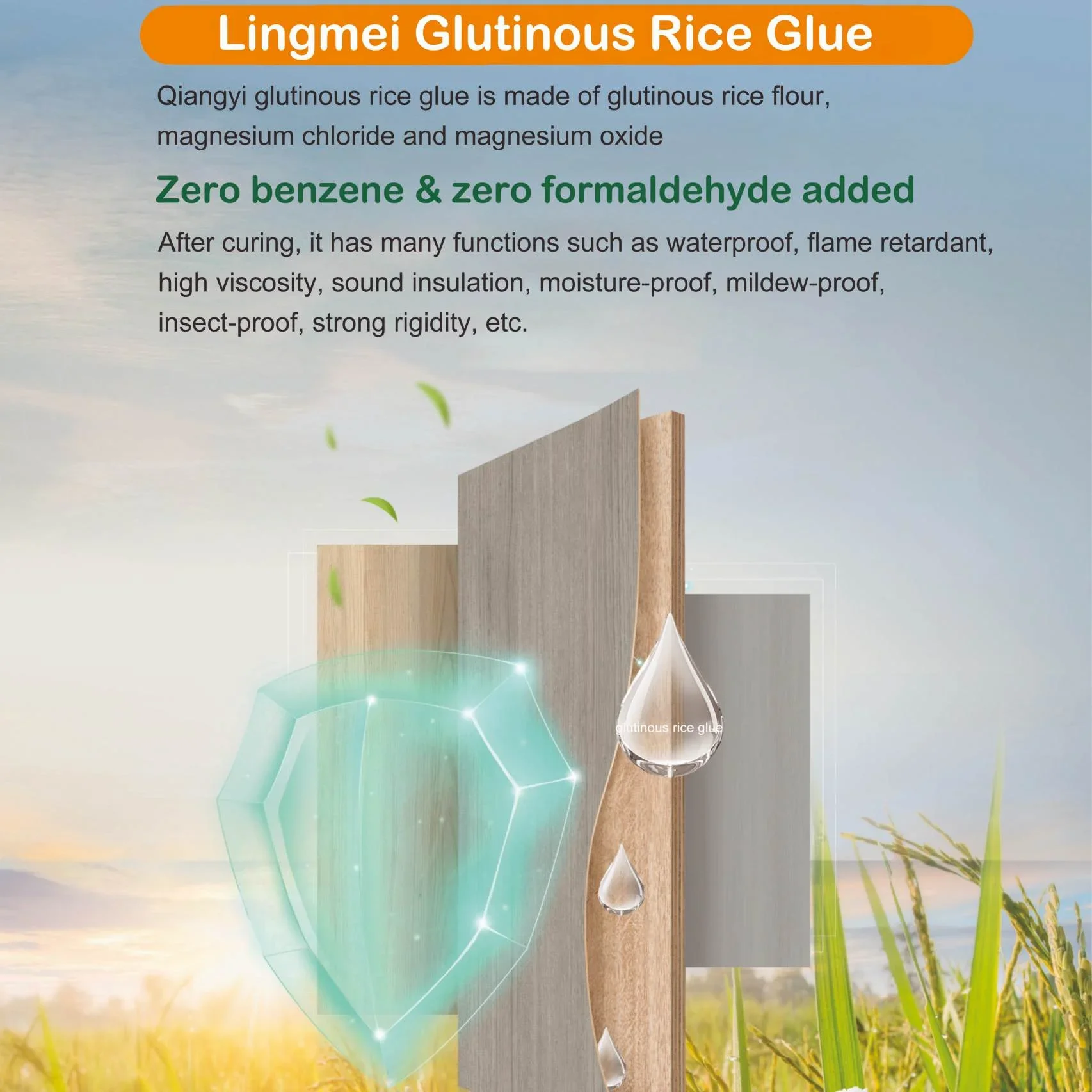
High-end homes, kitchen cabinets, hospitals, care homes, and children’s rooms place health and air quality first. QIANGYI PLYWOOD Glutinous Rice Glue Plywood meets these needs. The boards supply moisture resistance for wet zones while delivering zero formaldehyde, no odor, and flame resistance.
Marine plywood shows strong water resistance. The WBP resin and solid core keep layers together and maintain strength during heavy moisture exposure. Full waterproofing still requires proper edge sealing and surface coatings, because wood fibers themselves absorb water over very long periods.
Standard panels cost far less than marine panels. Marine certification requires top-grade core veneers, costly waterproof resin, and longer press cycles. These steps raise production expenses, so standard boards remain the practical pick for dry, low-demand jobs.
Marine plywood works indoors but often costs more than needed for normal furniture. Both marine and standard panels can release volatile compounds from their resins. A healthy eco-friendly indoor environment ranks as the top priority and board strength stays important too. The recommendation goes to QIANGYI PLYWOOD Glutinous Rice Glue Plywood in such cases. It uses a 100 percent plant and mineral-based zero-formaldehyde adhesive. The adhesive delivers needed durability and moisture resistance for interior cabinetry. The adhesive also ensures a completely safe toxin-free space.
Please fill out the form below and we will get back to you as soon as possible.




Leave a Comments