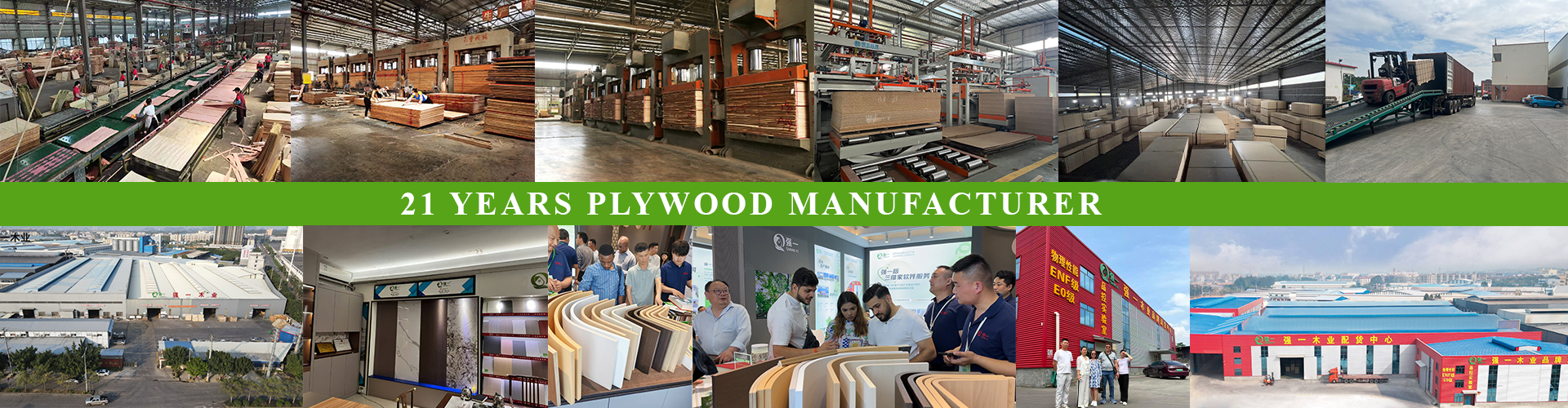
Yes ,We are manufacturer which locate in Guigang, Guangxi, also in Dongguang, Guangdong. Factory is started in the year of 2004 with more than 20 years experience for plywood production.

 Qiangyi
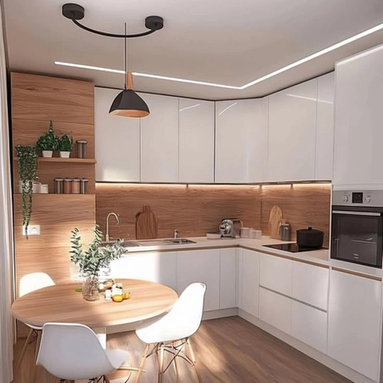
When planning a kitchen renovation or a custom furniture project, choosing the right material thickness (3/4 vs 1/2 Plywood) counts as one of the most important decisions. The discussion between different board thicknesses usually focuses on structural integrity, total weight, and material costs. Knowledge of the physical properties of these materials helps create a final product that looks good and stays strong for many years. In this detailed guide, specific uses and strength differences receive close attention.
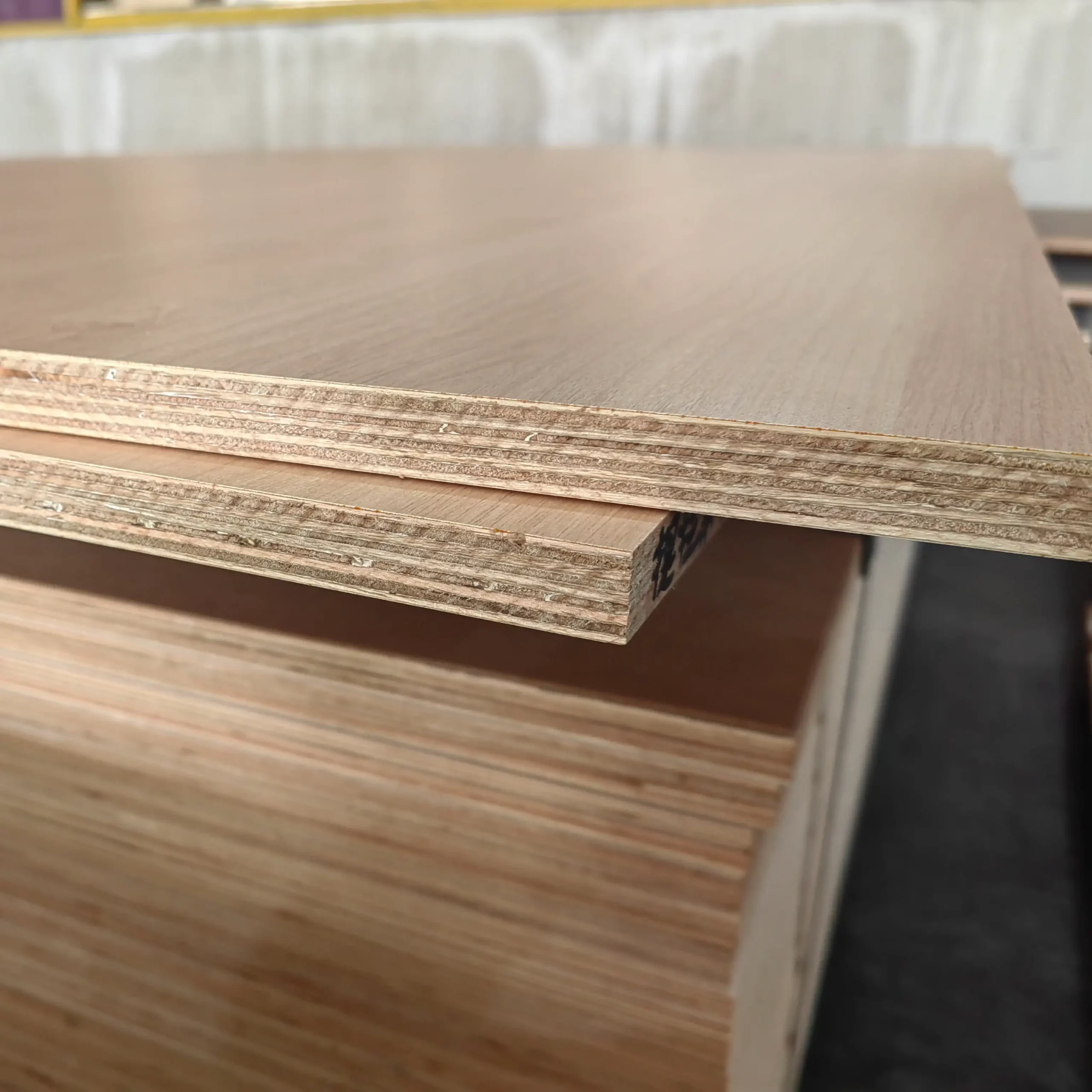
The main difference between these two thicknesses appears in load-bearing capacity and resistance to deflection under pressure. A 3/4 inch board supplies high structural rigidity for heavy-duty applications. When base units must support heavy quartz or marble countertops, or when wide shelves hold stacks of ceramic dishes, this thicker material prevents long-term sagging. Physical mechanics of engineered wood show that stiffness grows quickly with thickness. The move from half-inch to three-quarter-inch material therefore creates a large increase in overall structural integrity. This choice keeps the cabinet box from crushing or warping under steady vertical loads.
To understand 1/2 vs 3/4 plywood strength, performance over a horizontal span requires examination. When used for shelving or cabinet bottoms, a 1/2 inch board starts to bow noticeably if the span exceeds 24 inches under moderate load. A 3/4 inch board handles spans up to 36 inches across a cabinet interior without extra center supports or face frame stiffeners. The thicker board holds more individual veneer layers in its core. This higher ply count spreads downward force more evenly. Greater resistance to shearing and bending also results. Selection of the thicker board for structural spans keeps custom furniture perfectly square, level, and sturdy even under heavy weight.
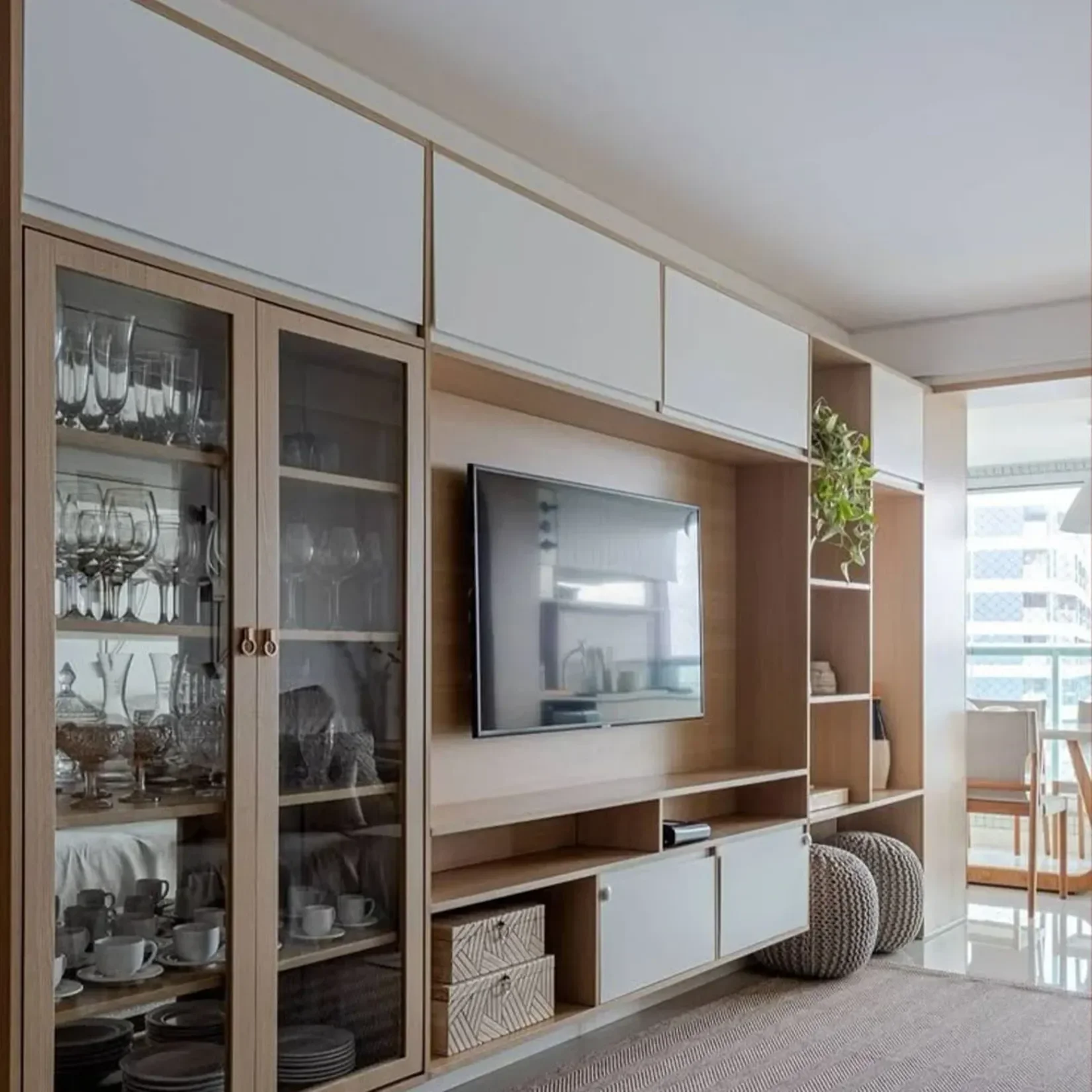
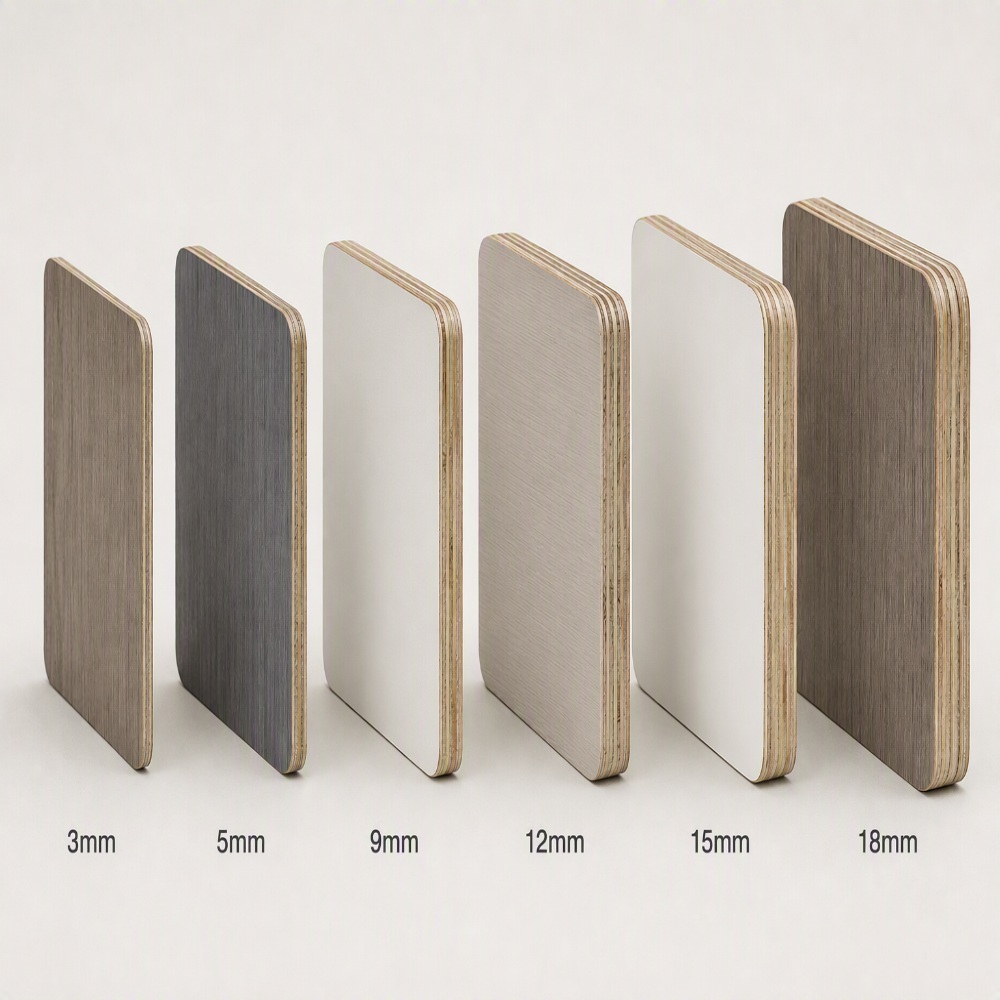
Professional cabinet makers seldom apply one thickness to the complete construction of a unit. Different thicknesses receive strategic allocation according to the structural demands of each component. The 3/4 inch or 18mm boards usually stay reserved for the structural carcass. This includes the side panels, the bottom deck, and the interior shelving. Use of this thickness for cabinet doors also works well because maximum resistance of 2.8 meters without deformation becomes possible.
On the other hand, 1/2 inch or 12mm boards serve well for non-structural or lightweight components. This thickness fits cabinet back panels that mainly keep the box square and hide the wall rather than support downward weight. Drawer box sides and bottoms also suit this slightly thinner material. Interior storage space increases, and the load on drawer sliding hardware decreases.
Although thickness plays a major part in structural integrity, core material grade and adhesive formulation hold equal importance for the lifespan of woodwork. Many standard boards on the market carry no specific quality requirements for core veneers. Asymmetrical internal stress and eventual warping often follow. But QIANGYI PLYWOOD uses only Grade A eucalyptus core boards for second-generation multi-layer panels and therefore creates perfect structural symmetry and stability.
The adhesive that binds these wood layers forms the hidden foundation of panel strength and indoor air quality. Traditional manufacturing depends heavily on urea-formaldehyde resin. This glue shows poor permeability and remains only between single boards, while gaps stay in the wood fibers. Urea-formaldehyde boards react strongly to moisture. Formaldehyde release grows quickly when indoor temperature and humidity increase.
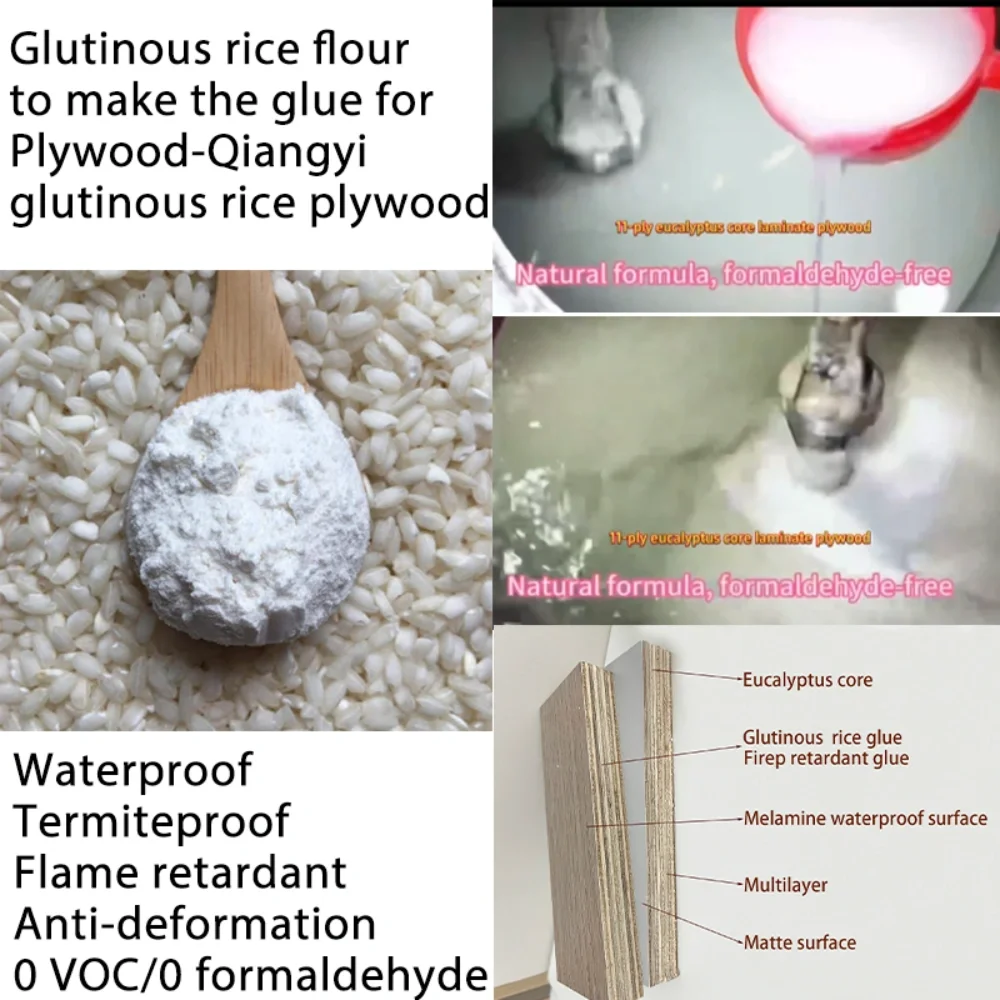
QIANGYI PLYWOOD created a second-generation multi-layer board known as glutinous rice glue plywood to solve the long-standing issues of formaldehyde emissions and poor moisture resistance. This technology is inspired by the ancient Chinese construction methods used to build the Great Wall. Craftsmen mixed cooked glutinous rice water with lime and produced an exceptionally strong and waterproof composite material.
This modern board uses Lingmei glutinous rice glue formulated from food-grade glutinous rice flour, water, magnesium chloride, and magnesium oxide. The composition supplies important benefits for kitchen applications.
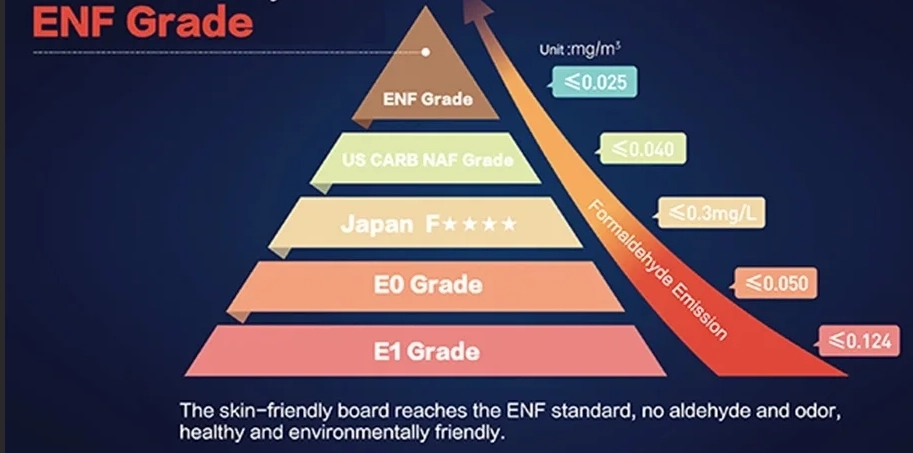
1. Super ENF-level environmental protection appears because zero formaldehyde enters the glue.
2. Class II strong waterproofing results so the board resists cold water immersion and short-term hot water immersion. After 24 hours in water, the absorption swelling rate reaches only 2 percent.
3. Magnesium oxide works as a strong flame retardant and gives the board a B1 flame retardant rating. The material undergoes carbonization instead of combustion when exposed to fire.
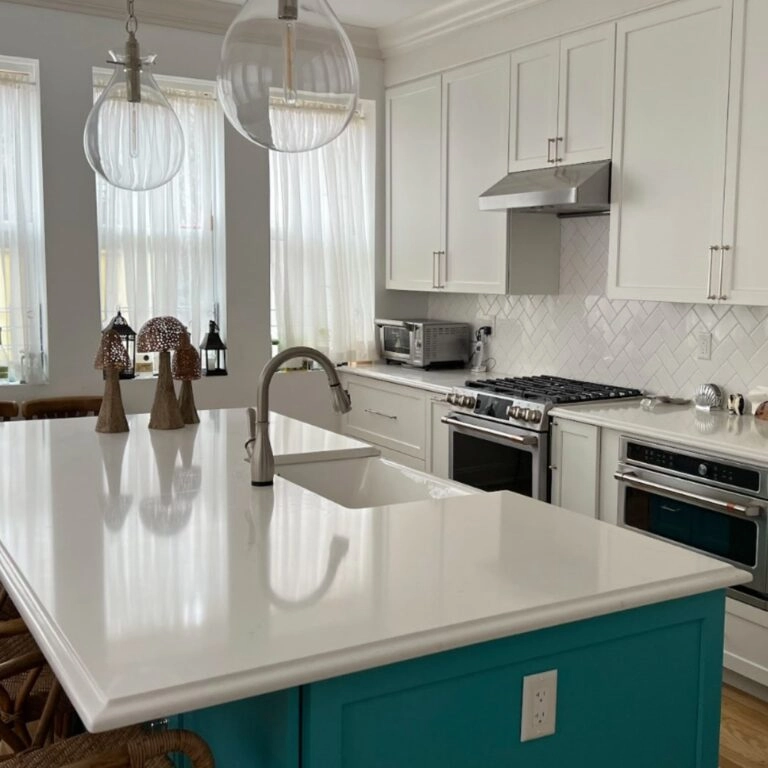
4. Durability stands out with a nail-holding force of 2040 that greatly exceeds ordinary boards. Customer feedback continues to support these claims. For example, a customer from the USA renovated a kitchen with QIANGYI PLYWOOD panels after a contractor’s recommendation and expressed high satisfaction with the quality and final results.
Exact thickness of materials remains essential for precise woodworking and seamless joinery. Nominal fractional measurements seldom match the physical thickness of the board. For high-end custom cabinetry, cut lists must rely on exact metric dimensions to achieve perfect alignment. For instance, the 18mm QIANGYI PLYWOOD panels maintain a controlled thickness tolerance between 17.7 mm and 18 mm. Thickness uniformity of a single sheet stays around 20 microns, while uniformity of the entire batch remains within 30 microns. These exact measurements avoid uneven joints and guarantee a professional finish.
The suitability of this thickness depends completely on the construction style of the units. Traditional framed cabinets allow a 1/2 inch side panel because the solid wood face frame on the front supplies most of the structural rigidity. Modern frameless cabinets place all weight and structural stress on the box itself. In frameless designs, the thicker 18mm material for the entire box receives a strong recommendation. The selection of premium materials remains important in every style. QIANGYI PLYWOOD products earn recognition in the domestic engineered wood industry for high strength, soft fibers, and stable quality that come from large-diameter eucalyptus wood.
Mixing different thicknesses receives full approval and counts as standard best practice in professional cabinet making. A combination of thicknesses optimizes the strength-to-weight ratio of furniture while material costs stay under control. An efficient approach uses 18mm boards for primary structural elements such as side panels, bottom deck, and interior shelves. Transition to 12 mm or 15 mm boards for back panels, drawer sides, and drawer bottoms follows safely. This mixed-thickness strategy delivers rock-solid performance where strength matters most while the unit stays light enough for installation without extra physical strain.
The thicker 3/4 inch or 18mm boards deliver clearly superior screw-holding power for all types of cabinetry hardware, especially door hinges and drawer slides. Heavy cabinet doors create a significant pulling force on hinge screws over time. A thicker board supplies more material depth, so screw threads gain a firm grip. Hinges avoid loosening, and doors stay free from sagging. The adhesive technology improves this grip. Glutinous rice glue from QIANGYI PLYWOOD forms a dense crystalline structure after curing and therefore supplies extremely strong rigidity. Nail-holding force reaches 2040, so hardware remains firmly anchored even after years of daily use.
Sink bases and bathroom vanities face frequent plumbing leaks and high ambient humidity. The absolute best material for these difficult environments includes advanced water resistance and anti-mold properties. QIANGYI PLYWOOD glutinous rice glue functional panels are engineered specifically for these conditions. Class II strong waterproof rating allows easy resistance to cold water immersion. Highly permeable glutinous rice glue penetrates deep into wood fibers, fills all gaps, and stops water molecules from causing expansion. These boards also carry a Level 0 mildew resistance rating and an antibacterial rate greater than 99 percent. Wet-area cabinets therefore stay hygienic, structurally sound, and completely free from harmful mold growth.
Please fill out the form below and we will get back to you as soon as possible.




Leave a Comments