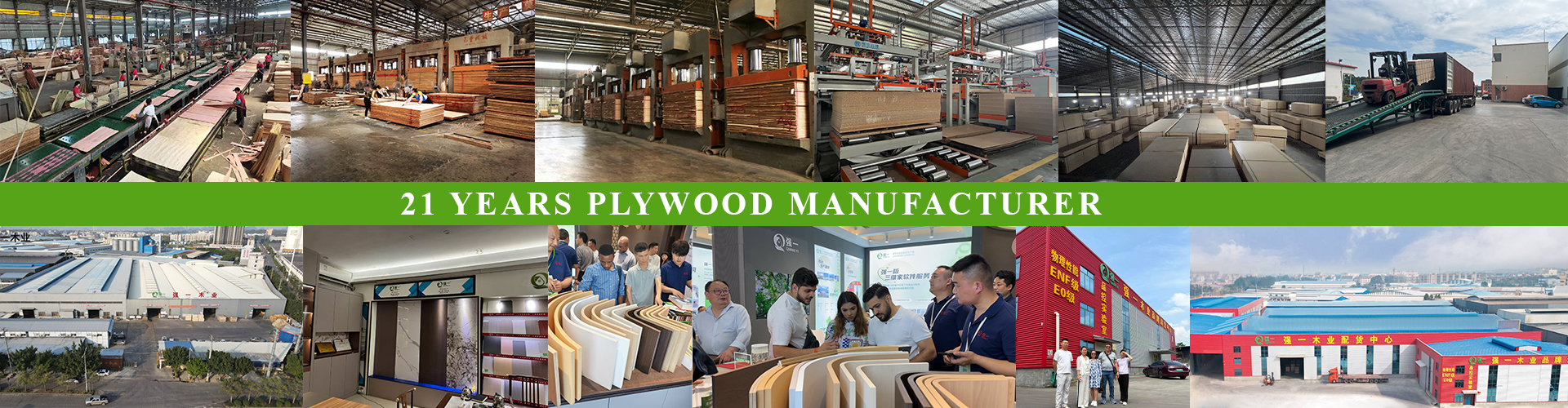
Yes ,We are manufacturer which locate in Guigang, Guangxi, also in Dongguang, Guangdong. Factory is started in the year of 2004 with more than 20 years experience for plywood production.

 Qiangyi
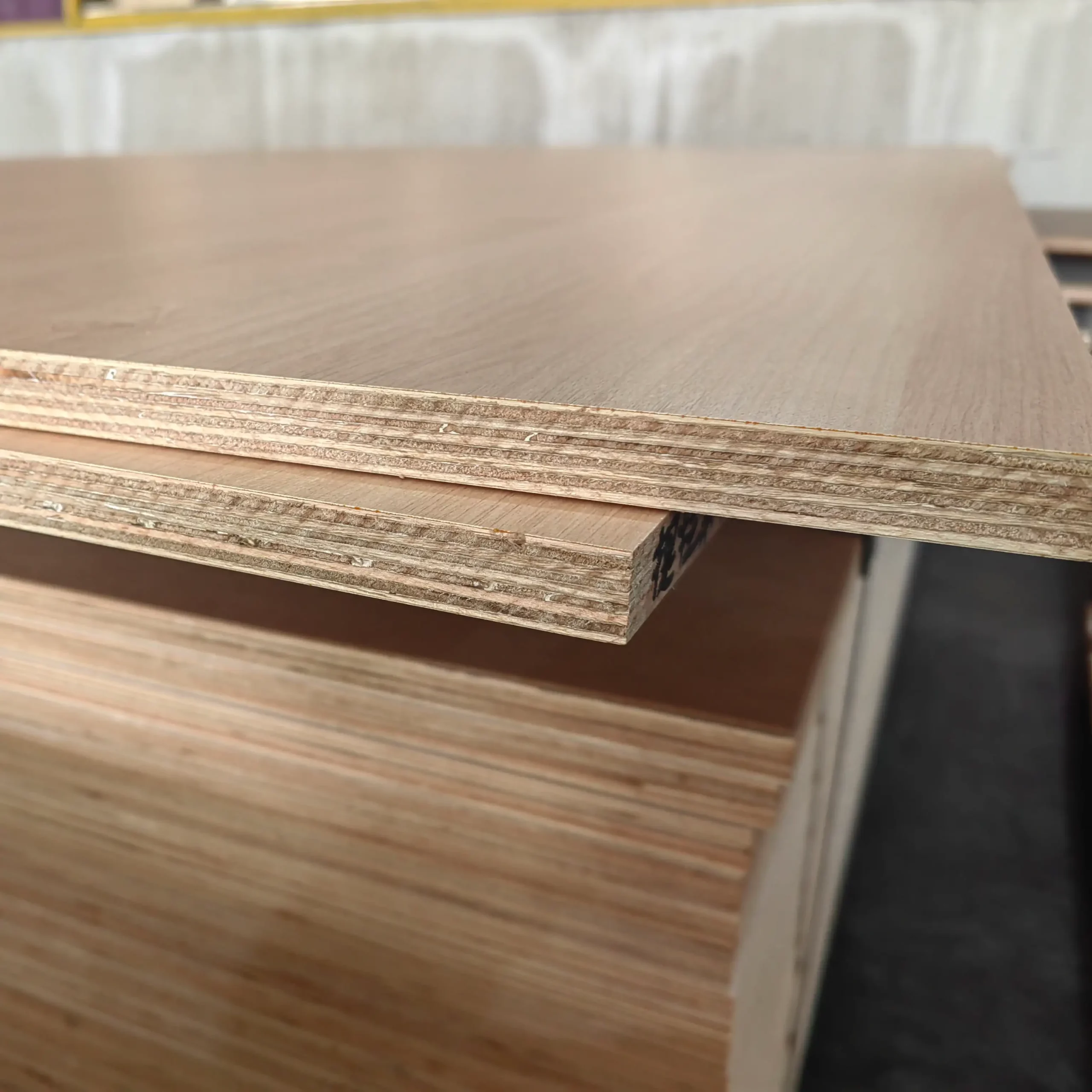
Picking between 3/4 and 1/2 plywood ranks as a vital choice in cabinet building. The thickness directly affects cabinet strength, stability, and appearance. And an informed decision weighs structural soundness against budget and style options.
In standard woodworking work, 1/2-inch plywood works well for cabinet backs, drawer bottoms, and non-load-bearing dividers. The material remains light but steady for those tasks. 3/4-inch plywood builds the main frame for most cabinet boxes, doors, and shelves.
Before choosing the proper sheet size, builders benefit from grasping how these two usual picks vary in performance and handling.
For load-bearing power, 3/4-inch plywood delivers more firmness than the slimmer type. The material withstands bending under heavy weights or long reaches—key for holding countertops or dishes. 1/2-inch plywood could sag in time if applied to extended shelves lacking extra support. Thicker panels also handle screws more securely and resist warping caused by moisture fluctuations.
A basic comparison clears things up:
| Feature | 1/2-Inch Plywood | 3/4-Inch Plywood |
| Rigidity | Moderate | High |
| Load Capacity | Light | Heavy |
| Fastener Grip | Fair | Excellent |
| Ideal Use | Drawer bottoms, backs | Boxes, shelves |
Weight shapes how simple the installation turns out. 3/4-inch plywood carries more weight—suitable for firm cabinets but hard to shift during setup. 1/2-inch plywood stays lighter and simpler to slice or manage at the site. For minor jobs or top cabinets with common lifting, slimmer sheets ease tiredness. Slimmer sheets avoid safety risks if backed correctly.
Selecting between the two sizes also affects overall project budgets.
Sturdier panels cost extra per square foot. The reason involves greater raw material use. Builders seeking to limit outlay blend both sizes in a smart way. Builders apply thick sheets where strength matters most. Builders use slim sheets in other areas. This mixed method upholds standards. This mixed method controls spending.
For example, matching 3/4-inch sides with 1/2-inch backs can cut total material spending by up to 15–20% based on design details.
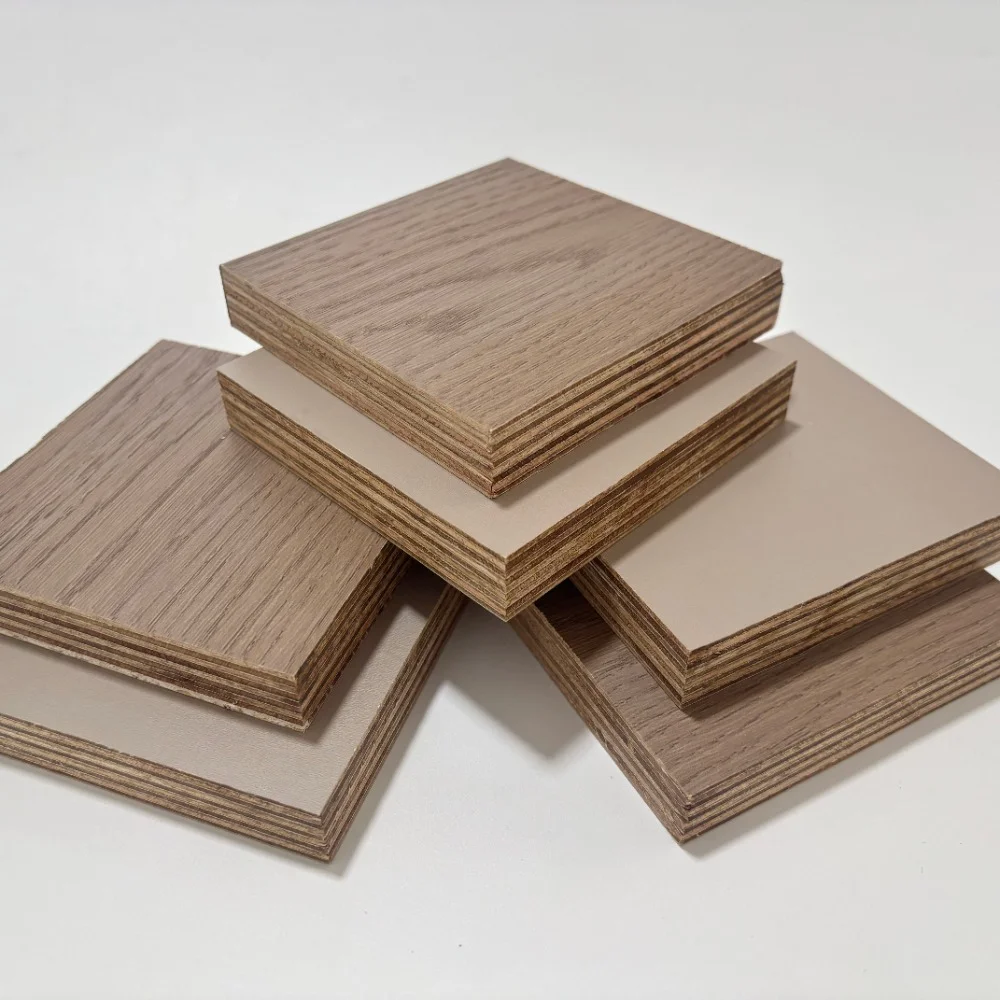
While initial costs differ, long-term value favors thicker panels in high-use areas like kitchens or bathrooms. Cabinets from 3/4-inch plywood hold shape longer. The material fights loose joints or dropping shelves. As time goes on, this toughness means fewer fixes. This toughness means smaller upkeep bills.
Its function includes waterproof, fireproof, anti-scratching, high bending strength etc. These qualities add much to the lasting nature of sturdier cabinet builds from fine materials such as melamine-faced plywood.
Beyond structure and cost, visual appeal also depends on panel thickness choices.
Sturdier edges send a strong, high-end vibe that matches classic or upscale rooms. Slimmer panels shape smooth lines, perfect for basic modern setups. Edge banding techniques refine either option—concealing exposed layers while maintaining consistent style across components.
Both thicknesses handle paints, veneers, or laminates well. Surfaces must stay smooth and dirt-free. The surface treatment options include matte, textured, glossy, embossed, or magic. Sturdier panels support deeper edge work like bevels or carved outlines. Such work boosts craft quality.
Cabinet makers blend both types in one job based on the role.
Cabinet sides, tops, bases, and load-bearing shelves gain from extra firmness in sturdier sheets.
The material bears weight from dishes, cookware, or appliances without deforming over time.—a key factor in kitchens where durability matters most.
Slimmer sheets suit cabinet backs or drawer bottoms. Structural pressure stays low there.
Builders often select thinner sheets when working within tight budgets or creating temporary furniture solutions that don’t require decades-long endurance.
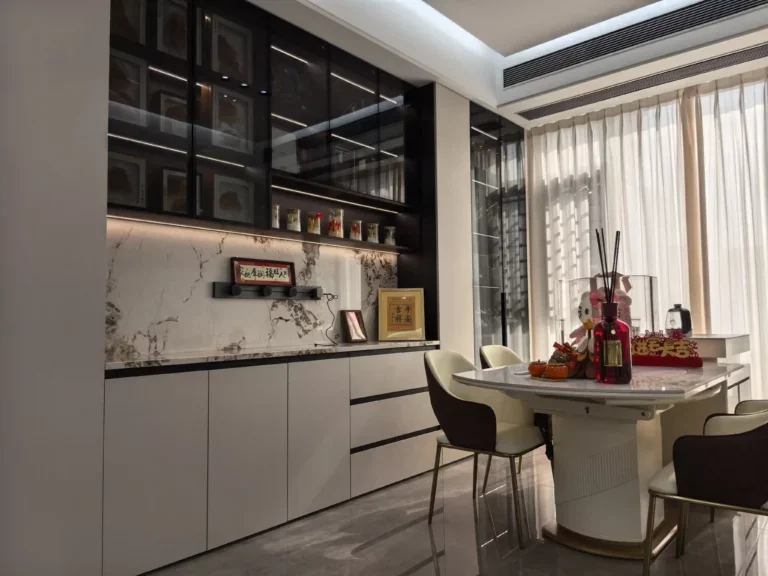
Outside factors shape which pick works best in the long haul.
Kitchen cabinetry needs tougher materials than display shelving. Frequent handling and heat or humidity contact demand this.
Moisture amounts affect how each thickness acts over the years. The glue meets ENF, E0, or E1 standards. Water-resistant adhesives like these block delamination. Damp spots in bathrooms or coastal zones see this benefit.
Hardware like hinges and screws act by panel depth. Thicker panels will exhibit superior nail-holding power compared to thinner boards. This ensures steady fastening in door swings.
Skilled carpenters blend both sizes in a single build. This evens out performance elements.
A blended method works. Builders use 3/4-inch panels for structure. Builders apply 1/2-inch sheets for minor sections. The way saves resources well.
Strengthened joints with dowels or pocket screws help. High-grade finishes pair with them. These extend service life no matter the panel thickness. Routine sealing cuts moisture uptake. Moisture uptake might twist slimmer boards in time.
A: Kitchens face regular use and moisture shifts. Sturdier panels like 3/4 inch supply better firmness and screw-holding power than slimmer ones. Minor sections like backs can take 1/2 inch boards. These 1/2 inch boards do not lose overall stability.
A: Yes. Sturdier boards need more raw material. The boards cost more per sheet, but the boards often give a longer service life. This offsets starting expenses with fewer upkeep needs over time.
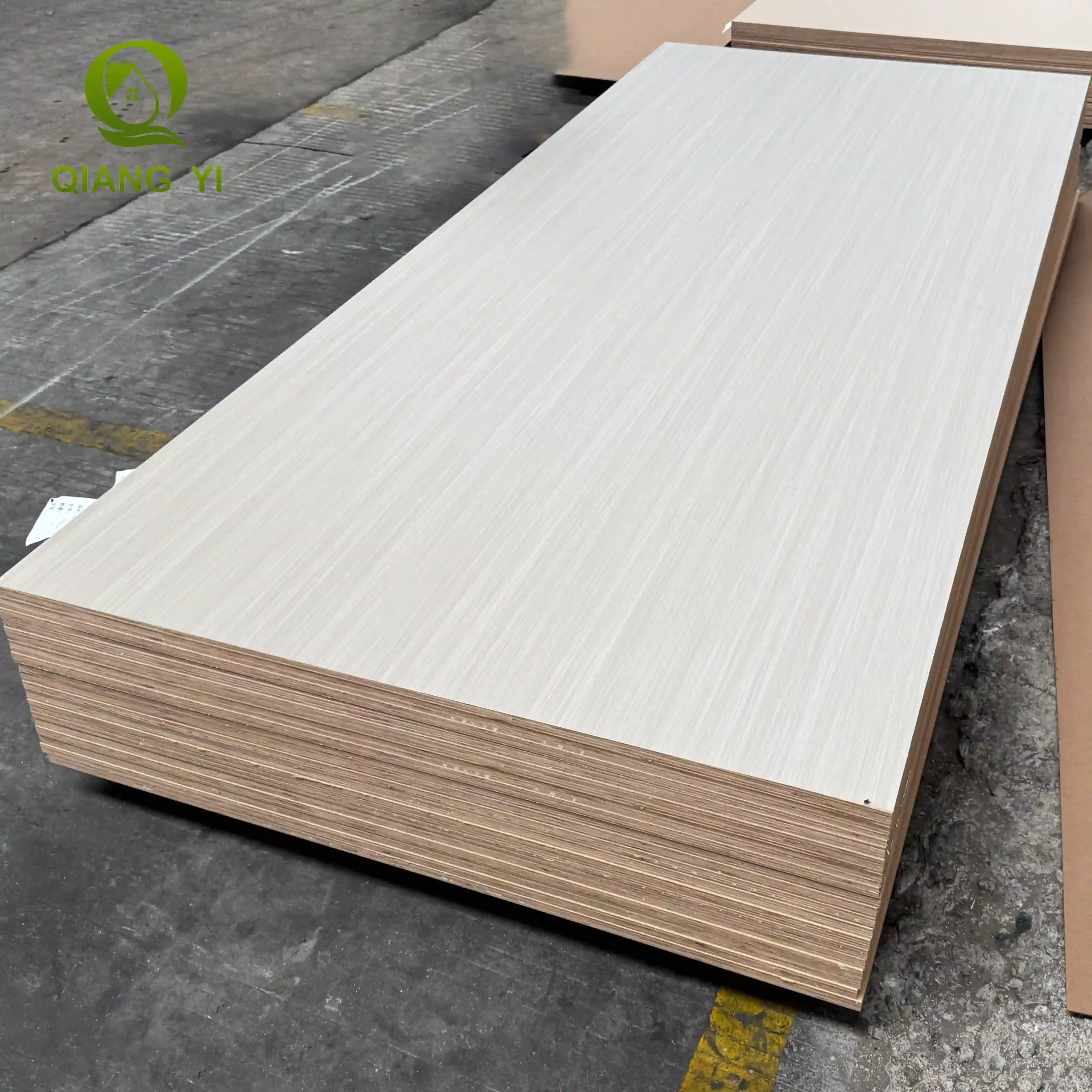
A: QIANGYI PLYWOOD produces glutinous rice glue plywood featuring eco friendly bonding technology that meets modern indoor air standards while maintaining excellent structural stability across various furniture applications. This “Nine-sided Warrior” utilizes formaldehyde-free Lingmei glutinous rice glue—composed of food-grade rice starch, magnesium chloride, and magnesium oxide—to achieve a Super ENF environmental rating and a completely odorless finish that allows for immediate occupancy. Engineered for durability, this material boasts a strong nail-holding power of 2040MPa. It includes proprietary anti-deformation technology as well. These qualities make it a top pick for preventing warpage in tall cabinet doors.
A: For permanent installations such as kitchens or bathrooms,the 3/4 inch option delivers superior longevity thanks to its load capacity and resistance to wear. Combining both sizes strategically gives optimal results at balanced cost levels across different components.
Please fill out the form below and we will get back to you as soon as possible.




Leave a Comments