
製品
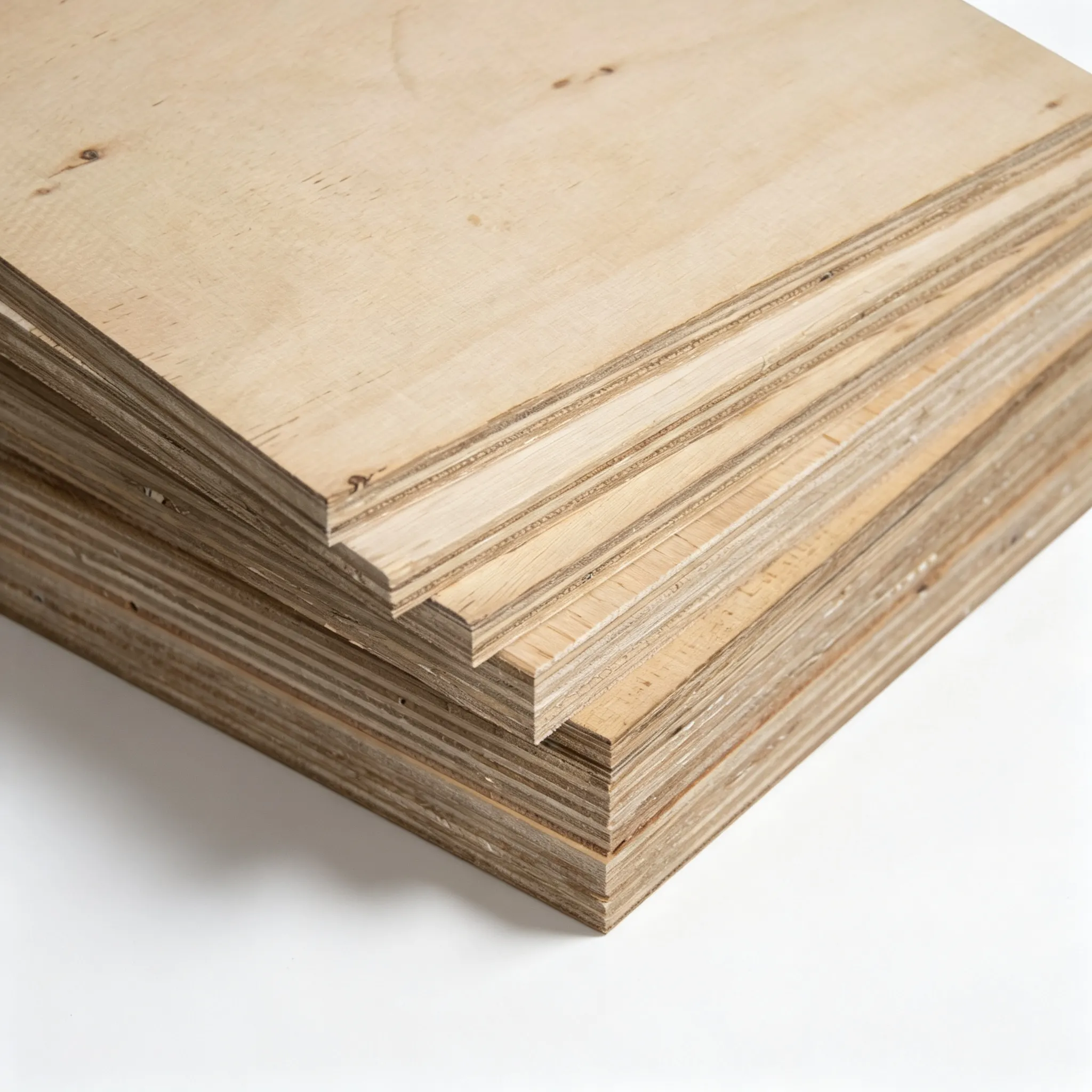
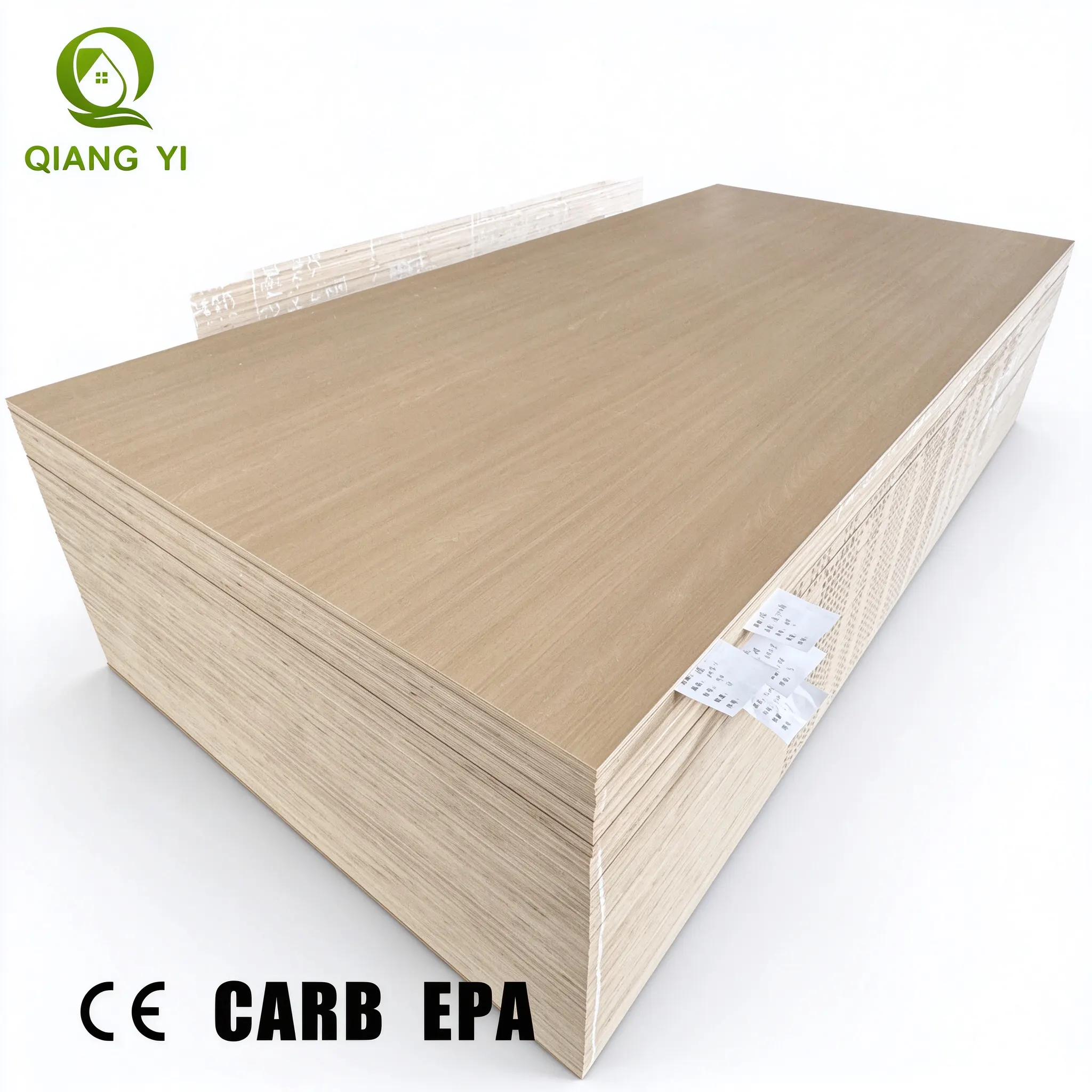
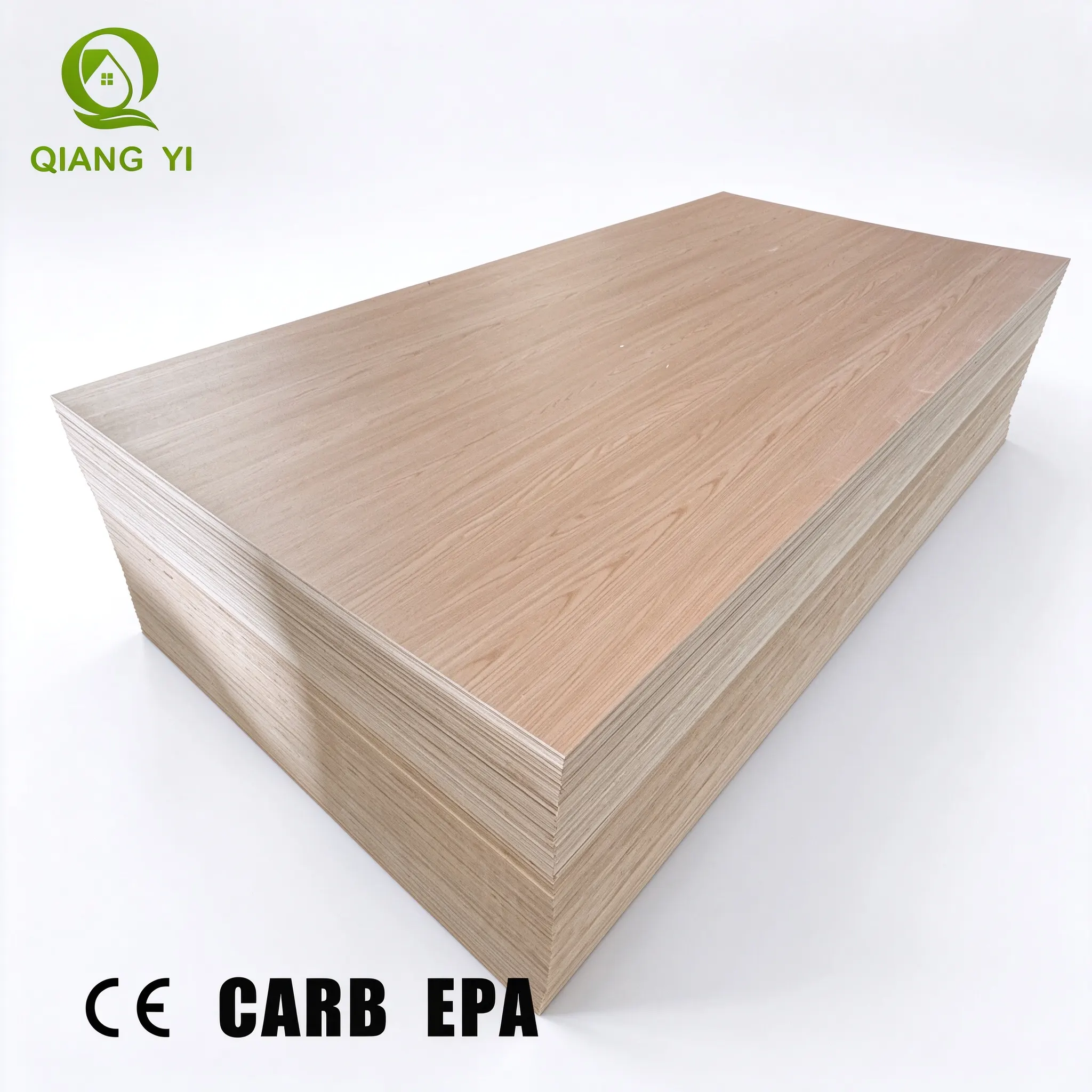
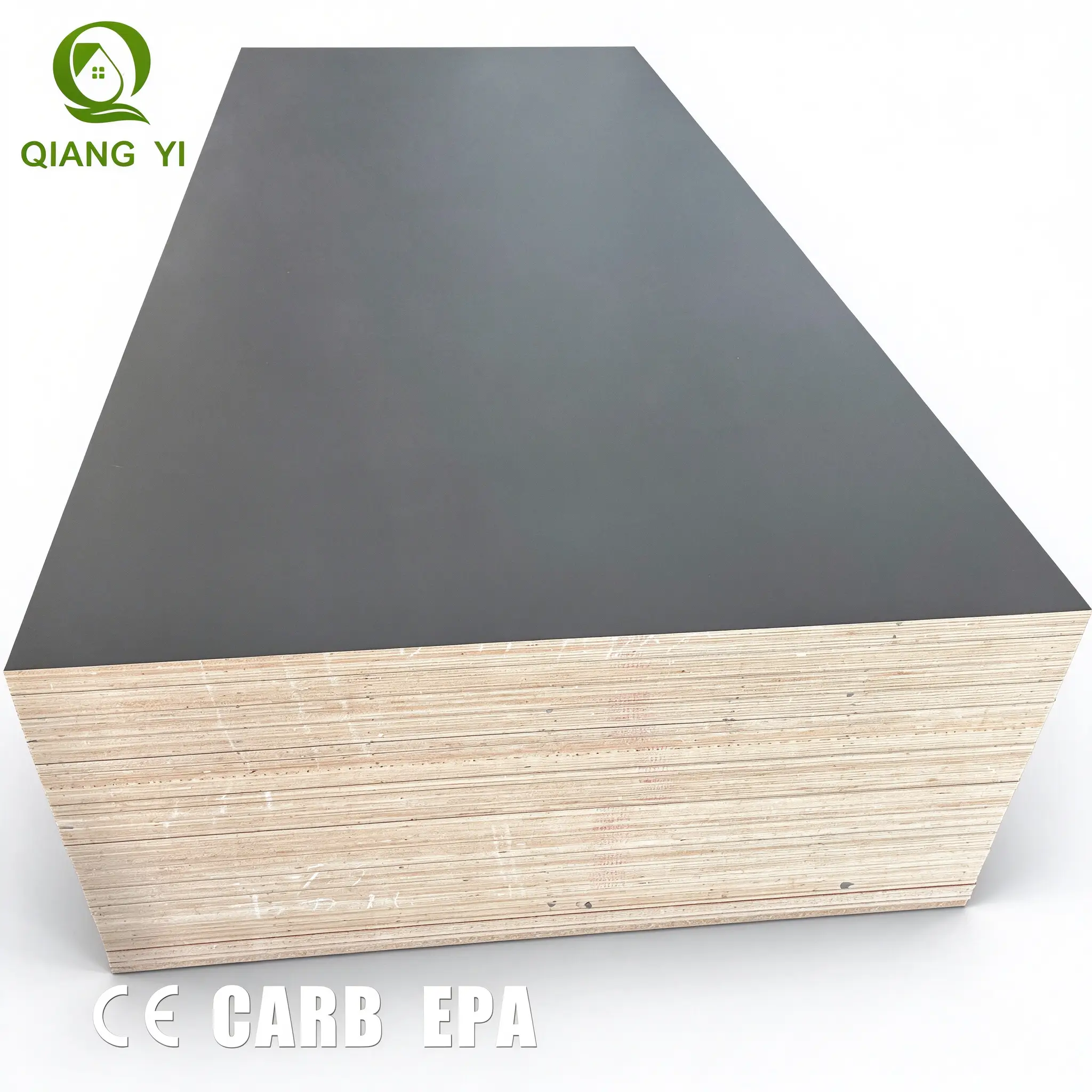
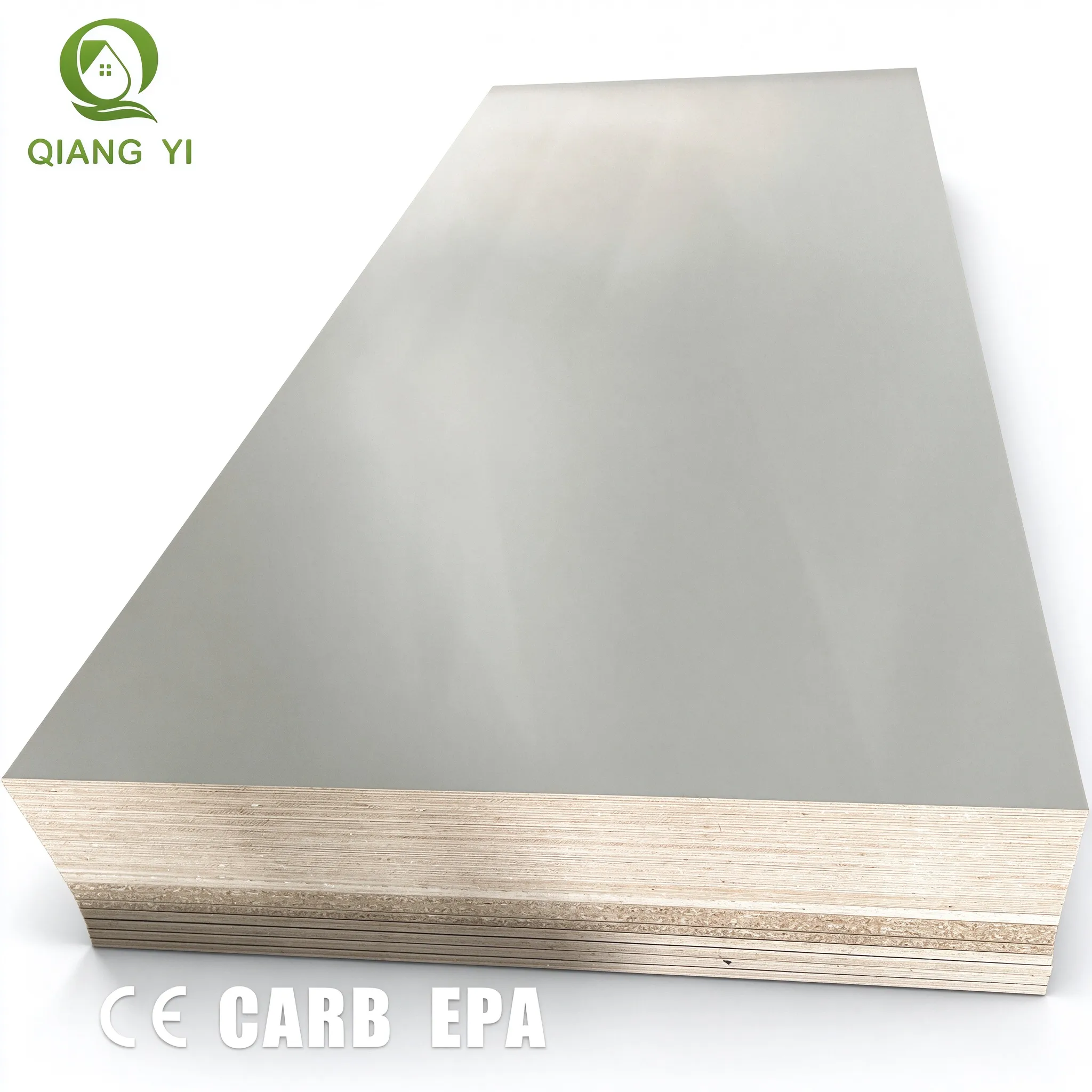
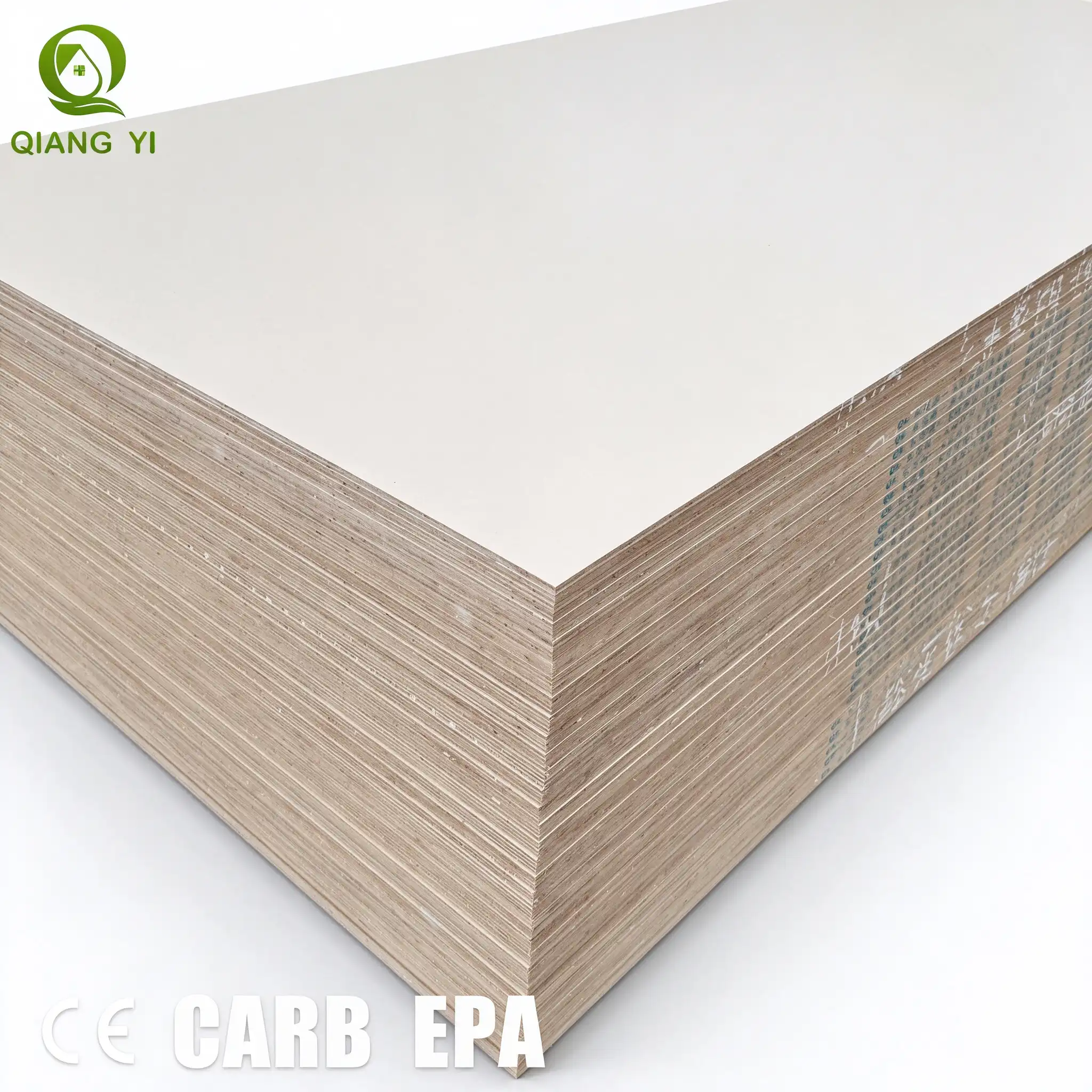
Eco-Friendly Eucalyptus Multi Purpose Board Waterproof Fire-Resistant Termite Mold & Warp Resistant
Qiangyi Glutinous Rice Glue Multi Purpose Board
Starting from a full eucalyptus core, it allows customized homes to balance environmental protection and durability
When choosing furniture boards, one should not only look at the surface color, but also consider the differences in manufacturing processes between plywood and why there are differences.
Qiangyi glutinous rice glue multifunctional board is a second-generation Multi Purpose Board manufactured using a full eucalyptus core and glutinous rice glue system. The product focuses on daily life needs such as environmental protection, waterproofing, termite prevention, durability, and safety, aiming to integrate multiple functions into the board, providing a comprehensive choice for indoor applications such as wardrobes, cabinets, furniture, and wall panels.
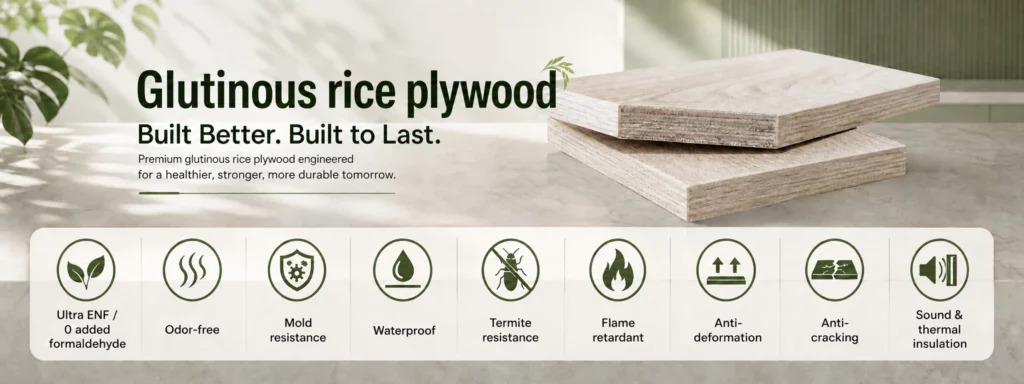
From core materials to adhesives, focus on invisible quality
The product is made of 100% eucalyptus wood core, combined with glutinous rice glue system, and adopts a fully connected core manufacturing process. For customized furniture, the board is not only the substrate that carries the finish, but also an important component that affects the long-term performance of the finished product.
In terms of environmental protection, the product adhesive adopts a formula direction without adding formaldehyde. Achieve ENF level environmental protection, making indoor air environment safer and healthier.
The glutinous rice glue Multi Purpose Board is formed by 24-hour cold pressing and combined with a 60 hour drying process in a drying room. From bonding to molding and drying, the product focuses on resistance to deformation, moisture, and cracking as key performance directions, paying attention to the performance of furniture after installation and in daily use.
Multiple functions to meet the material needs of different spaces
Kitchen cabinets focus on waterproof performance, wardrobes and storage cabinets focus on board stability, and children’s room furniture pays more attention to environmental performance.
The Qiangyi Glutinous Rice Glue Multi Purpose Board covers functions such as ENF environmental protection, waterproof and moisture-proof, mold and antibacterial, insect and termite prevention, deformation and cracking resistance, as well as flame retardancy, thermal insulation and sound insulation. When selecting materials, we don’t have to go to great lengths to choose different plywood according to different spaces. A glutinous rice glue Multi Purpose Board can meet all the space usage needs.

| 厚さ | 5mm/9mm/12mm/15mm/18mm/25mm |
| コア材 | AAグレードのフルユーカリ |
| 表面 | メラミン紙/マット/光沢 |
| 水分 | 8-12% |
| 証明書 | CARB-P2/EPA/CE/FSC/ISOなど |
| 厚さ公差 | +0.2mm /-0.5mm |
| 層 | 5プライ/9プライ/11プライなど |
| 環境グレード | ENF/E0/E1 |
| 応用 | 室内装飾品/キャビネット/ワードローブ/家具など |
Welcome to provide your application scenarios, size and thickness requirements, consult corresponding product specifications, samples and testing information, and find suitable sheet solutions for the next customized project.
Product common problems
1. Is the glutinous rice glue multifunctional board made of glutinous rice?
Glutinous rice glue “refers to the adhesive system used, rather than plywood core material. We use 100% eucalyptus core material as the core.
2. What products is this board suitable for?
Uses include furniture, cabinets, wardrobes, storage cabinets, and wall panels. The board can adapt to all home environments.
3. Does the absence of formaldehyde in ENF or adhesive mean that the finished board does not release formaldehyde at all?
Formaldehyde free benzene addition “is the adhesive we use in production, and the formaldehyde emission of plywood itself is close to that of natural formaldehyde.
4. Does having moisture-proof function mean that edge sealing and waterproof treatment are not necessary?
A complete waterproof and moisture-proof system requires edge sealing treatment.
5. Can the size and thickness be selected according to the project requirements?
It can be selected according to the size and thickness provided in the catalog; Non catalog specifications require further confirmation of supply and customization conditions.
Main products: Marine plywood, Melamine plywood, Melamine blockboard, Melamine Chipboard, Melamine MDF board, Film face plywood, Edge banding, Furniture accessories
Qiangyi Glutinous Rice Glue Multifunctional Plywood with 9-in-1 Protection
Discover Qiangyi Multifunctional Plywood, a Glutinous Rice Glue Multi Purpose Board designed for moisture resistance, anti-mold performance, dimensional stability, fire resistance, and comfortable interiors.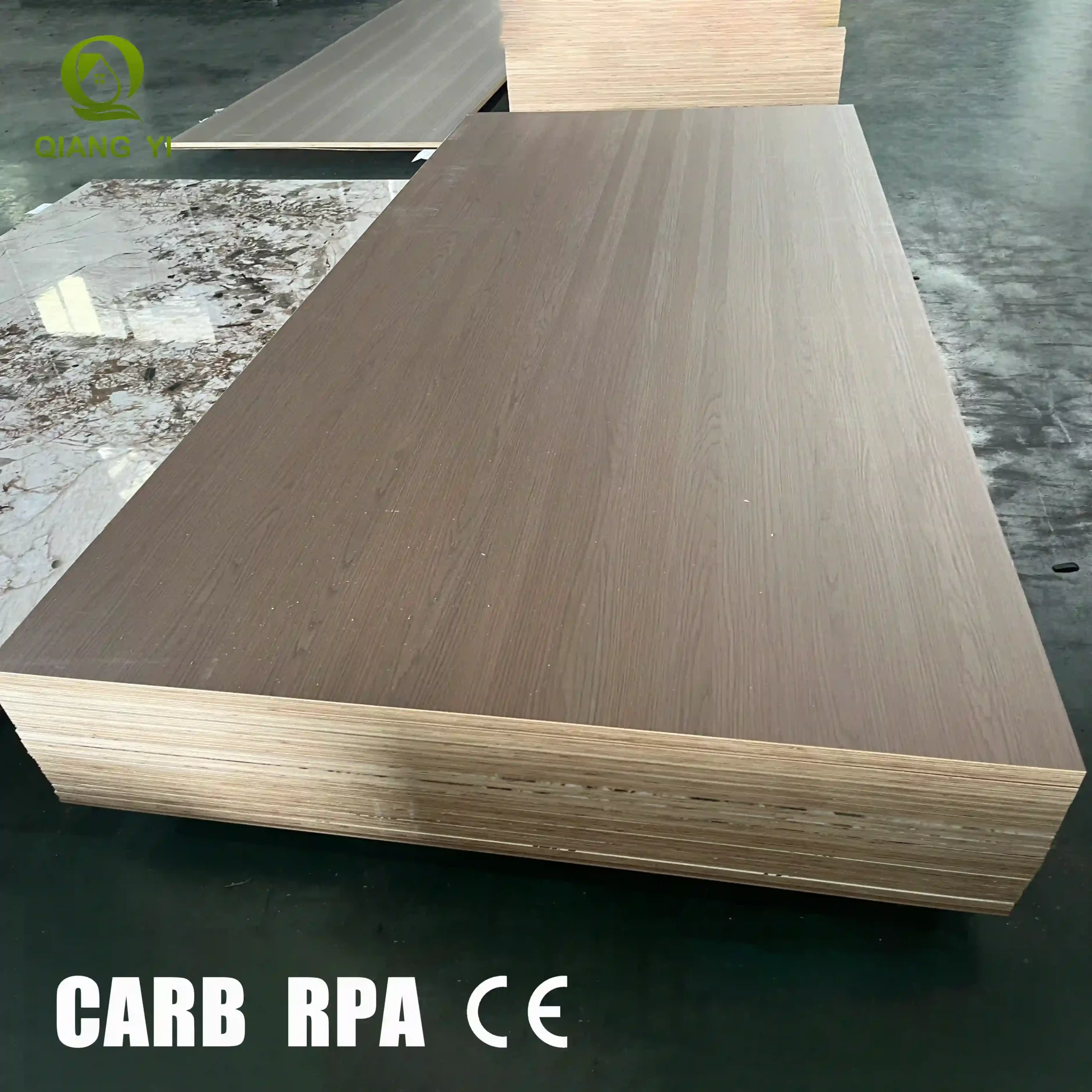
18mm All-Weather Plywood for Kitchen Cabinets Ultra-ENF Grade 0 Mold Level 9.5 Anti-Termite Class B1 Fire
An 18mm eucalyptus-core panel built for wet kitchen interiors: 24-hour thickness swelling of 2.4% or less, zero-added formaldehyde to Ultra-ENF, Grade 0 mold resistance, Level 9.5 termite defense and a Class B1 fire rating — all in one sheet. Thickness is held at 17.7–18.0mm so CNC bits and edge-banders run without offset resets, backed by SGS/Intertek reports and written warranty terms on delamination, warping and termite damage.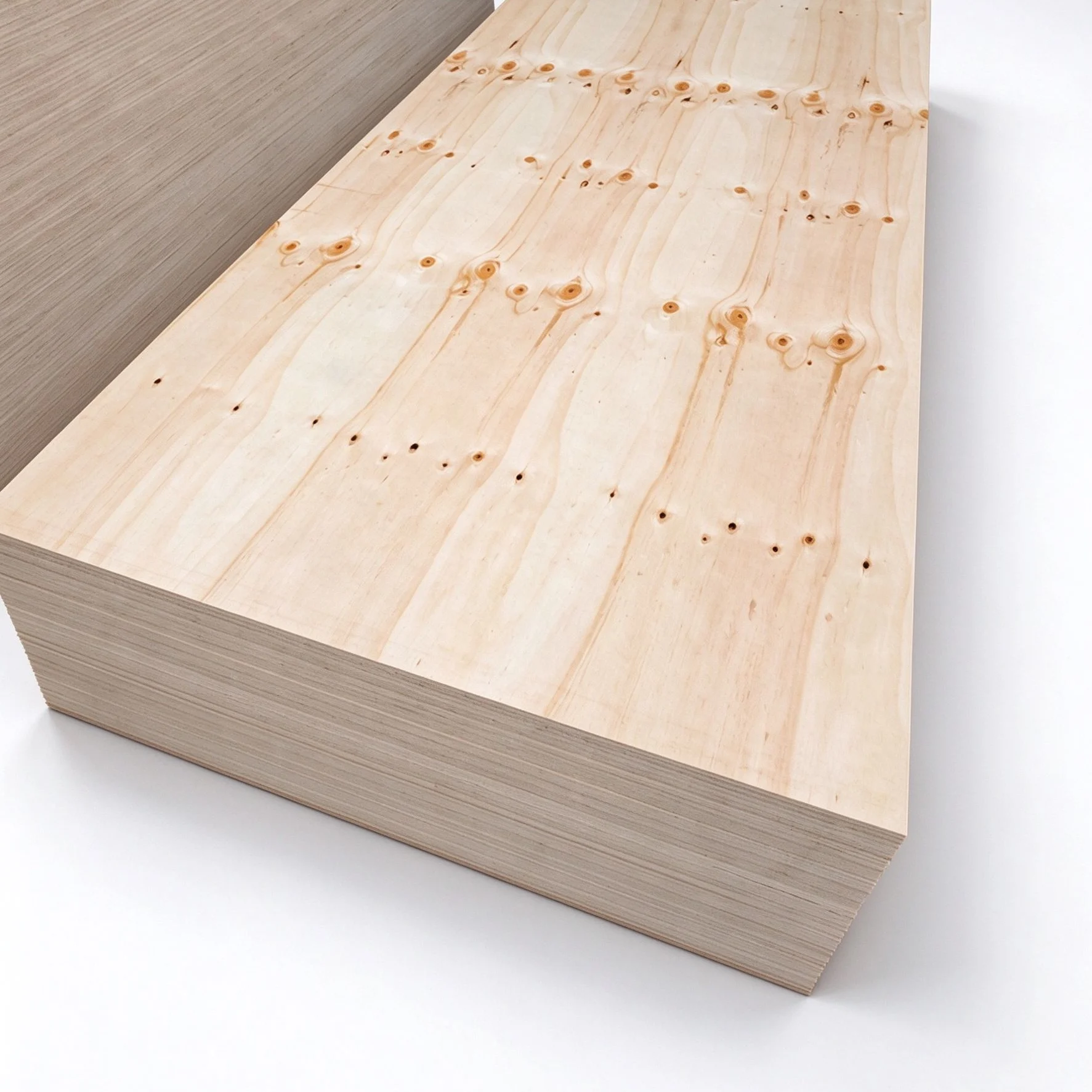
CDX plywood eucalyptus core for high-strength structures
Ultra high strength and environmentally friendly CDX plywood? Qiangyiplywood adopts a 100% eucalyptus core material and glutinous rice glue bonding system, which has ultra-high deformation resistance and load-bearing capacity. It is suitable for use in structures such as wardrobes, cabinets, and customized indoor furniture, and is a safe choice for indoor decoration applications
100% Eucalyptus Core Marine Grade Plywood 18mm Waterproof Plywood for Cabinet Doors & Kitchen Cabinets
18mm full eucalyptus core marine-grade waterproof plywood. Class II water resistance (24h swelling 2.4%), grade 9.5 termite resistance, super-ENF formaldehyde "not detected", anti-warp for tall cabinet doors. Made in our own Guigang factory since 2004. FOB Qinzhou, ships to Manila in 7–10 days.
キャビネット用、100%ユーカリ材メラミン化粧合板
ユーカリ合板とは何ですか? ユーカリは、高密度で優れた安定性を誇る広葉樹です。ポプラに比べて釘の保持力と耐荷重性に優れ、シロアリや湿気に対する自然な耐性も備えています。屋内家具と屋外建築の両方の用途に適しています。一般的には1220×2440mmと1220×2800mmの寸法で販売されていますが、特注仕様を含め、様々な厚さで製造可能です。合板は総厚に関わらず奇数枚の単板層で構成されており、この構造により材料の構造的完全性と全体的な安定性が向上しています。
防水性のあるもち米糊を使用した船舶用合板(芯材100%ユーカリ材)は、ワードローブやキャビネットに最適です。
もち米糊合板は、シロアリの問題を解決しながら、プロジェクトコストを30%削減できるのはなぜでしょうか?こちらをクリックして、もち米糊合板と船舶用合板の技術的な違いについて学びましょう。Get more information about the plywood
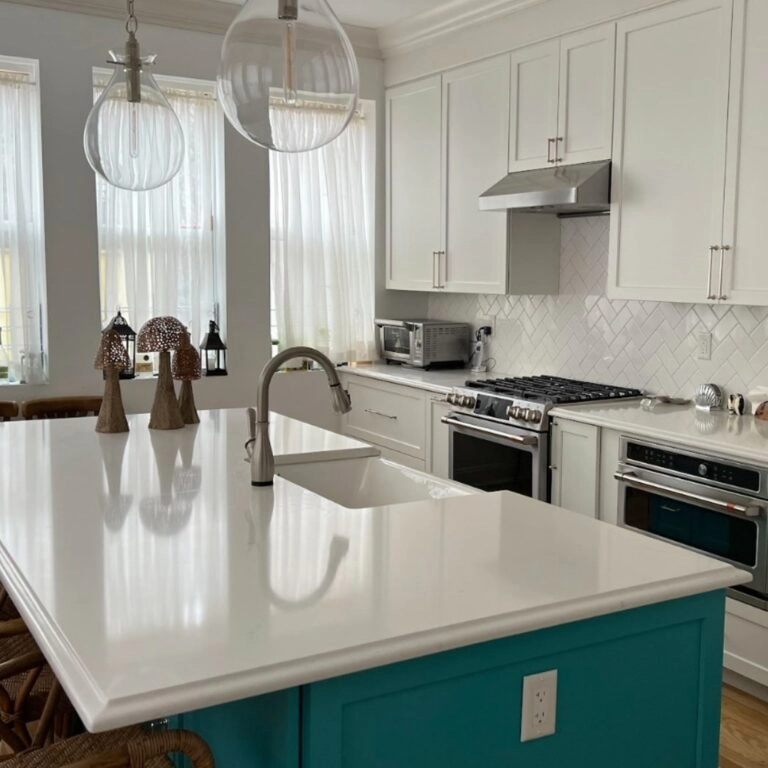
Mold-Resistant Plywood Sourcing Guide for Cabinet Manufacturing in Humid and Coastal Regions
1. Where Cabinet Manufacturers Face Mold-Related Board Problems Kitchens, bathrooms, and coastal interiors Tropical and coastal areas often have warm air and poor airflow. Wet cleaning routines, plumbing leaks, and daily condensation easily make cabinets damp. Sink units and bathroom vanities face high moisture risks. Laundry storage and base cabinets are also highly vulnerable. Wardrobes placed against poorly ventilated walls face similar threats. A panel might look perfect when it leaves the factory. However, it can still develop dark spots and musty odors after installation. Swollen edges are another common issue. Back panels and cut edges remain particularly vulnerable. These areas usually lack the strong protection found on the decorative face. The cost is higher than a stained panel Moisture damage often forces builders to replace cabinet sides and doors. This means repeating the installation process. It also requires paying for extra transport and labor. Such delays can seriously disrupt project handovers. Consequently, homeowners, developers, and distributors will likely complain. The real business risk involves heavy warranty costs and lost production time. Damaged client referrals hurt much more than just a ruined appearance. 2. Why Mold Develops in Plywood in Humid Markets Moisture reaches exposed edges and the core Wood fibers naturally absorb moisture from humid indoor air. They also take in water from direct contact. If a panel remains damp, mold will likely grow. Swelling can easily open up joints. It might also weaken the internal layer bonds. This allows trapped moisture to stay inside the wood. The overall risk depends heavily on the chosen adhesive and core quality. Moisture conditions, edge sealing, proper installation, and regular maintenance also play vital roles. Surface protection cannot compensate for weak construction Melamine facing only offers surface-level water resistance. It cannot stop moisture from entering through edge-banding gaps. Hardware mounting holes and cut surfaces on back panels are also weak points. You might compare marine board, laminated marine plywood, and ordinary plywood. Always check the waterproof classification carefully. You should also demand independent anti-mold evidence. Standard marine-board testing focuses mostly on bond strength during boiling-water exposure. These tests do not automatically require specific anti-mold or antibacterial treatments. Surface mold can still grow quickly in stagnant, highly humid rooms. Never assume that the word “marine” guarantees a mold-proof product. 3. What to Look for in Mold-Resistant Plywood Check core quality and continuity Cabinet carcasses, shelves, and doors require careful inspection. Check if the core uses a single wood species or a mixed blend. You must also see if the veneers are tightly arranged. A full eucalyptus core offers good strength and density. However, the wood species alone does not guarantee mold resistance. Always inspect the panel cross-section. Look closely for hidden gaps, empty voids, and weak bonding. Evaluate adhesive, moisture resistance, and test evidence Before buying, you should confirm these details: The specific core material and the exact construction method. Actual waterproof or moisture-resistance test results for your intended use. A separate anti-mold test report, which must include the sample description and performance grade. Consistent board thickness, overall flatness, and stable moisture content. Clear guidance for properly sealing edges, joints, and installation penetrations. The term “waterproof plywood for kitchen” does not represent a single universal grade. Class II waterproof performance often suits humid furniture applications well. However, this rating does not mean a cabinet can sit in standing water. It also cannot survive indefinite immersion. 4. How QIANGYI PLYWOOD Addresses the Risk Full eucalyptus core and fully interlocked construction Our glutinous rice glue plywood features a 100% full eucalyptus core. We do not use a cheaper poplar-eucalyptus combi core. Our factory selects premium Grade A material for production. We apply a fully interlocked core construction method. This involves a continuous cold- and hot-pressing process. As a result, the core contains no empty voids or overlapping gaps. Its cross-section remains tightly packed, much like solid wood. This solid structure creates a very flat substrate. It offers excellent resistance against edge chipping during CNC carving, grooving, and drilling. It also performs exceptionally well for PUR edge banding. Glutinous rice adhesive and controlled processing Our process uses Lingmei glutinous rice adhesive. This material is made from glutinous rice flour, magnesium chloride, magnesium oxide, and water. Once it cures, the glue builds a thick shield around the wood fibers. This step blocks the tiny channels where water normally enters. The magnesium-based parts set up an alkaline setting. Also, the deep soaking of the glue manages dampness very well. These actions work together to stop mold from growing easily. The standard moisture-content specification for this item sits at 8%–14%. Please check and confirm the exact needs for your specific order. Please see our AA wood-core waterproof melamine-faced plywood for furniture to explore a specific product option and view detailed finish choices. 5. Evidence and Purchasing Value for Humid-Market Projects What the test report says A testing document examines an 18 mm glutinous rice glue plywood sample. QIANGYI PLYWOOD provided this specific material. The evaluation followed the JC/T 2039-2010 standard. According to the results, the board achieved an anti-mildew rating of Grade 0. Furthermore, it showed an antibacterial rate of more than 99%. The document clearly explains that Grade 0 means there is no mildew present. For the antibacterial part of the test, the researchers used Escherichia coli and Staphylococcus aureus. At the same time, the anti-mildew assessment involved several types of fungi. This group specifically included Aspergillus niger. You can ask us to verify the test report for your specific product choice. Kitchen and bathroom projects require extra attention. Therefore, you should also review the Class II waterproof test results. Pay close attention to the reported 24-hour water absorption data. The official thickness-swelling rate sits at no more than 2.4%. A Philippine distributor’s market experience A Philippine distributor first contacted our team online in early 2026. This client later visited our official booth at the Canton Fair in March. After reviewing our physical samples, the buyer placed an initial order in April. That first shipment featured a single color design. Following the successful delivery, the ENF grade and smooth surface finish really stood out. The impressive waterproof and termite-resistance features also quickly attracted local cabinet and furniture customers. You might need to compare marine plywood vs. ordinary plywood for a project. Always match the core type and adhesive quality to your needs. You must also align the moisture resistance and anti-mold evidence with the finished furniture’s actual environment. Make sure to confirm the exact application and board thickness. Check the face design, edge treatment plans, and laboratory reports carefully before ordering. Meet QIANGYI PLYWOOD at THE 2026 GUANGXI INTERNATIONAL FOREST PRODUCTS AND WOOD PRODUCTS EXHIBITION. You will find us at Booth D5T-06. The event takes place at the Nanning International Convention & Exhibition Center from November 21–23, 2026. 6. FAQ Q: Will QIANGYI PLYWOOD Glutinous Rice Glue Functional Laminate Plywood get moldy? A: The panel successfully prevents mold growth under normal indoor conditions. This includes the high humidity and slight condensation typically found inside kitchens and bathrooms. This protection comes from its Grade 0 anti-mildew performance and the dense, mildly alkaline adhesive layer. However, extreme conditions can still damage any wood-based panel. Severe, persistent plumbing leaks pose a massive threat. Prolonged immersion in standing water without proper airflow will also cause harm. You must ensure proper ventilation and thorough edge sealing to guarantee long-term durability. Q: Is it suitable for the humid environment of the South? A: Yes, it works very well. The board features a reliable Class II waterproof performance. It also boasts a reported 24-hour water absorption and thickness-swelling rate of no more than 2.4%. The material perfectly suits properly designed kitchen and bathroom cabinets. However, it cannot handle permanent water immersion. Q: Is marine plywood automatically mold-resistant? A: No, that is not necessarily true. Marine plywood standards, such as BS 1088, primarily evaluate structural bonding strength. They test this under highly demanding wet conditions. This often includes boiling-water exposure, which experts commonly discuss regarding WBP performance. These tests focus heavily on preventing layer delamination. However, this process does not establish any chemical or physical resistance against indoor fungi. Aspergillus niger is a prime example of such a threat. For modern cabinet applications, you should always request a dedicated anti-mildew report. Make sure it covers indoor fungi testing, such as an evaluation based strictly on JC/T 2039-2010. Q: Does a melamine face prevent mold inside plywood? A: No surface finish can completely protect every exposed edge or open joint. You must specify a highly suitable core and a reliable adhesive. Furthermore, installers must properly seal all cut edges, screw holes, and installation penetrations. Q: What should cabinet manufacturers confirm before buying mold-resistant plywood? A: Buyers must confirm the exact core species and verify the fully interlocked construction. You should also check the thickness consistency and moisture tolerances. Always review the waterproof classification, the official anti-mold report, and the surface finish quality. Finally, discuss the factory’s batch inspection arrangements. You need to request a physical sample. Then, check that all technical documents perfectly match the quoted product. You can easily reduce your sourcing risk today. Simply send us details about your target market and specific cabinet application. Please include your required size, board thickness, core choice, and surface preferences. Do not forget to mention your estimated order quantity. Our team can help match you with the perfect panel. We will provide all relevant test documents and quickly arrange physical samples. You can also meet us directly at Booth D5T-06 in Nanning from November 21–23, 2026.
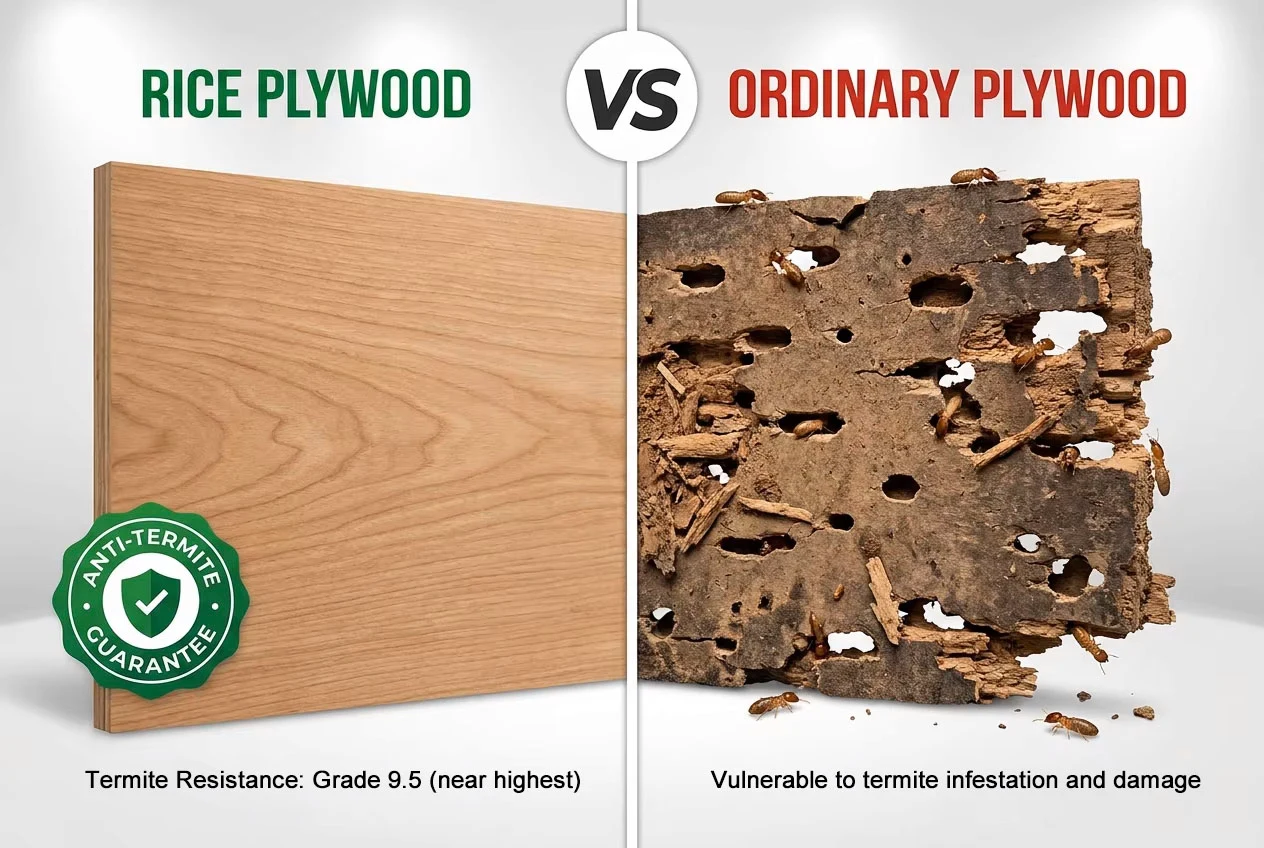
Termite-Resistant Plywood Checklist for Resort Contractors
A resort guest room might appear perfectly finished. However, hidden spots like wardrobes, vanity units, and decorative wood wall paneling remain highly prone to termite damage. Finding this issue after handover leads to the expensive removal of fitted furniture. It also requires repairs to nearby finishes. Meanwhile, interruptions to room turnover can directly hurt operating revenue. For general contractors and procurement teams working on tropical or coastal resort properties, termite-resistant plywood requires careful scrutiny at the sample-approval stage. It includes verification of reliable test evidence and on-site installation conditions, to reduce future risks. How Hidden Termite Damage Creates Costly Resort Fit-Out Problems High-Risk Areas in Guest Rooms and Built-In Furniture You should check wardrobes placed against outside walls. Also, inspect vanity units located near plumbing. Look closely at minibar cabinets and timber-lined service zones. These closed spaces can hide termite action for a long time. A neat laminate face does not show what is going on at a cut edge. It also hides issues at a screw hole or an exposed plywood core. Poolside bungalows might face constant moisture contact. At the same time, ground-level villas often have more connection points near plants and dirt. How Termites Turn Small Defects Into Project Costs Replacing a ruined cabinet side usually demands taking off custom cabinet doors. You also have to remove countertops, hinges, and nearby finishing trim. Suppose plywood from the same batch is installed across many guest rooms. In that case, a termite complaint in just one room might cause the temporary shutdown of an entire building for inspection. Contractors could then face drastically higher labor costs. They might deal with contractual claims for project delays. Disputes over supplier responsibility can also arise. Prevention begins by picking termite-resistant panels. These panels must be backed by compliant test reports early in the project. Why Ordinary Plywood May Fail in Termite-Prone Interiors Wood Fibers and Concealed Entry Routes Termites eat the cellulose found in wood. They can access hidden furniture spaces through tiny cracks in concrete. They also enter via openings around electrical conduits. Standard edge-banding strips offer only physical coverage. They cannot stop termites from attacking the inner veneers. Even a beautiful decorative surface leaves the wood fibers open to attack if the core lacks termite protection. Therefore, edge sealing needs to work together with the plywood’s own termite resistance. It should also be paired with a building-wide pest-management program. Why Marine and Melamine Plywood Need Separate Checks Is laminated marine plywood termite resistant? Not automatically. Marine-grade bonding is designed to endure specific moisture exposure. It is not, on its own, proof of insect resistance. Similarly, a melamine surface enhances looks and makes cleaning easier. However, it does not certify the inner core against termites. When you compare water and termite resistant plywood, make sure to ask for distinct results for each feature. Termite-Resistant Plywood Checklist Before Resort Procurement Verify the Test Report and Match It to the Order Do not accept a basic “termite proof plywood” claim. You must check the test method, report date, and sample description. Also, verify the thickness and rating. Match those specific details against the planned purchase. Keep the approved sample to compare it with the delivered sheets. Before you release a large order, write down the exact panel construction in the purchase specification. A similar-looking decorative finish placed on a different core should never count as an approved substitute. Project check What to confirm Test evidence Termite rating and the actual test conditions Product identity Core species, adhesive system, thickness, finish Delivery control Sample match, batch markings, packaging condition Installation Cut edges, penetrations, wall clearance, pest treatment Inspect the Core and Site Conditions Request a cross-section sample. Look closely for gaps between veneers. Check for uneven construction and damaged edges. For bathroom vanities, confirm exactly how splashes and pipe penetrations will be handled. For wardrobes set against external walls, review the building’s pest-management plan. A solid procurement checklist evaluates both the panel itself and the locations where it will be installed. How QIANGYI PLYWOOD Addresses Termite Risk Lingmei Glutinous Rice Glue and Tested Resistance Our glutinous rice glue plywood utilizes Lingmei adhesive. This glue is made with glutinous rice starch, magnesium chloride, magnesium oxide, and water. The cured adhesive creates an alkaline environment. This is a key part of our strategy for termite resistance. Instead of just trusting the glue description, contractors can review the finished board’s actual test results. For a specific choice, check out our 18mm termite-resistant eucalyptus-core plywood. Eucalyptus Core and Fully Connected Veneers Our furniture-grade plywood uses 100% high-density eucalyptus veneers. It features a fully core-connected, seamless layup. This design is meant to remove internal voids and overlapping veneer flaws. The dense core boosts screw-holding strength. It also improves flatness during secondary processing. Furthermore, it decreases internal gaps. It avoid termites could use those gaps to enter the panel and build nests. Explore our 100% eucalyptus-core glutinous rice glue plywood. What Grade 9.5 Means for Resort Project Approval Read the Termite Test Result, Not Just the Rating A test report GIZ/TR-2024-0301-0186 shows Grade 9.5 for Glutinous Rice Glue Multi-functional Plywood based on GB/T 18260-2015. The four-week laboratory test utilized 18mm plywood. Inspectors observed minor damage. This included one or two termite tunnels or traces. That serves as helpful evidence of resistance under those specific test conditions. However, it is not a guarantee that every installed panel will stay completely untouched forever. A Mauritius Customer Case and the Next Procurement Step QIANGYI PLYWOOD has been delivering 100% eucalyptus core multi-layer boards in large volumes to furniture makers in Mauritius. We also supply other Indian Ocean island markets extensively. Multiple full cabinet deliveries have already been completed. The island climate features severe salt spray, intense humidity, and strong heat. This harsh environment has proven the structural stability of our plates. They perform well during stable processing. They also hold up in moisture-proof packaging for shipping and throughout long-term service. This provides a very dependable reference for batch material selection in coastal resort projects. For direct specification discussions, please visit QIANGYI PLYWOOD at THE 2026 GUANGXI INTERNATIONAL FOREST PRODUCTS AND WOOD PRODUCTS EXHIBITION. Find us at Booth D5T-06, Nanning International Convention & Exhibition Center, from November 21 to 23, 2026. Bring your project drawings and target panel specifications. We can then discuss proper samples and relevant test evidence. FAQ Q: Is glutinous rice glue plywood suitable for humid coastal resorts? A: Yes. Our glutinous rice plywood passed the Class II waterproof test report. Therefore, it can be applied to humid/wet condition furniture. It’s marine grade plywood perfect for kitchen/ bathroom cabinet. Q: How should contractors judge plywood quality before installation? A: Evaluate the flatness and the exposed core. Check the thickness consistency and edge finishing. Also, review the matching test report. Always keep an approved sample on site. Q: Is marine plywood automatically termite resistant? A: No. Moisture-resistant bonding and termite resistance are entirely different properties. You must request evidence for both. Q: Does Grade 9.5 mean a resort will never need pest treatment? A: No. The grade only applies to the tested specimen. Termite monitoring remains important. Proper sealing and regular building maintenance still matter greatly. Are you planning a resort fit-out? Send us your room applications, needed thickness, quantities, and final destination. We can talk about a proper panel specification. We will also provide the supporting test report before you approve the order.

Fireproof Plywood Comparison for Hotel Interior Procurement
Three suppliers quote fireproof plywood for a hotel renovation. Their samples look similar, but one says “B1,” another mentions surface treatment, and the third lacks a finished-panel report. Which can the contractor submit for approval? That uncertainty matters more than a small price difference. Rejected panels can hold up cabinetry, wall finishes, and guest-room handover. Compare actual panels rather than quotation labels. Here, “fireproof plywood” means flame-retardant plywood, not noncombustible wood. When Fireproof Plywood Selection Holds Up Hotel Interior Approval Similar Plywood Samples, Different Fire-Performance Claims Consider panels for guest-room headboards, for built-in wardrobes and for reception joinery. A woodgrain finish may be satisfactory to the designer, but to the reviewer it is necessary to provide evidence of the specified reaction-to-fire performance. A claim of B1 flame retardancy needs to be supported by a description of the test method and of specimens tested. Approval requirements for a guest-room wardrobe, corridor wall finishes, and joinery off a restaurant would typically differ. The material schedule must reflect these differences and not allocate one grade to the entire space. An unfinished-panel report cannot automatically verify a laminated part of different completion status. Is this configuration even relevant? Material Rejection, Rework, and Delayed Handover Mismatches found after cutting can mean reworking of edge banding and machining. Even earlier resubmission of samples can delay purchasing. Check the fire performance data of alternative materials at the quotation stage. What may appear to be a cheaper sheet through the purchase process could end up costing more after consideration of the necessary labor, the cost of an alternative veneer, and additional approval time required by the workshop and site. This will only cause additional delay to both parties. Why Fireproof Plywood Options Cannot Be Compared by Label Alone The Role of Wood, Adhesives, and Flame-Retardant Treatments Wood veneer is a combustible material. The properties of the adhesives, treatments, and panel construction can greatly affect the behavior of the finished product. Some products are treated on the surface, whereas others include mineral components in the bonding agent. Neither of these approaches constitutes a specific classification name. The specific fire test matters because heating may involve flame spread, energy release, smoke production, or droplets. A short promotional flame demonstration cannot replace these measured outcomes, especially when people will sleep in the rooms where the materials are installed. Note that reaction-to-fire classification of panels differs from the fire resistance of complete doors or partitions. Why Thickness, Finishes, and Installation Details Matter Factors such as PET facing, melamine, coatings, and thickness variations need to be taken into account when determining test applicability. Cutting and edge finishing must be executed within approved parameters. You have dozens of wardrobe fronts to match. Make sure to clarify all these details prior to approving the sample. No one wants to spend hours of work cutting panels that were based on an 18 mm melamine-faced board when the report said it was some other specimen. It’s better to clear up any confusion before the panels are nested for cutting on the CNC. How to Compare Fireproof Plywood for Hotel Interiors Compare Three Supply Options Against the Same Project Requirements When purchasing fire-retardant plywood, compare all quotes on an ‘equal basis’ against identical specification requirements and do not just go for the lowest price offer. Panel option What to compare Potential procurement gap Standard decorative plywood Finished-panel test evidence Appearance does not confirm flame retardancy Surface-treated plywood Treatment system and tested finish Unverified substitutions during fabrication Mineral-adhesive plywood Panel construction and fire-test results Adhesive claims without matching panel evidence These are not performance rankings. For example, a surface-treated panel that has been tested may be preferred over an untested mineral-adhesive panel, or vice versa. Set Acceptance Criteria Before Comparing Prices Check the classification, applicable standard, room of use, and panel configuration. Compare the development of fire, the amount of heat produced by the fire, the amount and type of smoke produced by the fire, and the burning droplets produced by the fire, wherever applicable. After that, please check the dimensions, surface finish, machining, and sample availability of the mentioned product. In the RFQ, have each supplier list out the proposed panels by code and list out any substitutions with a separate answer. This allows purchasing, fabrication, and site to use the estimator’s work for comparison purposes. How QIANGYI PLYWOOD Addresses the Fire-Performance Requirement The Magnesium-Based Ingredients in Lingmei Glutinous Rice Glue Glutinous rice glue plywood is made with Lingmei adhesive composed of glutinous rice flour, magnesium chloride, magnesium oxide, and water. The plywood is flame-retardant due to the content of magnesium oxide. However, classification of plywood has to be done by means of testing the finished product. Our eucalyptus core plywood is offered with full eucalyptus veneers as opposed to a combi core; this helps to define repeat orders. The Cured Adhesive Structure Within the Plywood Panel Our veneers are made up in a full core connected formation, with adhesive applied layer by layer. This type of construction allows for a complete and closely fitted cabinet or decorative joinery item, unlike the partially connected core found in some constructions. The machining of long headboards benefits from core continuity. Fire testing is the only way to determine the behavior of finished panels under exposure. What the Flame-Retardant Test Report Means for Hotel Procurement Read Report WT245100363 and Its Tested Limits Report WT245100363 describes the test results for the burning behavior of tested items and compares them against the B1 (B) requirements with qualified results. The test was conducted according to GB/T 20284-2006 and GB/T 8626-2007. Test item Measured result What it tells a buyer Fire growth rate index, FIGRA 79.8 W/s Below the stated 120 W/s limit Total heat release, THR600s 3.9 MJ Below the stated 7.5 MJ limit Smoke classification s2 A defined smoke category, not smoke-free Burning droplets/particles d0 No burning droplets/particles under the specified test conditions The lateral flame spread was also in compliance with the test requirements. Note that the test results are specific to the tested specimen and may not reflect results for other thicknesses or finishes. See the complete report for details. Match the Tested Product to the Approved Sample and Purchase Order Before releasing a hotel order, follow a simple sequence: 1. Verify local project standards and locations where classification is required. 2. Verify that the information in the report corresponds with the requested thickness, eucalyptus core, and decorative face. 3. Approve the physical sample and note the exact configuration in the corresponding purchase order. 4. Check delivered panels against the approved sample prior to cutting. This helps avoid changes after fabrication. Ready to finalize your hotel interior plywood specification? Send QIANGYI PLYWOOD your panel schedule, required thickness, decorative finish, and applicable fire-performance criteria. Request matching samples, finished-panel test documentation for the proposed configuration, and a project quotation before placing your order. We look forward to meeting you at THE 2026 GUANGXI INTERNATIONAL FOREST PRODUCTS AND WOOD PRODUCTS EXHIBITION, to be held on November 21–23, 2026, at Nanning International Convention & Exhibition Center, Booth D5T-06. Please bring the relevant project drawings and panel requirements. FAQ Q: Is fireproof plywood completely noncombustible? A: No. Fireproof plywood achieves its flame-retardant effect through incomplete combustion. The wood chars only on the surface and does not produce an open flame. However, this does not mean the plywood is completely noncombustible. Q: How does fire-retardant plywood compare with standard plywood for hotel interiors? A: Compare finished panels against the required classification. Standard plywood without matching evidence cannot be assumed to meet the same requirement as a tested flame-retardant panel. Q: Is this full eucalyptus core or a combi core? A: Our glutinous rice glue plywood uses a full eucalyptus core with fully core-connected veneer assembly. Q: Can flame-retardant plywood be laminated or cut without affecting its classification? A: Yes. The original fire-performance classification remains valid after lamination or cutting. The test and classification scope covers laminated plywood, so lamination does not invalidate its flame-retardant performance. Q: Do you have test reports for the fire-retardant performance? A: Yes. The burning-behavior report includes B1-related results such as FIGRA, heat release, smoke classification, and burning droplets.
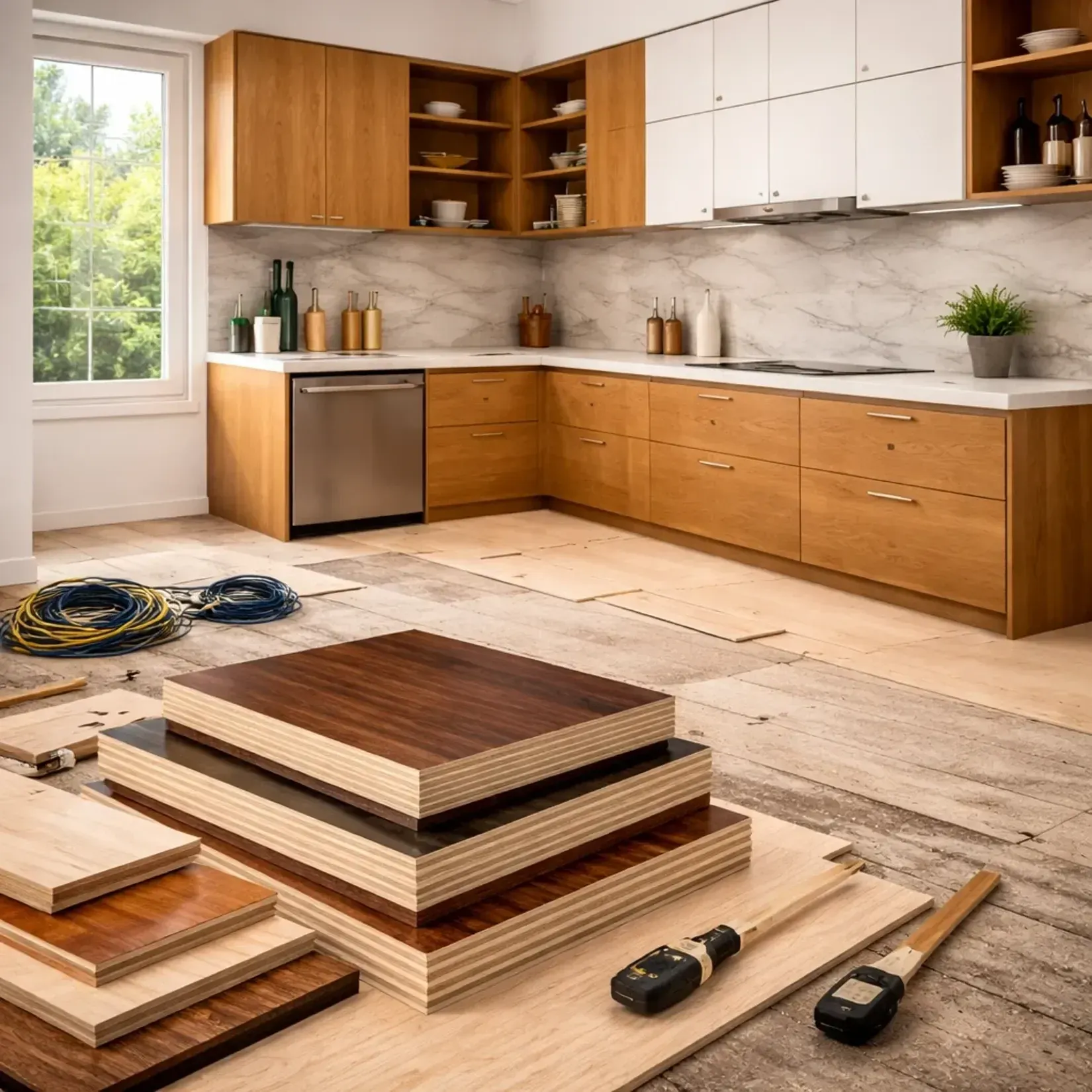
シンクキャビネット用耐湿合板調達ガイド
シンクキャビネットは工場出荷時には完璧な状態に見えるかもしれません。しかし、わずか数ヶ月後には保証の問題となる可能性があります。小さな配管の漏れや頻繁な水洗いによって底面が膨張し、エッジバンディングが剥がれてしまうことがあるのです。そうなると、設置業者は難しい修理作業に取り掛からなければなりません。キッチンキャビネットメーカーは、完成品を保護する必要があり、高額な再訪問を避けたいと考えています。そのため、耐湿性合板を選ぶということは、単に防水シールが貼られた板を探すことではなく、真の素材性能を見極めることが重要なのです。 シンクキャビネットの膨張がメーカーにとって高額な問題を引き起こす理由 シンクの下は、キッチンの棚とは異なるレベルの湿気にさらされます。配管からの水漏れ、配管の結露、濡れた布での清掃などが原因でパネルが膨張し、見栄えの悪いキャビネットや、再加工が必要な部品の取り付け不良、さらにはアフターサービスに関するクレームにつながる可能性があります。「防水」という表示に頼るのではなく、プロジェクトに使用する材料を選ぶ際には、パネルの接着部分や芯材が湿気による膨張にどのように反応するかをテストする必要があります。キャビネットの問題は、目に見えないところから始まることが多いのです。 シンク下のキャビネットで最初に湿気による損傷が現れる場所 賃貸物件を想像してみてください。排水口が緩んでいて、床板に水が滴り落ちています。水たまりは背の高い洗剤ボトルの陰に隠れ、何週間も気づかれずにそのままになっています。別の家では、冷水パイプに結露が発生しています。その湿気はすぐに、塞がれていないむき出しの穴に流れ落ちていきます。 最も弱い部分は通常、床の底、配管の切り欠き部分、背面の角、床の土台付近の継ぎ目です。切り口が水で厚くなると問題が発生します。表面層が完璧に滑らかであっても、平らに敷くことができなくなります。 パネルの膨張が再加工や保証請求につながる仕組み 膨らんだ底板の修理は、簡単にできる作業ではありません。修理業者はまず配管を取り外す必要があるかもしれません。また、棚板を取り外したり、近くの部品を切断したりする必要もあります。つまり、改めて家を訪れる計画を立てる必要があるということです。 オーダーメイドキッチンでは、扉が閉まりきらないキャビネットや重厚なカウンタートップが、作業の妨げとなる。工場側は、余分な労力、移動時間、そしてコストを負担することになる。一方、住宅所有者は、粗悪な製品しか目にすることができない。たった一つの木材の欠陥が、せっかくの良質な取引を、厄介な保証紛争へと変えてしまうこともあるのだ。 表面保護を施しても、普通のシンクキャビネットパネルが膨張する理由 光沢のある表面層は、通常の水しぶきを防ぐことができます。しかし、その表面はキャビネット全体の板材のごく一部に過ぎません。水はそれでも木材内部に浸入する可能性があります。 水は切断面や配管の開口部から侵入する 作業員は、シンクの排水管を通すために板に穴を開けなければなりません。新しく露出した内側の木材には、工場出荷時の塗装が残っていません。穴がむき出しのままだと、水が木材繊維に直接染み込んでしまいます。そのため、板が膨張して厚くなってしまいます。 端材の緩み、ネジ穴の不適切な処理、床下への水の溜まりなどは、同様の問題を引き起こします。プラスチック製の受け皿を設置し、隙間をすべて密閉することで、かなり改善されます。しかし、これらの対策をもってしても、ボード内部の接着剤の不良を補うことはできません。 一般的な合板とMDFが湿気に対して異なる反応を示す理由 MDFは、木粉をしっかりと圧縮して作られています。塗装面は非常に滑らかですが、側面が濡れるとひどく膨張することがあります。合板は、本物の木材を接着剤で貼り合わせたものです。水に対する反応は、木材の種類、使用する接着剤、そしてどのように圧縮されたかによって大きく異なります。 この点が、船舶用合板と通常の合板を比較する際に非常に重要です。単なるラベル表示だけでは、特定のパネルが水に濡れた後にどのような挙動を示すかを証明することはできません。購入者は、実際の試験結果と製造方法を確認する必要があります。すべての合板やMDF製品が同じように機能するとは決して考えてはいけません。 シンクキャビネット用の耐湿合板の選び方 優れたシンク台の設計図は、ボードの内側も考慮に入れる必要があります。また、製作過程でできたばかりの切り口を保護する必要もあります。 耐水性接着とコアの完全性を優先する 木材の層に使用されている接着剤について、必ず販売者に確認してください。中央部分に重なり合った部分、空洞、または弱い接合部がないかを確認しましょう。しっかりとした滑らかな芯材は、切断やネジ止め作業の信頼性を大幅に高めます。 浸漬剥離試験は、接着剤が特定の湿潤条件下で耐久性があるかどうかを明らかにする。一方、厚み膨張試験は全く異なる要素を検証する。 大規模なキッチン改修プロジェクトでは、基本的なチェック方法を試してみてください。 切り口をよく見て、芯が空いている隙間がないか確認してください。 ※浸漬剥離試験報告書の内容が、購入する基板と完全に一致していることを確認してください。 パイプ穴の周囲の縁を密閉するために、簡単なテスト運転を行ってください。 厚み、エッジ保護、購入仕様を確認してください キャビネット用の合板の厚さを探している人は、一般的に18mm厚の板を希望します。しかし、最適なサイズは、キャビネットの形状、総重量、金属製の蝶番などによって異なります。 キッチンキャビネットの合板の厚さは、芯材のスタイル、層の構成、天板の色、エッジテープとともに選択する必要があります。パイプの隙間の周りには防水シーラントを要求してください。下部の縁取り、および切り口。 海に近い住宅や、毎日床を拭くような場所を考えてみてください。こうした場所では、空気の流れや、漏れ箇所に簡単に手が届く方法も確認する必要があります。どんなに厚い板を使っても、優れた建築設計に勝るものはありません。 QIANGYI PLYWOODがシンクキャビネットの膨張を軽減する仕組み QIANGYI PLYWOODでは、清潔で防水性に優れた接着剤を使用することで、水の脅威に対処しています。また、芯材にはユーカリ材を全面に使用しています。この特殊な構造により、木材内部に空洞が生じるのを防ぎます。私たちは、表面の美しい色だけで保護を期待しているわけではありません。 もち米糊は耐湿性のある接着をサポートする 当社のもち米糊合板は、霊梅糊を使用しています。この独自の糊は、もち米澱粉、塩化マグネシウム、酸化マグネシウム、純水を混合して作られています。 湿った接着剤は木材繊維の微細な穴の奥深くまで浸透します。乾燥すると、非常に強固でしっかりとした結合網が形成されます。完成した合板は、ENF規格の超低ホルムアルデヒド放出量を達成するように作られています。同時に、丈夫で耐水性に優れた接着力も維持します。接着剤は各層に均一に塗布します。次に、常温で24時間冷間プレスします。適切な含水率になるまで丁寧に乾燥させます。最後に、十分に休ませて定着させます。 この入念な工程により、工場での全生産ロットにおいて接着剤の品質が一定に保たれます。また、不意のこぼれや湿気による膨張を防ぎ、水による損傷で木材層が剥がれる可能性を大幅に低減します。 ユーカリ材の芯材と芯材を完全に連結した構造により、パネルの安定性が向上します。 適切な中間材を選ぶことも同様に重要です。この特別なもち米合板には、ユーカリ材を芯材として使用しています。決して様々な木材を混ぜ合わせた芯材は使用しません。 内側のシートは、完全に芯材で接続された構造で配置されています。つまり、中央のピースがしっかりと組み合わさり、頑丈な状態を保ちます。これにより、ボード内部に不要な隙間が生じるのを防ぎます。 配管用の穴を開けたり、キャビネットの壁をネジで固定したりする際に、この細部への配慮は非常に重要です。隠れた弱点は簡単にキャビネットを破損させてしまう可能性があります。丈夫なユーカリ材と滑らかな接着剤層を使用することで、安定性と耐久性に優れた製品が実現します。 たとえこのように頑丈に作られていても、切断面は必ず密封する必要があります。 シンクキャビネットメーカー向け試験結果と調達価値 賢明な購入者は、強力な接着力、膨張防止力、そして優れた工場サポートの確かな証拠を求める。 クラスII耐水性および浸漬剥離試験結果 公式の浸漬剥離試験報告書(No. SZF-WT-25101715-03)には、試験対象となった6つのサンプルが記載されています。この報告書は、合格率100%と完全適合スコアを証明しています。 クラスIIの試験規則では、木材を63℃±3℃の温水に浸すことが求められています。この優れた結果は、湿潤環境によく耐えられることを証明しています。ただし、永久に水中に浸しておくことを想定したものではありません。 また、防水・膨張防止に関する責任保証も提供しています。この保証書では、設置後の端部膨張や接着不良といった問題に対する有効な対応策を説明しています。ご購入者様は、ご自身の注文内容や計画に照らし合わせて、必ずこれらの規定をご確認ください。 1時間の集中研修の成果と実世界での調達価値 別の72時間浸漬試験では、3種類の異なる板材を並べて比較した。記録された厚みの変化は以下のとおりである。 材料 浸す前に 72時間後 増加 もち米糊合板 18.20 mm 18.35 mm 0.15 mm 普通の合板 18.13 mm 19.05 mm 0.92 mm MDF 18.30 mm 20.66 mm 2.36 mm わずかなサイズの変化こそが、安定した板材の真価を示すものです。縁が膨らんでいると、キャビネットの取り付けが非常に困難になります。もちろん、この基本的なテストは、公式なロット検査に代わるものではありません。 湿度の高いフィリピンの市場で、ある木製パネル販売業者が最初に当社のもち米糊合板の1色を試用しました。その仕上がりに大変満足し、大量に購入し、後から新しい色も追加しました。この事例は、購入者の強い関心を示しています。ただし、これはシンクキャビネットの正確な耐用年数を測るものではありません。 大量注文をする前に、必ずサンプル、詳細なルール、テスト用紙、返品ポリシーを確認してください。 これらの事実すべてについて、2026年広西国際林産物・木材製品展示会で詳しくお話しできます。2026年11月21日~23日、南寧国際コンベンション&エキシビションセンターのブースD5T-06でお待ちしております。 よくある質問 Q:御社の合板は、完全にユーカリ材の芯材で作られていますか、それとも複合芯材で作られていますか? A:当社のもち米糊合板は、芯材にユーカリ材を全面に使用しています。芯材同士が完全に接合された単板構造を採用しています。キャビネットメーカーの方は、サンプルや価格表をご請求される際に、芯材の詳細を必ずご確認ください。 質問:なぜ合板はキッチンのシンクの配管開口部の周りで膨張するのですか? A:パイプ用の穴を開けると、木材の繊維が細かく切断されます。保護層である外側の層が剥がれてしまうのです。パイプから滴るわずかな水滴や、冷水による結露が、切り口のむき出しになった壁に簡単に染み込んでしまいます。木材が水分を吸収すると、端が膨らみます。これがエッジテープに圧力をかけ、せっかくの美しい表面仕上げを台無しにしてしまう可能性があります。 Q:御社のもち米糊合板は防水仕様ですか、それとも船舶用グレードですか? A: 当社のボードは、厳格な国内規則に基づくクラスIIの耐水性試験に合格しています。非常に湿気の多い室内向けに設計されています。これには、キッチンシンクキャビネット、バスルームユニット、海辺の家にも最適です。日常的な水しぶきや湿気による膨張を効果的に防ぎます。ただし、長時間水中に浸けたままにしてはいけません。 Q:キャビネットメーカーは、大量購入前にどのようにして耐膨張性能を検証できますか? A:実際のサンプルを確認すべきです。浸漬剥離試験のスコアと厚み膨張試験の結果を確認してください。芯材の形状と、約束された検査基準をよく確認してください。試験用紙は、購入する木材と完全に一致している必要があります。 質問:耐湿性合板でも、シンク下のキャビネットでは端部のシーリングは必要ですか? A:はい、もちろんです。新しい切断面、パイプの隙間、弱い接合部はすべて密閉する必要があります。また、水漏れがあればすぐに修理してください。強力な接着剤と賢明な施工習慣は完璧に調和します。これらによって、キャビネットの不慮の故障を防ぐことができます。
ホテル家具購入者向け防カビ合板チェックリスト
ホテルの家具に発生するカビは、劇的な水漏れから始まることは稀です。多くの場合、クローゼットの裏側、洗面台の下、冷たい壁際、あるいは湿気がこもりやすい露出したパネルの端などから始まります。納品時には見た目に問題がなくても、数ヶ月後に湿気による不具合が現れることがあります。 したがって、防カビ合板の有用なチェックリストは、ラベル表示だけにとどまらず、複数の要素を考慮する必要があります。購入者は、大量注文を承認する前に、環境、芯材構造、接着システム、防湿対策、および試験結果を評価する必要があり、これらの要素を総合的に検討しなければなりません。 ホテル家具プロジェクトにおけるカビ問題はどこから始まるのか? 客室家具に潜む湿気の温床 ホテルの客室は、狭い空間の中に様々な湿気環境を生み出します。外壁に取り付けられたワードローブは、風通しが悪くなることがあります。洗面台は、水しぶきや蒸気、そして繰り返しの清掃にさらされます。ミニバーのキャビネットは、結露が発生しやすい冷たい表面の近くに設置されることがあります。熱帯地方や沿岸部のホテルでは、宿泊客の入れ替わり時に閉め切られる客室が、長時間湿気を帯びた状態になることもあります。 パネルの端、ドリルで開けられた穴、裏側、接合部、内部層などは、装飾面に明らかな損傷が現れる前に湿気を吸い込む可能性があります。 小さなカビの斑点がプロジェクトコストに繋がる理由 ホテルでは、1つの資材仕様が数十室、あるいは数百室にわたって繰り返されることがあります。そのため、局所的な不具合が、客室の利用停止、家具の交換、再設置訪問、引き渡し遅延、保証請求、そして運営者からの苦情といった事態に発展する可能性があります。 防カビ性能は、見た目だけの問題ではありません。ホテル家具の購入者にとって、それはプロジェクトのリスク管理の一環です。 合板にカビや湿気による損傷が発生するのはなぜですか? 湿度、結露、乾燥の遅さがリスクを生み出す カビは、好ましい湿度条件を必要とします。湿度が高い状態が続いたり、未処理の縁から水が浸入したり、結露によって冷たい表面が繰り返し濡れたりすると、家具はカビに侵されやすくなります。 この問題はしばしば累積的なものです。パネルが湿気を吸収し、ゆっくりと乾燥し、そしてまた同じことが繰り返されます。固定家具の背後の空気の流れが悪いと、この問題はさらに悪化します。防カビ材は、漏水補修、換気、湿度管理の代わりにはなりませんが、これらの条件下における家具の構造の保護を強化することができます。 湿気は膨張や変形を引き起こす可能性もある 湿気は接着面に負担をかけ、木材繊維を膨張させ、固定部分を緩め、パネルの平面度を変化させる可能性もあります。そのため、ワードローブ、化粧台、ヘッドボード、造り付けキャビネットなどに使用されるボードには、安定した芯材と確実な接着が不可欠です。 購入者がキャビネット用の合板の厚さを重視する場合でも、厚さだけでは内部の隙間、弱い化粧板、湿気に弱い構造などを補うことはできません。 ホテル購入者は防カビ合板を承認する前に何をチェックすべきか? 供給業者は、パネルの製造方法と性能について説明できなければなりません。「防水合板」という表現だけでは不十分であり、「防カビ性」という一般的な謳い文句も同様です。 購入者チェック なぜそれが重要なのか カビや白カビに対する耐性の証拠 防カビ効果を裏付ける 抗菌性能 衛生関連の証拠を追加 主要種と等級 安定性と固定に影響します 完全接続型のコア構造 内部の弱点を軽減する パネルの含水率 出荷前に水分管理をチェックします 耐水性および接着性テスト 湿気にさらされた後の接着層の完全性を確認する エッジシーリングプラン 製造後の湿気の侵入を抑えるのに役立ちます 表面だけでなく、構造も検証する ホテル家具の場合、ユーカリ材の芯材構造は、露出した端部や承認済みのサンプルで確認する価値があります。広葉樹の芯材は、繰り返しの接合や日常的な使用に耐えることができますが、樹種名だけでは十分ではありません。 購入者は、芯材が連続しているか、隙間や重なり、充填材の化粧板がないかを確認すべきです。キャビネット用合板は、表面の外観だけでなく、構造全体として評価する必要があります。 ボードを家具の配置場所に合わせてください。 用途によってリスクレベルは異なります。屋内の乾式壁に取り付けられたワードローブは、シャワーエリア横の洗面台のように露出した状態ではありません。また、背の高いキャビネットの扉は、平面度と変形制御に一層の注意を払う必要があります。 大規模なホテルプロジェクトの場合、ワードローブ、化粧台、ミニバー、壁パネル、その他の造り付け家具など、用途に応じてパネルを承認してください。 QIANGYI PLYWOODは、湿気によるカビのリスクにどのように対処するのでしょうか? QIANGYI PLYWOODでは、表面的な謳い文句だけに頼るのではなく、芯材、接着システム、そして湿気制御プロセスを通して問題解決に取り組んでいます。 ユーカリ材を芯材とし、芯材が完全に連結された構造 当社では、連続したユーカリ単板で構成された、完全ユーカリ芯材を採用しています。この構造では、完全連結芯材とは、内部の単板が空隙、重なり、継ぎ目なく配置されていることを意味します。これにより、内部の弱点が少なく、より均一なパネルを実現しています。キャビネットや家具用途には、100%ユーカリ芯材を使用したソリューションを採用しています。 ホテルのワードローブや背の高いキャビネットパネルの場合、これは重要です。なぜなら、コアの連続性によって、より一貫した機械加工、締結、寸法安定性が確保されるからです。また、購入者が実際に検査できる実用的なものにもなります。大量承認前にtエッジを確認してください。 もち米糊はカビの発生を抑制するのに役立つ 当社の霊梅もち米糊は、もち米粉、塩化マグネシウム、水、酸化マグネシウムを原料としています。マグネシウム成分が反応してアルカリ性環境を作り出します。ホテル家具の購入者にとってより重要なのは、JC/T 2039-2010 に従って 18 mm のもち米糊多機能ボードに対して実施された抗菌・防カビ試験で、抗菌率が 99% 以上、防カビ等級が 0 を記録したことです。試験等級では、0 等級はカビの発生が全く見られなかったことを意味します。 購入者にとって、これは一般的な防カビ効果の謳い文句だけに頼るのではなく、カビや細菌に対する耐性を評価するための直接的な試験結果を提供します。接着システム、湿気制御、そして試験済みの耐性が連携して、湿度の高い環境にさらされる家具におけるカビ関連のリスクを低減します。 制御された乾燥により、パネルの水分含有量を8~12%の範囲に保ちます。 当社では、60時間かけて温度管理された乾燥工程を行い、板材の含水率を8~12%に抑えています。これにより、家具製造前に余分な水分を除去し、湿度の高い環境下でもより安定した使用を可能にします。 湿度の高い保管場所、長距離輸送ルート、または空調完備の客室に関わるプロジェクトでは、加工後に不安定な板材を修正するよりも、パネルの湿度を制御した状態で作業を開始する方が実用的です。 ホテル購入者は承認申請書類にどのような証拠書類を添付すべきか? 特に防カビ性能がホテル家具の仕様に含まれる場合、試験結果は購入決定を裏付けるものとなるはずです。報告書番号HJ-RD-26150は、JC/T 2039-2010に準拠した18mm厚のもち米糊多機能ボードの抗菌・防カビ試験について述べています。試験サンプルは、99%を超える抗菌率と0級の防カビ性能を達成しました。 この報告書では、グレード0をカビの発生がない状態と定義しています。抗菌試験には大腸菌AS1.90を使用し、防カビ性評価には複数の真菌種を用いました。ホテル家具の購入者にとって、これは評価対象となる実際のリスク、つまりパネルが指定された試験条件下で細菌の増殖やカビの発生に耐えられるかどうかに関する直接的な証拠となります。 ホテルプロジェクトの場合、承認ファイルには以下を含める必要があります。 コア種と完全連結コアの確認。 抗菌・防カビ試験結果。 適用される試験規格および試験対象パネルの仕様。 パネルの水分仕様および耐湿性に関する情報。 承認された厚み、表面仕上げ、およびエッジ処理。 量産注文に合わせた生産サンプル。 これらのチェックを行うことで、承認された審査委員会は明確な構造と実績基準を持つため、その後の品質に関する議論が容易になります。 実例:湿度の高いフィリピン市場向け合板の調達 2026年初頭、フィリピンの装飾パネルおよび家具材料の販売業者が、高温多湿な市場向けのサプライヤーを比較検討する中で、当社に連絡をくれました。この販売業者は、特に環境性能、耐湿性、耐久性を重視していました。当社のもち米糊合板を実際に見ていただいた後、販売業者は4月に1色のみの試用注文を行いました。最初の出荷分は、ENFグレード、表面の質感、防水性能、シロアリ耐性などが高く評価され、市場から好意的なフィードバックを得ました。すぐに当初の色以外にも需要が広がったため、当社は販売業者向けにカスタマイズされたカラーサンプルブックを作成しました。その後、販売業者は実店舗のショールームを通じてさらに多くの仕上げを導入し、もち米糊合板をプレミアム製品ラインとして位置づけました。ホテルや家具の購入者にとって、この事例は、湿度の高い市場向けの調達において、湿気に関する性能、構造的な安定性、そして一貫した製品プレゼンテーションを考慮すべき理由を示しています。 広西国際林産物・木材製品展示会でお会いしましょう! ホテル家具やその他の商業プロジェクト向けに合板を調達中のバイヤーの皆様へ。弊社は2026年11月21日~23日に開催される「2026年広西国際林産物・木材製品展」に出展いたします。南寧国際コンベンション&エキシビションセンターのブースD5T-06にて弊社チームと面談し、防カビ合板、ユーカリ芯材、完全連結芯構造、およびプロジェクト固有のパネル要件についてご相談いただけます。 よくある質問 Q:ホテル家具用の防カビ合板とは何ですか? A:これは、湿度の高い室内家具におけるカビ関連のリスクを低減するために選定された合板です。購入者は、防カビ性に関するラベルだけに頼るのではなく、防カビ性だけでなく、防湿性、接着品質、芯材の連続性、寸法安定性なども併せて確認する必要があります。 Q:防カビ合板と防水合板は同じものですか? A:いいえ。耐水性は、水分への曝露、接着性、膨潤に焦点を当てています。防カビ性能は、カビの増殖に対する耐性に焦点を当てています。この2つの特性は互いに補完し合いますが、同じ試験ではありません。 Q:ホテルのキャビネットにユーカリの芯材を丸ごと使うことが重要なのはなぜですか? A: ユーカリの硬材を芯材に使用すれば、家具に使うための密度が高く均一な土台ができます。完全に連結された芯材構造と組み合わせることで、内部の空隙、重なり、および弱い接合部。 Q:ホテルにおいて、防カビ合板を優先的に使用すべき箇所はどこでしょうか? A:リスクの高い場所としては、洗面台、外壁に接するワードローブ、ミニバーのキャビネット、下部のキャビネットパネル、熱帯地域、沿岸地域、または換気の悪い部屋にある家具などが挙げられます。 Q:防カビ合板を大量注文する前に、購入者はどのようなことを要求すべきでしょうか? A:承認済みのコア構造、パネルの含水率範囲、抗菌・防カビ試験結果、適用可能な試験規格、試験済みパネル仕様、厚さおよび表面要件、最終注文に合致する生産サンプルを要求してください。
シロアリ対策合板の保証請求を減らすためのガイド
完成済みのキャビネットにシロアリ被害が発生した場合、それは単なる小さな材料の問題で済むことはまずありません。ワードローブ、キッチンキャビネット、または造り付け家具が一度設置されると、被害は現場調査、パネル交換、人件費、輸送費、そして保証に関する紛争へと発展する可能性があります。 そのため、シロアリ耐性合板は切断作業を開始する前に評価する必要があります。キャビネットメーカーにとって、本当に重要なのは合板にシロアリ耐性ラベルが付いているかどうかではなく、芯材、接着システム、パネル構造、そして試験結果が、リスクの低い保証戦略を裏付けているかどうかです。 シロアリ被害が高額なキャビネット保証請求につながるのはなぜか? 隠れた損傷は設置後に現れることが多い シロアリは、土壌の隙間、壁のひび割れ、配管、あるいは被害を受けた木材や梱包材などから侵入します。キャビネットの設置工事では、壁際の背面パネル、蹴込み板、ワードローブの土台、シンク下のキャビネットなどが目につきにくい箇所です。 合板は製造段階では正常に見えるかもしれません。しかし、家具の設置後に初めて損傷が明らかになる場合があり、その際には製造業者が現場を検査し、キャビネットを解体し、パネルを複製し、交換品を発送し、再設置の手配を行う必要が生じる可能性があります。その費用は、損傷した合板1枚分をはるかに超えることも容易に起こり得ます。 典型的なキッチンの事例としては、湿気の多いアパートの配管近くに設置されたベースキャビネットが挙げられます。隠れたシロアリの活動が下地材にまで達すると、内部パネル1枚を交換するだけでも、金具、ドア、カウンタートップ、あるいは隣接するユニットを取り外す必要が生じる場合があります。ワードローブのプロジェクトでは、固定された背面パネルの裏側の損傷は、お客様が埃や空洞、または弱くなった部分に気づくまで、気づかれないまま放置されることがあります。 保証リスクは材料選定から始まる 装飾的な表面とシロアリ対策を混同してはいけません。メラミン合板は実用的な仕上げを提供しますが、表面だけでは下地がシロアリに強いことを証明するものではありません。 積層合板や船舶用ボードについても同様です。耐湿性と耐シロアリ性は別個の問題です。購入者からよく聞かれる質問は「積層合板はシロアリに強いですか?」というものです。答えは製品名ではなく、芯材、接着システム、試験結果によって異なります。 合板はなぜシロアリの攻撃を受けやすいのか? 合板は木材の薄板から作られているため、セルロースはパネル内部に残っています。装飾的な表面は日常使用における保護にはなりますが、切断面、ドリル穴、金具の突起、そして内部の薄板は、シロアリが発生しやすい環境では依然として問題となります。 プロジェクトの条件によっては、さらにリスクが高まります。キッチンユニットは配管の近くに設置される場合があり、ワードローブは何年も壁に取り付けられたままになることがあります。熱帯地域や湿度の高い地域では、隠れた侵入経路や長期にわたるサービス期間によって、小さな害虫被害が高額なアフターサービス費用につながる可能性があります。 そのため、「シロアリ対策済み」という言葉は、絶対的な保証として捉えるべきではありません。より良いアプローチは、適切なパネルの選定と、適切な設置、シーリング、点検、そして地域特有の害虫駆除対策を組み合わせることです。 キャビネットメーカーは、シロアリ耐性合板にどのような要件を求めるべきか? 価格を比較する前に、購入者は実際に何が供給されるのかを確認すべきである。 小切手を購入する 確認すべき事項 シロアリの証拠 試験方法、サンプル、日付、報告書番号、評価 コア材 木材の種類と単板の等級 コア構造 完全に連結されたコアであり、緩い部分的な積層ではない キャビネット仕様 厚み、表面処理、エッジ処理、用途 サプライヤーの責任 明確なアフターサービス手順 芯材の品質は特に重要です。ユーカリ材の芯材は、丈夫で安定した広葉樹の土台となるため、キャビネット製作において重宝されます。大径のユーカリ材は、強度と安定した品質で評価される合板の原材料として知られています。 完全連結コア、すなわちフルコア積層構造は、部分連結コアよりも内部構造をより厳密に制御できる。この構造では、コア単板が連続的に配置され、接着剤は層ごとに塗布される。 どちらの点もシロアリ検査の代わりとして用いるべきではありません。むしろ、購入者がより均一な下地材を指定する際の参考として用いるべきです。キャビネット用の合板の厚さも、実際の設計に合致している必要があります。18mmの検査済みパネルだからといって、あらゆる厚さや構造の証拠として自動的に扱うべきではありません。 QIANGYI PLYWOODは、シロアリによるパネルのリスクをどのように軽減するのでしょうか? QIANGYI PLYWOODでは、表面的な主張に頼るのではなく、接着システム、ユーカリ材の芯材選定、そして完全に連結された芯材構造によってこの問題に対処しています。 霊梅もち米糊は結合構造を通して作用します 当社のもち米糊合板は、もち米粉、塩化マグネシウム、酸化マグネシウム、水から作られた霊梅もち米糊を使用しています。硬化後、塩化マグネシウムと酸化マグネシウムがアルカリ性の接着環境を作り出します。当社の技術は、このアルカリ性の接着環境を通して木材内部の酸塩基環境を変化させ、シロアリの活動に不利な条件を作り出すことです。 これは、キャビネットの製造には切断、穴あけ、蝶番付け、エッジ加工が含まれるため重要です。内部接着システムに関連するクレームは、仕上げ面のみに基づくクレームよりも、これらの作業にとってより関連性が高い。 ユーカリ材のコアとフルコア積層構造が、一貫性をサポートします。 キャビネット用途においては、最高級のユーカリ材を芯材として使用することを重視しています。ユーカリ材は強固な構造基盤を提供する一方、シロアリ耐性は木材の種類だけでなく、試験済みのパネルシステム全体に基づいて評価されます。 ベニヤ板は完全に連結されたコアとして配置され、層ごとに接着されます。この構造ではコア材の選定がより厳密になり、パネル内部の積層構造がより均一になります。 その後、長時間の冷間プレス、制御された乾燥、そして硬化工程へと続きます。製造工程には、24時間の自己発熱式冷間プレス、60時間の乾燥、そして15日以上の調湿が含まれます。キャビネット工場にとっての実質的なメリットは、キャビネットの側面、棚、扉、ワードローブ、その他の部品全体にわたって均一な品質が得られることです。 事例:モーリシャスにおけるシロアリ被害とアフターサービスリスクの軽減 モーリシャスの家具製造の長年のお客様から、家具グレードの100%ユーカリ芯合板をコンテナ単位で繰り返しご注文いただいています。モーリシャスの気候は湿度が高く過酷なため、通常の合板では時間の経過とともに剥がれ、変形、シロアリ被害が発生する可能性があります。このお客様には、100%ユーカリの完全連結芯材ともち米糊を使用し、パネルの安定性を高めるために加工工程を厳密に管理した合板をご提供しています。グレード9.5のシロアリ耐性試験結果も、キャビネット製造用の材料選定において、お客様にとってより明確な判断材料となります。お客様によると、当社の合板をキャビネットに使用することで、アフターサービスに関する懸念が軽減されたとのことです。また、ロットごとの品質が一定であるため、工場では繰り返し注文の際に、切断性能、ねじ保持力、生産設定を常に同じレベルに保つことができます。 グレード9.5のテストは、調達および保証リスクにどのような意味を持つのか? シロアリに関する主張は、中国科学院広東動物研究所分析試験センターが発行した試験報告書GIZ/TR-2024-0301-0186によって裏付けられています。試験対象サンプルは、もち米糊多機能合板(1220×2440×18mm)で、試験基準はGB/T 18260-2015です。対応するシロアリ試験報告書番号は、製品試験記録にも記載されています。 4週間にわたる屋内シロアリ試験の結果、報告書には軽微なシロアリ被害が記録され、シロアリのトンネルまたは侵入痕跡が1~2箇所のみ確認されました。試験片のシロアリ被害評価はグレード9.5でした。グレード9.5のシロアリ耐性結果も、パネル性能情報に含まれています。 購入者にとって重要なのは、絶対的な保証ではなく、トレーサビリティです。レポート番号、サンプル構成、厚さ、試験方法、結果などを、注文する材料と照合することができます。これにより、輸入業者やキャビネット工場は、一般的な製品説明に頼るのではなく、具体的な証拠に基づいて下流の顧客に回答できるようになります。 実用的な購入手順は以下のとおりです。 1. プロジェクトがシロアリ被害に大きくさらされているかどうかを特定する。 2. パネルの厚さと表面をキャビネットのデザインに合わせる。 3. 指定されている場合は、ユーカリの芯材と完全に連結された芯材構造であることを確認してください。 4. 該当するパネルのシロアリ耐性レポートを請求してください。 5.報告書と購入仕様書は、プロジェクトの品質記録とともに保管してください。 当社が開発した第2世代もち米糊合板を使用したプロジェクトにおいては、防虫・防シロアリ対策に関する責任保証も提供しています。適用条件の下でシロアリや木材穿孔性昆虫による被害が発生した場合、当社はアフターサービスとして交換対応いたします。キャビネットメーカーにとって、これは漠然とした「防シロアリ」表示よりも、リスク管理の明確な道筋となります。 2026年広西国際林産物・木材製品展示会でお会いしましょう キャビネットや家具プロジェクト向けに、シロアリ耐性合板、ユーカリ芯合板、または完全連結芯パネルをお探しでしたら、2026年広西国際林産物・木材製品展示会にて弊社チームにお会いいただけます。キャビネットメーカー、合板輸入業者、販売業者、プロジェクト購入者の皆様には、パネル仕様、シロアリ耐性要件、芯構造、調達ニーズについて直接ご相談いただくことを歓迎いたします。 イベント名:2026年広西国際林産物・木材製品展示会 ブース番号:D5T-06 日付:2026年11月21日~23日 場所:南寧国際コンベンション&エキシビションセンター よくある質問 Q:積層合板はシロアリに強いですか? A:自動的には確認できません。耐湿性やシロアリ耐性は個別に確認する必要があります。下地材、接着システム、シロアリ試験報告書を確認してください。 Q:メラミン合板はシロアリに強いですか? A:メラミン表面処理だけでは、基材のシロアリ耐性は得られません。芯材や内部接着システムについても評価が必要です。 Q:シロアリに強いキャビネット用合板にユーカリ材を芯材として使用する理由は何ですか? A: ユーカリの芯材は、丈夫で安定した構造的基盤を提供します。このパネルシステムでは、シロアリに対する耐性は、完全に試験済みの構造と接着システムによって実現されています。 Q:完全接続されたコアとはどういう意味ですか? A:これは、内部の化粧板が部分的に連結された積層構造ではなく、連続した密着したコアを形成することを意味します。これにより、キャビネット加工においてより均一な内部構造が実現します。 Q:グレード9.5のシロアリ耐性合板を使用すれば、すべての保証請求をなくすことができますか? A:いいえ。グレード9.5の試験結果は材料選定の不確実性を軽減できますが、適切な仕様、設置、湿気管理、検査、および現場でのシロアリ対策は依然として重要です。

If you interested in our product, please leave you information here, we will send you more details
Please fill out the form below and we will get back to you as soon as possible.