
メラミンMDFボード

18mm E0 防湿研磨MDFメラミン表面
耐湿性メラミンMDFボードは、木質繊維を原料とし、特殊な防水接着剤で基材を圧縮し、メラミン紙を高温で熱プレス成形したものです。最大の利点は、防水性があり、吸水しにくく、膨張や変形しにくく、高強度で、加工しやすい滑らかな表面を持ち、表面接着性にも優れていることです。環境基準を満たしており、湿気の多い場所の住宅内装材として適しています。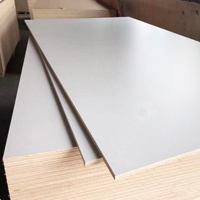
寝室用ワードローブに最適なメラミン化粧板/ナチュラルカラーMDFボード 4*8フィート 最安値 Qiangyi PLYWOOD
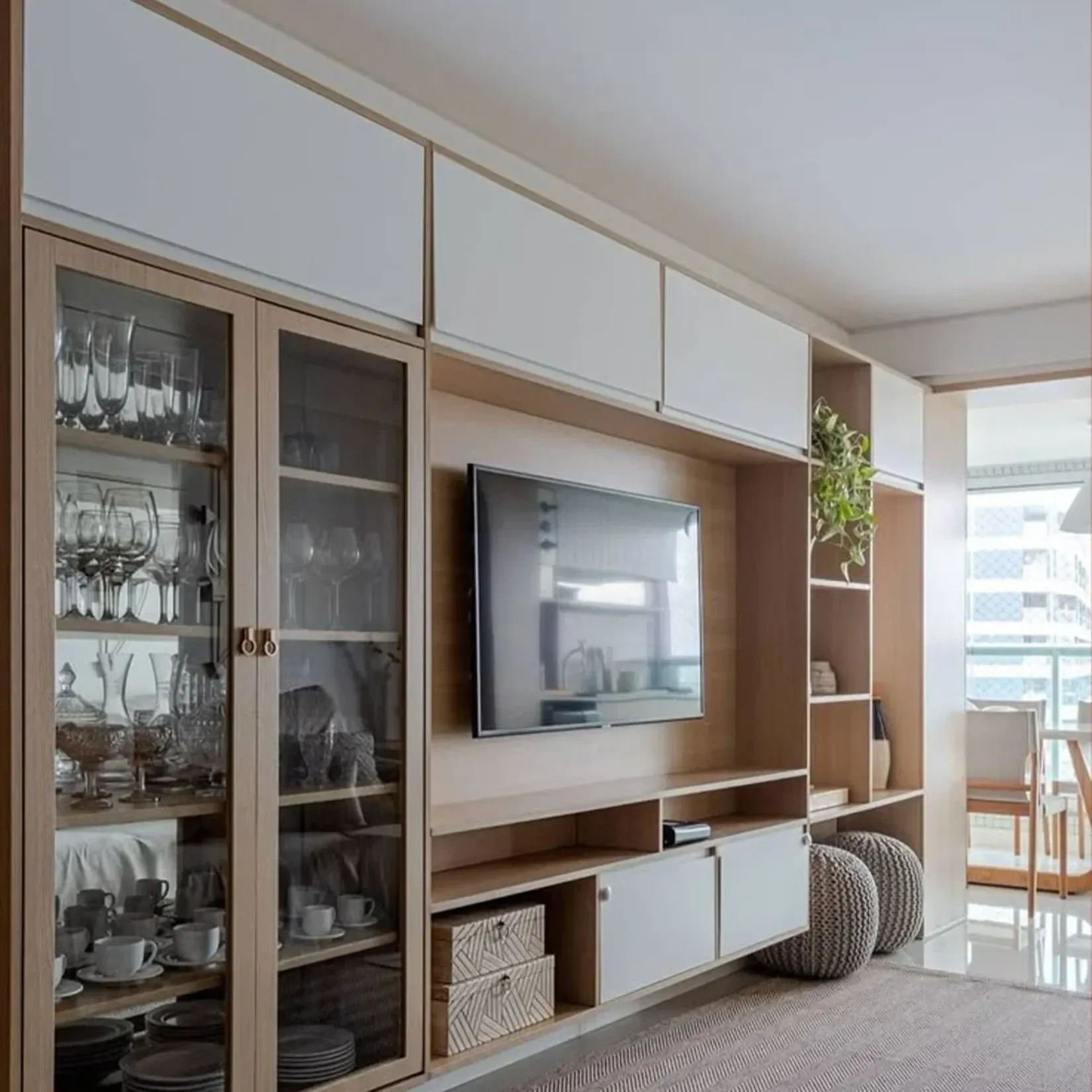
MDFボードの特徴: MDF板の表面は非常に滑らかで平坦です。 加工や成形が容易です。 装飾性が非常に高い。 コストパフォーマンスに優れ、高い価値を提供します。 E0接着剤 環境に優しい。 密度680kg~800kg/m³。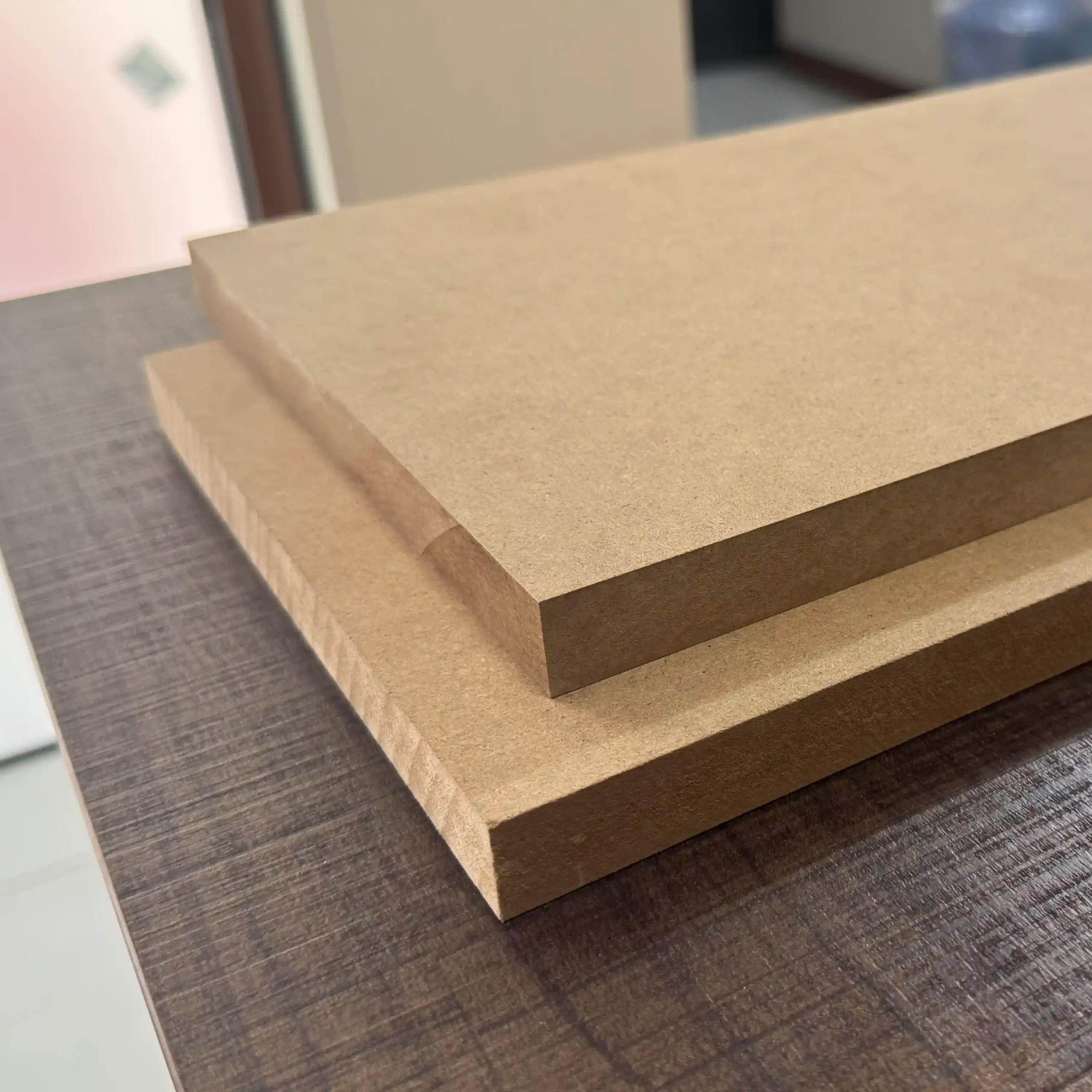
競争力のある価格のE0グレードMDF 18mmボード(ナチュラルカラー、ワードローブ用) - Qiangyi PLYWOOD
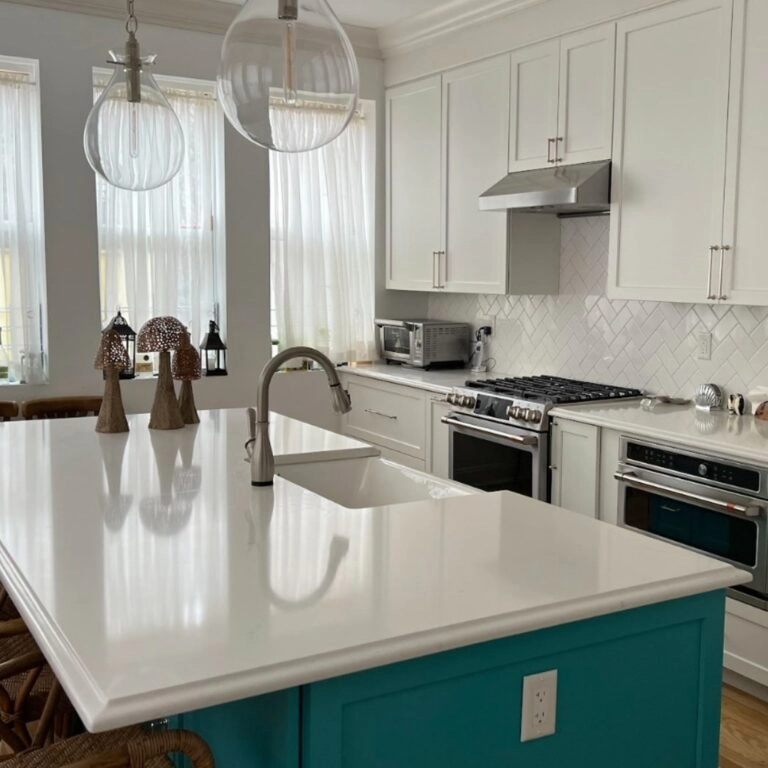
MDFボードは緻密な質感と比較的高い木材含有量を持ち、特に形状のあるキャビネットドアの製造に適しています。複雑な形状に適したMDFボード:特に、ヨーロッパスタイルのキャビネットドアやワードローブドアなど、さまざまな線や曲線の彫刻やフライス加工が必要な「形状のあるドアパネル」によく使用されます。表面に特別な処理が必要ない場合は、天然色のファイバーボードを選択できます。その自然な色は、家具の美観を損ないません。色は通常、淡黄色または淡茶色です。このタイプのファイバーボードは、ワードローブ、本棚、ベッドフレームなどの家具のベースや内部構造に使用できます。強義18mm高強度メラミン中密度繊維板
中密度繊維板(MDF)は、比較的滑らかな表面を持つ。メラミン化粧板を貼ることで、防湿性と耐摩耗性が向上する。天然木よりも構造が均一であるため、腐食や虫害などの問題も起こりにくい。こうした構造特性から、MDFはワードローブやキッチンキャビネットなどの家具によく用いられる。1220*2440mm メラミン化粧MDF繊維板 光沢マット仕上げ E1 木製ベニヤ アパート家具装飾用 - Qiangyi PLYWOOD
メラミンMDFボードは、MDF(中密度繊維板)基材とメラミン紙を高温で熱プレス成形して作られています。環境保護、耐摩耗性、耐高温性、耐腐食性、防水性、シンプルで便利、豊富な柄と色など、多くの利点があります。オーダーメイド家具や室内装飾に最適な素材です。 厚さ:18mm サイズ:1220mm×2440mm/1220mm×2745mm 芯材:木質繊維 表面処理:高光沢/木目調/大理石調 接着剤:ENF ホルムアルデヒド:0 非常に滑らかで、完全に均一で、洗練された表面 密度:680kg/m³~800kg/m³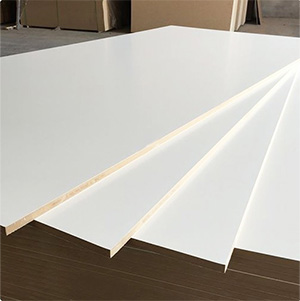
E0/E1グレードのメラミンMDFボード
サイズ:9~30mm(4×8/9/10フィート) 特徴:耐高温性、耐腐食性、加工の容易さ、滑らかな表面、比較的簡単な加工で、装飾効果により、より美しく適切な外観を実現します。メラミンMDFボード

If you interested in our product, please leave you information here, we will send you more details
Get more information about the plywood
Anti-Mold Plywood Checklist for Hotel Furniture Buyers
Mold in hotel furniture rarely begins as a dramatic leak. More often, it starts behind a wardrobe, under a vanity, beside a cold wall, or along an exposed panel edge that stays damp. The board may look fine at delivery, while moisture-related defects appear months later. A useful anti-mold plywood checklist therefore has to look beyond one label. Buyers need to evaluate the environment, core structure, bonding system, moisture control, and test evidence before approving a bulk order. Where Do Mold Problems Start in Hotel Furniture Projects? Hidden Moisture Zones in Guestroom Furniture Hotel rooms create several moisture conditions in one small space. A wardrobe fixed against an exterior wall may receive little airflow. A bathroom vanity sees splashes, steam, and repeated cleaning. A minibar cabinet can sit near cool surfaces where condensation forms. In tropical or coastal hotels, rooms closed between guests may also stay humid for long periods. Panel edges, drilled holes, backs, joints, and internal layers can take in moisture before the decorative face shows obvious damage. Why a Small Mold Spot Can Become a Project Cost In a hotel, one material specification may be repeated across dozens or hundreds of rooms. A local defect can therefore become room downtime, replacement furniture, another installation visit, delayed handover, warranty claims, and complaints from the operator. Anti-mold performance is not only an appearance issue. For a hotel furniture buyer, it is part of project risk control. Why Does Plywood Develop Mold and Moisture-Related Damage? Humidity, Condensation, and Slow Drying Create the Risk Mold needs favorable moisture conditions. Furniture becomes more vulnerable when humidity remains high, water enters through unfinished edges, or condensation repeatedly wets a cold surface. The problem is often cumulative. A panel takes in some moisture, dries slowly, then repeats the cycle. Poor airflow behind fixed furniture can make this worse. Anti-mold material cannot replace leak repair, ventilation, or humidity control, but it can give the furniture assembly a better margin against these conditions. Moisture Can Also Lead to Swelling and Deformation Moisture can also stress the glue line, swell wood fibers, loosen fastening areas, or change panel flatness. A board used for wardrobes, vanity units, headboards, or built-in cabinets therefore needs a stable core and reliable bonding. Even when buyers search for plywood thickness for cabinets, thickness alone cannot compensate for internal gaps, weak veneers, or a moisture-sensitive structure. What Should Hotel Buyers Check Before Approving Anti-Mold Plywood? The supplier should be able to explain how the panel is built and how it performs. The phrase waterproof plywood is not enough, and neither is a general “mold resistant” claim. Buyer Check Why It Matters Mold or mildew resistance evidence Confirms the anti-mold claim Antibacterial performance Adds hygiene-related evidence Core species and grade Affects stability and fastening Full-connected core structure Reduces internal weak points Panel moisture content Checks moisture control before shipment Water-resistance and bond test Checks glue-line integrity after moisture exposure Edge sealing plan Helps limit moisture entry after fabrication Verify the Structure, Not Just the Surface For hotel furniture, eucalyptus core board construction is worth checking at the exposed edge or approved sample. A hardwood core can support repeated fastening and daily use, but the species name alone is not enough. Buyers should ask whether the core is continuous and whether gaps, overlaps, or filler veneers are present. Cabinet grade plywood should be judged as a complete structure, not only by face appearance. Match the Board to the Furniture Location The risk level differs by application. A wardrobe on an internal dry wall is not exposed like a vanity beside a shower area. A tall cabinet door also places more emphasis on flatness and deformation control. For bulk hotel projects, approve the panel by application: wardrobe, vanity, minibar, wall panel, or other built-in furniture. How Does QIANGYI PLYWOOD Target Moisture-Driven Mold Risk? At QIANGYI PLYWOOD, we approach the problem through the core, adhesive system, and moisture-control process rather than relying on a surface claim alone. Full Eucalyptus Core and Full-Connected Core Construction We use full eucalyptus core options built with continuous eucalyptus veneers. In this structure, full-connected core means the internal veneers are arranged without voids, overlaps, or dead joints. The aim is a more uniform panel with fewer internal weak points. We use 100% eucalyptus core solutions for cabinet and furniture applications. For hotel wardrobes and tall cabinet panels, this matters because core continuity supports more consistent machining, fastening, and dimensional stability. It also gives buyers something practical to inspect on a cut edge before bulk approval. Glutinous Rice Glue Helps Create Less Favorable Conditions for Mold Our Lingmei glutinous rice glue uses glutinous rice flour, magnesium chloride, water, and magnesium oxide. The magnesium components react to create an alkaline environment. More importantly for hotel furniture buyers, an antibacterial and mildew-proof test conducted according to JC/T 2039-2010 on an 18 mm glutinous rice glue multifunctional board recorded an antibacterial rate above 99% and a Grade 0 mildew-proof rating. Under the test rating criteria, Grade 0 means no mold growth was observed. For buyers, this provides direct test evidence for evaluating mold and bacterial resistance instead of relying only on a general anti-mold claim. The adhesive system, moisture control, and tested resistance work together to reduce mold-related risks in furniture exposed to humid conditions. Controlled Drying Keeps Panel Moisture in the 8–12% Range We use a 60-hour temperature-controlled drying process and control board moisture content within 8–12%. This reduces excess moisture before furniture production and supports more stable use in humid conditions. For projects involving humid storage, long shipping routes, or air-conditioned guest rooms, starting with controlled panel moisture is more practical than correcting unstable boards after machining. What Evidence Should Hotel Buyers Put in the Approval File? Testing should support the purchase decision, especially when anti-mold performance is part of the hotel furniture specification. Report No. HJ-RD-26150 covers antibacterial and mildew-proof testing of an 18 mm glutinous rice glue multifunctional board according to JC/T 2039-2010. The tested sample achieved an antibacterial rate above 99% and a Grade 0 mildew-proof rating. The report defines Grade 0 as no mold growth. The antibacterial test used Escherichia coli AS1.90, while the mildew-resistance evaluation included multiple fungal species. For a hotel furniture buyer, this provides direct evidence related to the actual risk being evaluated: whether the panel can resist bacterial growth and mold development under the specified test conditions. For a hotel project, the approval file should include: Core species and full-connected-core confirmation. Antibacterial and mildew-proof test results. The applicable test standard and tested panel specification. Panel moisture specification and moisture-resistance information. Approved thickness, face finish, and edge treatment. A production sample matching the bulk order. These checks make later quality discussions easier because the approved panel has a defined structure and performance basis. Practical Case: Plywood Sourcing for a Humid Philippine Market In early 2026, a Philippine decorative panel and furniture-material distributor contacted us while comparing suppliers for a hot, humid market. The buyer was particularly concerned about environmental performance, moisture resistance, and durability. After seeing our glutinous rice glue plywood in person, the distributor placed a trial order in April with one color. The first shipment received positive market feedback for its ENF grade, surface texture, waterproof performance, and termite resistance. Demand soon expanded beyond the original color, so we developed a customized color sample book for the buyer. The distributor later introduced more finishes through its offline showroom and positioned the glutinous rice glue plywood as a premium product line. For hotel and furniture buyers, this case shows why humid-market sourcing should consider moisture-related performance, structural stability, and consistent product presentation. Meet Us in Guangxi International Forest Products and Wood Products Exhibition For buyers currently sourcing plywood for hotel furniture or other commercial projects, we will attend THE 2026 GUANGXI INTERNATIONAL FOREST PRODUCTS AND WOOD PRODUCTS EXHIBITION from November 21–23, 2026. Visitors can meet our team at Booth D5T-06 at the Nanning International Convention & Exhibition Center to discuss anti-mold plywood, eucalyptus core, full-connected core construction, and project-specific panel requirements. FAQ Q: What is anti-mold plywood for hotel furniture? A: It is plywood selected to reduce mold-related risk in humid interior furniture. Buyers should check mold resistance together with moisture control, bond quality, core continuity, and dimensional stability rather than relying on one anti-mold label. Q: Is anti-mold plywood the same as waterproof plywood? A: No. Water resistance focuses on moisture exposure, bonding, and swelling. Anti-mold performance focuses on resistance to fungal growth. The two properties support each other, but they are not the same test. Q: Why is a full eucalyptus core important for hotel cabinets? A: A full eucalyptus hardwood core provides a dense, consistent base for furniture use. When combined with a full-connected core structure, it also reduces concerns about internal voids, overlaps, and weak joints. Q: Where should mold-resistant plywood be prioritized in a hotel? A: High-risk locations include bathroom vanities, wardrobes against exterior walls, minibar cabinets, lower cabinet panels, and furniture in tropical, coastal, or poorly ventilated rooms. Q: What should buyers request before placing a bulk anti-mold plywood order? A: Request the approved core structure, panel moisture range, antibacterial and mildew-proof test results, applicable test standard, tested panel specification, thickness and surface requirements, and a production sample that matches the final order.
シロアリ対策合板の保証請求を減らすためのガイド
完成済みのキャビネットにシロアリ被害が発生した場合、それは単なる小さな材料の問題で済むことはまずありません。ワードローブ、キッチンキャビネット、または造り付け家具が一度設置されると、被害は現場調査、パネル交換、人件費、輸送費、そして保証に関する紛争へと発展する可能性があります。 そのため、シロアリ耐性合板は切断作業を開始する前に評価する必要があります。キャビネットメーカーにとって、本当に重要なのは合板にシロアリ耐性ラベルが付いているかどうかではなく、芯材、接着システム、パネル構造、そして試験結果が、リスクの低い保証戦略を裏付けているかどうかです。 シロアリ被害が高額なキャビネット保証請求につながるのはなぜか? 隠れた損傷は設置後に現れることが多い シロアリは、土壌の隙間、壁のひび割れ、配管、あるいは被害を受けた木材や梱包材などから侵入します。キャビネットの設置工事では、壁際の背面パネル、蹴込み板、ワードローブの土台、シンク下のキャビネットなどが目につきにくい箇所です。 合板は製造段階では正常に見えるかもしれません。しかし、家具の設置後に初めて損傷が明らかになる場合があり、その際には製造業者が現場を検査し、キャビネットを解体し、パネルを複製し、交換品を発送し、再設置の手配を行う必要が生じる可能性があります。その費用は、損傷した合板1枚分をはるかに超えることも容易に起こり得ます。 典型的なキッチンの事例としては、湿気の多いアパートの配管近くに設置されたベースキャビネットが挙げられます。隠れたシロアリの活動が下地材にまで達すると、内部パネル1枚を交換するだけでも、金具、ドア、カウンタートップ、あるいは隣接するユニットを取り外す必要が生じる場合があります。ワードローブのプロジェクトでは、固定された背面パネルの裏側の損傷は、お客様が埃や空洞、または弱くなった部分に気づくまで、気づかれないまま放置されることがあります。 保証リスクは材料選定から始まる 装飾的な表面とシロアリ対策を混同してはいけません。メラミン合板は実用的な仕上げを提供しますが、表面だけでは下地がシロアリに強いことを証明するものではありません。 積層合板や船舶用ボードについても同様です。耐湿性と耐シロアリ性は別個の問題です。購入者からよく聞かれる質問は「積層合板はシロアリに強いですか?」というものです。答えは製品名ではなく、芯材、接着システム、試験結果によって異なります。 合板はなぜシロアリの攻撃を受けやすいのか? 合板は木材の薄板から作られているため、セルロースはパネル内部に残っています。装飾的な表面は日常使用における保護にはなりますが、切断面、ドリル穴、金具の突起、そして内部の薄板は、シロアリが発生しやすい環境では依然として問題となります。 プロジェクトの条件によっては、さらにリスクが高まります。キッチンユニットは配管の近くに設置される場合があり、ワードローブは何年も壁に取り付けられたままになることがあります。熱帯地域や湿度の高い地域では、隠れた侵入経路や長期にわたるサービス期間によって、小さな害虫被害が高額なアフターサービス費用につながる可能性があります。 そのため、「シロアリ対策済み」という言葉は、絶対的な保証として捉えるべきではありません。より良いアプローチは、適切なパネルの選定と、適切な設置、シーリング、点検、そして地域特有の害虫駆除対策を組み合わせることです。 キャビネットメーカーは、シロアリ耐性合板にどのような要件を求めるべきか? 価格を比較する前に、購入者は実際に何が供給されるのかを確認すべきである。 小切手を購入する 確認すべき事項 シロアリの証拠 試験方法、サンプル、日付、報告書番号、評価 コア材 木材の種類と単板の等級 コア構造 完全に連結されたコアであり、緩い部分的な積層ではない キャビネット仕様 厚み、表面処理、エッジ処理、用途 サプライヤーの責任 明確なアフターサービス手順 芯材の品質は特に重要です。ユーカリ材の芯材は、丈夫で安定した広葉樹の土台となるため、キャビネット製作において重宝されます。大径のユーカリ材は、強度と安定した品質で評価される合板の原材料として知られています。 完全連結コア、すなわちフルコア積層構造は、部分連結コアよりも内部構造をより厳密に制御できる。この構造では、コア単板が連続的に配置され、接着剤は層ごとに塗布される。 どちらの点もシロアリ検査の代わりとして用いるべきではありません。むしろ、購入者がより均一な下地材を指定する際の参考として用いるべきです。キャビネット用の合板の厚さも、実際の設計に合致している必要があります。18mmの検査済みパネルだからといって、あらゆる厚さや構造の証拠として自動的に扱うべきではありません。 QIANGYI PLYWOODは、シロアリによるパネルのリスクをどのように軽減するのでしょうか? QIANGYI PLYWOODでは、表面的な主張に頼るのではなく、接着システム、ユーカリ材の芯材選定、そして完全に連結された芯材構造によってこの問題に対処しています。 霊梅もち米糊は結合構造を通して作用します 当社のもち米糊合板は、もち米粉、塩化マグネシウム、酸化マグネシウム、水から作られた霊梅もち米糊を使用しています。硬化後、塩化マグネシウムと酸化マグネシウムがアルカリ性の接着環境を作り出します。当社の技術は、このアルカリ性の接着環境を通して木材内部の酸塩基環境を変化させ、シロアリの活動に不利な条件を作り出すことです。 これは、キャビネットの製造には切断、穴あけ、蝶番付け、エッジ加工が含まれるため重要です。内部接着システムに関連するクレームは、仕上げ面のみに基づくクレームよりも、これらの作業にとってより関連性が高い。 ユーカリ材のコアとフルコア積層構造が、一貫性をサポートします。 キャビネット用途においては、最高級のユーカリ材を芯材として使用することを重視しています。ユーカリ材は強固な構造基盤を提供する一方、シロアリ耐性は木材の種類だけでなく、試験済みのパネルシステム全体に基づいて評価されます。 ベニヤ板は完全に連結されたコアとして配置され、層ごとに接着されます。この構造ではコア材の選定がより厳密になり、パネル内部の積層構造がより均一になります。 その後、長時間の冷間プレス、制御された乾燥、そして硬化工程へと続きます。製造工程には、24時間の自己発熱式冷間プレス、60時間の乾燥、そして15日以上の調湿が含まれます。キャビネット工場にとっての実質的なメリットは、キャビネットの側面、棚、扉、ワードローブ、その他の部品全体にわたって均一な品質が得られることです。 事例:モーリシャスにおけるシロアリ被害とアフターサービスリスクの軽減 モーリシャスの家具製造の長年のお客様から、家具グレードの100%ユーカリ芯合板をコンテナ単位で繰り返しご注文いただいています。モーリシャスの気候は湿度が高く過酷なため、通常の合板では時間の経過とともに剥がれ、変形、シロアリ被害が発生する可能性があります。このお客様には、100%ユーカリの完全連結芯材ともち米糊を使用し、パネルの安定性を高めるために加工工程を厳密に管理した合板をご提供しています。グレード9.5のシロアリ耐性試験結果も、キャビネット製造用の材料選定において、お客様にとってより明確な判断材料となります。お客様によると、当社の合板をキャビネットに使用することで、アフターサービスに関する懸念が軽減されたとのことです。また、ロットごとの品質が一定であるため、工場では繰り返し注文の際に、切断性能、ねじ保持力、生産設定を常に同じレベルに保つことができます。 グレード9.5のテストは、調達および保証リスクにどのような意味を持つのか? シロアリに関する主張は、中国科学院広東動物研究所分析試験センターが発行した試験報告書GIZ/TR-2024-0301-0186によって裏付けられています。試験対象サンプルは、もち米糊多機能合板(1220×2440×18mm)で、試験基準はGB/T 18260-2015です。対応するシロアリ試験報告書番号は、製品試験記録にも記載されています。 4週間にわたる屋内シロアリ試験の結果、報告書には軽微なシロアリ被害が記録され、シロアリのトンネルまたは侵入痕跡が1~2箇所のみ確認されました。試験片のシロアリ被害評価はグレード9.5でした。グレード9.5のシロアリ耐性結果も、パネル性能情報に含まれています。 購入者にとって重要なのは、絶対的な保証ではなく、トレーサビリティです。レポート番号、サンプル構成、厚さ、試験方法、結果などを、注文する材料と照合することができます。これにより、輸入業者やキャビネット工場は、一般的な製品説明に頼るのではなく、具体的な証拠に基づいて下流の顧客に回答できるようになります。 実用的な購入手順は以下のとおりです。 1. プロジェクトがシロアリ被害に大きくさらされているかどうかを特定する。 2. パネルの厚さと表面をキャビネットのデザインに合わせる。 3. 指定されている場合は、ユーカリの芯材と完全に連結された芯材構造であることを確認してください。 4. 該当するパネルのシロアリ耐性レポートを請求してください。 5.報告書と購入仕様書は、プロジェクトの品質記録とともに保管してください。 当社が開発した第2世代もち米糊合板を使用したプロジェクトにおいては、防虫・防シロアリ対策に関する責任保証も提供しています。適用条件の下でシロアリや木材穿孔性昆虫による被害が発生した場合、当社はアフターサービスとして交換対応いたします。キャビネットメーカーにとって、これは漠然とした「防シロアリ」表示よりも、リスク管理の明確な道筋となります。 2026年広西国際林産物・木材製品展示会でお会いしましょう キャビネットや家具プロジェクト向けに、シロアリ耐性合板、ユーカリ芯合板、または完全連結芯パネルをお探しでしたら、2026年広西国際林産物・木材製品展示会にて弊社チームにお会いいただけます。キャビネットメーカー、合板輸入業者、販売業者、プロジェクト購入者の皆様には、パネル仕様、シロアリ耐性要件、芯構造、調達ニーズについて直接ご相談いただくことを歓迎いたします。 イベント名:2026年広西国際林産物・木材製品展示会 ブース番号:D5T-06 日付:2026年11月21日~23日 場所:南寧国際コンベンション&エキシビションセンター よくある質問 Q:積層合板はシロアリに強いですか? A:自動的には確認できません。耐湿性やシロアリ耐性は個別に確認する必要があります。下地材、接着システム、シロアリ試験報告書を確認してください。 Q:メラミン合板はシロアリに強いですか? A:メラミン表面処理だけでは、基材のシロアリ耐性は得られません。芯材や内部接着システムについても評価が必要です。 Q:シロアリに強いキャビネット用合板にユーカリ材を芯材として使用する理由は何ですか? A: ユーカリの芯材は、丈夫で安定した構造的基盤を提供します。このパネルシステムでは、シロアリに対する耐性は、完全に試験済みの構造と接着システムによって実現されています。 Q:完全接続されたコアとはどういう意味ですか? A:これは、内部の化粧板が部分的に連結された積層構造ではなく、連続した密着したコアを形成することを意味します。これにより、キャビネット加工においてより均一な内部構造が実現します。 Q:グレード9.5のシロアリ耐性合板を使用すれば、すべての保証請求をなくすことができますか? A:いいえ。グレード9.5の試験結果は材料選定の不確実性を軽減できますが、適切な仕様、設置、湿気管理、検査、および現場でのシロアリ対策は依然として重要です。
B1難燃合板のリスク軽減ガイド
商業プロジェクトにおける防火基準不遵守の高額なコスト ホテル、公共施設、大型小売店などの商業施設の認可取得には、厳格な安全規制が伴います。中でも最も重要な規制の一つが、建築物の防火基準です。内装業者やプロジェクト発注者が特注家具、壁パネル、内装材を調達する際、隠れた危険はしばしば使用される木製パネルの内部に潜んでいます。基準を満たさない木製パネルが原因で防火基準監査に不合格となると、プロジェクトマネージャーは大きな不安を抱えることになります。そのため、耐火合板の特性を理解することは、単なる技術的な必要性にとどまらず、事業存続のための重要な戦略となるのです。 標準または規格外の合板が火災条件下で破損する理由 多くの建築用パネルが火災発生時に脆弱なのは、その内部構造と製造工程に起因する。標準的な木製パネルや、製造品質の低い難燃性木製パネルには、極度の高温下で致命的な損傷を与える隠れた構造上の弱点が存在することが多い。 主な問題は、標準的なパネルの芯材層内部にある空隙や隙間です。高温がこれらの小さな空気のポケットに当たると、そこから酸素が供給され、燃焼が加速します。素材が熱に抵抗するのではなく、炎を煽ってしまうため、火災が屋内構造全体に急速に広がるのです。 また、通常の製造工程で使用される接着剤も大きな問題を引き起こします。古いパネルの多くは尿素ホルムアルデヒド樹脂を使用しています。これらの一般的な接着剤は、高温に耐えるだけの化学的強度を備えていません。火災が発生すると、これらの接着剤は急速に分解し、パネルの構造強度を損ないます。そして、パネルは崩壊します。さらに悪いことに、これらの一般的な樹脂が溶けると、非常に有毒な煙が発生します。この煙は、実際の炎よりも人や消防士にとって大きな危険となります。 真のB1難燃合板の必須基準 B2Bの購買担当者は、こうした大きなリスクを軽減し、プロジェクト監査を容易に通過させたいと考えています。そのためには、内装材の選定において厳格なルールを設ける必要があります。真の耐火パネルは、単なる表面コーティング以上のものです。極限状態に対応するために特別に設計されたコア構造が不可欠です。 第一のルールは、高密度で滑らかな内部構造であることです。中心部は完全に固体でなければなりません。これにより、火を燃え広げる空気の隙間がなくなります。この厚い構造は、熱と炎が急速に内部に伝わるのを防ぎます。第二に、接着剤は本来耐熱性があり、安全でなければなりません。層を接着する接着剤は、非常に高い温度でも接着力を維持し、危険なガスに分解してはなりません。 最後に、材料はB1等級などの安全等級を取得するために、厳格かつ明確な試験に合格する必要があります。B1等級は、その材料が燃えにくいことを示しています。火災の延焼速度を遅らせ、熱源がなくなると自然に消火します。商業プロジェクトにおいては、リスク管理のために、これらの事実を文書で証明してもらうことが必須です。 QIANGYI PLYWOODが建設現場における火災リスクをどのように軽減するか 信頼性の高い安全素材に対する喫緊のニーズに応えるため、QIANGYI PLYWOODは、従来の素材の構造的な弱点を直接的に克服するソリューションを開発しました。製造方法を刷新することで、この第2世代多層ボードは火災の危険に対する強力な防御力を発揮し、財産と事業継続の両方を保護します。 ユーカリ材の芯材と、構造的完全性を確保するための芯材完全連結構造 この防御能力の基盤は、材料の選定と組み立て技術にあります。この先進的な合板は、天然の高密度と強度で知られる高級ユーカリ材を芯材として使用しています。内部の空隙をなくすため、芯材を完全に接合する製造プロセスを採用しています。 この工程では、高品質のユーカリ単板の各層が綿密に整列され、接着されます。これにより、隙間のない堅牢な内部構造が形成されます。高温にさらされると、この継ぎ目のない高密度構造が物理的な障壁として機能し、急速な燃焼に必要な酸素を材料から遮断します。その結果、パネルは長期間にわたって構造的な完全性を維持し、壁面被覆材や特注のホテル家具の突然の崩壊を防ぎ、火災の進行を全体的に遅らせます。 B1難燃技術と環境に優しいもち米糊 ユーカリの芯材が持つ物理的なバリアは、革新的な化学防御システムによってさらに強化されています。揮発性の合成樹脂に頼るのではなく、製造工程では独自の霊梅もち米糊を使用しています。この革新的な接着剤は、天然もち米デンプンに塩化マグネシウムと酸化マグネシウムを組み合わせたものです。 酸化マグネシウムは強力な天然の遮熱材です。融点が非常に高く、もち米糊に混ぜることでパネル全体に優れた耐熱性を与えます。極度の高温下では、パネルは徐々に炭化していきます。積極的に燃焼するのではなく、燃える木炭のように作用します。また、この接着剤にはホルムアルデヒドやベンゼンが一切添加されていません。そのため、加熱しても有毒な煙が発生しません。物理的な炭化作用と無煙という二重の作用により、最も厳しい安全基準と環境基準を満たしています。これにより、プロジェクト請負業者の法的リスクが大幅に軽減されます。 検証済みの証拠:B2Bバイヤー向けの実証済みの安全性 調達担当者や内装業者にとって、マーケティング上の主張は確固たる証拠によって裏付けられなければなりません。安全製品の真の価値は、厳格な試験における性能と、権威ある規制機関による認証によって証明されるのです。 直接火炎暴露試験:もち米合板と普通合板の比較 視覚的な証拠は、材料の性能を説得力をもって証明する。直接火炎にさらされる比較試験では、通常の合板ともち米合板の挙動の違いは顕著である。通常の合板は、連続的な直火にさらされると急速に発火し、火勢を維持しながら速やかに灰へと分解する。 一方、第二世代のもち米パネルを全く同じ直火にさらすと、驚くべき耐火性を示す。表面はゆっくりと炭化し、保護的な炭化層を形成するが、燃え上がったり、炎が持続したりすることは決してない。内部の着火材が燃え尽きると、わずかなくすぶりも自然に消火する。この目に見える性能は、実際の状況下でこの素材が火災の危険性を封じ込める能力を持っていることを即座に証明するものである。 シームレスなプロジェクト監査のための公式認証とコンプライアンス 建物の監査を円滑に進めるためには、文書化された適合性が不可欠です。本製品は、認定試験機関である深セン計量品質検査研究院(SMQ)による包括的な試験によって裏付けられています。公式試験報告書WT245100363によると、本製品は厳格なB1(B)分類要件を完全に満たしています。 本レポートのデータは、B2Bバイヤーにとって確かな安心材料となります。火災成長率指数(FIGRA)は、非常に低い79.8 W/sという値で、厳しい120 W/s以下の制限値を大きく下回りました。さらに、600秒以内の総発熱量(THR)はわずか3.9 MJで、7.5 MJ以下の要件を容易にクリアしています。また、本レポートでは、その他の安全クラスにおいても優れた性能が確認されており、煙発生量でs2評価、試験中に燃焼液滴や粒子が全く発生しないことを示すd0評価を獲得しています。 これらの認証された指標は、材料が発火することなく炭化のみするという保証を法的に証明するものであり、請負業者が厳格な商業安全検査に合格し、再作業による莫大なコストを完全に回避するために必要な反論の余地のない文書を提供する。 2026年広西国際林産物・木材製品展示会でQIANGYI PLYWOODにお会いください。 信頼できる合板ソリューションをお探しのバイヤー、販売代理店、請負業者、プロジェクト調達チームの皆様、QIANGYI PLYWOODは皆様のご来社を心よりお待ちしております。 展示会では、来場者の皆様は当社の合板製品について詳しく知ることができ、プロジェクトの要件について話し合ったり、材料の選定や協力の可能性について当社のチームと直接意見交換したりすることができます。 イベント名:2026年広西国際林産物・木材製品展示会 ブース番号:D5T-06 場所:南寧国際コンベンション&エキシビションセンター 日付:2026年11月21日~23日 よくある質問 Q:B1難燃合板は、商業プロジェクトにおいてどのような意味を持ちますか? A:商業建築の分野において、B1等級とは、着火しにくく、標準的な条件下では不燃性であると分類される材料を意味します。ホテル、ショッピングモール、公共建築物においては、B1認証材料の使用は任意ではなく、地域の建築基準法を遵守するための必須要件です。この基準を満たす材料を使用することは、請負業者が安全監査に合格し、法的責任を軽減し、プロジェクトの遅延を回避するための主要な手段となります。 Q:耐火合板は、プロジェクトの手戻りリスクをどのように軽減するのですか? A:プロジェクト開始時に、真に認証された耐火木製パネルを調達することは、戦略的なリスク管理上の決定です。これにより、内装工事が義務付けられている安全検査に初回で合格することが保証されます。規格外の材料を使用したために検査に不合格になると、既に完了した工事を解体し、新しい材料を購入し、再施工の人件費を支払うという悲惨な事態に陥ります。規格に適合した材料に初期投資することで、こうした莫大な再工事費用を完全に回避できます。 Q:ユーカリの芯材が完全に連結していることが、耐火性にとって重要なのはなぜですか? A:パネルの物理的な構造は、熱下での性能に大きく影響します。完全に芯材で接合されたプロセスにより、精製度の低い材料の層間に自然に存在する微細な隙間や空隙が排除されます。これらの隙間を取り除くことで、燃焼を促進する酸素の経路が遮断されます。さらに、ユーカリはもともと高密度の木材です。 Q: B1難燃剤は合板はホテルの特注家具に使用できますか? A:はい、まさにそのような用途に最適な素材です。ホテルのワードローブ、特注キャビネット、装飾壁材などは、厳格な公共安全基準を満たす必要があります。この第2世代素材は、厳しいB1防火基準を満たすだけでなく、独自の餅米糊を使用しています。これにより、特注家具からホルムアルデヒドが一切放出されず、厳格な安全規制と高い室内空気質基準の両方を同時に満たすことができます。 質問:公共建築物における火災リスク軽減に最適な合板を選ぶにはどうすればよいですか? A:リスクを最小限に抑えるために材料を選定する際、商業購買担当者は厳格な調達基準を設けるべきです。まず、B1分類と優れたFIGRAスコアを証明するSMQ試験報告書などの公式文書による検証を要求します。次に、内部構造について問い合わせ、ユーカリなどの高密度樹種と継ぎ目のない完全連結コア構造を持つ材料を優先的に選定します。
浴室用化粧台向け耐湿合板の購入に関するヒント
The Hidden Cost of Bathroom Vanity Delamination When manufacturing cabinets for wet environments, the commercial stakes are incredibly high. Bathrooms experience constant humidity, steam from daily showers, and frequent water splashes around the washbasin. If you supply vanities made from inadequate materials, moisture will inevitably penetrate the exposed edges. This intrusion leads directly to edge swelling, adhesive failure, and severe veneer delamination. For cabinet manufacturers and interior contractors, these material failures are not just minor inconveniences. They translate into expensive after-sales claims, free part replacements, and wasted manual labor hours. Furthermore, delivering failing products destroys your brand reputation, leading to negative reviews and drastically reduced profit margins. Finding a truly reliable waterproof material for kitchen cabinets and bathroom furniture is essential to eliminating these hidden financial drains, protecting your business, and keeping your end-user clients fully satisfied over the long term. Why Standard Plywood Fails in High-Humidity Bathrooms Many normal waterproof plywood choices sold today just cannot handle steady bathroom dampness. The main reason usually comes down to two basic things. These are the wood type and the adhesive structure. Most regular boards use softwood cores or medium-density fiberboard. Softwood has a low physical density. It also has wide, open cell pores. These pores pull in water drops from the damp air. After the water gets inside, the inner wood fibers swell fast. Also, normal moisture-resistant boards use standard urea-formaldehyde resin glue. This common chemical glue is not stable when it faces steady wetness and heat changes. It goes through bad chemical reactions. It breaks down over time and loses its main grip strength. This breakdown surely makes the surface layers peel off from the center. To fix this endless loop of failure, we must look past normal making methods. We must avoid weak material pairings. Key Criteria: How to Choose Plywood for Bathroom Furniture Selecting the best plywood for high humidity areas requires moving past basic marketing claims and focusing strictly on material science. A truly good board must have a high-density core. This core physically stops fast water entry before it begins. Also, it requires a highly stable, water-resistant adhesive that will not chemically break down under extreme moisture stress. You must also think about the full cost of ownership. Do not just look at the first buying price. High-quality anti-swelling plywood for cabinets might cost a bit more at the start. However, it strongly guards your long-term profits. It does this by wiping out warranty claims and repair visits. It also stops bad buyer feedback. How QIANGYI PLYWOOD Solves Vanity Swelling To completely resolve the commercial pain points of edge swelling and delamination, we completely reengineered our board structure from the inside out. We eliminated the conventional materials that cause typical industry failures and developed a targeted solution specifically tailored for high-humidity applications, that is glutinous rice glue plywood. Our approach combines a premium hardwood substrate with an innovative natural adhesive to deliver unmatched stability. 100% Eucalyptus Core for Superior Density The base of our moisture-resistant board is a full eucalyptus core. Eucalyptus is a fine hardwood. It acts very differently from the softwood that other brands use. Eucalyptus has a much higher physical density. Because of this, its inner cell layout has much fewer open spaces. This thick hardwood makeup builds a strong physical wall. This wall greatly slows down water entry. We use a 100% eucalyptus plywood build with Grade 1 core layers. Because of this, the glutinous rice glue plywood stops the fast water intake that usually ruins bathroom vanities. This keeps the shape very stable, even in the wettest rooms. It protects the physical strength of your finished cabinets. Glutinous Rice Glue for Waterproof Bonding To complement our dense hardwood core, we utilize an advanced glutinous rice glue. This specialized, formaldehyde-free adhesive is formulated from glutinous rice starch, magnesium chloride, water, and magnesium oxide. Unlike traditional adhesives that weaken when wet, our glutinous rice glue features strong penetration capabilities. We apply this glue layer by layer, allowing it to completely fill the microscopic gaps between the eucalyptus wood fibers. Once cured, it forms a dense, water-resistant crystalline network that physically blocks water molecules from touching the wood fibers. Compared to traditional urea-formaldehyde resin adhesives, the glutinous rice glue structure exhibits higher stability in humid environments, significantly reducing the risk of ungluing and delamination caused by moisture. Proven Evidence: Will It Survive the Bathroom Environment? B2B buyers need more than just promises; they need verifiable data to mitigate procurement risks. Class II Waterproof Certification & Boiling Test QIANGYI PLYWOOD’s manufacturing standards are validated by rigorous third-party evaluations. As detailed in our Test report, our glutinous rice glue plywood has officially achieved Class II waterproofing certification. This strict classification means the board is specially designed to endure damp conditions and short-term hot water immersion. During the mandatory immersion peeling tests, our samples were submerged in 63 degrees Celsius hot water. The test results demonstrated a flawless 100% pass rate with zero delamination. This official testing guarantees that our boards possess the structural integrity necessary to survive the harsh realities of a bathroom environment without compromising your finished product. 72-Hour Immersion Test vs. Ordinary Plywood Real-world testing visually demonstrates our board’s superiority. In a recent video test demonstrating our plywood’s true waterproof capabilities, we conducted a direct immersion comparison. We submerged our glutinous rice board alongside ordinary boards in water for an extended 72-hour period. The results were undeniable. While the standard materials exhibited significant, visible swelling, our board remained remarkably stable. The thickness of our plywood only changed microscopically, moving from 18.20mm to 18.39mm after 72 hours underwater. In stark contrast, the ordinary plywood swelled significantly from 18.13mm to 19.05mm, and the MDF board expanded even more drastically from 18.30mm to 20.66mm. The test results demonstrate that under the same immersion conditions, the thickness variation of our eucalyptus core glutinous rice glue plywood is significantly lower than that of ordinary plywood and MDF. For bathroom vanity manufacturers, this lower expansion risk helps reduce cabinet deformation, edge cracking, veneer delamination, and after-sales claims, thereby improving project delivery stability and long-term profit margins. Real-World Case Study: Success in the Humid Philippines A leading furniture materials distributor in the Philippines faced challenges with the country’s hot, humid climate. Seeking a durable solution, they partnered with us after discovering our Glutinous Rice Glue plywood. The results were exceptional. The plywood’s natural adhesive, ENF grade, and superior waterproof and termite-proof capabilities perfectly addressed local market needs. These features significantly reduced their clients’ maintenance and rework costs caused by moisture swelling and severe termite damage. Starting with a conservative single-color trial order, the overwhelming positive market response led the distributor to quickly expand their range. Today, they feature a fully customized color palette and successfully promote our glutinous rice plywood as their flagship premium series. Experience Our Waterproof Technology in Person If you are looking to completely resolve the commercial pain points of edge swelling and delamination, we invite you to inspect our premium moisture-resistant plywood firsthand. Come meet our experts and see the physical proof of our material stability. *Event Name:THE 2026 GUANGXI INTERNATIONAL FOREST PRODUCTS AND WOOD PRODUCTS EXHIBITION *Booth Number:D5T-06 *Location/Address:Nanning International Convention & Exhibition Center *Date:November 21-23, 2026 FAQ Q: What is the best waterproof plywood for bathroom cabinets? A: While no wood product is entirely impervious to water forever, the most reliable commercial solution is a combination of a dense hardwood core and a highly water-resistant adhesive. A full eucalyptus core combined with glutinous rice glue currently offers the absolute best defense against edge swelling and delamination in humid bathroom conditions, making it ideal for professional vanity manufacturing. Q: Does full eucalyptus core plywood prevent edge swelling? A: Yes, it significantly reduces the risk. Eucalyptus is a dense hardwood, which means its internal cellular structure is much tighter than that of typical softwood. This high density naturally minimizes the empty pores where water can accumulate, physically restricting moisture penetration and preventing the vanity edges from expanding when exposed to bathroom humidity. Q: Why should cabinet manufacturers choose glutinous rice plywood over standard moisture-resistant boards? A: Standard boards rely on conventional chemical adhesives that gradually degrade when exposed to continuous moisture. Our glutinous rice glue creates a stable crystalline structure that locks out water molecules and maintains its strong bond even after severe water exposure. This directly translates to fewer customer complaints, zero rework, and a heavily protected brand reputation. Q: How can I verify the waterproof performance of plywood before buying? A: You should always request official laboratory testing data from your supplier. Look for documents like our test report, which confirms a 100% pass rate in Class II hot water immersion peeling tests. Additionally, seek out visual proof, such as our 72-hour water submersion videos, to directly compare material expansion rates before committing to a purchase. Q: Will using moisture-resistant plywood increase my manufacturing costs? A: You must evaluate this through the precise lens of total cost of ownership. While a premium full eucalyptus board might have a marginally different upfront purchase price, it completely eliminates the hidden costs of vanity failures. By preventing expensive after-sales repairs, free replacement parts, and lost future business due to bad reviews, it ultimately increases your overall profitability and business growth.
Please fill out the form below and we will get back to you as soon as possible.