
Bordatura

Nastro di bordatura in PVC melaminico per compensato per mobili - Qiangyi PLYWOOD
Materiale in PVC, resistente all'acqua, disponibile in tutti i colori, in diverse misure e spessori per svariate applicazioni, con una superficie perfetta. Dimensioni: 1x22 mm (rotolo) / 1x30 mm (rotolo) / 1x55 mm (rotolo) / 0,6x65 mm (rotolo) Lunghezza: 96 m (rotolo) / 50 m (rotolo) / 25 mm (rotolo) / 25 m (rotolo) Peso: 3,5 kg (5 rotoli 17,5 kg) 2,6 kg (8 rotoli 20,8 kg) 2,5 kg (4 rotoli 10 kg) 1,7 kg (4 rotoli 6,7 kg)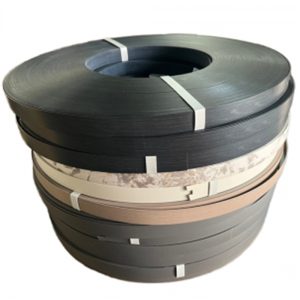
Bordatura in PVC di tutte le dimensioni e spessori
Materiale in PVC, resistente all'acqua, disponibile in tutti i colori, in tutte le dimensioni e spessori per diverse applicazioni, con una superficie perfetta.Bordatura

If you interested in our product, please leave you information here, we will send you more details
Get more information about the plywood
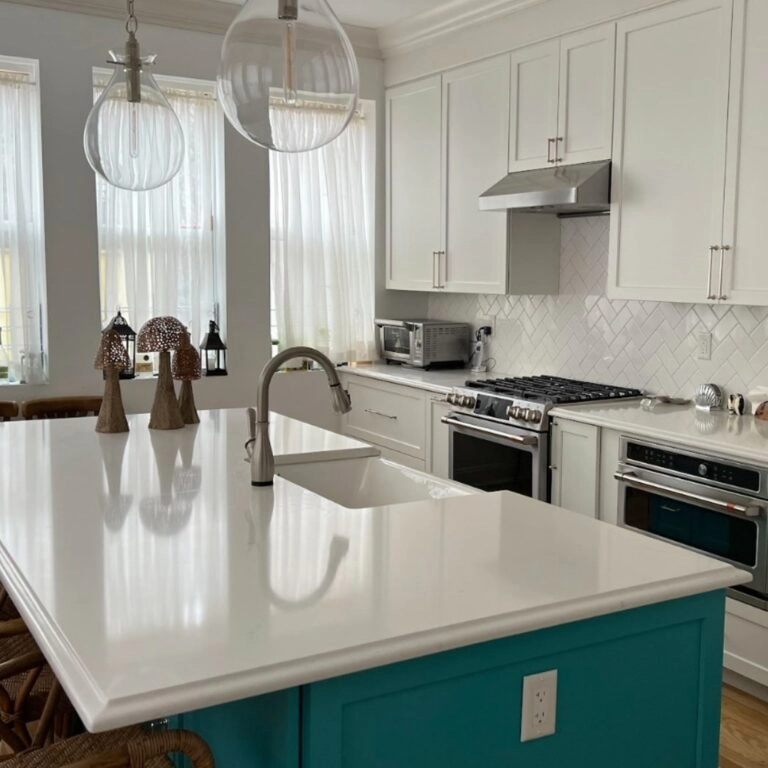
Mold-Resistant Plywood Sourcing Guide for Cabinet Manufacturing in Humid and Coastal Regions
1. Where Cabinet Manufacturers Face Mold-Related Board Problems Kitchens, bathrooms, and coastal interiors Tropical and coastal areas often have warm air and poor airflow. Wet cleaning routines, plumbing leaks, and daily condensation easily make cabinets damp. Sink units and bathroom vanities face high moisture risks. Laundry storage and base cabinets are also highly vulnerable. Wardrobes placed against poorly ventilated walls face similar threats. A panel might look perfect when it leaves the factory. However, it can still develop dark spots and musty odors after installation. Swollen edges are another common issue. Back panels and cut edges remain particularly vulnerable. These areas usually lack the strong protection found on the decorative face. The cost is higher than a stained panel Moisture damage often forces builders to replace cabinet sides and doors. This means repeating the installation process. It also requires paying for extra transport and labor. Such delays can seriously disrupt project handovers. Consequently, homeowners, developers, and distributors will likely complain. The real business risk involves heavy warranty costs and lost production time. Damaged client referrals hurt much more than just a ruined appearance. 2. Why Mold Develops in Plywood in Humid Markets Moisture reaches exposed edges and the core Wood fibers naturally absorb moisture from humid indoor air. They also take in water from direct contact. If a panel remains damp, mold will likely grow. Swelling can easily open up joints. It might also weaken the internal layer bonds. This allows trapped moisture to stay inside the wood. The overall risk depends heavily on the chosen adhesive and core quality. Moisture conditions, edge sealing, proper installation, and regular maintenance also play vital roles. Surface protection cannot compensate for weak construction Melamine facing only offers surface-level water resistance. It cannot stop moisture from entering through edge-banding gaps. Hardware mounting holes and cut surfaces on back panels are also weak points. You might compare marine board, laminated marine plywood, and ordinary plywood. Always check the waterproof classification carefully. You should also demand independent anti-mold evidence. Standard marine-board testing focuses mostly on bond strength during boiling-water exposure. These tests do not automatically require specific anti-mold or antibacterial treatments. Surface mold can still grow quickly in stagnant, highly humid rooms. Never assume that the word “marine” guarantees a mold-proof product. 3. What to Look for in Mold-Resistant Plywood Check core quality and continuity Cabinet carcasses, shelves, and doors require careful inspection. Check if the core uses a single wood species or a mixed blend. You must also see if the veneers are tightly arranged. A full eucalyptus core offers good strength and density. However, the wood species alone does not guarantee mold resistance. Always inspect the panel cross-section. Look closely for hidden gaps, empty voids, and weak bonding. Evaluate adhesive, moisture resistance, and test evidence Before buying, you should confirm these details: The specific core material and the exact construction method. Actual waterproof or moisture-resistance test results for your intended use. A separate anti-mold test report, which must include the sample description and performance grade. Consistent board thickness, overall flatness, and stable moisture content. Clear guidance for properly sealing edges, joints, and installation penetrations. The term “waterproof plywood for kitchen” does not represent a single universal grade. Class II waterproof performance often suits humid furniture applications well. However, this rating does not mean a cabinet can sit in standing water. It also cannot survive indefinite immersion. 4. How QIANGYI PLYWOOD Addresses the Risk Full eucalyptus core and fully interlocked construction Our glutinous rice glue plywood features a 100% full eucalyptus core. We do not use a cheaper poplar-eucalyptus combi core. Our factory selects premium Grade A material for production. We apply a fully interlocked core construction method. This involves a continuous cold- and hot-pressing process. As a result, the core contains no empty voids or overlapping gaps. Its cross-section remains tightly packed, much like solid wood. This solid structure creates a very flat substrate. It offers excellent resistance against edge chipping during CNC carving, grooving, and drilling. It also performs exceptionally well for PUR edge banding. Glutinous rice adhesive and controlled processing Our process uses Lingmei glutinous rice adhesive. This material is made from glutinous rice flour, magnesium chloride, magnesium oxide, and water. Once it cures, the glue builds a thick shield around the wood fibers. This step blocks the tiny channels where water normally enters. The magnesium-based parts set up an alkaline setting. Also, the deep soaking of the glue manages dampness very well. These actions work together to stop mold from growing easily. The standard moisture-content specification for this item sits at 8%–14%. Please check and confirm the exact needs for your specific order. Please see our AA wood-core waterproof melamine-faced plywood for furniture to explore a specific product option and view detailed finish choices. 5. Evidence and Purchasing Value for Humid-Market Projects What the test report says A testing document examines an 18 mm glutinous rice glue plywood sample. QIANGYI PLYWOOD provided this specific material. The evaluation followed the JC/T 2039-2010 standard. According to the results, the board achieved an anti-mildew rating of Grade 0. Furthermore, it showed an antibacterial rate of more than 99%. The document clearly explains that Grade 0 means there is no mildew present. For the antibacterial part of the test, the researchers used Escherichia coli and Staphylococcus aureus. At the same time, the anti-mildew assessment involved several types of fungi. This group specifically included Aspergillus niger. You can ask us to verify the test report for your specific product choice. Kitchen and bathroom projects require extra attention. Therefore, you should also review the Class II waterproof test results. Pay close attention to the reported 24-hour water absorption data. The official thickness-swelling rate sits at no more than 2.4%. A Philippine distributor’s market experience A Philippine distributor first contacted our team online in early 2026. This client later visited our official booth at the Canton Fair in March. After reviewing our physical samples, the buyer placed an initial order in April. That first shipment featured a single color design. Following the successful delivery, the ENF grade and smooth surface finish really stood out. The impressive waterproof and termite-resistance features also quickly attracted local cabinet and furniture customers. You might need to compare marine plywood vs. ordinary plywood for a project. Always match the core type and adhesive quality to your needs. You must also align the moisture resistance and anti-mold evidence with the finished furniture’s actual environment. Make sure to confirm the exact application and board thickness. Check the face design, edge treatment plans, and laboratory reports carefully before ordering. Meet QIANGYI PLYWOOD at THE 2026 GUANGXI INTERNATIONAL FOREST PRODUCTS AND WOOD PRODUCTS EXHIBITION. You will find us at Booth D5T-06. The event takes place at the Nanning International Convention & Exhibition Center from November 21–23, 2026. 6. FAQ Q: Will QIANGYI PLYWOOD Glutinous Rice Glue Functional Laminate Plywood get moldy? A: The panel successfully prevents mold growth under normal indoor conditions. This includes the high humidity and slight condensation typically found inside kitchens and bathrooms. This protection comes from its Grade 0 anti-mildew performance and the dense, mildly alkaline adhesive layer. However, extreme conditions can still damage any wood-based panel. Severe, persistent plumbing leaks pose a massive threat. Prolonged immersion in standing water without proper airflow will also cause harm. You must ensure proper ventilation and thorough edge sealing to guarantee long-term durability. Q: Is it suitable for the humid environment of the South? A: Yes, it works very well. The board features a reliable Class II waterproof performance. It also boasts a reported 24-hour water absorption and thickness-swelling rate of no more than 2.4%. The material perfectly suits properly designed kitchen and bathroom cabinets. However, it cannot handle permanent water immersion. Q: Is marine plywood automatically mold-resistant? A: No, that is not necessarily true. Marine plywood standards, such as BS 1088, primarily evaluate structural bonding strength. They test this under highly demanding wet conditions. This often includes boiling-water exposure, which experts commonly discuss regarding WBP performance. These tests focus heavily on preventing layer delamination. However, this process does not establish any chemical or physical resistance against indoor fungi. Aspergillus niger is a prime example of such a threat. For modern cabinet applications, you should always request a dedicated anti-mildew report. Make sure it covers indoor fungi testing, such as an evaluation based strictly on JC/T 2039-2010. Q: Does a melamine face prevent mold inside plywood? A: No surface finish can completely protect every exposed edge or open joint. You must specify a highly suitable core and a reliable adhesive. Furthermore, installers must properly seal all cut edges, screw holes, and installation penetrations. Q: What should cabinet manufacturers confirm before buying mold-resistant plywood? A: Buyers must confirm the exact core species and verify the fully interlocked construction. You should also check the thickness consistency and moisture tolerances. Always review the waterproof classification, the official anti-mold report, and the surface finish quality. Finally, discuss the factory’s batch inspection arrangements. You need to request a physical sample. Then, check that all technical documents perfectly match the quoted product. You can easily reduce your sourcing risk today. Simply send us details about your target market and specific cabinet application. Please include your required size, board thickness, core choice, and surface preferences. Do not forget to mention your estimated order quantity. Our team can help match you with the perfect panel. We will provide all relevant test documents and quickly arrange physical samples. You can also meet us directly at Booth D5T-06 in Nanning from November 21–23, 2026.
Termite-Resistant Plywood Checklist for Resort Contractors
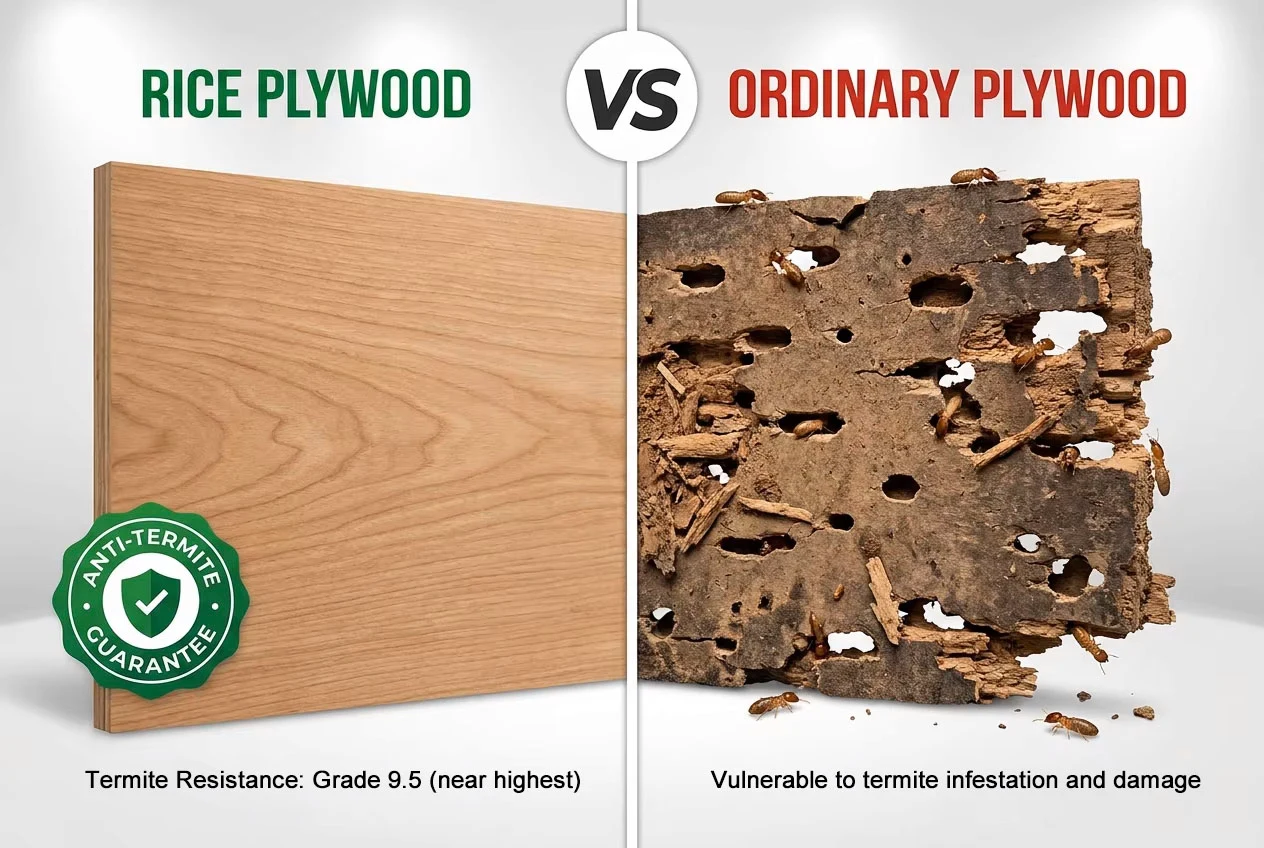
A resort guest room might appear perfectly finished. However, hidden spots like wardrobes, vanity units, and decorative wood wall paneling remain highly prone to termite damage. Finding this issue after handover leads to the expensive removal of fitted furniture. It also requires repairs to nearby finishes. Meanwhile, interruptions to room turnover can directly hurt operating revenue. For general contractors and procurement teams working on tropical or coastal resort properties, termite-resistant plywood requires careful scrutiny at the sample-approval stage. It includes verification of reliable test evidence and on-site installation conditions, to reduce future risks. How Hidden Termite Damage Creates Costly Resort Fit-Out Problems High-Risk Areas in Guest Rooms and Built-In Furniture You should check wardrobes placed against outside walls. Also, inspect vanity units located near plumbing. Look closely at minibar cabinets and timber-lined service zones. These closed spaces can hide termite action for a long time. A neat laminate face does not show what is going on at a cut edge. It also hides issues at a screw hole or an exposed plywood core. Poolside bungalows might face constant moisture contact. At the same time, ground-level villas often have more connection points near plants and dirt. How Termites Turn Small Defects Into Project Costs Replacing a ruined cabinet side usually demands taking off custom cabinet doors. You also have to remove countertops, hinges, and nearby finishing trim. Suppose plywood from the same batch is installed across many guest rooms. In that case, a termite complaint in just one room might cause the temporary shutdown of an entire building for inspection. Contractors could then face drastically higher labor costs. They might deal with contractual claims for project delays. Disputes over supplier responsibility can also arise. Prevention begins by picking termite-resistant panels. These panels must be backed by compliant test reports early in the project. Why Ordinary Plywood May Fail in Termite-Prone Interiors Wood Fibers and Concealed Entry Routes Termites eat the cellulose found in wood. They can access hidden furniture spaces through tiny cracks in concrete. They also enter via openings around electrical conduits. Standard edge-banding strips offer only physical coverage. They cannot stop termites from attacking the inner veneers. Even a beautiful decorative surface leaves the wood fibers open to attack if the core lacks termite protection. Therefore, edge sealing needs to work together with the plywood’s own termite resistance. It should also be paired with a building-wide pest-management program. Why Marine and Melamine Plywood Need Separate Checks Is laminated marine plywood termite resistant? Not automatically. Marine-grade bonding is designed to endure specific moisture exposure. It is not, on its own, proof of insect resistance. Similarly, a melamine surface enhances looks and makes cleaning easier. However, it does not certify the inner core against termites. When you compare water and termite resistant plywood, make sure to ask for distinct results for each feature. Termite-Resistant Plywood Checklist Before Resort Procurement Verify the Test Report and Match It to the Order Do not accept a basic “termite proof plywood” claim. You must check the test method, report date, and sample description. Also, verify the thickness and rating. Match those specific details against the planned purchase. Keep the approved sample to compare it with the delivered sheets. Before you release a large order, write down the exact panel construction in the purchase specification. A similar-looking decorative finish placed on a different core should never count as an approved substitute. Project check What to confirm Test evidence Termite rating and the actual test conditions Product identity Core species, adhesive system, thickness, finish Delivery control Sample match, batch markings, packaging condition Installation Cut edges, penetrations, wall clearance, pest treatment Inspect the Core and Site Conditions Request a cross-section sample. Look closely for gaps between veneers. Check for uneven construction and damaged edges. For bathroom vanities, confirm exactly how splashes and pipe penetrations will be handled. For wardrobes set against external walls, review the building’s pest-management plan. A solid procurement checklist evaluates both the panel itself and the locations where it will be installed. How QIANGYI PLYWOOD Addresses Termite Risk Lingmei Glutinous Rice Glue and Tested Resistance Our glutinous rice glue plywood utilizes Lingmei adhesive. This glue is made with glutinous rice starch, magnesium chloride, magnesium oxide, and water. The cured adhesive creates an alkaline environment. This is a key part of our strategy for termite resistance. Instead of just trusting the glue description, contractors can review the finished board’s actual test results. For a specific choice, check out our 18mm termite-resistant eucalyptus-core plywood. Eucalyptus Core and Fully Connected Veneers Our furniture-grade plywood uses 100% high-density eucalyptus veneers. It features a fully core-connected, seamless layup. This design is meant to remove internal voids and overlapping veneer flaws. The dense core boosts screw-holding strength. It also improves flatness during secondary processing. Furthermore, it decreases internal gaps. It avoid termites could use those gaps to enter the panel and build nests. Explore our 100% eucalyptus-core glutinous rice glue plywood. What Grade 9.5 Means for Resort Project Approval Read the Termite Test Result, Not Just the Rating A test report GIZ/TR-2024-0301-0186 shows Grade 9.5 for Glutinous Rice Glue Multi-functional Plywood based on GB/T 18260-2015. The four-week laboratory test utilized 18mm plywood. Inspectors observed minor damage. This included one or two termite tunnels or traces. That serves as helpful evidence of resistance under those specific test conditions. However, it is not a guarantee that every installed panel will stay completely untouched forever. A Mauritius Customer Case and the Next Procurement Step QIANGYI PLYWOOD has been delivering 100% eucalyptus core multi-layer boards in large volumes to furniture makers in Mauritius. We also supply other Indian Ocean island markets extensively. Multiple full cabinet deliveries have already been completed. The island climate features severe salt spray, intense humidity, and strong heat. This harsh environment has proven the structural stability of our plates. They perform well during stable processing. They also hold up in moisture-proof packaging for shipping and throughout long-term service. This provides a very dependable reference for batch material selection in coastal resort projects. For direct specification discussions, please visit QIANGYI PLYWOOD at THE 2026 GUANGXI INTERNATIONAL FOREST PRODUCTS AND WOOD PRODUCTS EXHIBITION. Find us at Booth D5T-06, Nanning International Convention & Exhibition Center, from November 21 to 23, 2026. Bring your project drawings and target panel specifications. We can then discuss proper samples and relevant test evidence. FAQ Q: Is glutinous rice glue plywood suitable for humid coastal resorts? A: Yes. Our glutinous rice plywood passed the Class II waterproof test report. Therefore, it can be applied to humid/wet condition furniture. It’s marine grade plywood perfect for kitchen/ bathroom cabinet. Q: How should contractors judge plywood quality before installation? A: Evaluate the flatness and the exposed core. Check the thickness consistency and edge finishing. Also, review the matching test report. Always keep an approved sample on site. Q: Is marine plywood automatically termite resistant? A: No. Moisture-resistant bonding and termite resistance are entirely different properties. You must request evidence for both. Q: Does Grade 9.5 mean a resort will never need pest treatment? A: No. The grade only applies to the tested specimen. Termite monitoring remains important. Proper sealing and regular building maintenance still matter greatly. Are you planning a resort fit-out? Send us your room applications, needed thickness, quantities, and final destination. We can talk about a proper panel specification. We will also provide the supporting test report before you approve the order.

Fireproof Plywood Comparison for Hotel Interior Procurement
Three suppliers quote fireproof plywood for a hotel renovation. Their samples look similar, but one says “B1,” another mentions surface treatment, and the third lacks a finished-panel report. Which can the contractor submit for approval? That uncertainty matters more than a small price difference. Rejected panels can hold up cabinetry, wall finishes, and guest-room handover. Compare actual panels rather than quotation labels. Here, “fireproof plywood” means flame-retardant plywood, not noncombustible wood. When Fireproof Plywood Selection Holds Up Hotel Interior Approval Similar Plywood Samples, Different Fire-Performance Claims Consider panels for guest-room headboards, for built-in wardrobes and for reception joinery. A woodgrain finish may be satisfactory to the designer, but to the reviewer it is necessary to provide evidence of the specified reaction-to-fire performance. A claim of B1 flame retardancy needs to be supported by a description of the test method and of specimens tested. Approval requirements for a guest-room wardrobe, corridor wall finishes, and joinery off a restaurant would typically differ. The material schedule must reflect these differences and not allocate one grade to the entire space. An unfinished-panel report cannot automatically verify a laminated part of different completion status. Is this configuration even relevant? Material Rejection, Rework, and Delayed Handover Mismatches found after cutting can mean reworking of edge banding and machining. Even earlier resubmission of samples can delay purchasing. Check the fire performance data of alternative materials at the quotation stage. What may appear to be a cheaper sheet through the purchase process could end up costing more after consideration of the necessary labor, the cost of an alternative veneer, and additional approval time required by the workshop and site. This will only cause additional delay to both parties. Why Fireproof Plywood Options Cannot Be Compared by Label Alone The Role of Wood, Adhesives, and Flame-Retardant Treatments Wood veneer is a combustible material. The properties of the adhesives, treatments, and panel construction can greatly affect the behavior of the finished product. Some products are treated on the surface, whereas others include mineral components in the bonding agent. Neither of these approaches constitutes a specific classification name. The specific fire test matters because heating may involve flame spread, energy release, smoke production, or droplets. A short promotional flame demonstration cannot replace these measured outcomes, especially when people will sleep in the rooms where the materials are installed. Note that reaction-to-fire classification of panels differs from the fire resistance of complete doors or partitions. Why Thickness, Finishes, and Installation Details Matter Factors such as PET facing, melamine, coatings, and thickness variations need to be taken into account when determining test applicability. Cutting and edge finishing must be executed within approved parameters. You have dozens of wardrobe fronts to match. Make sure to clarify all these details prior to approving the sample. No one wants to spend hours of work cutting panels that were based on an 18 mm melamine-faced board when the report said it was some other specimen. It’s better to clear up any confusion before the panels are nested for cutting on the CNC. How to Compare Fireproof Plywood for Hotel Interiors Compare Three Supply Options Against the Same Project Requirements When purchasing fire-retardant plywood, compare all quotes on an ‘equal basis’ against identical specification requirements and do not just go for the lowest price offer. Panel option What to compare Potential procurement gap Standard decorative plywood Finished-panel test evidence Appearance does not confirm flame retardancy Surface-treated plywood Treatment system and tested finish Unverified substitutions during fabrication Mineral-adhesive plywood Panel construction and fire-test results Adhesive claims without matching panel evidence These are not performance rankings. For example, a surface-treated panel that has been tested may be preferred over an untested mineral-adhesive panel, or vice versa. Set Acceptance Criteria Before Comparing Prices Check the classification, applicable standard, room of use, and panel configuration. Compare the development of fire, the amount of heat produced by the fire, the amount and type of smoke produced by the fire, and the burning droplets produced by the fire, wherever applicable. After that, please check the dimensions, surface finish, machining, and sample availability of the mentioned product. In the RFQ, have each supplier list out the proposed panels by code and list out any substitutions with a separate answer. This allows purchasing, fabrication, and site to use the estimator’s work for comparison purposes. How QIANGYI PLYWOOD Addresses the Fire-Performance Requirement The Magnesium-Based Ingredients in Lingmei Glutinous Rice Glue Glutinous rice glue plywood is made with Lingmei adhesive composed of glutinous rice flour, magnesium chloride, magnesium oxide, and water. The plywood is flame-retardant due to the content of magnesium oxide. However, classification of plywood has to be done by means of testing the finished product. Our eucalyptus core plywood is offered with full eucalyptus veneers as opposed to a combi core; this helps to define repeat orders. The Cured Adhesive Structure Within the Plywood Panel Our veneers are made up in a full core connected formation, with adhesive applied layer by layer. This type of construction allows for a complete and closely fitted cabinet or decorative joinery item, unlike the partially connected core found in some constructions. The machining of long headboards benefits from core continuity. Fire testing is the only way to determine the behavior of finished panels under exposure. What the Flame-Retardant Test Report Means for Hotel Procurement Read Report WT245100363 and Its Tested Limits Report WT245100363 describes the test results for the burning behavior of tested items and compares them against the B1 (B) requirements with qualified results. The test was conducted according to GB/T 20284-2006 and GB/T 8626-2007. Test item Measured result What it tells a buyer Fire growth rate index, FIGRA 79.8 W/s Below the stated 120 W/s limit Total heat release, THR600s 3.9 MJ Below the stated 7.5 MJ limit Smoke classification s2 A defined smoke category, not smoke-free Burning droplets/particles d0 No burning droplets/particles under the specified test conditions The lateral flame spread was also in compliance with the test requirements. Note that the test results are specific to the tested specimen and may not reflect results for other thicknesses or finishes. See the complete report for details. Match the Tested Product to the Approved Sample and Purchase Order Before releasing a hotel order, follow a simple sequence: 1. Verify local project standards and locations where classification is required. 2. Verify that the information in the report corresponds with the requested thickness, eucalyptus core, and decorative face. 3. Approve the physical sample and note the exact configuration in the corresponding purchase order. 4. Check delivered panels against the approved sample prior to cutting. This helps avoid changes after fabrication. Ready to finalize your hotel interior plywood specification? Send QIANGYI PLYWOOD your panel schedule, required thickness, decorative finish, and applicable fire-performance criteria. Request matching samples, finished-panel test documentation for the proposed configuration, and a project quotation before placing your order. We look forward to meeting you at THE 2026 GUANGXI INTERNATIONAL FOREST PRODUCTS AND WOOD PRODUCTS EXHIBITION, to be held on November 21–23, 2026, at Nanning International Convention & Exhibition Center, Booth D5T-06. Please bring the relevant project drawings and panel requirements. FAQ Q: Is fireproof plywood completely noncombustible? A: No. Fireproof plywood achieves its flame-retardant effect through incomplete combustion. The wood chars only on the surface and does not produce an open flame. However, this does not mean the plywood is completely noncombustible. Q: How does fire-retardant plywood compare with standard plywood for hotel interiors? A: Compare finished panels against the required classification. Standard plywood without matching evidence cannot be assumed to meet the same requirement as a tested flame-retardant panel. Q: Is this full eucalyptus core or a combi core? A: Our glutinous rice glue plywood uses a full eucalyptus core with fully core-connected veneer assembly. Q: Can flame-retardant plywood be laminated or cut without affecting its classification? A: Yes. The original fire-performance classification remains valid after lamination or cutting. The test and classification scope covers laminated plywood, so lamination does not invalidate its flame-retardant performance. Q: Do you have test reports for the fire-retardant performance? A: Yes. The burning-behavior report includes B1-related results such as FIGRA, heat release, smoke classification, and burning droplets.
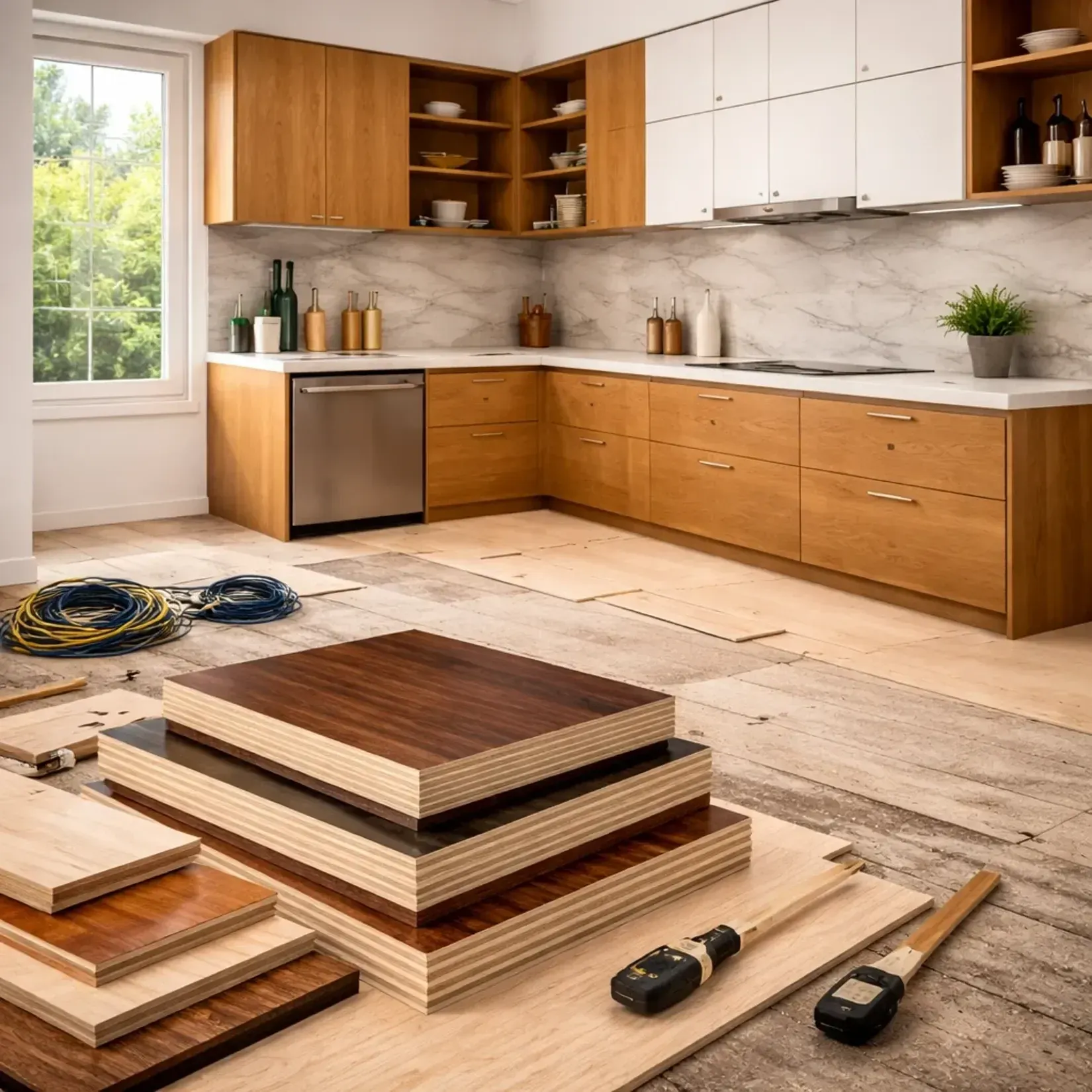
Guida all'acquisto di compensato resistente all'umidità per mobili sottolavello
Un mobile sottolavello potrebbe uscire dalla fabbrica in perfette condizioni. Tuttavia, dopo pochi mesi, potrebbe presentare un problema che invalida la garanzia. Una piccola perdita idraulica o frequenti lavaggi con acqua possono causare il rigonfiamento del fondo, con conseguente distacco del bordo di rifinitura. A quel punto, l'installatore si troverebbe a dover affrontare una riparazione complessa. I produttori di mobili da cucina devono proteggere i loro prodotti finiti ed evitare costosi interventi di riparazione successivi. Pertanto, la scelta di un compensato resistente all'umidità non si limita alla semplice etichetta di impermeabilità, ma si basa sulle reali prestazioni del materiale. Perché il rigonfiamento del mobile sottolavello crea problemi costosi per i produttori Sotto un lavello, l'area è esposta a un livello di umidità diverso rispetto a un ripiano della cucina. Perdite dalle tubature, condensa sui tubi e pulizia con panni bagnati possono causare il rigonfiamento dei pannelli, con conseguenti mobili dall'aspetto antiestetico e componenti mal assemblati che necessitano di essere rilavorati e richieste di assistenza post-vendita. Invece di affidarsi all'etichetta "impermeabile", quando si scelgono i materiali per i progetti, è opportuno testare la reazione dell'incollaggio e dell'anima del pannello al rigonfiamento causato dall'umidità. I problemi con i mobili spesso iniziano dove non si vede. Dove compaiono per la prima volta i danni causati dall'umidità nei mobili sotto il lavello Immaginate un appartamento in affitto dove uno scarico allentato gocciola acqua sul pavimento. Le pozzanghere si nascondono dietro flaconi di detersivo alti e rimangono lì inosservate per molte settimane. In un'altra casa, la condensa si accumula su un tubo dell'acqua fredda. Quell'umidità presto gocciola in un foro scoperto e non sigillato. I punti più deboli sono solitamente il pavimento inferiore, i fori per i tubi, gli angoli posteriori e le giunture vicino alla base del pavimento. Quando un lato tagliato si ispessisce a causa dell'acqua, sorgono problemi. Anche uno strato superficiale perfettamente sottile non aderirà più perfettamente. Come i pannelli gonfi portano a rilavorazioni e richieste di garanzia Riparare un rigonfiamento nella parte inferiore di un mobile non è quasi mai un'operazione semplice. Il tecnico potrebbe dover prima scollegare i tubi, estrarre i ripiani e tagliare le parti circostanti. Questo significa dover programmare un altro intervento a domicilio. Nelle cucine su misura, i pensili ravvicinati e i piani di lavoro pesanti ostacolano l'accesso. La fabbrica finisce per pagare la manodopera extra, gli spostamenti e il tempo impiegato. Nel frattempo, il proprietario di casa vede solo un prodotto di scarsa qualità. Anche un solo pezzo di legno difettoso può trasformare una buona vendita in una complicata controversia in garanzia. Perché i pannelli dei mobili sottolavello si gonfiano nonostante la protezione superficiale? Uno strato superficiale lucido può bloccare i normali schizzi d'acqua. Tuttavia, quella superficie è solo una parte dell'intero pannello del mobile. L'acqua può comunque infiltrarsi all'interno del legno. L'acqua penetra attraverso i bordi tagliati e le aperture degli impianti idraulici. Gli operai devono praticare dei fori nel pannello per il tubo di scarico del lavandino. Il legno interno appena esposto non ha il rivestimento originale di fabbrica. Se il foro rimane scoperto, l'acqua penetrerà direttamente nelle fibre del legno. Questo farà gonfiare il pannello e lo renderà più spesso. Listelli di rifinitura allentati, fori delle viti mal coperti e acqua stagnante sul fondo creano problemi simili. Aggiungere una vaschetta di raccolta in plastica e sigillare ogni fessura aiuta molto. Tuttavia, questi accorgimenti non possono compensare una cattiva colla all'interno del pannello stesso. Perché il compensato e l'MDF comuni reagiscono in modo diverso all'umidità L'MDF è realizzato con polvere di legno pressata finemente. Offre una finitura verniciata molto liscia. Tuttavia, i lati aperti possono gonfiarsi notevolmente se si bagnano. Il compensato è costituito da strati di vero legno incollati insieme. La sua reazione all'acqua dipende in gran parte dal tipo di legno, dalla colla scelta e dal modo in cui gli strati sono stati pressati. Questo aspetto è fondamentale quando si confronta il compensato marino con il compensato comune. La semplice etichetta non può dimostrare come un pannello specifico si comporterà dopo essere stato a contatto con l'acqua. Gli acquirenti devono esaminare i dati effettivi dei test e il metodo di costruzione. Non devono mai presumere che ogni pannello di compensato o MDF si comporti allo stesso modo. Come scegliere il compensato resistente all'umidità per i mobili sotto il lavello Un buon progetto per la base del lavello deve considerare l'interno del pannello. Deve inoltre proteggere i tagli appena effettuati durante il processo di costruzione. Dare priorità all'adesione resistente all'acqua e all'integrità del nucleo. Chiedete sempre ai vostri venditori informazioni sulla colla utilizzata per unire gli strati di legno. Verificate se la parte centrale presenta sovrapposizioni, fori vuoti o giunzioni deboli. Un nucleo solido e liscio rende il taglio e l'avvitamento molto più affidabili. Un test di pelatura per immersione rivela se la colla resiste in specifiche condizioni di umidità. Un test di rigonfiamento in spessore, invece, verifica un fattore completamente diverso. Per un progetto di ristrutturazione della cucina di grandi dimensioni, provate a utilizzare un metodo di verifica di base: *Esaminare attentamente i lati tagliati per individuare eventuali spazi vuoti all'interno. *Assicurati che il rapporto di pelatura per immersione corrisponda esattamente al pannello che acquisti. *Eseguire una rapida prova per sigillare i bordi attorno ai fori dei tubi. Verifica lo spessore, la protezione dei bordi e le specifiche di acquisto. Chi cerca pannelli di compensato di spessore adeguato per i mobili della cucina, solitamente opta per pannelli da 18 mm. Tuttavia, la dimensione ideale dipende in realtà dalla forma del mobile, dal peso complessivo e dal tipo di cerniere metalliche. Lo spessore del compensato dei mobili da cucina deve essere scelto insieme allo stile del nucleo, alla configurazione degli strati, al colore della parte superiore e al nastro di bordo. Richiedere chiaramente un sigillante impermeabile attorno alle fessure dei tubi, ilbordi inferiori e qualsiasi taglio fresco. Pensate alle case vicino al mare o ai pavimenti che vengono lavati quotidianamente. In questi casi, è necessario verificare anche la circolazione dell'aria e la facilità di accesso a eventuali perdite. Nessun pannello spesso potrà mai sostituire una progettazione edilizia intelligente. Come il compensato QIANGYI aiuta a ridurre il rigonfiamento del mobile sotto il lavello Noi di QIANGYI PLYWOOD affrontiamo i problemi causati dall'acqua utilizzando una miscela di colla pulita e idrorepellente. Inoltre, impieghiamo un'anima interamente in eucalipto. Questa speciale struttura impedisce la formazione di vuoti all'interno del legno. Non ci affidiamo solo a un bel colore superficiale per la protezione. La colla di riso glutinoso favorisce un legame resistente all'umidità. Il nostro compensato con colla di riso glutinoso utilizza l'adesivo Lingmei. Questa colla unica è composta da amido di riso glutinoso, cloruro di magnesio, ossido di magnesio e acqua pura. La colla liquida penetra in profondità nei minuscoli fori delle fibre di legno. Una volta asciutta, crea una rete di collegamento compatta e super resistente. Il compensato finale è progettato per raggiungere le emissioni di formaldeide ultra-basse di grado ENF. Allo stesso tempo, mantiene la sua robustezza e resistenza all'acqua. Stendiamo la colla uniformemente su ogni singolo strato. Successivamente, applichiamo una pressatura a freddo per 24 ore a temperatura ambiente. Asciughiamo con cura per raggiungere il giusto livello di umidità. Infine, lasciamo riposare e assestare correttamente. Questa meticolosa procedura mantiene costante la qualità della colla in tutte le produzioni. Previene il rigonfiamento causato da versamenti accidentali o dall'umidità dell'aria ambiente. Inoltre, riduce notevolmente il rischio che gli strati di legno si separino a causa di danni causati dall'acqua. L'anima in eucalipto e la struttura completamente interconnessa migliorano la stabilità del pannello. Anche la scelta del legno intermedio giusto è fondamentale. Per questo speciale compensato di riso glutinoso utilizziamo un'anima interamente in eucalipto. Non utilizziamo mai un'anima composta da legni misti scelti a caso. I fogli interni sono realizzati con una struttura a incastro completamente integrata. Ciò significa che i pezzi centrali si uniscono saldamente, garantendo solidità ed evitando la formazione di antiestetiche fessure all'interno del pannello. Questo dettaglio è fondamentale quando gli operai praticano fori per i tubi o avvitano le pareti del mobile. I punti deboli nascosti possono facilmente rompere un mobile. L'utilizzo di robusto legno di eucalipto e strati di colla uniformi garantisce un prodotto stabile e resistente. Anche con questa struttura robusta, è comunque necessario sigillare i bordi tagliati. Prove di collaudo e valore di approvvigionamento per i produttori di mobili sottolavabo Gli acquirenti più attenti richiedono prove concrete di una colla resistente, di un potere anti-rigonfiamento e di un buon supporto da parte del produttore. Risultati del test di resistenza all'acqua e di pelatura per immersione di Classe II Il rapporto ufficiale del test di pelatura per immersione, n. SZF-WT-25101715-03, mostra sei pezzi testati. Conferma un tasso di superamento perfetto del 100% e un punteggio di piena conformità. Le norme del test di Classe II prevedono l'immersione del legno in acqua calda a 63 °C ± 3 °C. Questo ottimo risultato dimostra che il legno resiste bene all'umidità. Tuttavia, non è progettato per rimanere immerso in acqua per sempre. Forniamo inoltre un Impegno di Responsabilità per l'Impermeabilità e la Resistenza al Rigonfiamento. Questo documento tratta i problemi validi di rigonfiamento dei bordi e di cedimento della colla dopo l'installazione. Gli acquirenti sono sempre tenuti a verificare queste regole per accertarsi che corrispondano ai loro ordini e progetti specifici. Risultati di un'ora di immersione e valore concreto dell'approvvigionamento nel mondo reale Un diverso test di immersione di 72 ore esamina tre tavole distinte una accanto all'altra. Le variazioni di spessore registrate sono: Materiale Prima dell'ammollo Dopo 72 ore Aumento compensato con colla di riso glutinoso 18,20 mm 18,35 mm 0,15 mm Compensato ordinario 18,13 mm 19,05 mm 0,92 mm MDF 18,30 mm 20,66 mm 2,36 mm La minima variazione di dimensioni rivela il vero valore di un pannello stabile. I bordi gonfi rendono molto difficile il montaggio dei mobili. Naturalmente, questo test di base non sostituisce i controlli ufficiali di qualità. Nel mercato filippino, caratterizzato da un'umidità elevata, un venditore di pannelli di legno ha provato per la prima volta un colore del nostro compensato con colla di riso glutinoso. Ne è rimasto entusiasta, ne ha acquistato molto di più e in seguito ha aggiunto nuovi colori. Questa storia dimostra il forte interesse degli acquirenti. Non fornisce, tuttavia, una stima precisa della durata utile dei pannelli, dal lavello al mobiletto. Prima di ordinare una grande quantità, controllate sempre i campioni, le regole precise, i documenti di prova e le politiche di reso. Possiamo parlare di tutti questi argomenti alla Fiera Internazionale dei Prodotti Forestali e del Legno del Guangxi 2026. Ci trovate allo stand D5T-06 presso il Nanning International Convention & Exhibition Center, dal 21 al 23 novembre 2026. FAQ D: Il vostro compensato è realizzato con un'anima interamente in eucalipto o con un'anima mista? A: Il nostro compensato di riso glutinoso ha un'anima interamente in eucalipto. Presenta una struttura con impiallacciatura a collegamento diretto tra anima e legno. I falegnami dovrebbero verificare attentamente i dettagli esatti dell'anima quando richiedono campioni o listini prezzi. D: Perché il compensato si gonfia intorno ai fori per gli impianti idraulici del lavello della cucina? A: La foratura dei fori per i tubi danneggia le fibre del legno, rimuovendo lo strato esterno protettivo. Piccole gocce di acqua fredda o condensa possono facilmente penetrare nelle pareti tagliate. Quando il legno assorbe quest'acqua, i bordi si gonfiano, esercitando pressione sul nastro di bordatura e rovinando la bella finitura esterna. D: Il vostro compensato di colla di riso glutinoso è impermeabile o adatto all'ambiente marino? A: Il nostro pannello ha superato i test di resistenza all'acqua di Classe II secondo le rigide norme nazionali. È costruito per ambienti interni molto umidi. Ciò include mobili per lavelli da cucina, mobili per il bagno,e case sul lungomare. Resiste egregiamente agli schizzi quotidiani e all'umidità che si accumula. Tuttavia, non bisogna mai lasciarla immersa in acqua per lunghi periodi. D: Come possono i produttori di mobili verificare le prestazioni anti-rigonfiamento prima dell'acquisto all'ingrosso? A: Dovresti visionare un campione reale. Verifica i punteggi di pelatura per immersione e la prova di rigonfiamento in spessore. Esamina lo stile dell'anima interna e le regole di ispezione promesse. I risultati dei test devono corrispondere chiaramente al legno esatto che stai acquistando. D: Il compensato resistente all'umidità richiede comunque la sigillatura dei bordi nei mobili sottolavello? A: Sì, assolutamente. Devi sigillare tutti i tagli freschi, le fessure dei tubi e le giunture deboli. Inoltre, ripara subito eventuali perdite d'acqua. Una colla resistente e buone abitudini di costruzione lavorano perfettamente insieme. Prevengono banali guasti ai mobili.
Please fill out the form below and we will get back to you as soon as possible.