
Mga Produkto
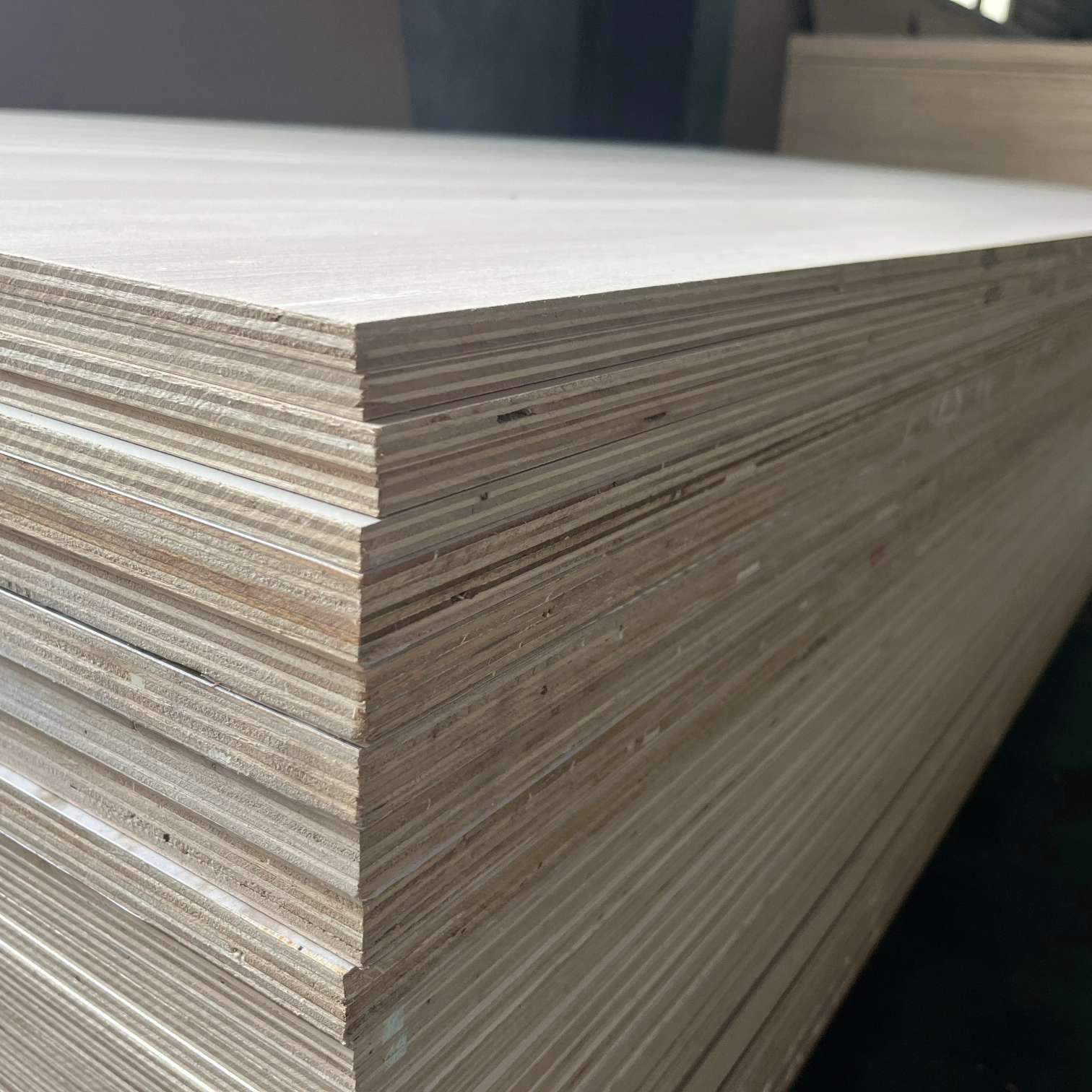
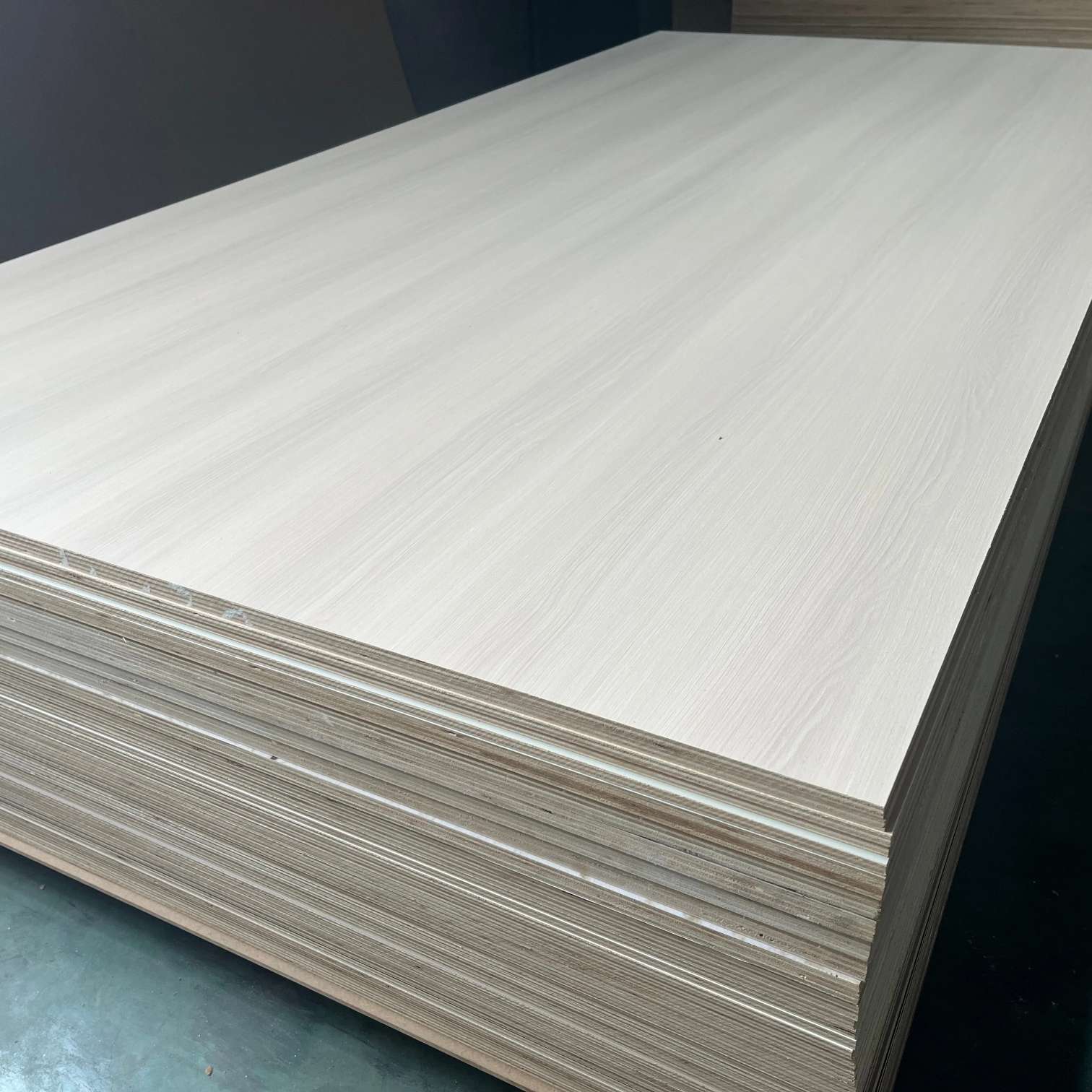
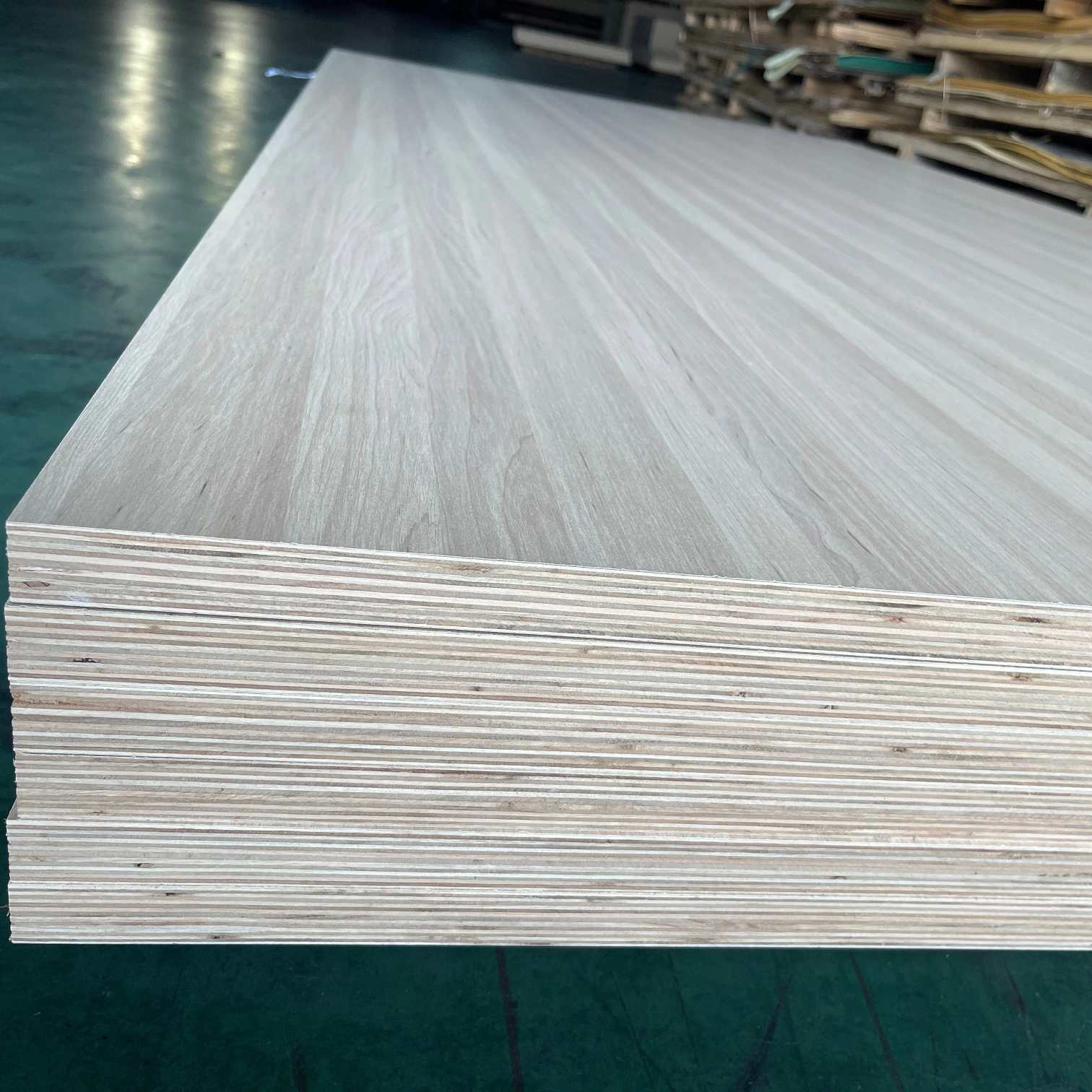
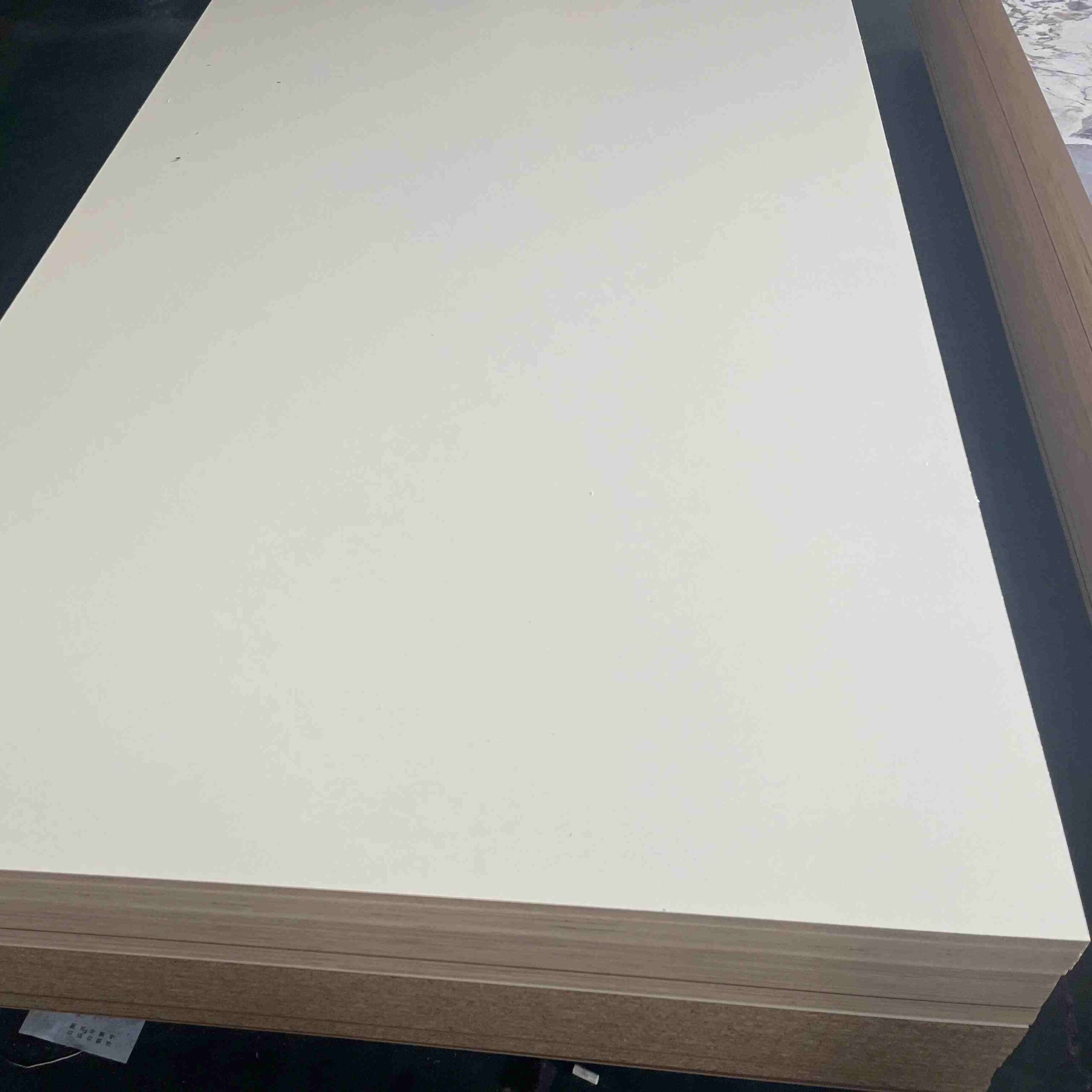
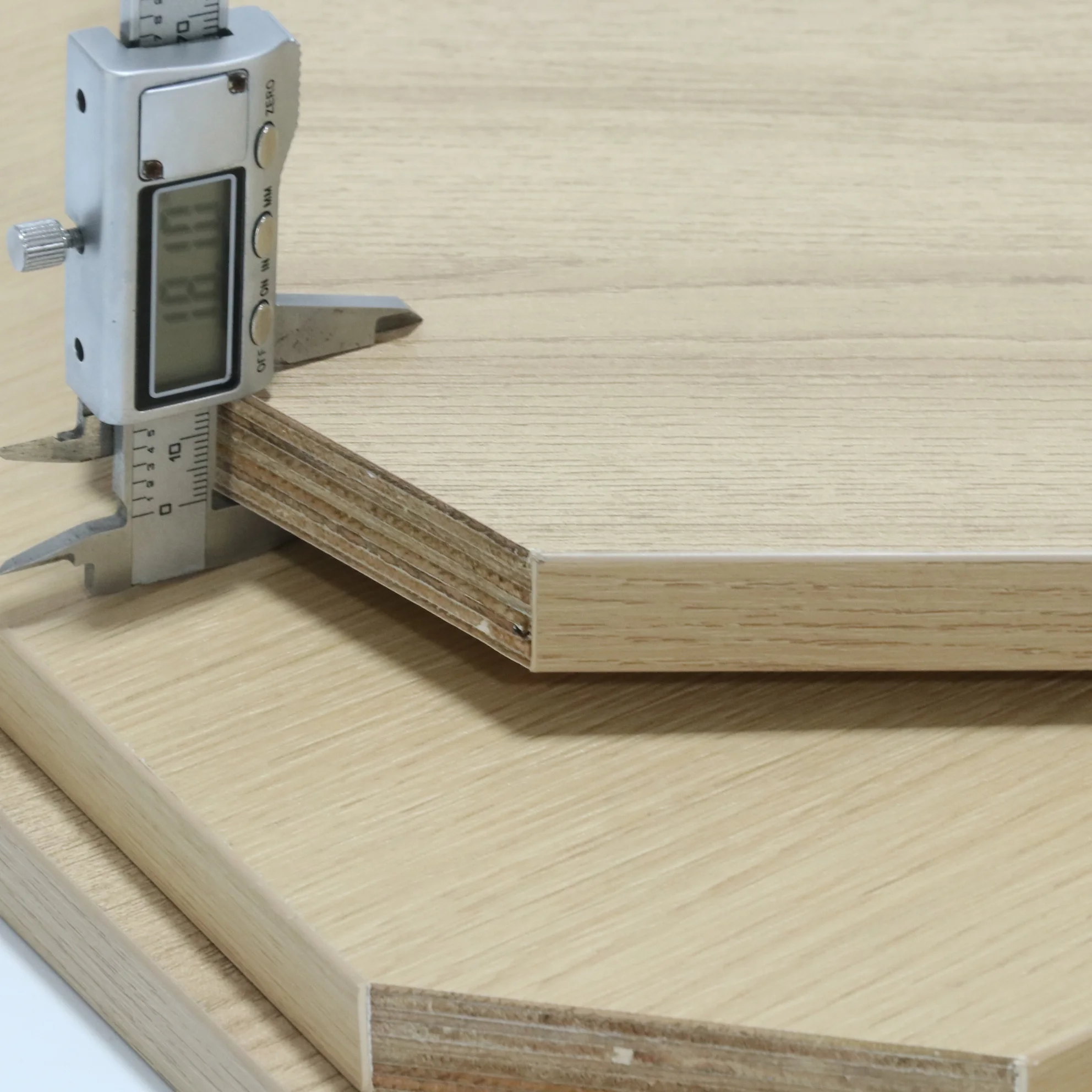
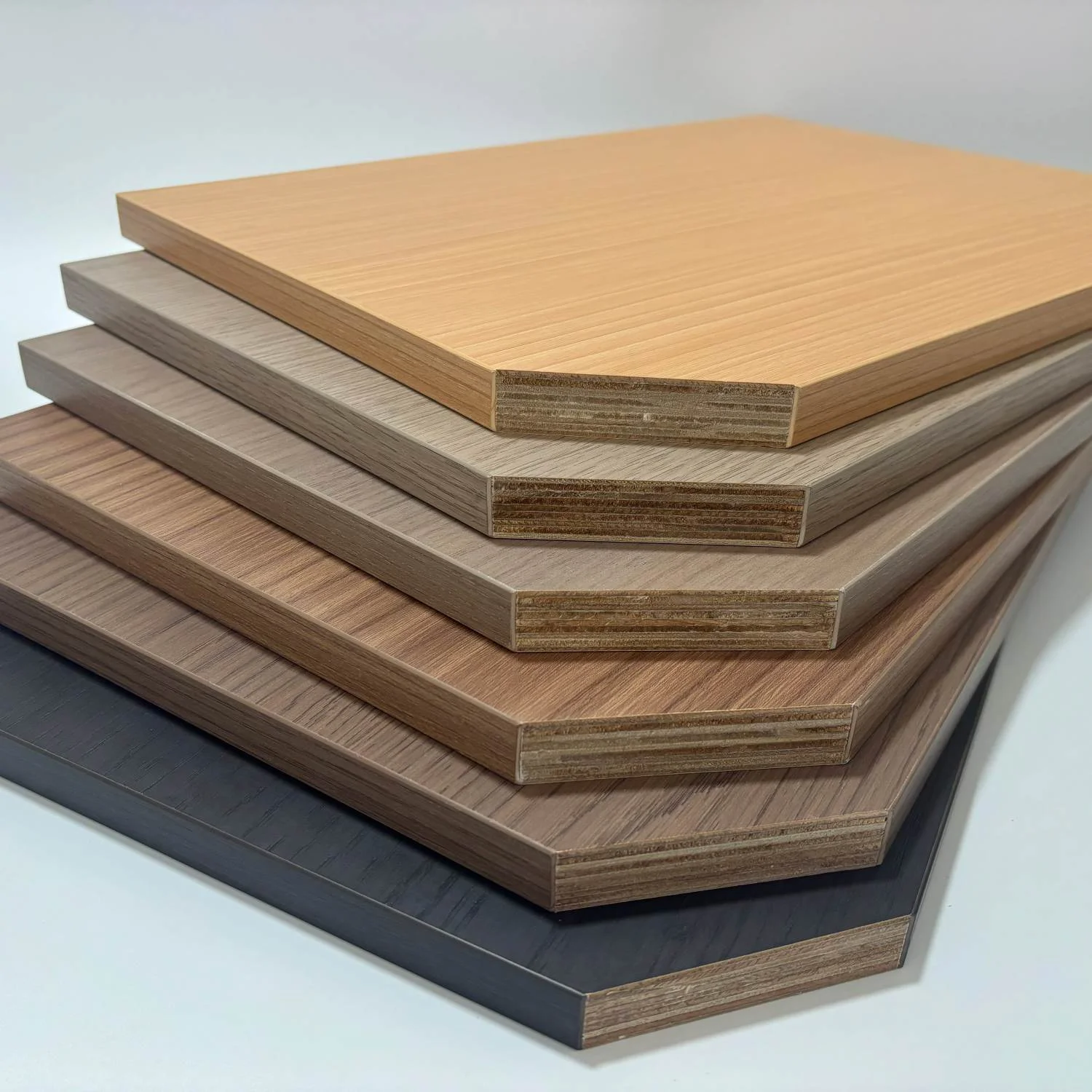
Sertipikadong EPA na hindi tinatablan ng tubig at hindi tinatablan ng anay, plywood laminated marine plyboard para sa mga kabinet sa kusina.
Bakit Mas Mainam na Pamumuhunan sa Pilipinas ang Plywood na Lumalaban sa Anay? Isang Pagsusuri sa Gastos at Benepisyo
Ang klima sa Pilipinas ay mahalumigmig at mainit, at ang plywood ay nalalantad sa mataas na halumigmig sa loob ng mahabang panahon. Bagama't ang mga murang board ay maaaring makabawas sa mga paunang gastos sa pagbili, kapag ang mga ito ay naging mamasa-masa o nasira, madali itong dapuan ng anay, at ang mga kasunod na gastos sa pagpapalit at pagkukumpuni ay kadalasang mas mataas.
Kaya naman, kapag bumibili ng plywood na lumalaban sa anay sa Pilipinas, hindi mo dapat ikumpara ang presyo kada sheet lamang. Kailangan mo ring kalkulahin ang gastos sa buong buhay ng serbisyo.
Mga Nakatagong Gastos ng Murang Plywood
Karaniwang pumapasok ang mga anay sa mga gilid ng panel, mga butas sa core, mga bitak, o mga mahihinang linya ng pandikit. Kadalasang nakatago ang maagang pinsala sa loob ng plywood. Sa oras na lumitaw ang mga nakikitang palatandaan sa ibabaw, maaaring humina na ang lakas ng istruktura nito.
Ang mga nagresultang gastos ay maaaring kabilang ang:
Pagpapalit ng mga kabinet, pinto, at muwebles
Pag-aalis at pagpapanumbalik ng mga dingding o mga pandekorasyon na tapusin
Pagbabayad muli para sa transportasyon at pag-install
Paulit-ulit na paggamot sa anay
Mga pagkalugi sa pagkaantala ng negosyo para sa mga hotel, paupahang ari-arian, at mga komersyal na espasyo
Kung ikukumpara sa paulit-ulit na pagkukumpuni, ang pagpili ng maaasahang anti-termite plywood sa simula pa lamang ay kadalasang mas angkop para sa pangmatagalang pagkontrol sa gastos.
Ano ang Dapat Mong Hanapin sa "Plywood na Hindi Tinatablan ng Anay"?
Ang terminong plywood na hindi tinatablan ng anay ay kadalasang ginagamit bilang paglalarawan ng pagganap sa merkado. Hindi natin maaaring husgahan ang resistensya ng plywood sa anay batay lamang sa etiketa.
Kapag pumipili ng plywood na lumalaban sa anay, dapat nating isaalang-alang ang:
Ang pangunahing materyal at pangunahing istraktura
Ang pandikit
Kung ang plywood ay moisture-resistant at waterproof
Paano nakakamit ng plywood ang resistensya sa anay
Kung mayroon bang available na ulat sa pagsubok laban sa anay
Bakit Dapat Din Isaalang-alang ang Core Structure at Waterproof Performance?
Maaaring pahinain ng halumigmig ang tibay ng pagdikit, na nagiging sanhi ng pagbitak, pagbaluktot ng hugis, at paglalantad ng mga panloob na patong ng plywood. Pinapataas nito ang panganib ng pinsala ng anay. Samakatuwid, kapag ginagamit ang plywood sa Pilipinas, dapat suriin nang magkasama ang resistensya sa halumigmig at resistensya sa anay.
Gayunpaman, mahalagang tandaan na hindi tinatablan ng tubig na plywood ay hindi katulad ng plywood na lumalaban sa anay.
Kaya, anong uri ng plywood ang maaaring matugunan ang lahat ng mga kinakailangang ito?
Tingnan natin kung paano si Qiangyi plywood na gawa sa malagkit na bigas tumutugon sa mga isyung ito.
-
Pangunahing Materyal at Istruktura
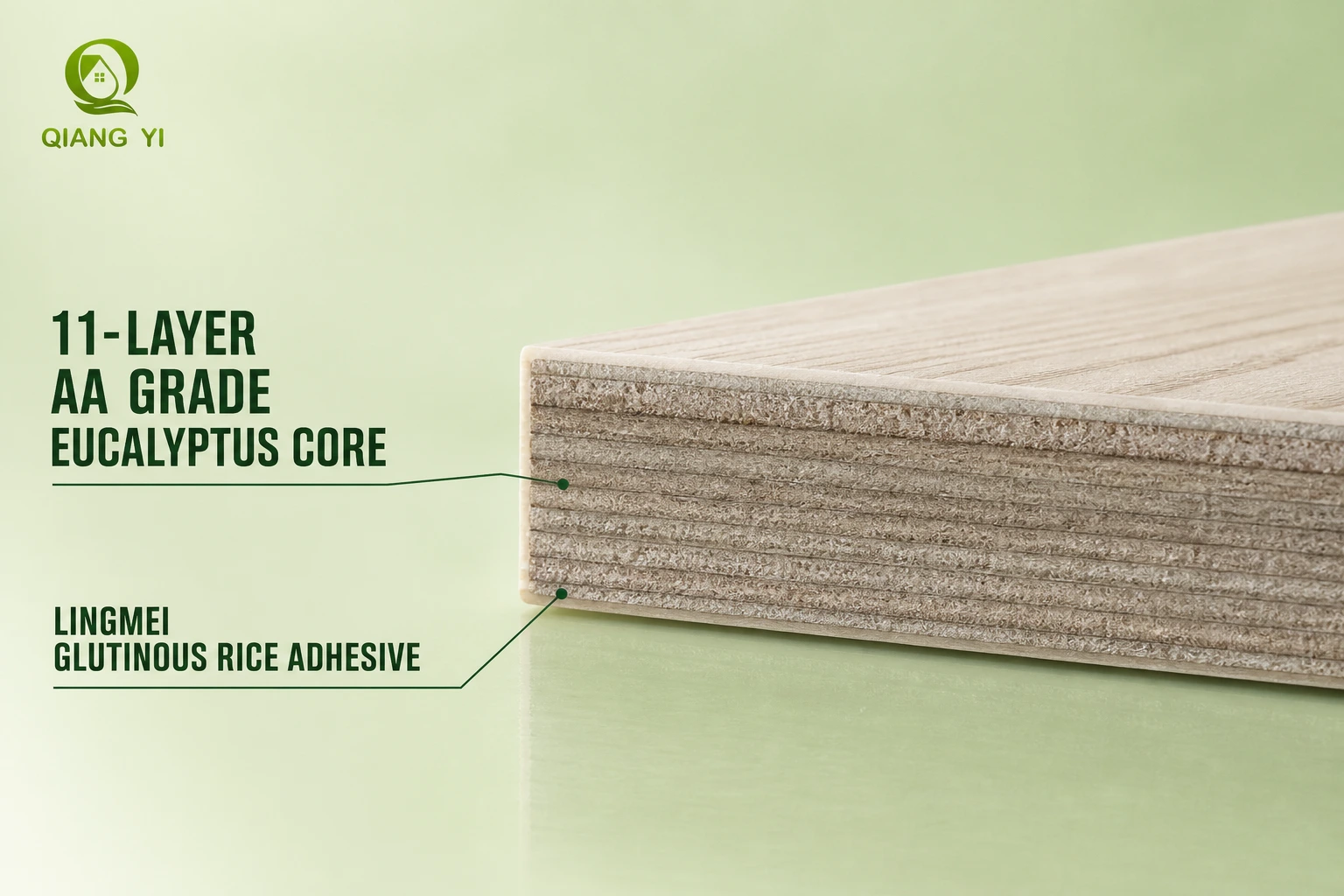
Plywood na pandikit na bigas gumagamit ng gradong AA 100% uri ng halaman ang core bilang pangunahing materyal, na mayroon ding resistensya sa kahalumigmigan. Mahigpit na ipinagbabawal ng ganap na konektadong istruktura ng core ang anumang mga puwang, pagsasanib, o mga patay na dugtungan sa core at iisang board, at inihihiwalay ang singaw ng tubig sa loob ng board.
-
Lingmei Glutinous Rice Adhesive
Ang pandikit na gawa sa malagkit na bigas ay gawa sa malagkit na almirol ng bigas, magnesium chloride, at magnesium oxide. Ang pandikit ay tumatagos sa mga hibla ng kahoy at lumilikha ng isang alkaline na kapaligiran sa buong plywood.
Ang sistema ng panunaw ng anay ay nakadepende sa isang neutral o bahagyang acidic na kapaligiran. Kapag sinubukan ng anay na kainin ang plywood na ito, ang banayad na alkaline na adhesive layer ay nagdudulot ng pisyolohikal na tugon sa pagtanggi.
Ang patong ng pandikit na nabuo sa pagitan ng mga hibla ng veneer ay hindi isang malambot na materyal na pangkabit. Ito ay bumubuo ng isang mala-ceramic na three-dimensional cross-linked na istraktura. Ang istrakturang ito ay may mas mataas na tigas at densidad kaysa sa ordinaryong urea-formaldehyde adhesive, na nagpapahirap sa anay na kumagat at lumilikha ng isang matigas na pisikal na harang.
Para sa plywood para sa mga anay sa mga lugar na may mataas na peligro, ang susi ay hindi iisang uri ng kahoy o pandikit. Ito ay ang pangkalahatang kombinasyon ng pangunahing materyal, pandikit, hindi tinatablan ng tubig na pagganap, at teknolohiya ng proteksyon.
Konklusyon sa Gastos-Benepisyo
Maaaring mas mababa ang presyo ng pagbili ng ordinaryong plywood, ngunit ang anti-termite plywood ay maaaring makabawas sa panganib ng pagpapanatili, pagpapalit, at downtime sa hinaharap. Para sa permanenteng dekorasyon, mga paupahang ari-arian, mga hotel, kusina, at mga lugar na mataas ang humidity, ang pangmatagalang halagang ito ay mas kitang-kita.
Main products: Marine plywood, Melamine plywood, Melamine blockboard, Melamine Chipboard, Melamine MDF board, Film face plywood, Edge banding, Furniture accessories
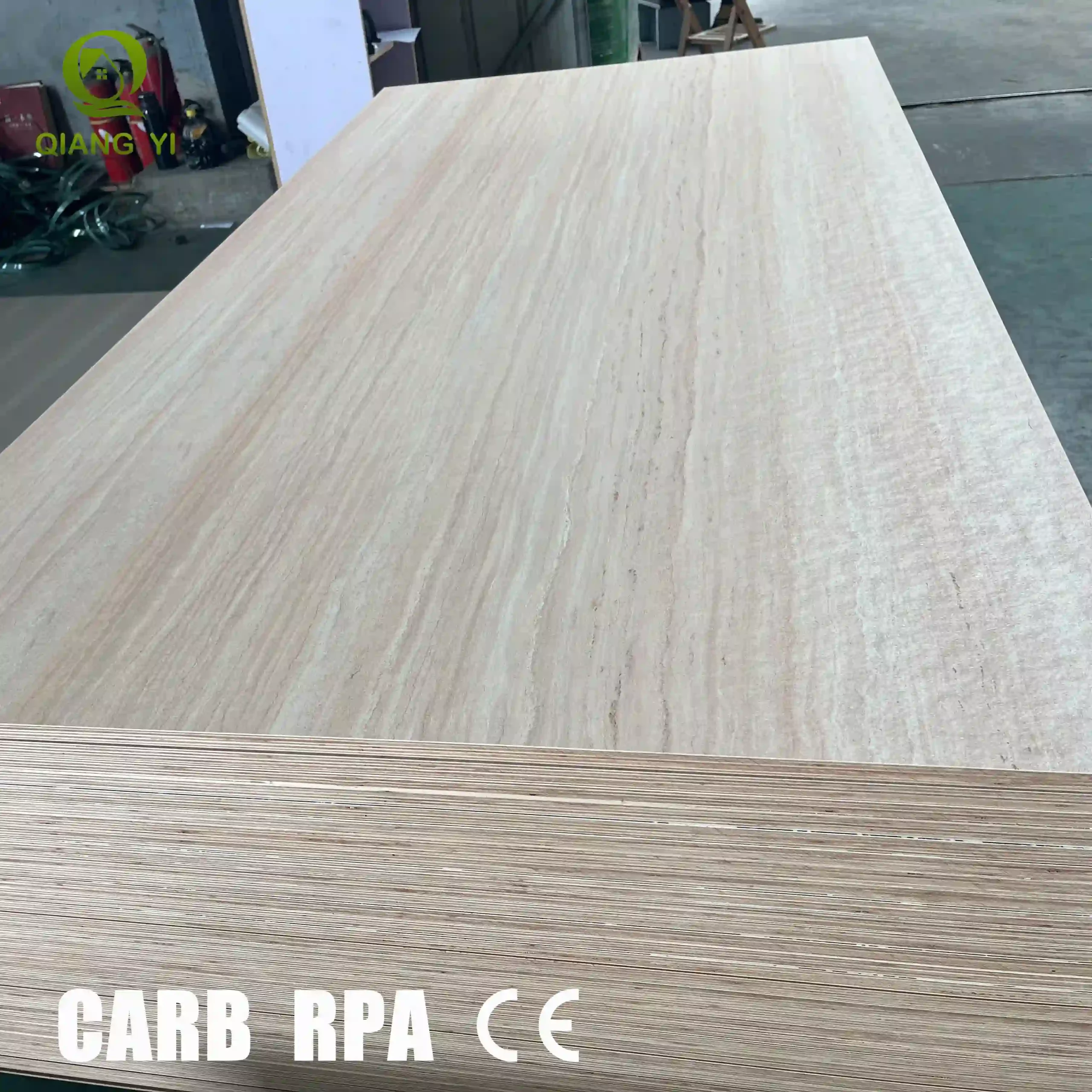
100% Eucalyptus Core Waterproof Plywood Marine Grade Termite Resistant Best Plywood for Tropical Furniture
A furniture-grade eucalyptus plywood that survives hot, humid climates. Solid 100% eucalyptus core, waterproof adhesive, built flat for cabinet doors — no voids, no warping, no surprises after the rainy season.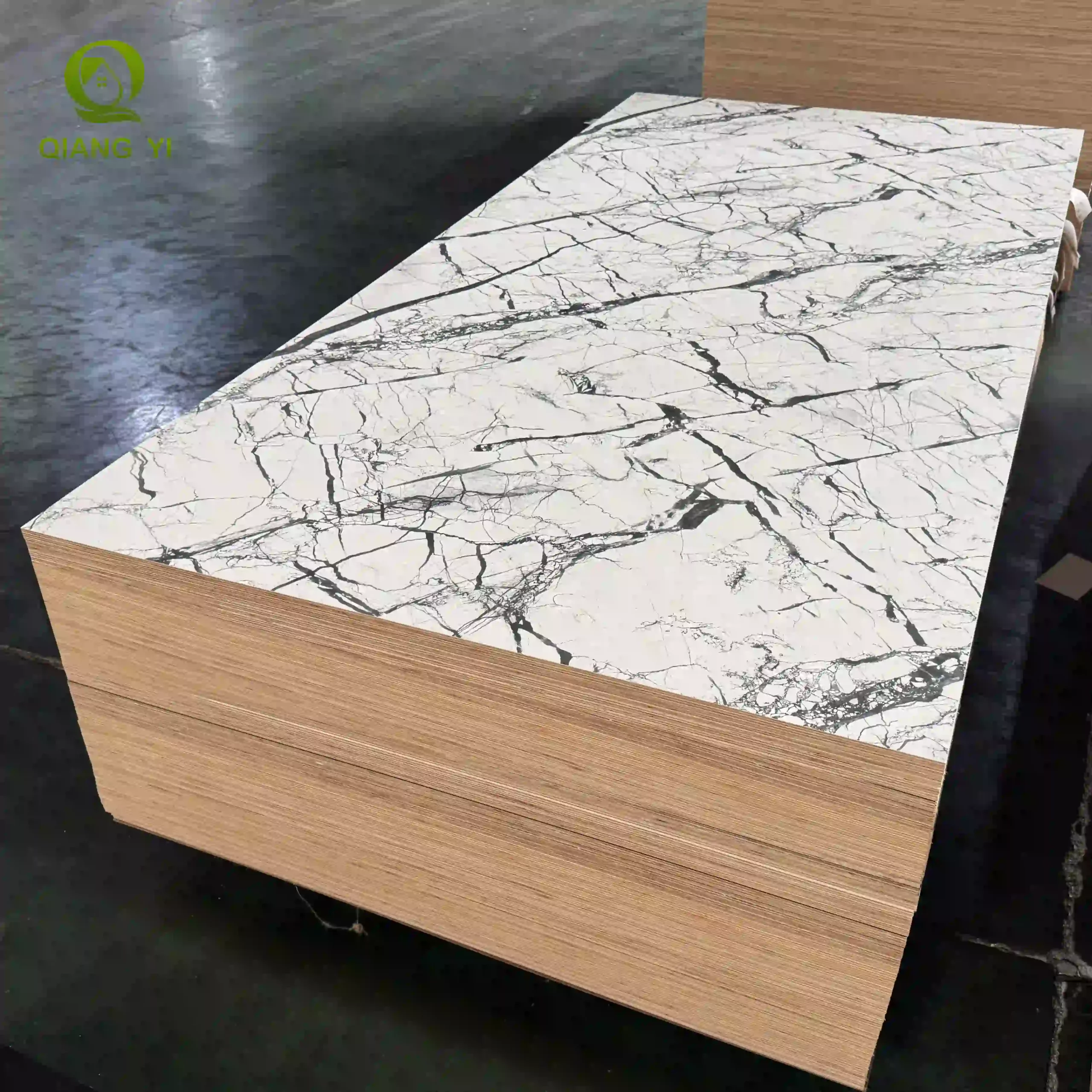
Qiangyi glutinous rice full eucalyptus core hardwood veneer melamine laminate plywood for cabinet
Qiangyi glutinous rice glue plywood is also known as second-generation plywood that represents a century of innovation. It has achieved No.1 in sales and a top reputation in China. Widely favored by renovation companies, cabinet manufacturers, and homeowners. Qiangyi glutinous rice plywood achieve the B1-grade fire retardant standard, strong nail-holding power, resistance to deformation, water resistance, moisture resistance, mildew resistance, antibacterial properties, and termite resistance.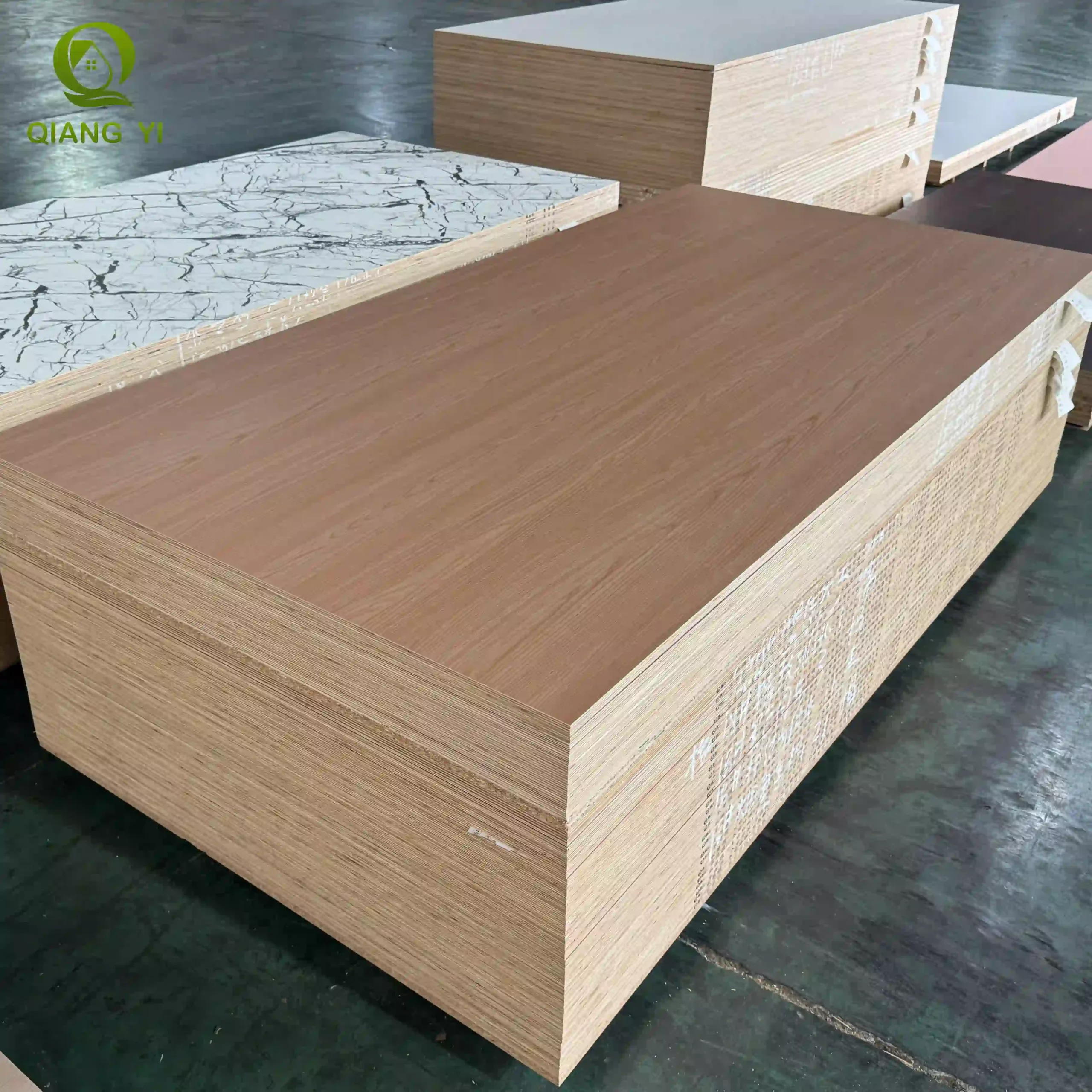
hardwood core 100% eucalyptus wood plywood ENF grade for modular cabinetry
Main Advantages for Modular Cabinetry 1. Structural Stability: High-density, high-hardness cross-laminated veneers offer excellent resistance to bending and warping, and control standard thickness tolerance for modular cabinet assembly. 2. Hardness and Wear Resistance: High-density eucalyptus hardwood provides superior load-bearing capacity, Good screw holding capacity, making it ideal for Modular Cabinetry. 3. Moisture Resistance: Offers better moisture resistance than standard particleboard or MDF and softwood like poplard and pine core plywood; suitable for humid environments like kitchen and bathroom, with a 24-hour thickness swelling rate of less than 2.4% (surpassing industry standards). 4. Ease of Processing: Excellent performance in cutting, drilling, and edge banding (PUR/PVC); ensures clean edges without fraying, peeling, or chipping—perfect for automated factory production lines. 5. Environmental Compliance: Available with CARB-P2, FSC, and CE certifications, meeting market entry requirements for Europe, North America, and Southeast Asia. 6. Cost-Effectiveness: More affordable than imported hardwood plywood, with a stable and reliable supply.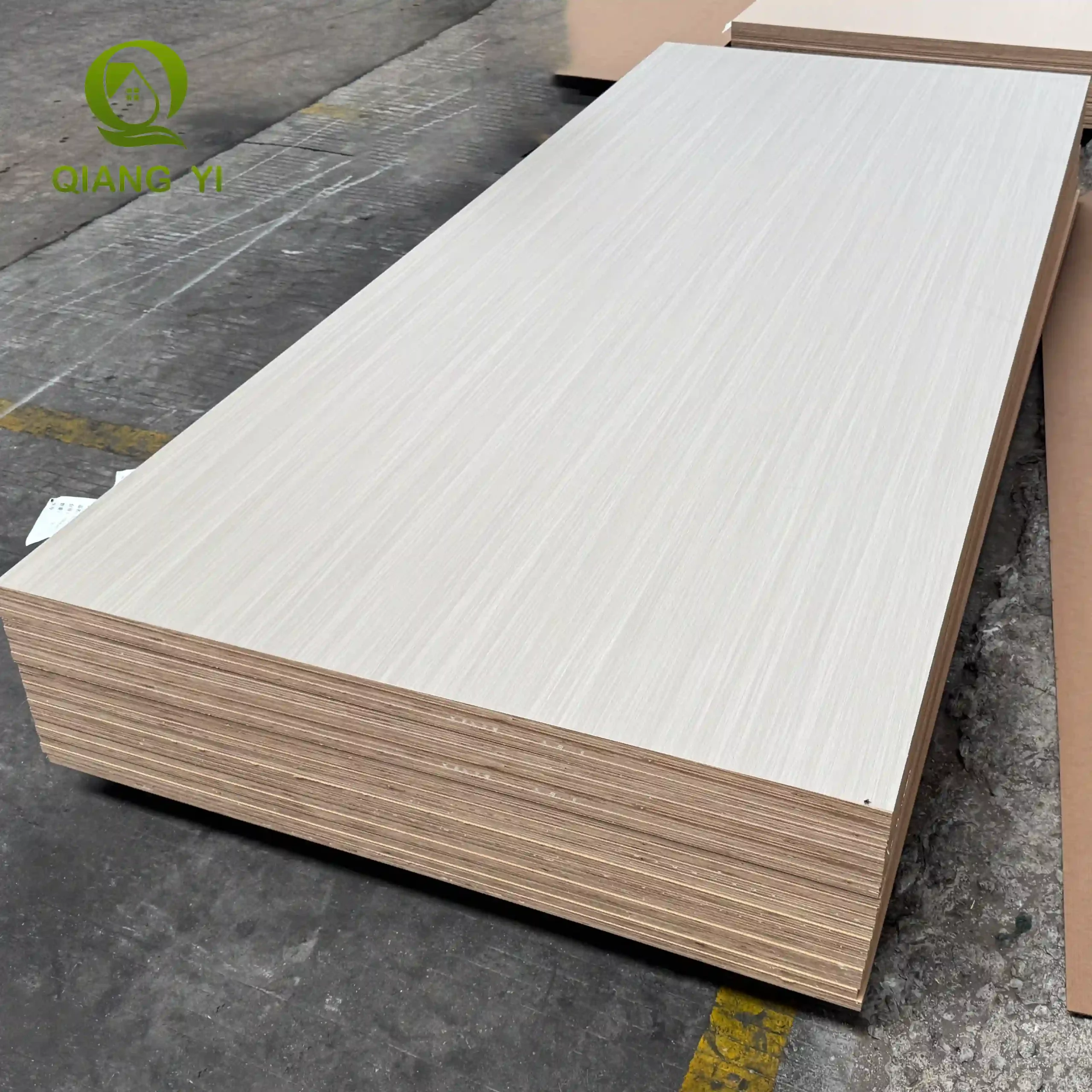
Qiangyi 18mm Glutinous Rice Glue Plywood ENF Waterproof Board for Kitchen Cabinets & Wardrobes
Qiangyi Glutinous Rice Glue Plywood 18mm waterproof laminated plywood is a second-generation multi-layer board bonded with food-grade Lingmei glutinous rice glue — zero formaldehyde, zero benzene, zero odor. Built for kitchen cabinets, wardrobes and interior furniture projects. Key features: • Beyond ENF grade — formaldehyde emission "not detected" (limit 0.025 mg/m³) • Anti-deformation: MOR ≥22 MPa, MOE ≥5000 MPa; ideal for tall cabinet doors • Class II waterproof: 24h thickness swelling only 2.4% • Termite resistant Grade 9.5, mold Grade 0, antibacterial ≥99% • B1 flame retardant, sound reduction ≥35 dB • 15-year factory warranty
CARB certified waterproof and anti termite marine plywood 18mm 100% eucalyptus hardwood plywood
Still troubled by plywood projects in humid areas? See how glutinous rice plywood can solve the pain points of furniture projects in humid climates, as well as the key points for plywood procurement.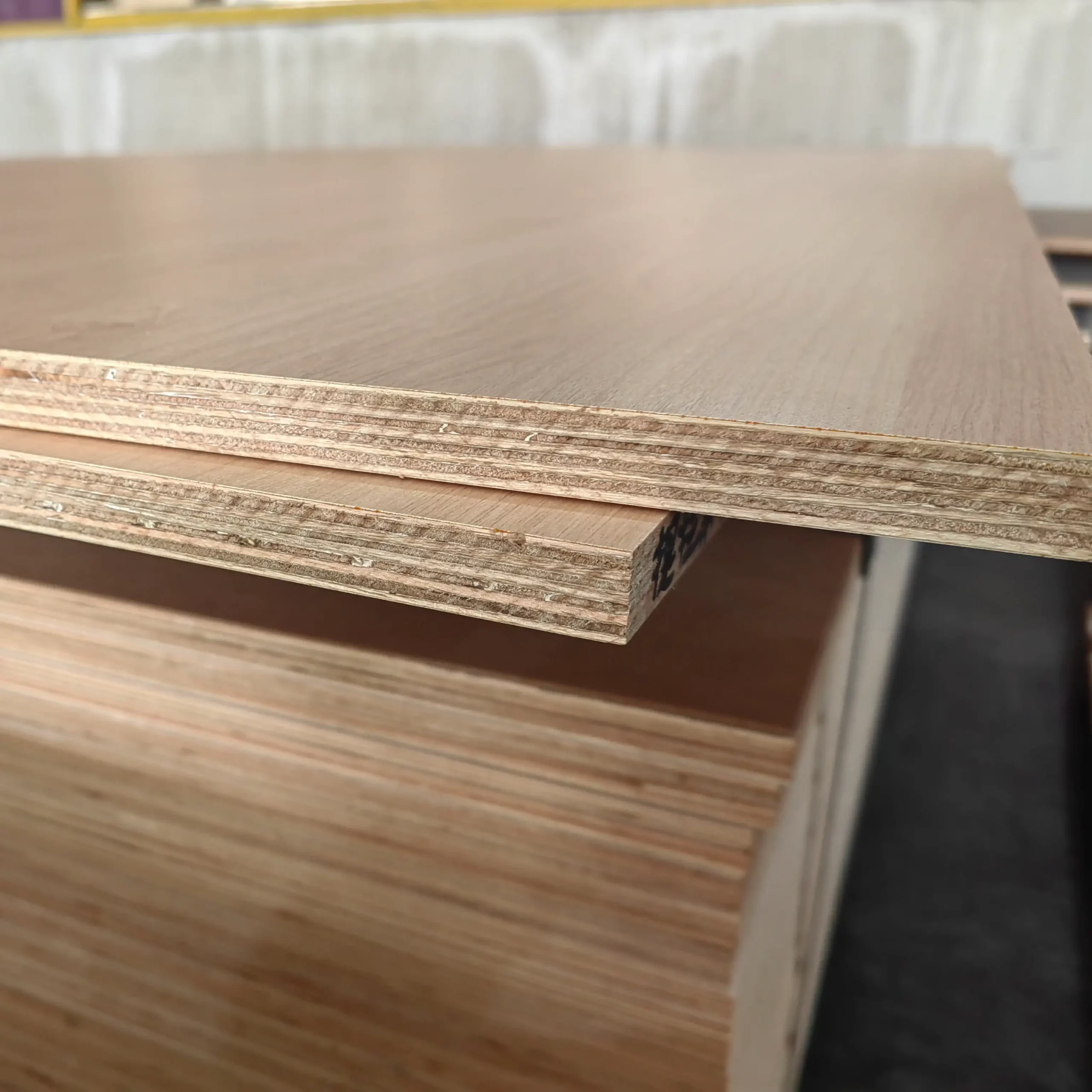
Professional Melamine Laminate Qiangyi Brand ENF Standard Hardwood Core Qiangyi Brand for Furniture
Glutinous rice plywood is second generation plywood with multi-functional. It performance super‑ENF eco‑friendly , free formaldehyde, ordor free, class II water proof, anti deformation, 5 grade anti cracking, 9.5 grade anti termite, B1 flame retardant, anti thermal and anti insulation. Glutinous rice plywood suitable for interior kitchen cabinet, bathroom cabinet, wardrobe, desk, wall panel. Versatile melamine face can be choose or plain color match country style melamine face.Get more information about the plywood
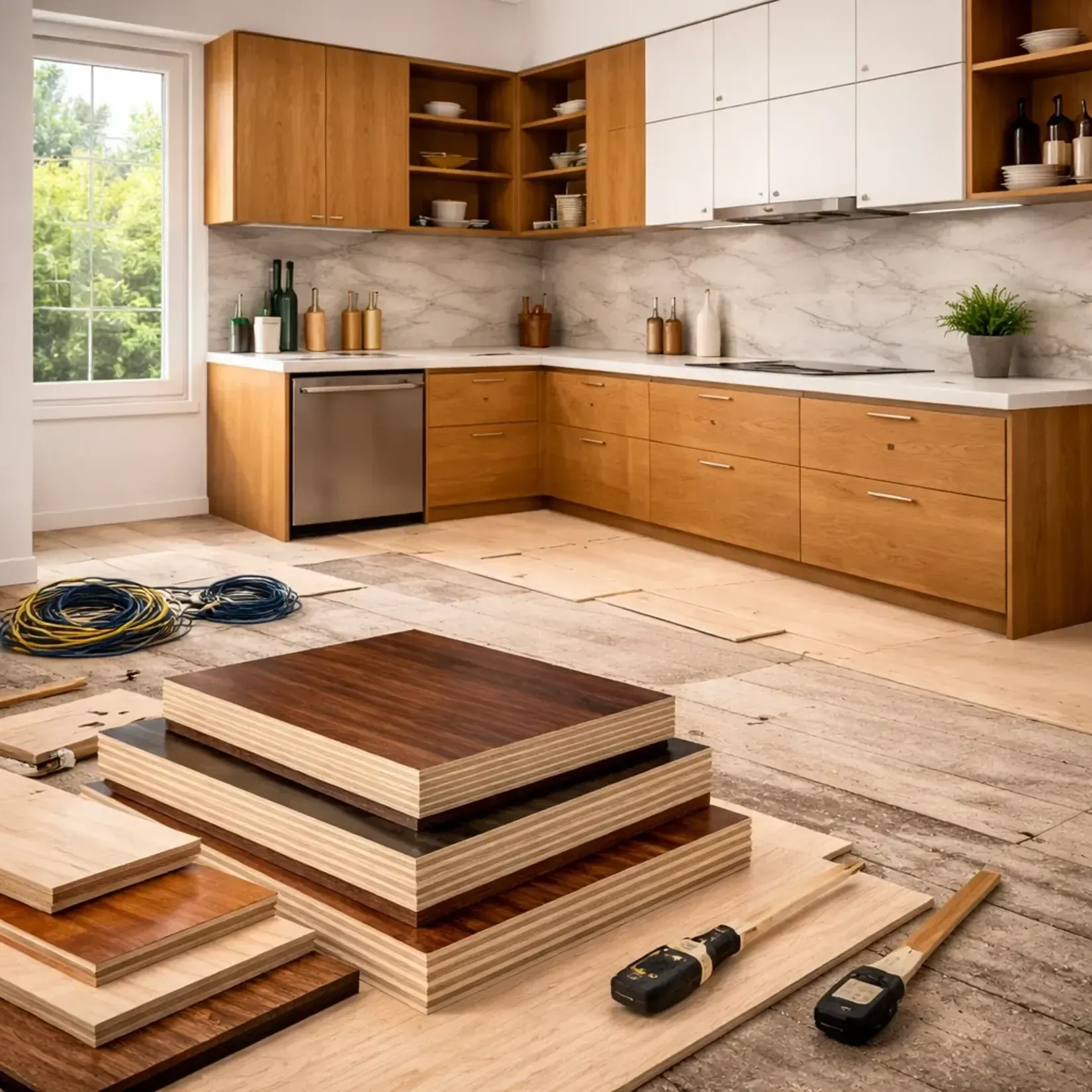
Moisture-Resistant Plywood Sourcing Guide for Sink Cabinets
A sink cabinet might leave the factory looking perfect. However, it can become a warranty issue just a few months later. A tiny plumbing leak or frequent wet cleaning can make the bottom swell. This causes the edge banding to peel up. Then, the installer has to deal with a difficult repair job. Kitchen cabinet manufacturers need to protect their finished products. They also want to avoid expensive return visits. Therefore, picking moisture-resistant plywood is not just about finding a board with a waterproof sticker. It is about true material performance. Why Sink Cabinet Swelling Creates Costly Problems for Manufacturers Below a sink, the area is exposed to a different level of moisture than a kitchen shelf. Leaks from pipes, condensation on pipes, and cleaning with wet cloths can cause panels to swell, resulting in unsightly cabinets and poorly fitting parts that need to be reworked and after-sales claims. Instead of relying on a “waterproof” label, when you select materials for projects, you should test how a panel’s bonding and core will react to moisture-related swelling. Problems with cabinets often start where you can’t see. Where Moisture Damage First Appears in Sink Cabinets Picture a rental unit where a loose drain drips water onto the bottom board. The puddles hide behind tall cleaning bottles. They stay there unnoticed for many weeks. In a different house, sweat builds up on a cold water pipe. That moisture soon trickles down into a bare, unsealed hole. The weakest spots are normally the bottom floor, the pipe cutouts, the back corners, and the seams by the floor base. Once a cut side gets thicker from water, problems happen. Even a perfectly fine surface layer will not sit flat anymore. How Swollen Panels Lead to Rework and Warranty Claims Fixing a puffed-up bottom board is rarely an easy swap. The repair worker might have to detach the pipes first. They also need to pull out shelves and cut down nearby parts. This means planning a whole new trip to the house. In custom kitchens, close cabinets and heavy countertops block easy access. The factory ends up paying for the extra labor, travel, and time. Meanwhile, the homeowner only sees a poorly made product. Just one bad piece of wood can change a good sale into a messy warranty fight. Why Ordinary Sink Cabinet Panels Swell Despite Surface Protection A shiny top layer can block normal water splashes. However, that surface is just one piece of the whole cabinet board. Water can still find a way inside the wood. Water Enters Through Cut Edges and Plumbing Openings Workers must cut holes in the sheet for a sink waste pipe. That newly exposed inner wood does not have the original factory coating. If the hole stays bare, water will soak right into the wood fibers. This makes the board swell up and get thicker. Loose edge strips, badly covered screw holes, and trapped water on the bottom floor create similar trouble. Adding a plastic drip pan and sealing every gap helps a lot. Still, those steps cannot make up for bad glue inside the actual board. Why Ordinary Plywood and MDF Respond Differently to Moisture MDF is made from tightly pressed wood dust. It gives a very smooth painted finish. However, the open sides can puff up terribly when they get wet. Plywood uses glued layers of real wood. Its reaction to water depends largely on the wood type, the chosen glue, and how it was pressed together. This fact is vital when you compare marine plywood vs ordinary plywood. The simple name tag cannot prove how a specific panel will act after getting wet. Buyers need to look at actual testing facts and the building method. They should never guess that every plywood or MDF item will perform the same way. How to Select Moisture-Resistant Plywood for Sink Cabinets A good sink-base plan must look at the inside of the board. It also needs to protect the fresh cuts made during the building process. Prioritize Water-Resistant Bonding and Core Integrity Always ask your sellers about the glue used on the wood layers. Find out if the middle part has overlapping bits, empty holes, or weak joints. A solid, smooth core makes cutting and screwing much more reliable. An immersion-peeling test reveals if the glue holds up under specific wet situations. Meanwhile, a thickness-swelling test checks a totally different factor. For a massive kitchen project, try using a basic checking method: *Look closely at the cut sides to spot any empty core gaps. *Make sure the immersion-peeling report matches the exact board you buy. *Do a quick test run to seal the edges around pipe holes. Check Thickness, Edge Protection, and Purchase Specifications People looking for plywood thickness for cabinets usually want 18 mm boards. Yet, the best size truly depends on the cabinet shape, the total weight, and the metal hinges. The kitchen cabinet plywood thickness must be chosen along with the core style, layer setup, top color, and edge tape. Clearly demand waterproof sealant around pipe gaps, the bottom borders, and any fresh cuts. Think about homes near the sea or floors that get mopped daily. For these spots, you must also check airflow and ways to reach leaks easily. No thick board can ever replace smart building designs. How QIANGYI PLYWOOD Helps Reduce Sink Cabinet Swelling At QIANGYI PLYWOOD, we tackle water threats using a clean, water-blocking glue mix. We also use a full-eucalyptus core layout. This special design stops empty pockets inside the wood. We do not just count on a pretty top color for protection. Glutinous Rice Glue Supports Moisture-Resistant Bonding Our glutinous rice glue plywood relies on Lingmei adhesive. This unique glue is mixed from glutinous rice starch, magnesium chloride, magnesium oxide, and pure water. The wet glue sinks deep into the tiny holes of the wood fibers. Once it dries, it builds a tight, super-strong connecting web. The final plywood is built to reach ENF-grade ultra-low formaldehyde emissions. At the same time, it keeps its tough, water-resistant bond. We spread the glue smoothly on every single layer. Next, we apply 24 hours of cold pressing at normal room temperature. We dry it carefully to hit the right moisture level. Finally, we let it rest and settle properly. This careful routine keeps the glue quality steady across all factory runs. It fights off swelling from random spills or damp room air. It also greatly lowers the chance of the wood layers peeling apart from water damage. Eucalyptus Core and Fully Core-Connected Construction Improve Panel Stability Picking the right middle wood is just as crucial. We use a full eucalyptus core for this special glutinous rice plywood. We never use a random mixed-wood core. The inner sheets are laid out using fully core-connected construction. This means the middle pieces fit tightly together to stay solid. It prevents silly gaps inside the board. This detail is huge when workers drill pipe holes or screw the cabinet walls together. Hidden weak spots can easily break a cabinet. Using strong eucalyptus wood and smooth glue layers ensures a steady, tough product. Even with this strong build, you still must seal the cut edges. Test Evidence and Procurement Value for Sink Cabinet Manufacturers Smart buyers require real proof of strong glue, anti-swelling power, and good factory support. Class II Water Resistance and Immersion-Peeling Test Results An official immersion-peeling test report, No. SZF-WT-25101715-03, shows six tested pieces. It confirms a perfect 100% pass rate and a fully compliant score. The Class II test rules demand soaking the wood in hot water at 63°C ± 3°C. This great score proves it handles wet conditions well. However, it is not meant to stay underwater forever. We also provide a Waterproof and Anti-Swelling Responsibility Commitment. This paper covers valid edge-swelling and glue-failure problems after the setup is done. Buyers should always check these rules to match their specific orders and plans. Hour Immersion Results and Real-World Sourcing Value A different 72-hour soaking test looks at three distinct boards side by side. The recorded thickness shifts are: Material Before soaking After 72 hours Increase Glutinous rice glue plywood 18.20 mm 18.35 mm 0.15 mm Ordinary plywood 18.13 mm 19.05 mm 0.92 mm MDF 18.30 mm 20.66 mm 2.36 mm The tiny size change shows the true worth of a stable board. Puffed-up edges make fixing cabinets very hard. Of course, this basic test does not replace official batch checks. In the very damp Philippine market, a wood panel seller first tried one color of our glutinous rice glue plywood. They loved it, bought much more, and added new colors later. This story shows strong buyer interest. It does not measure exact sink-cabinet lifespans, though. Before you order a massive batch, always check the samples, exact rules, test papers, and return policies. We can chat about all these facts at THE 2026 GUANGXI INTERNATIONAL FOREST PRODUCTS AND WOOD PRODUCTS EXHIBITION. Find us at Booth D5T-06, Nanning International Convention & Exhibition Center, from November 21–23, 2026. FAQ Q: Is your plywood made with a full eucalyptus core or a combi core? A: Our glutinous rice glue plywood relies on a full eucalyptus core. It features fully core-connected veneer construction. Cabinet makers should double-check the exact core details when asking for samples or price lists. Q: Why does plywood swell around kitchen sink plumbing cutouts? A: Drilling pipe holes chops up the wood fibers. It strips away the safe outer layer. Tiny pipe drips, or cold-water sweat can easily soak into those raw cut walls. When the wood drinks that water, the edges puff up. This pushes against the edge tape and can ruin the nice outer finish. Q: Is your glutinous rice glue plywood waterproof or marine grade? A: Our board has passed the Class II water-resistance tests under strict national rules. It is built for very damp indoor rooms. This includes kitchen sink cabinets, bathroom units, and beachside houses. It fights off daily splashes and damp swelling brilliantly. Still, you must never leave it sitting deep underwater for long periods. Q: How can cabinet manufacturers verify anti-swelling performance before bulk purchasing? A: You should look at a real sample. Check the immersion-peeling scores and the thickness-swelling proof. Review the inner core style and the promised inspection rules. The test papers must clearly match the exact wood you are buying. Q: Does moisture-resistant plywood still require edge sealing in sink cabinets? A: Yes, it absolutely does. You must seal all fresh cuts, pipe gaps, and weak joints. Also, fix any water leaks right away. Tough glue and smart building habits work perfectly together. They stop silly cabinet failures from happening.
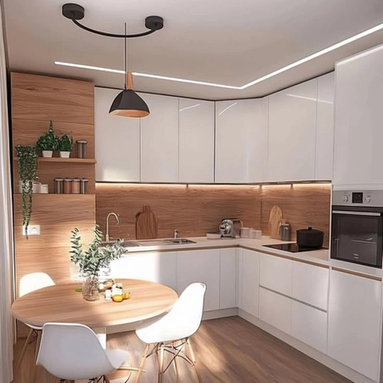
Anti-Mold Plywood Checklist for Hotel Furniture Buyers
Mold in hotel furniture rarely begins as a dramatic leak. More often, it starts behind a wardrobe, under a vanity, beside a cold wall, or along an exposed panel edge that stays damp. The board may look fine at delivery, while moisture-related defects appear months later. A useful anti-mold plywood checklist therefore has to look beyond one label. Buyers need to evaluate the environment, core structure, bonding system, moisture control, and test evidence before approving a bulk order. Where Do Mold Problems Start in Hotel Furniture Projects? Hidden Moisture Zones in Guestroom Furniture Hotel rooms create several moisture conditions in one small space. A wardrobe fixed against an exterior wall may receive little airflow. A bathroom vanity sees splashes, steam, and repeated cleaning. A minibar cabinet can sit near cool surfaces where condensation forms. In tropical or coastal hotels, rooms closed between guests may also stay humid for long periods. Panel edges, drilled holes, backs, joints, and internal layers can take in moisture before the decorative face shows obvious damage. Why a Small Mold Spot Can Become a Project Cost In a hotel, one material specification may be repeated across dozens or hundreds of rooms. A local defect can therefore become room downtime, replacement furniture, another installation visit, delayed handover, warranty claims, and complaints from the operator. Anti-mold performance is not only an appearance issue. For a hotel furniture buyer, it is part of project risk control. Why Does Plywood Develop Mold and Moisture-Related Damage? Humidity, Condensation, and Slow Drying Create the Risk Mold needs favorable moisture conditions. Furniture becomes more vulnerable when humidity remains high, water enters through unfinished edges, or condensation repeatedly wets a cold surface. The problem is often cumulative. A panel takes in some moisture, dries slowly, then repeats the cycle. Poor airflow behind fixed furniture can make this worse. Anti-mold material cannot replace leak repair, ventilation, or humidity control, but it can give the furniture assembly a better margin against these conditions. Moisture Can Also Lead to Swelling and Deformation Moisture can also stress the glue line, swell wood fibers, loosen fastening areas, or change panel flatness. A board used for wardrobes, vanity units, headboards, or built-in cabinets therefore needs a stable core and reliable bonding. Even when buyers search for plywood thickness for cabinets, thickness alone cannot compensate for internal gaps, weak veneers, or a moisture-sensitive structure. What Should Hotel Buyers Check Before Approving Anti-Mold Plywood? The supplier should be able to explain how the panel is built and how it performs. The phrase waterproof plywood is not enough, and neither is a general “mold resistant” claim. Buyer Check Why It Matters Mold or mildew resistance evidence Confirms the anti-mold claim Antibacterial performance Adds hygiene-related evidence Core species and grade Affects stability and fastening Full-connected core structure Reduces internal weak points Panel moisture content Checks moisture control before shipment Water-resistance and bond test Checks glue-line integrity after moisture exposure Edge sealing plan Helps limit moisture entry after fabrication Verify the Structure, Not Just the Surface For hotel furniture, eucalyptus core board construction is worth checking at the exposed edge or approved sample. A hardwood core can support repeated fastening and daily use, but the species name alone is not enough. Buyers should ask whether the core is continuous and whether gaps, overlaps, or filler veneers are present. Cabinet grade plywood should be judged as a complete structure, not only by face appearance. Match the Board to the Furniture Location The risk level differs by application. A wardrobe on an internal dry wall is not exposed like a vanity beside a shower area. A tall cabinet door also places more emphasis on flatness and deformation control. For bulk hotel projects, approve the panel by application: wardrobe, vanity, minibar, wall panel, or other built-in furniture. How Does QIANGYI PLYWOOD Target Moisture-Driven Mold Risk? At QIANGYI PLYWOOD, we approach the problem through the core, adhesive system, and moisture-control process rather than relying on a surface claim alone. Full Eucalyptus Core and Full-Connected Core Construction We use full eucalyptus core options built with continuous eucalyptus veneers. In this structure, full-connected core means the internal veneers are arranged without voids, overlaps, or dead joints. The aim is a more uniform panel with fewer internal weak points. We use 100% eucalyptus core solutions for cabinet and furniture applications. For hotel wardrobes and tall cabinet panels, this matters because core continuity supports more consistent machining, fastening, and dimensional stability. It also gives buyers something practical to inspect on a cut edge before bulk approval. Glutinous Rice Glue Helps Create Less Favorable Conditions for Mold Our Lingmei glutinous rice glue uses glutinous rice flour, magnesium chloride, water, and magnesium oxide. The magnesium components react to create an alkaline environment. More importantly for hotel furniture buyers, an antibacterial and mildew-proof test conducted according to JC/T 2039-2010 on an 18 mm glutinous rice glue multifunctional board recorded an antibacterial rate above 99% and a Grade 0 mildew-proof rating. Under the test rating criteria, Grade 0 means no mold growth was observed. For buyers, this provides direct test evidence for evaluating mold and bacterial resistance instead of relying only on a general anti-mold claim. The adhesive system, moisture control, and tested resistance work together to reduce mold-related risks in furniture exposed to humid conditions. Controlled Drying Keeps Panel Moisture in the 8–12% Range We use a 60-hour temperature-controlled drying process and control board moisture content within 8–12%. This reduces excess moisture before furniture production and supports more stable use in humid conditions. For projects involving humid storage, long shipping routes, or air-conditioned guest rooms, starting with controlled panel moisture is more practical than correcting unstable boards after machining. What Evidence Should Hotel Buyers Put in the Approval File? Testing should support the purchase decision, especially when anti-mold performance is part of the hotel furniture specification. Report No. HJ-RD-26150 covers antibacterial and mildew-proof testing of an 18 mm glutinous rice glue multifunctional board according to JC/T 2039-2010. The tested sample achieved an antibacterial rate above 99% and a Grade 0 mildew-proof rating. The report defines Grade 0 as no mold growth. The antibacterial test used Escherichia coli AS1.90, while the mildew-resistance evaluation included multiple fungal species. For a hotel furniture buyer, this provides direct evidence related to the actual risk being evaluated: whether the panel can resist bacterial growth and mold development under the specified test conditions. For a hotel project, the approval file should include: Core species and full-connected-core confirmation. Antibacterial and mildew-proof test results. The applicable test standard and tested panel specification. Panel moisture specification and moisture-resistance information. Approved thickness, face finish, and edge treatment. A production sample matching the bulk order. These checks make later quality discussions easier because the approved panel has a defined structure and performance basis. Practical Case: Plywood Sourcing for a Humid Philippine Market In early 2026, a Philippine decorative panel and furniture-material distributor contacted us while comparing suppliers for a hot, humid market. The buyer was particularly concerned about environmental performance, moisture resistance, and durability. After seeing our glutinous rice glue plywood in person, the distributor placed a trial order in April with one color. The first shipment received positive market feedback for its ENF grade, surface texture, waterproof performance, and termite resistance. Demand soon expanded beyond the original color, so we developed a customized color sample book for the buyer. The distributor later introduced more finishes through its offline showroom and positioned the glutinous rice glue plywood as a premium product line. For hotel and furniture buyers, this case shows why humid-market sourcing should consider moisture-related performance, structural stability, and consistent product presentation. Meet Us in Guangxi International Forest Products and Wood Products Exhibition For buyers currently sourcing plywood for hotel furniture or other commercial projects, we will attend THE 2026 GUANGXI INTERNATIONAL FOREST PRODUCTS AND WOOD PRODUCTS EXHIBITION from November 21–23, 2026. Visitors can meet our team at Booth D5T-06 at the Nanning International Convention & Exhibition Center to discuss anti-mold plywood, eucalyptus core, full-connected core construction, and project-specific panel requirements. FAQ Q: What is anti-mold plywood for hotel furniture? A: It is plywood selected to reduce mold-related risk in humid interior furniture. Buyers should check mold resistance together with moisture control, bond quality, core continuity, and dimensional stability rather than relying on one anti-mold label. Q: Is anti-mold plywood the same as waterproof plywood? A: No. Water resistance focuses on moisture exposure, bonding, and swelling. Anti-mold performance focuses on resistance to fungal growth. The two properties support each other, but they are not the same test. Q: Why is a full eucalyptus core important for hotel cabinets? A: A full eucalyptus hardwood core provides a dense, consistent base for furniture use. When combined with a full-connected core structure, it also reduces concerns about internal voids, overlaps, and weak joints. Q: Where should mold-resistant plywood be prioritized in a hotel? A: High-risk locations include bathroom vanities, wardrobes against exterior walls, minibar cabinets, lower cabinet panels, and furniture in tropical, coastal, or poorly ventilated rooms. Q: What should buyers request before placing a bulk anti-mold plywood order? A: Request the approved core structure, panel moisture range, antibacterial and mildew-proof test results, applicable test standard, tested panel specification, thickness and surface requirements, and a production sample that matches the final order.
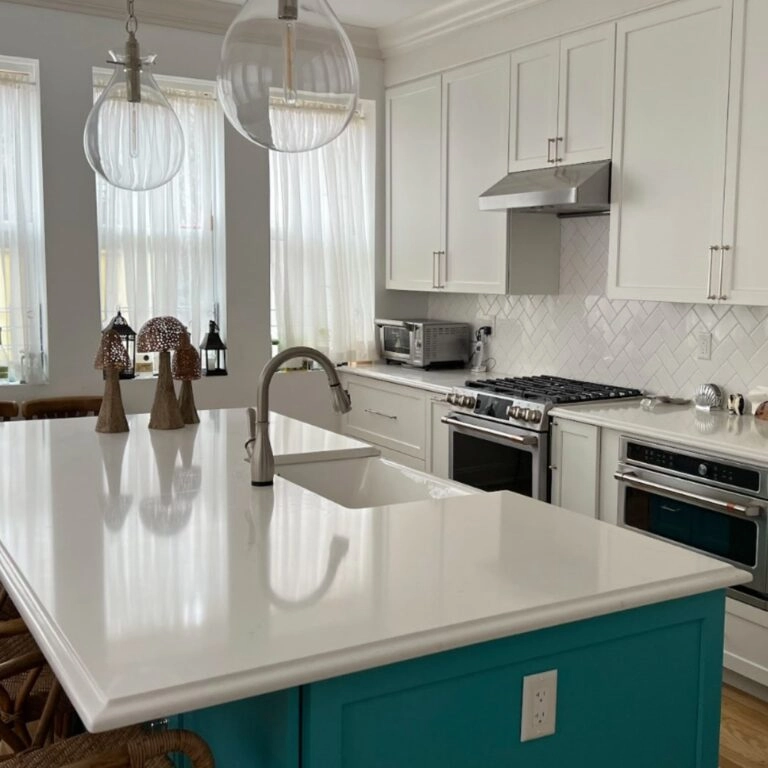
Gabay sa Plywood na Lumalaban sa Anay para Bawasan ang mga Claim sa Warranty
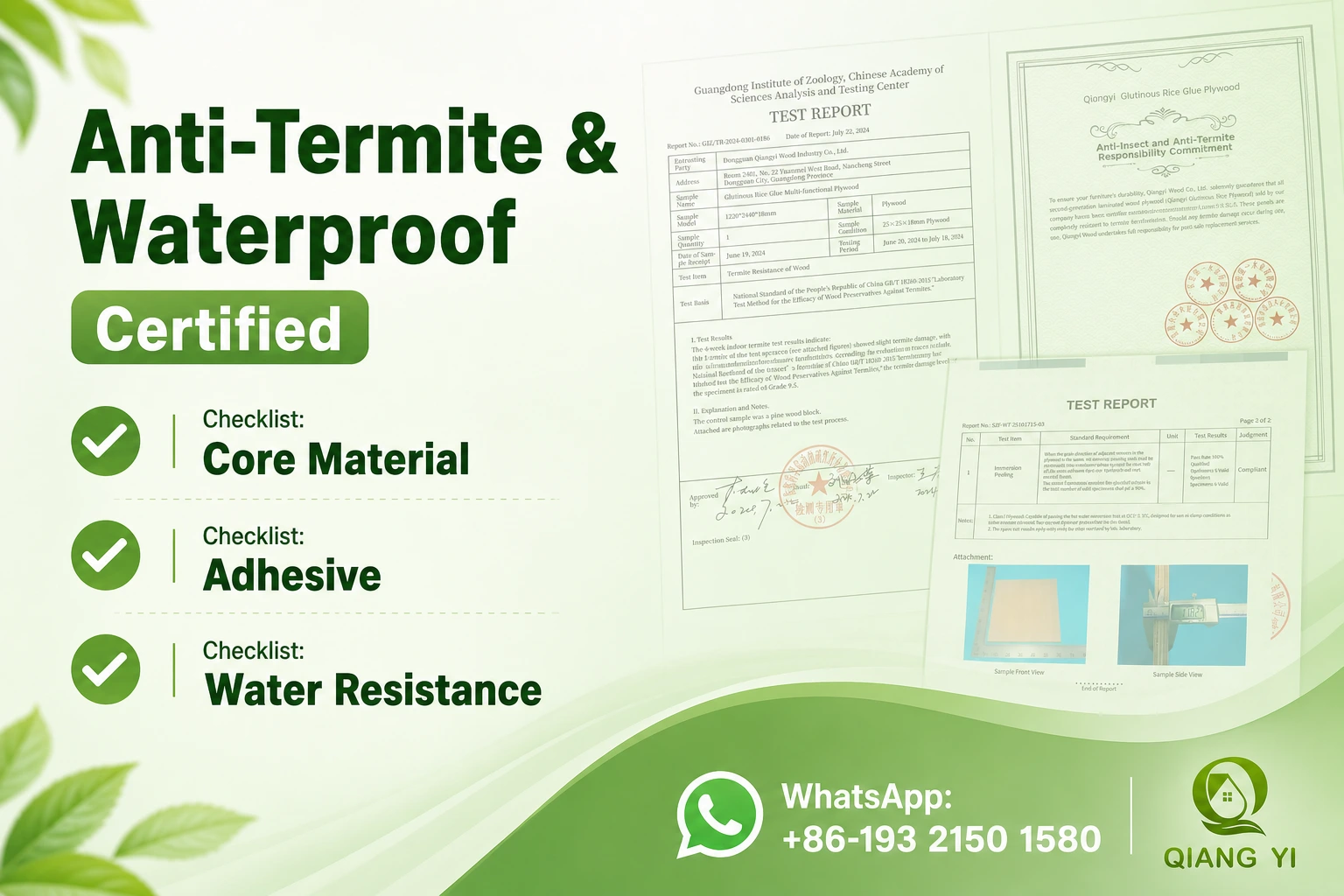
Ang problema sa anay sa isang tapos nang kabinet ay bihirang manatiling maliit na problema sa materyal. Kapag ang isang aparador, kabinet sa kusina, o built-in na yunit ay nai-install na, ang pinsala ay maaaring magdulot ng mga inspeksyon sa lugar, pagpapalit ng panel, paggawa, gastos sa transportasyon, at mga hindi pagkakaunawaan sa warranty. Kaya naman dapat suriin ang plywood na lumalaban sa anay bago simulan ang pagputol. Para sa mga tagagawa ng kabinet, ang tunay na tanong ay hindi kung ang isang sheet ay may label na anti-anay. Ito ay kung ang core, adhesive system, konstruksyon ng panel, at ebidensya ng pagsubok ay sumusuporta sa isang estratehiya sa warranty na may mas mababang panganib. Bakit Nauuwi sa Magastos na Paghahabol sa Garantiya ng Gabinete ang Pinsala ng Anay? Ang mga nakatagong pinsala ay madalas na lumilitaw pagkatapos ng pag-install Maaaring makapasok ang mga anay sa pamamagitan ng mga daanan ng lupa, mga bitak sa dingding, mga tubo, o mga kahoy at balot na may mga insekto. Sa mga proyekto ng kabinet, ang mga lugar na mahirap makita ay kinabibilangan ng mga panel sa likod malapit sa mga dingding, mga sipa sa paa, mga base ng aparador, at mga kabinet sa lababo. Maaaring magmukhang normal ang plywood habang ginagawa ang produksyon. Ang pinsala ay maaari lamang makita pagkatapos mailagay ang mga muwebles, kapag maaaring kailanganin ng tagagawa na siyasatin ang lugar, lansagin ang mga kabinet, paramihin ang mga panel, ipadala ang mga kapalit, at ayusin ang muling paglalagay. Ang gastos ay madaling umabot nang higit pa sa isang sirang sheet. Isang tipikal na senaryo sa kusina ang isang base cabinet na naka-install malapit sa mga tubo sa isang proyektong apartment na mahalumigmig. Kung ang nakatagong aktibidad ng anay ay umabot sa substrate, ang pagpapalit ng isang panloob na panel ay maaaring mangailangan ng pag-alis ng mga hardware, pinto, countertop, o mga katabing unit. Sa isang proyektong wardrobe, ang pinsala sa likod ng isang nakapirming panel sa likod ay maaaring manatiling hindi napapansin hanggang sa makakita ang customer ng alikabok, mga guwang na bahagi, o mga humihinang bahagi. Ang pagkakalantad sa warranty ay nagsisimula sa pagpili ng materyal Ang isang pandekorasyon na ibabaw ay hindi dapat ipagkamali sa proteksyon laban sa anay. Ang melamine plywood ay maaaring mag-alok ng praktikal na pagtatapos, ngunit ang ibabaw lamang ay hindi patunay na ang substrate ay lumalaban sa anay. Ganito rin ang naaangkop sa laminated marine plywood o marine board. Magkahiwalay na tanong ang tungkol sa moisture performance at ang resistensya sa anay. Ang isang karaniwang tanong ng mga mamimili ay “Resistant ba sa anay ang laminated marine plywood?” Ang sagot ay nakadepende sa core, adhesive system, at resulta ng pagsubok, hindi sa pangalan ng produkto. Bakit Maaari Pa Rin Maging Mahina sa Pag-atake ng Anay ang Plywood? Ang plywood ay gawa sa mga veneer na gawa sa kahoy, kaya nananatili ang cellulose sa loob ng panel. Ang isang pandekorasyon na bahagi ay maaaring protektahan ang ibabaw sa pang-araw-araw na paggamit, ngunit ang mga pinutol na gilid, mga butas na binutas, mga hardware point, at mga panloob na veneer ay mahalaga pa rin sa mga kapaligirang madaling kapitan ng anay. Ang mga kondisyon ng proyekto ay nagdaragdag ng isa pang patong ng panganib. Ang mga yunit ng kusina ay maaaring mailagay malapit sa mga tubo, habang ang mga aparador ay maaaring ikabit sa mga dingding nang maraming taon. Sa mga tropikal o mahalumigmig na pamilihan, ang nakatagong daanan at mahabang panahon ng serbisyo ay maaaring gawing magastos na kaso pagkatapos ng benta ang isang maliit na infestation. Dahil dito, ang "proteksyon laban sa anay" ay hindi dapat ituring na isang walang limitasyong pangako. Ang isang mas mahusay na pamamaraan ay pinagsasama ang angkop na pagpili ng panel na may wastong pag-install, pagbubuklod, inspeksyon, at mga lokal na hakbang sa pagkontrol ng peste. Ano ang Dapat Hingin ng mga Tagagawa ng Kabinet mula sa Plywood na Lumalaban sa Anay? Bago ihambing ang mga presyo, dapat munang tiyakin ng mga mamimili kung ano talaga ang ibinibigay. Tseke sa pagbili Ano ang dapat kumpirmahin Katibayan ng anay Paraan ng pagsubok, sample, petsa, numero ng ulat, rating Pangunahing materyal Mga uri ng kahoy at grado ng veneer Konstruksyon ng pangunahing bahagi Ganap na konektadong core, walang maluwag na bahagyang layup Espesipikasyon ng gabinete Kapal, ibabaw, paggamot sa gilid, nilalayong paggamit Responsibilidad ng tagapagtustos Malinaw na pamamaraan pagkatapos ng benta Ang kalidad ng core ay nararapat bigyan ng partikular na atensyon. Ang core ng eucalyptus ay mahalaga para sa paggawa ng kabinet dahil nagbibigay ito ng matibay at matatag na base ng hardwood. Ang malalaking diameter ng eucalyptus ay inilalarawan bilang isang hilaw na materyal na plywood na pinahahalagahan dahil sa tibay at matatag na kalidad. Ang isang ganap na konektadong core, o full-core layup, ay lumilikha rin ng mas kontroladong panloob na istruktura kaysa sa isang bahagyang konektadong core. Sa ganitong konstruksyon, ang mga core veneer ay nakaayos nang tuluy-tuloy, habang ang pandikit ay inilalapat nang patong-patong. Hindi dapat gamitin ang alinmang punto bilang pamalit sa pagsusuri ng anay. Sa halip, tinutulungan nito ang mga mamimili na tukuyin ang mas pare-parehong substrate. Ang kapal ng plywood para sa mga kabinet ay kailangan ding tumugma sa aktwal na disenyo. Ang isang 18 mm na nasubukang panel ay hindi dapat awtomatikong ituring na ebidensya para sa bawat kapal o konstruksyon. Paano Tinatarget ng QIANGYI PLYWOOD ang Panganib ng Anay na Panel? Sa QIANGYI PLYWOOD, tinutugunan namin ang isyung ito sa pamamagitan ng sistema ng pandikit, pagpili ng core ng eucalyptus, at ganap na konektadong konstruksyon ng core sa halip na umasa sa isang ibabaw lamang. Ang Lingmei Glutinous Rice Glue ay gumagana sa pamamagitan ng nakagapos na istraktura Ang aming Plywood na may Gluten Rice Glue ay gumagamit ng Lingmei Gluten Rice Glue na gawa sa glutinous rice flour, magnesium chloride, magnesium oxide, at tubig. Pagkatapos tumigas, ang magnesium chloride at magnesium oxide ay lumilikha ng alkaline adhesive environment. Ang aming teknikal na pamamaraan ay baguhin ang acid-base environment sa loob ng kahoy sa pamamagitan ng alkaline adhesive environment na ito, na lumilikha ng mga kondisyon na hindi kanais-nais para sa aktibidad ng anay. Mahalaga ito dahil ang paggawa ng kabinet ay kinabibilangan ng pagputol, pagbabarena, pag-bisagra, at pagproseso ng gilid.Ang aksyong nakaugnay sa internal bonding system ay mas may kaugnayan sa mga operasyong iyon kaysa sa isang pahayag na nakabatay lamang sa natapos na mukha. Ang eucalyptus core at full-core layup ay sumusuporta sa consistency Para sa mga aplikasyon na pang-kabinet, binibigyang-diin namin ang first-grade na eucalyptus core. Ang Eucalyptus ay nagbibigay ng matibay na estruktural na base, habang ang rating na lumalaban sa anay ay nagmumula sa kumpletong nasubukang panel system, hindi lamang sa uri ng kahoy. Ang mga veneer ay nakaayos din bilang isang ganap na konektadong core at nakadikit nang patong-patong. Ang konstruksyong ito ay nangangailangan ng mas malapit na pagpili ng core at nagbibigay sa panel ng mas pantay na panloob na layout. Ang proseso ay nagpapatuloy sa pamamagitan ng matagal na cold pressing, kontroladong pagpapatuyo, at pagtigas. Kasama sa pagkakasunod-sunod ng produksyon ang 24-oras na self-heating cold pressing, 60 oras na pagpapatuyo, at mahigit 15 araw na pagkondisyon. Para sa mga pabrika ng kabinet, ang praktikal na halaga ay ang pagkakapare-pareho sa mga gilid ng kabinet, mga istante, mga pinto, mga aparador, at iba pang mga bahagi. Kaso: Pagbabawas ng Panganib sa Anay at Pagkatapos ng Pagbebenta sa Mauritius Isang matagal nang kostumer sa paggawa ng muwebles sa Mauritius ang patuloy na nag-oorder ng mga buong lalagyan ng 100% eucalyptus core plywood na gawa sa muwebles. Ang klima sa lokal na isla ay mahalumigmig at mapilit, kung saan ang mga ordinaryong panel ay maaaring maharap sa pagbabalat, pagbabago ng hugis, at pag-atake ng anay sa paglipas ng panahon. Para sa kostumer na ito, nagsusuplay kami ng plywood na gawa sa 100% eucalyptus full connected core at glutinous rice glue, na sinamahan ng kontroladong pagproseso para sa mas mahusay na katatagan ng panel. Ang Grade 9.5 na pagsubok sa resistensya sa anay ay nagbibigay din sa mamimili ng mas malinaw na ebidensya kapag pumipili ng mga materyales para sa produksyon ng kabinet. Ayon sa kostumer, ang paggamit ng aming plywood para sa mga kabinet ay nakabawas sa pag-aalala tungkol sa mga problema pagkatapos ng benta. Ang pare-parehong kalidad ng batch ay nakakatulong din sa pabrika na mapanatili ang parehong pagganap sa pagputol, paghawak ng turnilyo, at mga setting ng produksyon sa mga paulit-ulit na order. Ano ang Kahulugan ng Pagsusulit na Grado 9.5 para sa Panganib sa Pagkuha at Garantiya? Ang pahayag tungkol sa anay ay sinusuportahan ng Test Report GIZ/TR-2024-0301-0186, na inilabas ng Guangdong Institute of Zoology, Chinese Academy of Sciences Analysis and Testing Center. Ang sinuring sample ay Glutinous Rice Glue Multi-functional Plywood, 1220 × 2440 × 18 mm, at ang batayan ng pagsubok ay GB/T 18260-2015. Ang katumbas na numero ng ulat ng pagsubok ng anay ay natukoy din sa mga talaan ng pagsubok ng produkto. Sa loob ng apat na linggong pagsusuri sa anay sa loob ng bahay, naitala sa ulat ang bahagyang pinsala ng anay, na may isa hanggang dalawang tunel o bakas lamang ng infestation ng anay. Ang ispesimen ay nakatanggap ng rating na Grade 9.5 dahil sa pinsala ng anay. Kasama rin sa impormasyon ng pagganap ng panel ang resulta ng Grade 9.5 laban sa anay. Para sa mga mamimili, ang pangunahing halaga ay ang pagsubaybay sa halip na isang ganap na pangako. Ang numero ng ulat, paggawa ng sample, kapal, paraan ng pagsubok, at resulta ay maaaring suriin laban sa materyal na inoorder. Nakakatulong din ito sa mga importer at pabrika ng kabinet na sagutin ang mga customer sa ibaba ng antas ng serbisyo gamit ang mga tiyak na ebidensya sa halip na umasa sa isang pangkalahatang paglalarawan ng produkto. Ang isang praktikal na pagkakasunud-sunod ng pagbili ay: 1. Tukuyin kung ang proyekto ay may makabuluhang pagkakalantad sa anay. 2. Itugma ang kapal at ibabaw ng panel sa disenyo ng kabinet. 3. Kumpirmahin ang konstruksyon ng eucalyptus core at ang ganap na konektadong core kung saan tinukoy. 4. Humingi ng ulat tungkol sa resistensya sa anay para sa kaukulang panel. 5. Itago ang ulat at ispesipikasyon ng pagbili kasama ng mga talaan ng kalidad ng proyekto. Para sa mga proyektong gumagamit ng aming pangalawang henerasyong glutinous rice glue plywood, nagbibigay din kami ng pangakong responsibilidad laban sa mga insekto at anay. Kung magkaroon ng pinsala mula sa anay o wood-boring insect sa ilalim ng naaangkop na mga kondisyon, kami ang mananagot sa pagpapalit pagkatapos ng benta. Para sa mga tagagawa ng kabinet, lumilikha ito ng mas malinaw na landas sa paghawak ng panganib kaysa sa isang malabong label na "anti-anay". Magkita-kita tayo sa 2026 Guangxi International Forest Products and Wood Products Exhibition Kung kumukuha ka ng plywood na lumalaban sa anay, eucalyptus core plywood, o mga fully connected core panel para sa mga cabinet at proyekto sa muwebles, maaari mong makilala ang aming team sa THE 2026 GUANGXI INTERNATIONAL FOREST PRODUCTS AND WOOD PRODUCTS EXHIBITION. Tinatanggap namin ang mga tagagawa ng cabinet, importer ng plywood, distributor, at mga mamimili ng proyekto upang personal na talakayin ang mga detalye ng panel, mga kinakailangan sa resistensya sa anay, konstruksyon ng core, at mga pangangailangan sa pagkuha ng mga produkto. Pangalan ng Kaganapan: ANG 2026 GUANGXI INTERNATIONAL FOREST PRODUKTO AT WOOD PRODUKTONG EKSHIBISYON Numero ng Booth: D5T-06 Petsa: Nobyembre 21-23, 2026 Lokasyon: Nanning International Convention & Exhibition Center Mga Madalas Itanong T: Lumalaban ba sa anay ang laminated marine plywood? A: Hindi awtomatiko. Ang pagganap na may kaugnayan sa kahalumigmigan at resistensya sa anay ay dapat suriin nang hiwalay. Kumpirmahin ang ulat ng substrate, sistema ng pandikit, at pagsusuri sa anay. T: Hindi ba tinatablan ng anay ang melamine plywood? A: Hindi nangangahulugang ang ibabaw na gawa sa melamine ang magiging dahilan para maging matibay ang substrate sa anay. Kailangan pa ring suriin ang core at internal bonding system nito. T: Bakit gagamit ng eucalyptus core sa plywood ng kabinet na lumalaban sa anay? A: Ang core ng eucalyptus ay nagbibigay ng matibay at matatag na istrukturang pundasyonse. Sa sistemang ito ng panel, ang resistensya sa anay ay nagmumula sa kumpleto at nasubukang sistema ng konstruksyon at pandikit. T: Ano ang ibig sabihin ng ganap na konektadong core? A: Nangangahulugan ito na ang mga panloob na veneer ay bumubuo ng isang tuluy-tuloy at magkadikit na core sa halip na isang bahagyang konektadong layup. Sinusuportahan nito ang isang mas pare-parehong panloob na istruktura para sa pagproseso ng kabinet. T: Maaalis ba ng Grade 9.5 anay-resistant plywood ang lahat ng warranty claims? A: Hindi. Ang ebidensya sa pagsubok na Grade 9.5 ay maaaring makabawas sa kawalan ng katiyakan sa pagpili ng materyal, ngunit mahalaga pa rin ang tamang espesipikasyon, pag-install, pamamahala ng kahalumigmigan, inspeksyon, at pagkontrol sa anay sa lugar.
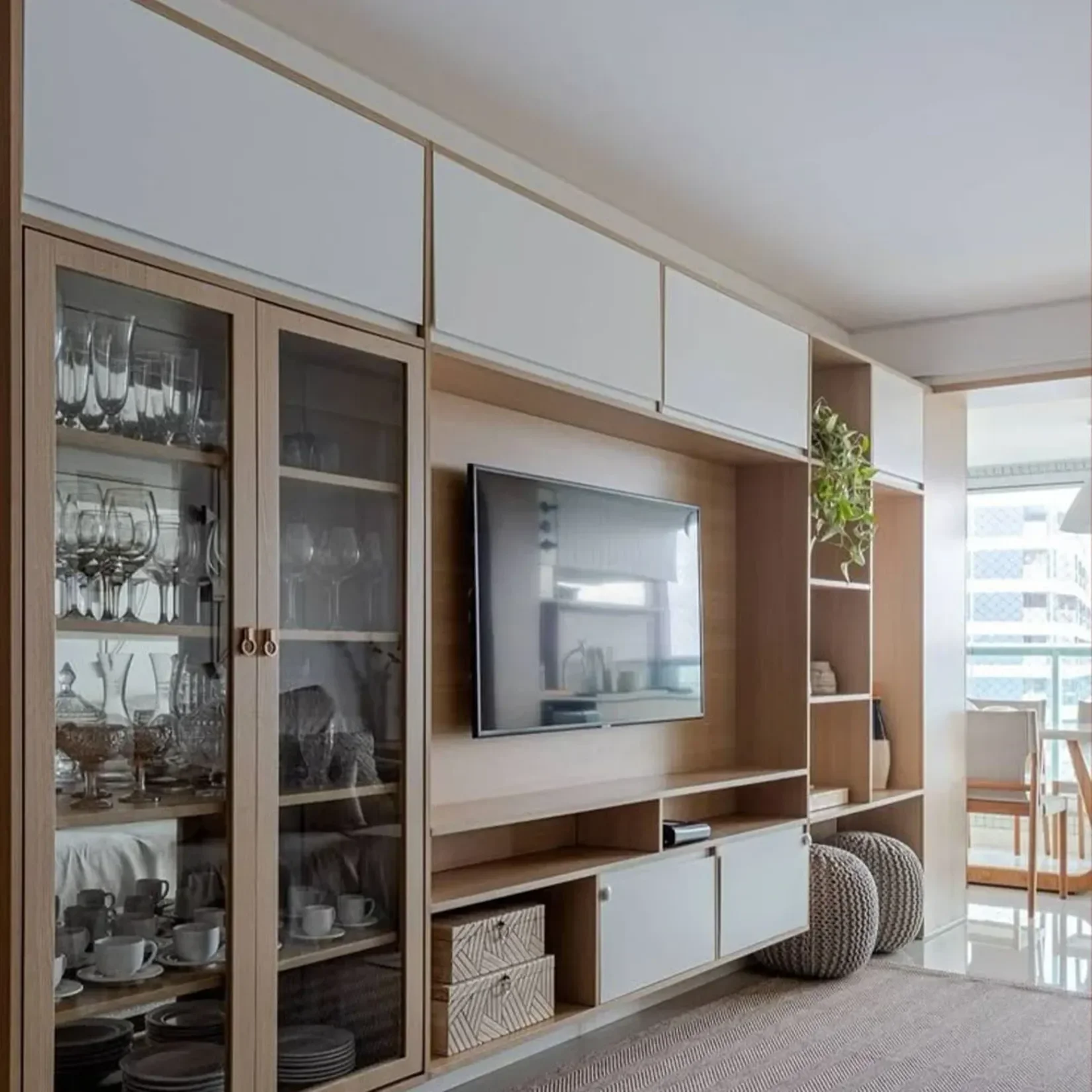
B1 Gabay sa Plywood na Hindi Tinatablan ng Apoy para Bawasan ang Panganib
Ang Mataas na Gastos ng mga Pagkabigo sa Pagsunod sa Sunog sa mga Proyektong Komersyal Ang pagkuha ng pag-apruba para sa mga komersyal na espasyo tulad ng mga hotel, pampublikong gusali, at malalaking tindahan ay nangangailangan ng mahigpit na regulasyon sa kaligtasan. Kabilang sa mga pinakamahalaga sa mga regulasyong ito ay ang mga fire code para sa gusali. Kapag ang mga interior contractor o mga bumibili ng proyekto ay kumukuha ng mga materyales para sa mga pasadyang muwebles, mga panel ng dingding, o mga dekorasyon sa loob, ang nakatagong panganib ay kadalasang nasa kaibuturan ng mga panel na kahoy na ginamit. Ang pagkabigo sa isang fire compliance audit dahil sa mga panel na kahoy na hindi sumusunod sa mga regulasyon ay isang senaryo na nagdudulot ng malaking pagkabalisa para sa mga project manager. Samakatuwid, ang pag-unawa sa mga nuances ng fire-resistant plywood ay hindi lamang isang teknikal na pangangailangan kundi isang kritikal na diskarte sa kaligtasan ng negosyo. Bakit Nabibigo ang Standard o Substandard na Plywood sa Ilalim ng Sunog Ang kahinaan ng maraming construction panel sa panahon ng sunog ay direktang nagmumula sa kanilang panloob na komposisyon at mga proseso ng paggawa. Ang mga karaniwang wood panel o mga flame resistant wood panel na hindi maganda ang pagkakagawa ay kadalasang nagtataglay ng mga nakatagong kahinaan sa istruktura na nagiging nakamamatay sa ilalim ng matinding init. Ang pangunahing problema ay ang mga bakanteng espasyo o puwang sa loob ng mga pangunahing patong ng mga karaniwang panel. Tinatamaan ng mataas na init ang maliliit na bulsa ng hangin na ito. Pagkatapos, nagbibigay ang mga ito ng oxygen na nagpapabilis sa pagkasunog. Pinapakain ng materyal ang apoy sa halip na labanan ang init. Dahil dito, mabilis na kumalat ang apoy sa loob ng gusali. Gayundin, ang mga pandikit na ginagamit sa mga normal na proseso ng paggawa ay nagdudulot ng malalaking problema. Maraming mas lumang panel ang gumagamit ng urea-formaldehyde resins. Ang mga karaniwang pandikit na ito ay walang lakas na kemikal na kailangan upang makaligtas sa mataas na init. Kapag nagsimula ang sunog, mabilis na nasisira ang mga pandikit na ito. Sinisira nito ang lakas ng istruktura ng panel. Pagkatapos, nabubulok ang panel. Mas malala pa, ang pagkatunaw ng mga normal na resin na ito ay lumilikha ng napakalason na usok. Ang usok na ito ay mas malaking panganib sa mga tao at mga bumbero kaysa sa aktwal na apoy. Mga Mahahalagang Pamantayan para sa True B1 Flame-Retardant Plywood Gusto ng mga mamimiling B2B na mabawasan ang malalaking panganib na ito at madaling makapasa sa mga pag-audit ng proyekto. Para magawa ito, dapat silang magtakda ng mahigpit na mga patakaran kapag pumipili ng mga materyales sa loob ng bahay. Ang isang tunay na fireproof panel ay higit pa sa isang surface coating lamang. Kailangan nito ng isang espesyal na ginawang core na ginawa para sa matinding mga kondisyon. Ang unang tuntunin ay isang mataas ang densidad at makinis na panloob na istraktura. Ang core ay dapat na ganap na solid. Inaalis nito ang mga bulsa ng hangin na nagpapakain sa apoy. Pinipigilan ng makapal na istrakturang ito ang mabilis na pagpasok ng init at apoy. Pangalawa, ang sistema ng pandikit ay dapat na natural na lumalaban sa init at ligtas. Ang pandikit na naghihigpit sa mga patong ay dapat na manatiling mahigpit sa ilalim ng napakataas na init. Hindi ito dapat mabulok at maging mapanganib na mga gas. Panghuli, ang materyal ay dapat pumasa sa mahigpit at malinaw na mga pagsusuri upang makakuha ng kilalang antas ng kaligtasan, tulad ng rating na B1. Ipinapakita ng rating na B1 na ang materyal ay mahirap sindihan sa apoy. Pinapabagal nito ang pagkalat ng apoy. Namamatay din ito nang kusa kapag nawala ang pinagmumulan ng init. Para sa mga komersyal na proyekto, ang paghingi ng nakasulat na patunay ng mga katotohanang ito ay kinakailangan para sa pamamahala ng panganib. Paano Binabawasan ng QIANGYI PLYWOOD ang mga Panganib sa Sunog sa Konstruksyon Upang matugunan ang kritikal na pangangailangan para sa maaasahang mga materyales na pangkaligtasan, ang QIANGYI PLYWOOD ay nagdisenyo ng isang solusyon na direktang tumutugon sa mga kahinaan sa istruktura ng mga kumbensyonal na materyales. Sa pamamagitan ng muling pag-imbento ng pamamaraan sa pagmamanupaktura, ang pangalawang henerasyong multi-layer board na ito ay nagbibigay ng matibay na depensa laban sa mga panganib ng sunog, na nagbabantay sa parehong ari-arian at pagpapatuloy ng negosyo. Eucalyptus Core at Ganap na Core-Connected na Istruktura para sa Integridad ng Istruktura Ang pundasyon ng kakayahang ito sa pagtatanggol ay nakasalalay sa pagpili ng mga materyales at pamamaraan ng pag-assemble. Ang advanced plywood na ito ay gumagamit ng isang premium na eucalyptus core, isang uri ng kahoy na kilala sa natural na mataas na densidad at lakas nito. Upang maalis ang mga panloob na puwang, ginagamit ang isang proseso ng pagmamanupaktura na ganap na konektado sa core. Sa prosesong ito, ang bawat patong ng mataas na kalidad na eucalyptus veneer ay maingat na inaayos at pinagbubuklod. Lumilikha ito ng matibay at walang siwang na panloob na arkitektura. Kapag napailalim sa matinding init, ang tuluy-tuloy na densidad na ito ay nagsisilbing pisikal na harang, na nag-uubos ng oxygen na kailangan para sa mabilis na pagkasunog. Dahil dito, napapanatili ng panel ang integridad ng istruktura nito sa loob ng mahabang panahon, na pumipigil sa biglaang pagguho ng mga wall cladding o mga custom na muwebles sa hotel, sa gayon ay pinapabagal ang pangkalahatang paglala ng sunog. B1 Teknolohiyang Hindi Tinatablan ng Apoy at Eco-Friendly na Malagkit na Pandikit ng Bigas Ang pisikal na harang ng eucalyptus core ay pinapalakas ng isang rebolusyonaryong kemikal na sistema ng depensa. Sa halip na umasa sa pabagu-bagong sintetikong resin, ang proseso ng paggawa ay gumagamit ng isang proprietary na Lingmei glutinous rice glue. Ang makabagong adhesive na ito ay binuo mula sa natural na glutinous rice starch na sinamahan ng magnesium chloride at magnesium oxide. Ang magnesium oxide ay isang malakas at natural na panlaban sa init. Mayroon itong napakataas na melting point. Ang paghahalo nito sa glutinous rice glue ay nagbibigay ng malalim na resistensya sa init sa buong panel. Sa ilalim ng matinding init, ang panel ay dumadaan sa isang tuluy-tuloy na proseso ng carbonization. Hindi ito aktibong nasusunog. Sa halip, ito ay gumagana na parang uling na nasusunog.Gayundin, ang pandikit ay walang idinagdag na formaldehyde o benzene. Dahil dito, hindi ito naglalabas ng nakalalasong usok kapag mainit. Ang dobleng aksyon ng pisikal na carbonization at walang nakalalasong usok ay nagsisiguro na natutugunan nito ang pinakamahigpit na mga patakaran sa kaligtasan at luntiang kapaligiran. Malaki ang nababawasan nito sa mga legal na panganib para sa mga kontratista ng proyekto. Napatunayang Ebidensya: Napatunayang Kaligtasan para sa mga Mamimili ng B2B Para sa mga procurement manager at interior contractor, ang mga pahayag sa marketing ay dapat patunayan ng matibay na ebidensya. Ang tunay na halaga ng isang produktong pangkaligtasan ay naipapakita sa pamamagitan ng pagganap nito sa ilalim ng mahigpit na pagsubok at pagpapatunay nito ng mga awtoritatibong regulatory body. Pagsubok sa Direktang Pagkalantad sa Sunog: Malagkit na Plywood ng Bigas vs. Ordinaryong Plywood Ang mga biswal na ebidensya ay nagbibigay ng matibay na patunay ng pagganap ng materyal. Sa mga paghahambing na pagsubok sa direktang pagkakalantad sa sunog, ang mga pagkakaiba sa pag-uugali sa pagitan ng ordinaryong plywood at glutinous rice plywood ay malinaw. Kapag nalantad sa isang patuloy na bukas na apoy, ang ordinaryong plywood ay mabilis na nagliliyab, na nagpapanatili ng apoy at mabilis na nabubulok at nagiging abo. Sa kabaligtaran, kapag ang pangalawang henerasyon ng glutinous rice panel ay nakaharap sa eksaktong parehong direktang apoy, nagpapakita ito ng kahanga-hangang resistensya. Unti-unting nasusunog ang ibabaw, na lumilikha ng isang proteksiyon na carbonized layer, ngunit hindi ito nagliliyab o sumusuporta sa isang matagal na apoy. Kapag nasunog ang panggatong sa loob, ang anumang kaunting pag-uusok ay kusang namamatay. Ang kapansin-pansing pagganap na ito ay nagbibigay ng agarang katiyakan sa kakayahan ng materyal na pigilan ang mga panganib ng sunog sa mga totoong sitwasyon sa mundo. Opisyal na Sertipikasyon at Pagsunod para sa Walang-hirap na Pag-audit ng Proyekto Upang magarantiya ang maayos na pag-audit ng gusali, mahalaga ang dokumentadong pagsunod. Ang produktong ito ay sinusuportahan ng komprehensibong pagsusuri mula sa Shenzhen Academy of Metrology & Quality Inspection (SMQ), isang kinikilalang awtoridad sa pagsusuri. Ayon sa opisyal na Test Report WT245100363, ang produkto ay ganap na nakakatugon sa mahigpit na mga kinakailangan sa klasipikasyon na B1 (B). Ang datos mula sa ulat na ito ay nagbibigay ng konkretong katiyakan para sa mga mamimiling B2B. Ang Fire Growth Rate Index (FIGRA) ay sinukat sa napakababang 79.8 W/s, na mas mababa sa mahigpit na limitasyon na ≤ 120 W/s. Bukod pa rito, ang Total Heat Release within 600 seconds (THR) ay naitala lamang sa 3.9 MJ, na madaling lumampas sa kinakailangan na ≤ 7.5 MJ. Kinukumpirma rin ng ulat ang mahusay na pagganap sa mga karagdagang klase ng kaligtasan, na nakamit ang rating na s2 para sa produksyon ng usok at rating na d0, na nangangahulugang walang nasusunog na mga patak o partikulo sa panahon ng pagsubok. Legal na pinapatunayan ng mga sertipikadong sukatang ito ang pangako na ang materyal ay nag-a-carbonize lamang nang hindi nasusunog, na nagbibigay sa mga kontratista ng hindi mapabubulaanang dokumentasyon na kinakailangan upang makapasa sa mahigpit na inspeksyon sa kaligtasan ng komersyo at ganap na maiwasan ang mga mapaminsalang gastos ng muling paggawa. Kilalanin ang QIANGYI PLYWOOD sa 2026 Guangxi International Forest Products and Wood Products Exhibition Para sa mga mamimili, distributor, kontratista, at mga pangkat ng pagkuha ng proyekto na naghahanap ng maaasahang solusyon sa plywood, malugod na tinatanggap ng QIANGYI PLYWOOD ang mga bisitang personal na makipagkita sa amin. Sa eksibisyon, maaaring matuto nang higit pa ang mga bisita tungkol sa aming mga produktong plywood, talakayin ang mga kinakailangan sa proyekto, at direktang makipag-ugnayan sa aming koponan tungkol sa pagpili ng materyal at potensyal na kooperasyon. Pangalan ng Kaganapan: ANG 2026 GUANGXI INTERNATIONAL FOREST PRODUKTO AT WOOD PRODUKTONG EKSHIBISYON Numero ng Booth: D5T-06 Lokasyon: Nanning International Convention & Exhibition Center Petsa: Nobyembre 21–23, 2026 Mga Madalas Itanong T: Ano ang ibig sabihin ng B1 flame-retardant plywood para sa mga komersyal na proyekto? A: Sa konteksto ng komersyal na konstruksyon, ang B1 rating ay nangangahulugang isang materyal na mahirap magliyab at inuri bilang hindi nasusunog sa ilalim ng mga karaniwang kondisyon. Para sa mga hotel, shopping mall, at mga pampublikong gusali, ang paggamit ng mga materyales na sertipikado ng B1 ay hindi opsyonal; ito ay isang mandatoryong kinakailangan upang sumunod sa mga lokal na kodigo sa pagtatayo. Ang paggamit ng mga materyales na nakakatugon sa pamantayang ito ang pangunahing paraan para sa mga kontratista upang matiyak na pumasa sila sa mga safety audit, sa gayon ay nababawasan ang mga legal na pananagutan at naiiwasan ang mga pagkaantala sa proyekto. T: Paano nababawasan ng fireproof plywood ang mga panganib sa muling paggawa ng proyekto? A: Ang pagkuha ng mga tunay na sertipikadong fireproof wood panel sa simula ng isang proyekto ay isang estratehikong desisyon sa pamamahala ng panganib. Ginagarantiyahan nito na ang mga panloob na instalasyon ay papasa sa mga mandatoryong inspeksyon sa kaligtasan sa unang pagsubok. Ang pagkabigo sa mga inspeksyong ito dahil sa mga materyales na hindi sumusunod sa mga regulasyon ay nagreresulta sa mapaminsalang senaryo ng paggiba ng natapos na trabaho, pagbili ng mga bagong materyales, at pagbabayad para sa pangalawang paggawa sa pag-install. Ang paunang pamumuhunan sa mga materyales na sumusunod sa mga regulasyon ay ganap na nag-aalis ng malalaking gastos sa muling paggawa. T: Bakit mahalaga ang isang ganap na konektadong core ng eucalyptus para sa resistensya sa sunog? A: Ang pisikal na istruktura ng panel ay mahalaga para sa pagganap nito sa ilalim ng init. Ang isang prosesong ganap na konektado sa core ay nag-aalis ng mga mikroskopikong puwang at mga butas na natural na umiiral sa pagitan ng mga patong ng hindi gaanong pinong mga materyales. Sa pamamagitan ng pag-aalis ng mga puwang na ito, ang mga daanan para sa oxygen upang magpagatong ng apoy ay napuputol. Bukod pa rito, ang eucalyptus ay isang natural na mataas ang densidad na kahoy. T: Maaari bang gamitin ang B1 flame-retardant?Gagamitin ba ang plywood para sa mga pasadyang muwebles sa hotel? A: Oo, ito ay isang mainam na materyal para sa mga ganitong aplikasyon. Ang mga aparador ng hotel, mga pasadyang kabinet, at mga pandekorasyon na cladding sa dingding ay dapat sumunod sa mahigpit na pamantayan ng kaligtasan ng publiko. Ang partikular na pangalawang henerasyong materyal na ito ay hindi lamang nakakatugon sa mga hinihingi na kinakailangan sa paglaban sa sunog na B1 kundi gumagamit din ng kakaibang pandikit na bigas. Tinitiyak nito na ang mga pasadyang muwebles ay nananatiling ganap na walang emisyon ng formaldehyde, na sabay na nakakatugon sa parehong mahigpit na mga regulasyon sa kaligtasan at mataas na pamantayan ng kalidad ng hangin sa loob ng bahay. T: Paano pumili ng pinakamahusay na plywood para sa pagbabawas ng panganib ng sunog sa mga pampublikong gusali? A: Kapag pumipili ng mga materyales upang mabawasan ang panganib, ang mga mamimiling komersyal ay dapat magtatag ng mahigpit na pamantayan sa pagkuha. Una, humingi ng beripikadong opisyal na dokumentasyon, tulad ng mga ulat ng pagsusulit sa SMQ, na nagpapatunay ng klasipikasyong B1 at mahusay na mga marka ng FIGRA. Pangalawa, magtanong tungkol sa panloob na komposisyon; unahin ang mga materyales na nagtatampok ng mga uri ng halaman na may mataas na densidad tulad ng eucalyptus at isang tuluy-tuloy at ganap na konektadong istrukturang core.
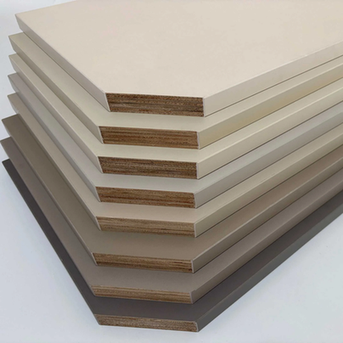
Mga Tip sa Pagbili ng Moisture-Resistant Plywood para sa mga Vanity sa Banyo
The Hidden Cost of Bathroom Vanity Delamination When manufacturing cabinets for wet environments, the commercial stakes are incredibly high. Bathrooms experience constant humidity, steam from daily showers, and frequent water splashes around the washbasin. If you supply vanities made from inadequate materials, moisture will inevitably penetrate the exposed edges. This intrusion leads directly to edge swelling, adhesive failure, and severe veneer delamination. For cabinet manufacturers and interior contractors, these material failures are not just minor inconveniences. They translate into expensive after-sales claims, free part replacements, and wasted manual labor hours. Furthermore, delivering failing products destroys your brand reputation, leading to negative reviews and drastically reduced profit margins. Finding a truly reliable waterproof material for kitchen cabinets and bathroom furniture is essential to eliminating these hidden financial drains, protecting your business, and keeping your end-user clients fully satisfied over the long term. Why Standard Plywood Fails in High-Humidity Bathrooms Many normal waterproof plywood choices sold today just cannot handle steady bathroom dampness. The main reason usually comes down to two basic things. These are the wood type and the adhesive structure. Most regular boards use softwood cores or medium-density fiberboard. Softwood has a low physical density. It also has wide, open cell pores. These pores pull in water drops from the damp air. After the water gets inside, the inner wood fibers swell fast. Also, normal moisture-resistant boards use standard urea-formaldehyde resin glue. This common chemical glue is not stable when it faces steady wetness and heat changes. It goes through bad chemical reactions. It breaks down over time and loses its main grip strength. This breakdown surely makes the surface layers peel off from the center. To fix this endless loop of failure, we must look past normal making methods. We must avoid weak material pairings. Key Criteria: How to Choose Plywood for Bathroom Furniture Selecting the best plywood for high humidity areas requires moving past basic marketing claims and focusing strictly on material science. A truly good board must have a high-density core. This core physically stops fast water entry before it begins. Also, it requires a highly stable, water-resistant adhesive that will not chemically break down under extreme moisture stress. You must also think about the full cost of ownership. Do not just look at the first buying price. High-quality anti-swelling plywood for cabinets might cost a bit more at the start. However, it strongly guards your long-term profits. It does this by wiping out warranty claims and repair visits. It also stops bad buyer feedback. How QIANGYI PLYWOOD Solves Vanity Swelling To completely resolve the commercial pain points of edge swelling and delamination, we completely reengineered our board structure from the inside out. We eliminated the conventional materials that cause typical industry failures and developed a targeted solution specifically tailored for high-humidity applications, that is glutinous rice glue plywood. Our approach combines a premium hardwood substrate with an innovative natural adhesive to deliver unmatched stability. 100% Eucalyptus Core for Superior Density The base of our moisture-resistant board is a full eucalyptus core. Eucalyptus is a fine hardwood. It acts very differently from the softwood that other brands use. Eucalyptus has a much higher physical density. Because of this, its inner cell layout has much fewer open spaces. This thick hardwood makeup builds a strong physical wall. This wall greatly slows down water entry. We use a 100% eucalyptus plywood build with Grade 1 core layers. Because of this, the glutinous rice glue plywood stops the fast water intake that usually ruins bathroom vanities. This keeps the shape very stable, even in the wettest rooms. It protects the physical strength of your finished cabinets. Glutinous Rice Glue for Waterproof Bonding To complement our dense hardwood core, we utilize an advanced glutinous rice glue. This specialized, formaldehyde-free adhesive is formulated from glutinous rice starch, magnesium chloride, water, and magnesium oxide. Unlike traditional adhesives that weaken when wet, our glutinous rice glue features strong penetration capabilities. We apply this glue layer by layer, allowing it to completely fill the microscopic gaps between the eucalyptus wood fibers. Once cured, it forms a dense, water-resistant crystalline network that physically blocks water molecules from touching the wood fibers. Compared to traditional urea-formaldehyde resin adhesives, the glutinous rice glue structure exhibits higher stability in humid environments, significantly reducing the risk of ungluing and delamination caused by moisture. Proven Evidence: Will It Survive the Bathroom Environment? B2B buyers need more than just promises; they need verifiable data to mitigate procurement risks. Class II Waterproof Certification & Boiling Test QIANGYI PLYWOOD’s manufacturing standards are validated by rigorous third-party evaluations. As detailed in our Test report, our glutinous rice glue plywood has officially achieved Class II waterproofing certification. This strict classification means the board is specially designed to endure damp conditions and short-term hot water immersion. During the mandatory immersion peeling tests, our samples were submerged in 63 degrees Celsius hot water. The test results demonstrated a flawless 100% pass rate with zero delamination. This official testing guarantees that our boards possess the structural integrity necessary to survive the harsh realities of a bathroom environment without compromising your finished product. 72-Hour Immersion Test vs. Ordinary Plywood Real-world testing visually demonstrates our board’s superiority. In a recent video test demonstrating our plywood’s true waterproof capabilities, we conducted a direct immersion comparison. We submerged our glutinous rice board alongside ordinary boards in water for an extended 72-hour period. The results were undeniable. While the standard materials exhibited significant, visible swelling, our board remained remarkably stable. The thickness of our plywood only changed microscopically, moving from 18.20mm to 18.39mm after 72 hours underwater. In stark contrast, the ordinary plywood swelled significantly from 18.13mm to 19.05mm, and the MDF board expanded even more drastically from 18.30mm to 20.66mm. The test results demonstrate that under the same immersion conditions, the thickness variation of our eucalyptus core glutinous rice glue plywood is significantly lower than that of ordinary plywood and MDF. For bathroom vanity manufacturers, this lower expansion risk helps reduce cabinet deformation, edge cracking, veneer delamination, and after-sales claims, thereby improving project delivery stability and long-term profit margins. Real-World Case Study: Success in the Humid Philippines A leading furniture materials distributor in the Philippines faced challenges with the country’s hot, humid climate. Seeking a durable solution, they partnered with us after discovering our Glutinous Rice Glue plywood. The results were exceptional. The plywood’s natural adhesive, ENF grade, and superior waterproof and termite-proof capabilities perfectly addressed local market needs. These features significantly reduced their clients’ maintenance and rework costs caused by moisture swelling and severe termite damage. Starting with a conservative single-color trial order, the overwhelming positive market response led the distributor to quickly expand their range. Today, they feature a fully customized color palette and successfully promote our glutinous rice plywood as their flagship premium series. Experience Our Waterproof Technology in Person If you are looking to completely resolve the commercial pain points of edge swelling and delamination, we invite you to inspect our premium moisture-resistant plywood firsthand. Come meet our experts and see the physical proof of our material stability. *Event Name:THE 2026 GUANGXI INTERNATIONAL FOREST PRODUCTS AND WOOD PRODUCTS EXHIBITION *Booth Number:D5T-06 *Location/Address:Nanning International Convention & Exhibition Center *Date:November 21-23, 2026 FAQ Q: What is the best waterproof plywood for bathroom cabinets? A: While no wood product is entirely impervious to water forever, the most reliable commercial solution is a combination of a dense hardwood core and a highly water-resistant adhesive. A full eucalyptus core combined with glutinous rice glue currently offers the absolute best defense against edge swelling and delamination in humid bathroom conditions, making it ideal for professional vanity manufacturing. Q: Does full eucalyptus core plywood prevent edge swelling? A: Yes, it significantly reduces the risk. Eucalyptus is a dense hardwood, which means its internal cellular structure is much tighter than that of typical softwood. This high density naturally minimizes the empty pores where water can accumulate, physically restricting moisture penetration and preventing the vanity edges from expanding when exposed to bathroom humidity. Q: Why should cabinet manufacturers choose glutinous rice plywood over standard moisture-resistant boards? A: Standard boards rely on conventional chemical adhesives that gradually degrade when exposed to continuous moisture. Our glutinous rice glue creates a stable crystalline structure that locks out water molecules and maintains its strong bond even after severe water exposure. This directly translates to fewer customer complaints, zero rework, and a heavily protected brand reputation. Q: How can I verify the waterproof performance of plywood before buying? A: You should always request official laboratory testing data from your supplier. Look for documents like our test report, which confirms a 100% pass rate in Class II hot water immersion peeling tests. Additionally, seek out visual proof, such as our 72-hour water submersion videos, to directly compare material expansion rates before committing to a purchase. Q: Will using moisture-resistant plywood increase my manufacturing costs? A: You must evaluate this through the precise lens of total cost of ownership. While a premium full eucalyptus board might have a marginally different upfront purchase price, it completely eliminates the hidden costs of vanity failures. By preventing expensive after-sales repairs, free replacement parts, and lost future business due to bad reviews, it ultimately increases your overall profitability and business growth.
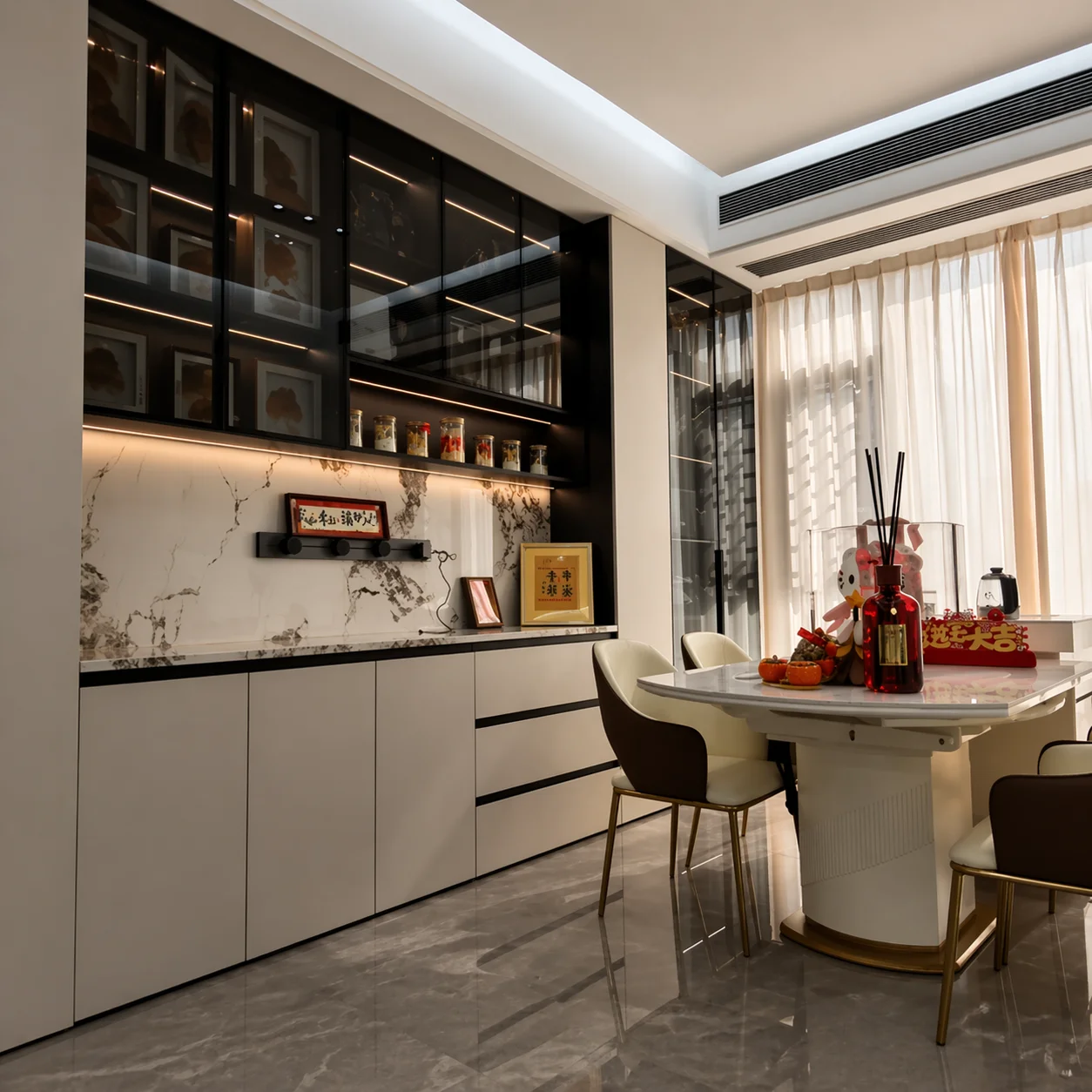
Gabay sa Plywood na Lumalaban sa Depormasyon para sa mga Mahalumigmig na Interior
Maaaring mag-iwan ang pinto ng kabinet na patag at kurbado ang pagawaan pagkalipas ng ilang buwan. Sa mga mahalumigmig na apartment, mga hotel sa baybayin, mga kusina, mga vanity, at mga aparador sa tabi ng mga mamasa-masang dingding, ang plywood ay nahaharap sa paulit-ulit na pagbabago ng kahalumigmigan. Para sa mga interior contractor, maaari itong mangahulugan ng muling paggawa, naantalang paglilipat, at mga tawag sa warranty. Ang pangunahing tanong ay kung paano tukuyin ang plywood na lumalaban sa deformation. Bakit Nagiging Magastos na Problema ang Depormasyon ng Plywood sa mga Maalinsangan na Pagsasaayos ng Interior Kung saan Lumilitaw ang Deformasyon na May Kaugnayan sa Humidity Pagkatapos ng Pag-install Karaniwan ang deformasyon kung saan ang mga panel ay malapad, madalas gamitin, o hindi pantay ang pagkakalantad. Ang mga pinto ng kabinet sa kusina ay maaaring yumuko, ang mga vanity ng banyo ay maaaring tumakip malapit sa mga basang dingding, ang matataas na pinto ng aparador ay maaaring magkaroon ng hindi pantay na mga puwang, at ang mga casework ng hotel malapit sa mga panlabas na dingding ay maaaring makaranas ng paulit-ulit na pag-ikot ng kahalumigmigan. Maliliit lang ang mga unang palatandaan: hindi na pantay ang pagkakalagay ng gilid, pumipilipit ang harapan ng drawer, o tumataas ang mga banding ng gilid. Kapag naapektuhan na ang mga fitting, ang depekto sa paningin ay nagiging depekto na sa paggana. Mula sa Isang Warped Panel Hanggang sa Rework, Mga Pagkaantala at Mga Callback sa Warranty Ang isang kapalit na panel ay maaaring mangailangan ng isa pang pagbisita sa site, pag-refinish, pagsasaayos ng bisagra, at koordinasyon ng kliyente. Sa mga proyektong may maraming silid, dumarami ang mga gastos. Ang paggalaw ng panel ay nagdudulot ng mahinang pagkakahanay; ang mahinang pagkakahanay ay lumilikha ng gawaing pagwawasto; ang gawaing pagwawasto ay kumukunsumo ng paggawa, materyales, at iskedyul. Samakatuwid, ang katatagan ng dimensyon ay kabilang sa ispesipikasyon ng pagkuha. Bakit May mga Warp, Cup, o Delaminate ang Plywood sa mga Maalinsangan na Interior Ang Moisture Cycling ay Lumilikha ng Hindi Pantay na Pamamaga at Pag-urong Ang plywood ay cross-laminated, na nakakatulong na pigilan ang paggalaw ng kahoy, ngunit ang mga veneer nito ay sumisipsip at naglalabas pa rin ng kahalumigmigan habang nagbabago ang halumigmig. Nagsisimula ang problema kapag hindi pantay ang paggalaw na iyon. Ang pinto ng kabinet sa tabi ng lababo ay maaaring sumipsip ng mas maraming kahalumigmigan sa mga gilid nito kaysa sa pandekorasyon na bahagi nito. Ang isang aparador na nakadikit sa malamig na dingding ay maaaring maharap sa iba't ibang kondisyon sa likod at harap. Ang nagreresultang stress ay maaaring lumitaw bilang pagyuko, pag-upo, pag-ikot, o lokal na pagkasira ng bono. Ang Hindi Balanseng Konstruksyon ng Core at ang Natitirang Stress ay Nagpapalaki sa Problema Ang halumigmig ay kadalasang siyang sanhi, hindi lamang ang tanging dahilan. Ang mga puwang sa core, hindi pantay na kahalumigmigan ng veneer, mahinang simetriya, o residual stress ay maaaring magpa-sensitibo sa isang panel. Ang isang balanseng lay-up ay nagpapamahagi ng mga puwersa sa buong sheet. Ang isang irregular na core ay maaaring hindi pantay na tumugon, na nagiging mas halata ang nakatagong kawalang-tatag pagkatapos ng pagputol. Bakit Hindi Sapat ang Mas Makakapal na mga Panel, Surface Laminate o Pag-aayos ng Hardware Lamang Pinapabuti ng kapal ang katigasan ngunit hindi nito itinatama ang hindi matatag na core. Maaaring mapabagal ng isang surface laminate ang pagpasok ng moisture, ngunit ang mga pinutol na gilid, mga butas na binutas, at mga hindi naselyong likod ay nananatiling nakalantad. Mas maraming bisagra ang maaaring kumontrol ng paggalaw nang mekanikal, ngunit hindi nito maaayos ang mahinang bonding. Ang mga hakbang na ito ay pinakamahusay na gumagana kapag ang base panel ay angkop na sa kapaligiran. Ano ang Dapat Patunayan ng Deformation-Resistant Plywood Bago Mo Ito Tukuyin Maghanap ng Balanseng Konstruksyon ng Core at Kontroladong Paggalaw ng Moisture Bago tukuyin ang plywood para sa isang mamasa-masang loob, suriin ang tatlong pangunahing bagay: 1. Konsistensya ng core: ang magkakalapit na pagkakabit ng mga veneer at balanseng mga patong ay nakakabawas sa mga lokal na kahinaan. Tungkol sa pagpili ng materyal ng core, ang paggamit ng mga hardwood tulad ng malalaking diameter na eucalyptus ay maaaring makabuluhang mapahusay ang resistensya ng panel sa deformasyon dahil sa mga bentahe tulad ng pagiging walang buhol, pagkakaroon ng mataas na lakas, at pagpapanatili ng matatag na kalidad. 2. Pagkontrol ng kahalumigmigan: dapat kontrolin ang panloob na kahalumigmigan bago umalis ang panel sa produksyon. 3. Istratehiya sa gilid at ibabaw: ang pagtatapos, pagbabarena, pagbubuklod, at pag-install ay dapat limitahan ang hindi pantay na pagkakalantad pagkatapos ng pagputol. Ang isang angkop na panel ay hindi lamang basta "hindi tinatablan ng tubig." Ang pangunahing istruktura, pagbubuklod, pagkondisyon, at pag-install ay kailangang magtulungan. Integridad ng Demand Bond, Datos ng Katatagan at Ebidensya ng Pagsubok na Naaayon sa Aplikasyon Dapat itanong ng mga mamimili kung ano ang nasubukan, aling kinakailangan ang naaangkop, at kung ang nasubukang konstruksyon ay tumutugma sa nakasaad na panel. Ano ang dapat beripikahin Bakit ito mahalaga Pagbabalat gamit ang immersion Sinusuri ang integridad ng linya ng pandikit pagkatapos malantad sa kahalumigmigan Lakas ng pagbaluktot Nagpapahiwatig ng resistensya sa pagkabigo ng baluktot Modulus ng elastisidad Tumutulong sa pagtatasa ng katigasan at pagpapalihis Core, kapal at mukha Kinukumpirma na ang ebidensya ay tumutugma sa utos Mahalaga ito para sa mga pinto ng kabinet, mahahabang istante, at mga vanity kung saan mabilis na nakikita ang kaunting paggalaw. Paano Tinatarget ng QIANGYI PLYWOOD ang Deformasyong Pinapatakbo ng Humidity Sa QIANGYI PLYWOOD, tinutugunan namin ang deformation sa pamamagitan ng pagkontrol sa panel mula sa core palabas sa halip na umasa lamang sa isang surface claim. Binabawasan ng Balanseng Konstruksyon ng Multilayer at Kontroladong Kondisyon ang Panloob na Stress Ang aming plywood na gawa sa glutinous-rice glue ay gumagamit ng full-core lay-up na may patong-patong na pagdidikit. Kasama sa produksyon ang mahigit 24 na oras ng mabagal na cold pressing, humigit-kumulang 60 oras na pagpapatuyo, at mahigit 15 araw na pagpapatigas at pagkondisyon. Ang mas mahabang cycle ay naglalayong mapabuti ang pagdikit, pantayin ang panloob na kahalumigmigan, at hayaang tumila ang natitirang stress bago ang paggawa. Kadalasang lumilitaw ang deformasyon pagkatapos ng pagputol at pag-install. Ang mas pantay na kahalumigmigan at balanseng istraktura ay nakakatulong na mabawasan ang konsentrasyon ng stress sa loob ng panel. Tumatagos na Malagkit na Bigas AdhNakakatulong ang esive na limitahan ang pamamaga na dulot ng kahalumigmigan Ang sistemang pandikit ay gumagamit ng glutinous rice starch na may magnesium chloride, magnesium oxide, at tubig. Pagkatapos tumigas, ito ay dinisenyo upang tumagos sa istruktura ng kahoy at bumuo ng isang siksik na network ng pagkakadikit. Ang hanay ng glutinous-rice board ay kinokontrol sa 8–12% na nilalaman ng kahalumigmigan, habang ang posisyon nito na Class II water-resistance ay inilaan para sa mga mahalumigmig na kapaligiran sa halip na pangmatagalang paglubog. Sa mga kusina, aparador, at mga vanity, ang layunin ay limitahan ang mabilis na pagsipsip at pamamaga ng kahalumigmigan. Ang Pagganap na Anti-Mold at Antibacterial ay Nagdaragdag ng Pangalawang Proteksyon sa mga Mahalamig na Interior Ang halumigmig ay maaaring lumikha ng mga problemang biyolohikal kahit bago pa man mangyari ang nakikitang pagbaluktot. Ang lahat ng QIANGYI PLYWOOD glutinous-rice glue plywood ay gawa sa malalaking diyametrong eucalyptus, na nagtataglay ng natural na mga katangiang antibacterial. Sa aming sistema ng glutinous-rice board, ang resistensya sa amag ay Grade 0 at ang antibacterial rate ay higit sa 99%. Pinagsasama ng proseso ang sistema ng pandikit na may 60-oras na kontroladong pagpapatuyo at pagkontrol ng kahalumigmigan sa hanay na 8–12%. Sinusuportahan ng mga katangiang ito ang katatagan ng dimensyon; hindi nila ito pinapalitan. Kapaki-pakinabang ang mga ito sa mga kusina, muwebles sa banyo, mga silid-bihisan, at mga panloob na lugar sa baybayin kung saan maaaring manatili ang mainit at mamasa-masang kondisyon. Ebidensya sa Pagsubok, ang Kaso ng Mauritius at ang Halaga ng Pagkuha ng Katatagan ng Dimensyon Ang Ulat sa Pagsubok na SZF-WT-25082006-02 ay nagbibigay ng ebidensya para sa integridad ng pagkakabit at pagganap ng istruktura. Ang pahina ng ulat ay nagpapakita ng anim na wastong ispesimen para sa bawat aytem at isang 100% na antas ng pagpasa. Aytem sa pagsubok Ipinakita ang kinakailangan Resulta Pagbabalat gamit ang immersion Tinukoy na pamantayan sa pagbabalat 6/6 kwalipikado Lakas ng baluktot, parallel ≥22.0 MPa 6/6 kwalipikado Lakas ng baluktot, nakahalang ≥20.0 MPa 6/6 kwalipikado Elastic modulus, parallel ≥5000 MPa 6/6 kwalipikado Elastic modulus, transverse ≥4000 MPa 6/6 kwalipikado Pag-aaral ng Kaso: Bakit Patuloy na Nag-aayos ng Muwebles ang Isang Pabrika ng Muwebles sa Mauritius Isang matagal nang kostumer sa paggawa ng muwebles sa Mauritius ang nakatanggap ng ikatlong pagpuno ng lalagyan ngayong taon. Ang produkto ay plywood na pang-muwebles na may 100% eucalyptus core. Ang Mauritius ay may mainit at mahalumigmig na klima sa isla, kung saan ang mga ordinaryong panel ay maaaring matuklap, mabago ang hugis, at masira ang anay sa paglipas ng panahon. Para sa kostumer na ito, nagtustos kami ng plywood gamit ang isang buong eucalyptus core, glutinous-rice adhesive, at temperature-controlled processing upang mapabuti ang estabilidad sa ilalim ng mahalumigmig na mga kondisyon. Sinuportahan din ang produkto ng resulta ng 9.5-grade na pagsusuri sa resistensya sa anay. Nagkomento ang kostumer na ang paggamit ng aming plywood para sa mga kabinet ay nakatulong na mabawasan ang mga alalahanin tungkol sa mga problema pagkatapos ng benta. Ang paulit-ulit na pagbili ay hinihimok din ng pagiging tuloy-tuloy. Ang matatag na pagganap sa paghawak ng pako at malilinis na mga gilid ng pagputol ay nakatulong sa pabrika na maiwasan ang madalas na mga pagsasaayos sa produksyon at mabawasan ang pagkawala ng materyal sa pagitan ng mga batch. Isa pang konsiderasyon ang paghahatid nang malayuan. Para sa kargamento sa dagat, pinatibay namin ang mga gilid ng pallet at gumamit ng maraming patong ng pambalot na hindi tinatablan ng tubig. Iniulat ng customer na dumating nang buo ang mga pallet at nanatiling tuyo ang plywood pagkatapos maalis ang pakete. Bilang isang direktang tagagawa, mabilis din kaming makakatugon sa mga kinakailangan tulad ng mga partikular na laki o mga antas na pangkalikasan, na tumutulong sa mga paulit-ulit na mamimili na mapanatili ang isang mas nahuhulaang iskedyul ng supply. Para sa mga kontratista at tagagawa ng muwebles, ipinapakita ng kasong ito na ang pagpili ng plywood ay hindi lamang tungkol sa resistensya sa deformasyon. Ang pagkakapare-pareho ng batch, proteksyon sa transportasyon, at pagiging maaasahan ng supply ay nakakaapekto rin sa pagkalugi ng produksyon, panganib pagkatapos ng benta, at paghahatid ng proyekto. Damhin ang Aming Deformation-Resistant Plywood nang Personal Interesado ka bang makita mismo ang katatagan ng dimensyon at kalidad ng aming plywood? Inaanyayahan ka naming makipag-ugnayan sa aming koponan at talakayin kung paano masisiguro ng aming mga produkto ang iyong susunod na proyekto sa pagsasaayos ng humid interior. *Pangalan ng Kaganapan: ANG 2026 GUANGXI INTERNATIONAL FOREST PRODUKTO AT WOOD PRODUKTONG EKSBISYON *Pangalan ng Kumpanya: QIANGYI PLYWOOD *Numero ng Booth: D5T-06 *Petsa: Nobyembre 21-23, 2026 *Lokasyon/Address: Nanning International Convention & Exhibition Center Mga Madalas Itanong T: Ano ang nagiging sanhi ng pagbabago ng hugis ng plywood sa mga mamasa-masang loob? A: Ang hindi pantay na paggalaw ng halumigmig ang pangunahing mekanismo. Iba't ibang antas ng pagsipsip at paglalabas ng halumigmig ang iba't ibang bahagi, gilid, o core area. Ang kawalan ng balanse ng core, natitirang stress, mahinang linya ng pandikit, at mahinang proteksyon sa gilid ay maaaring magpalala sa paggalaw. T: Ano ang dapat suriin ng mga kontratista kapag bumibili ng plywood na lumalaban sa pagbabago ng hugis? A: Dapat mong palaging suriin ang kalidad ng core at hanapin ang isang balanseng konstruksyon. Gayundin, tiyakin ang kontrol sa kahalumigmigan, lakas ng pagkakabit, pagganap ng pagbaluktot, at higpit. Panghuli, siguraduhin na ang ibinigay na mga dokumento ng pagsubok ay tunay na tumutugma sa aktwal na kapal at istraktura ng iyong order. T: Aling mga resulta ng pagsusuri ang mahalaga kapag sinusuri ang plywood na lumalaban sa deformation? A: Ang pagbabalat gamit ang immersion ay nakakatulong upang masuri ang integridad ng linya ng pandikit pagkatapos malantad sa kahalumigmigan. Ang lakas ng pagbaluktot ay nagpapahiwatig ng resistensya sa pagkabigo ng pagbaluktot, habang ang modulus ng elastisidad ay nauugnay sa stiffness at deflection. Ang mga resulta ay pinakakapaki-pakinabang kapag ang sinubukang sample ay tumutugma sa tinukoy na produkto. T: Lumalaban ba sa deformasyonKailangan pa rin bang lagyan ng edge sealing at tamang pagkakabit ang plywood? A: Oo. Ang mga pinutol na gilid, mga butas na binutas, hindi pantay na pagtatapos, basang mga substrate, mahinang pag-iimbak, at maling layout ng hardware ay maaari pa ring lumikha ng lokal na pagpasok ng moisture o stress. Ang isang matatag na panel ay nakakabawas ng panganib, ngunit ang paggawa at pag-install ay nananatiling bahagi ng solusyon.

If you interested in our product, please leave you information here, we will send you more details
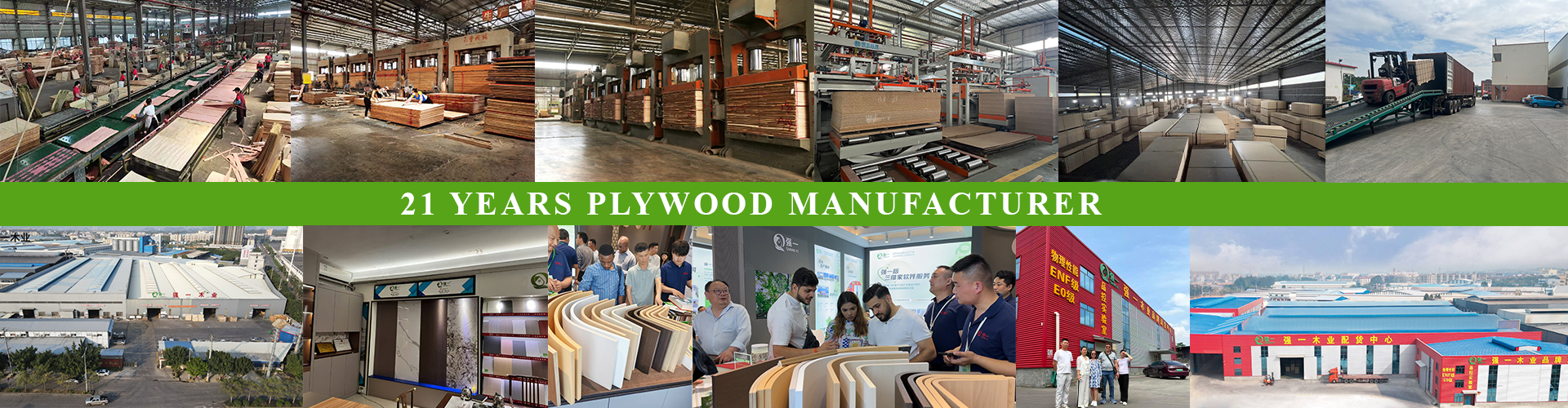
Please fill out the form below and we will get back to you as soon as possible.