
Produtos
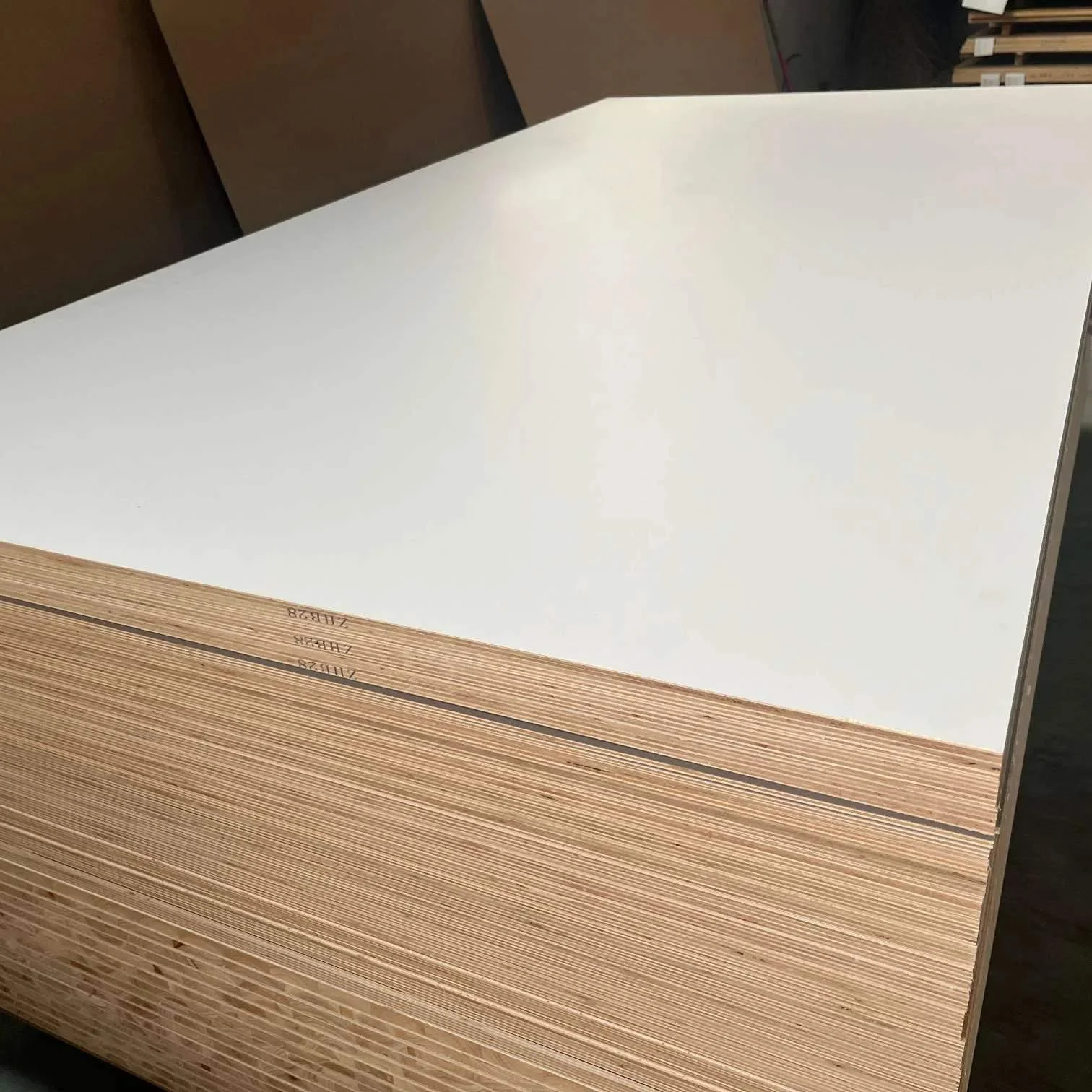
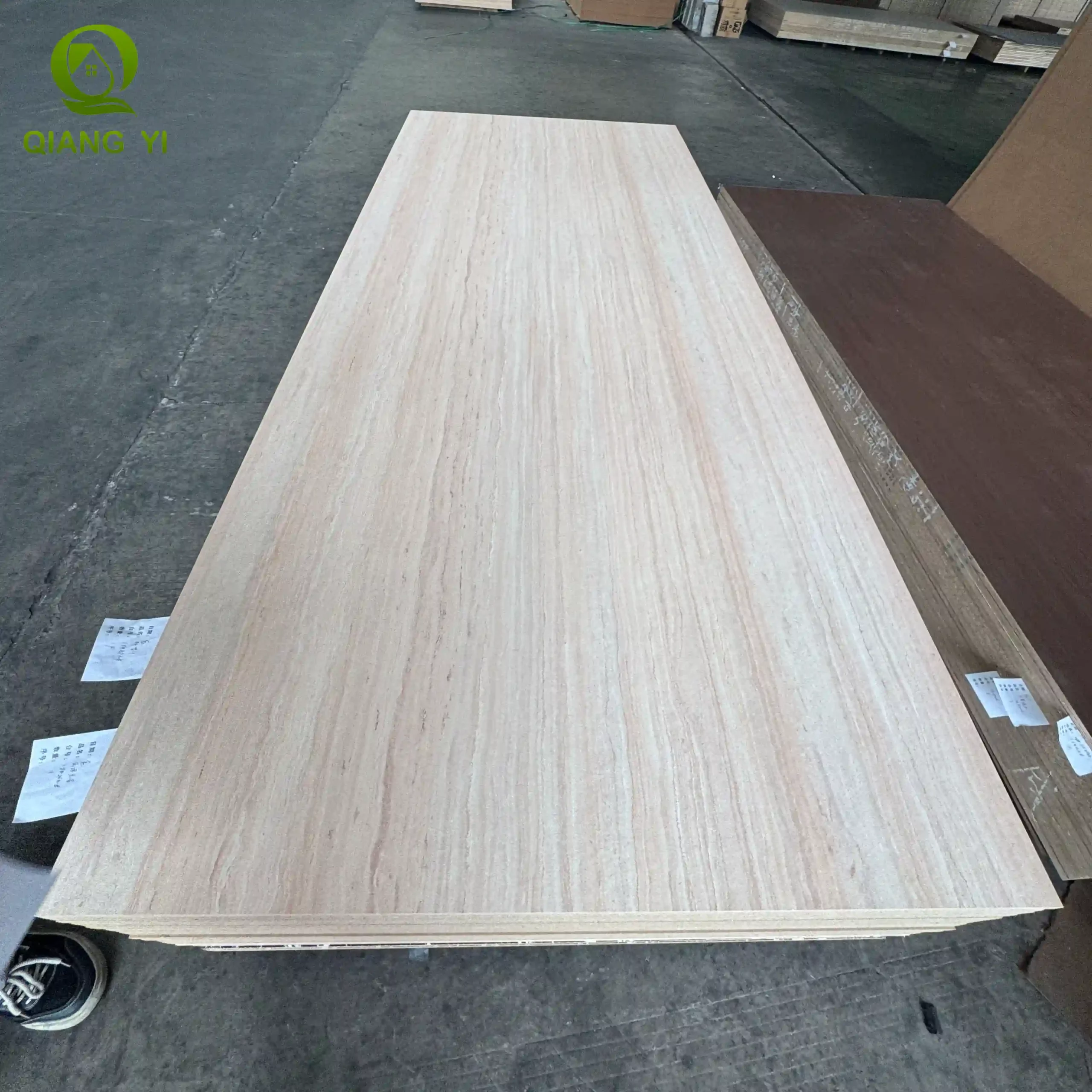
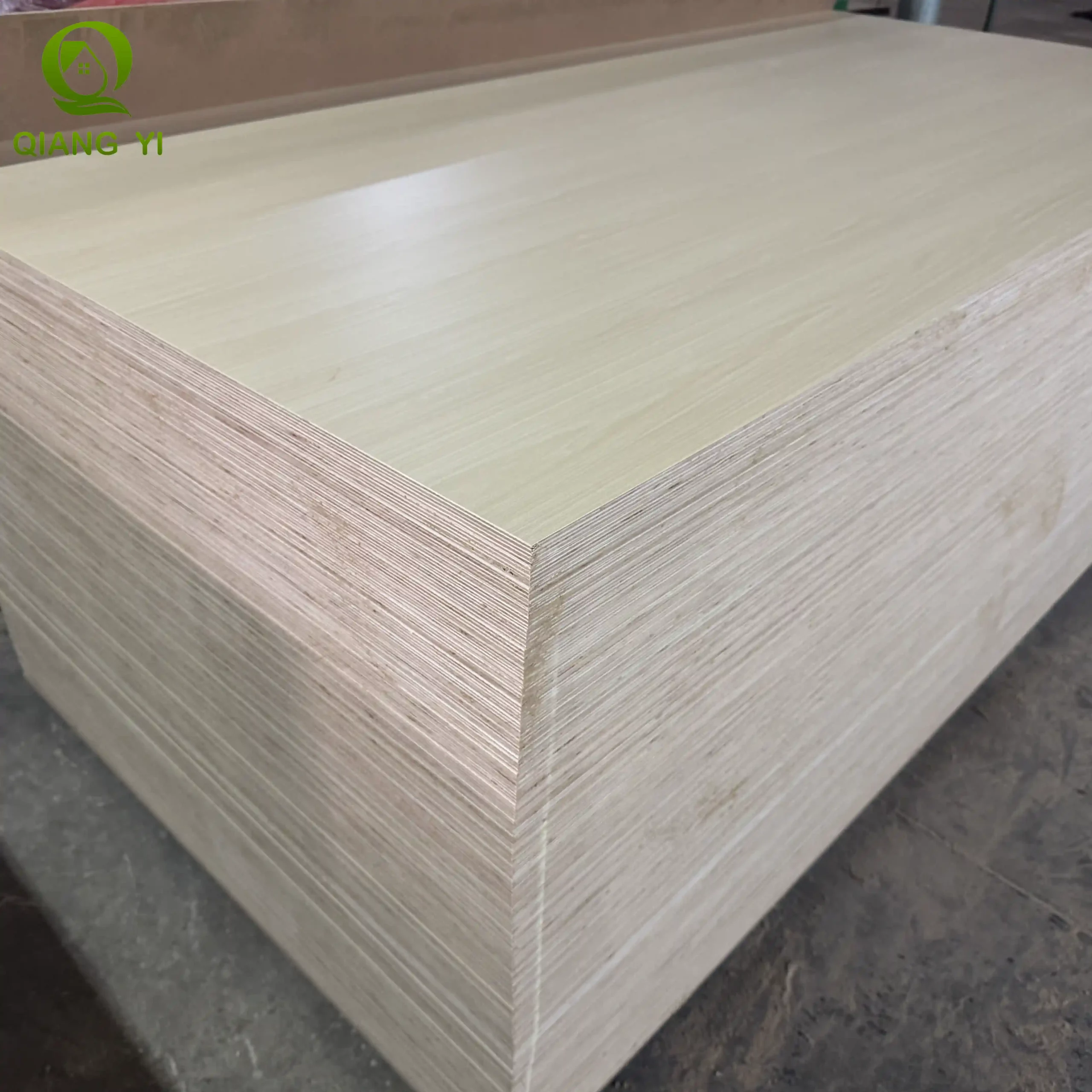
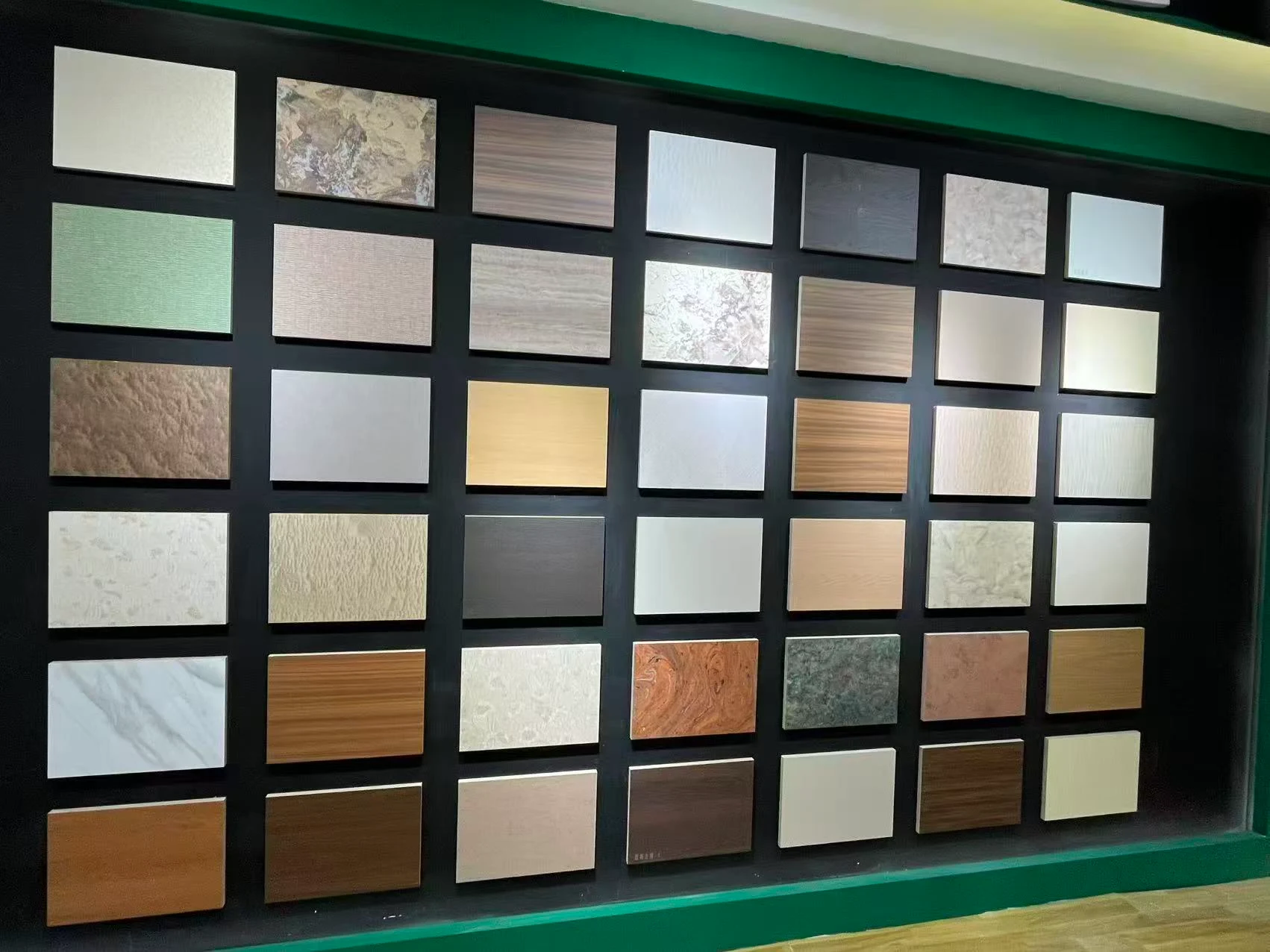
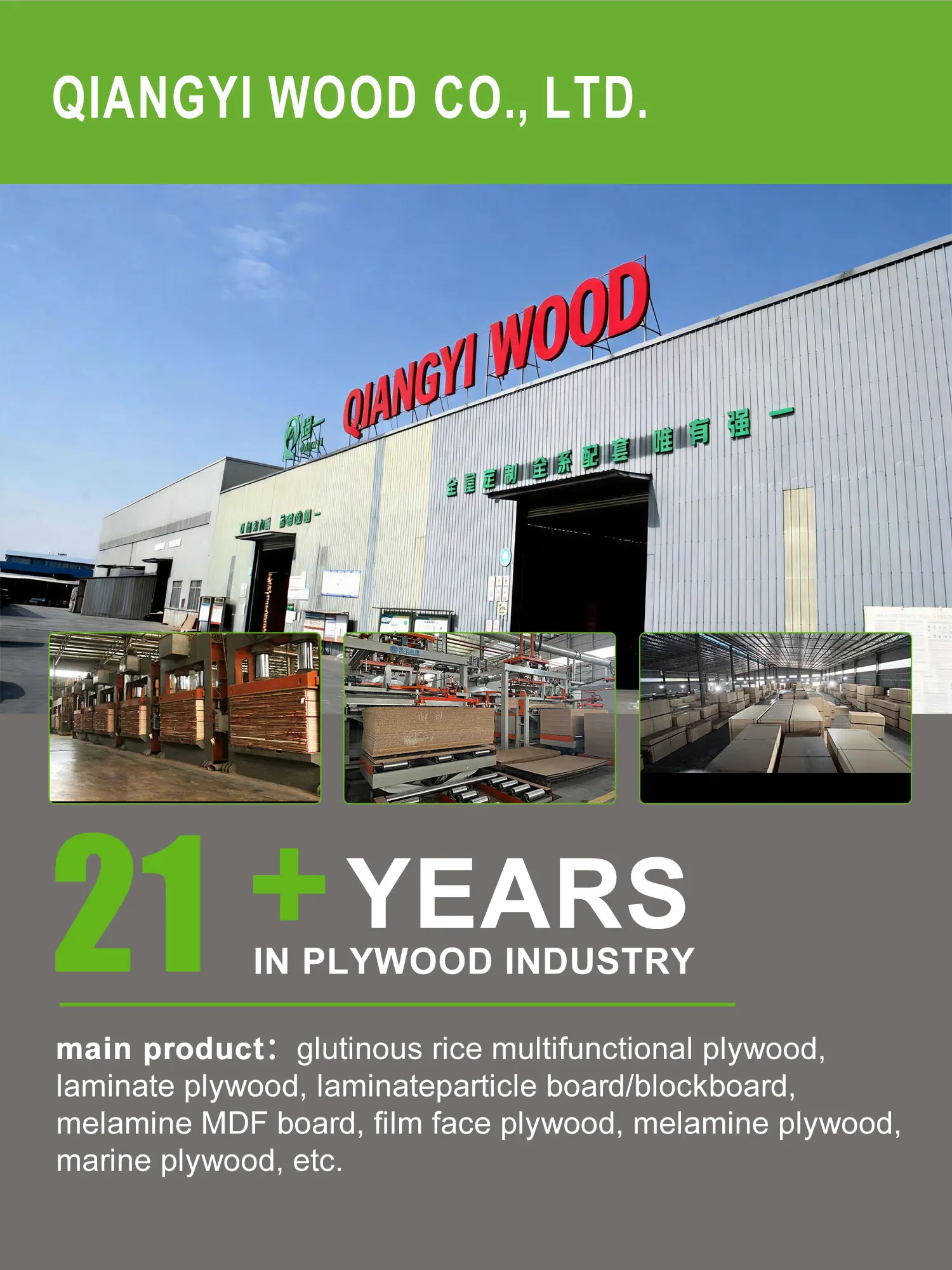
Fornecimento único de compensado naval laminado com textura de madeira e superfície PET de 18 mm para móveis de hotel - Qiangyi PLYWOOD
Descrição detalhada do produto
| Tamanho | 1220x2440mm/1220x2745mm |
| Grossura | 5 mm/9 mm/12 mm/15 mm/18 mm/25 mm |
| Material principal | Madeira de eucalipto/abeto/borracha, etc. |
| Superfície | Papel melamínico/fosco/brilhante |
| Umidade | 8-12% |
| Certificados | CARB-P2/EPA/CE/FSC/ISO, etc. |
| Tolerância de espessura | +0,2 mm / -0,5 mm |
| Camada | 5 camadas/9 camadas/11 camadas, etc. |
| Grau ambiental | ENF/E0/E1 |
| Aplicativo | Decoração para casa/Armários/Guarda-roupas/Móveis, etc. |
Vantagens da madeira compensada laminada naval
As principais vantagens do uso de painéis de alta resistência à água incluem grande durabilidade, resistência ao mofo, excelente resistência à umidade e ótima estabilidade dimensional sob variações de temperatura e umidade. Esses painéis não deformam facilmente. Além disso, apresentam baixa taxa de expansão por absorção de água quando expostos à umidade constante.
Decoração de hotéis e espaços comerciais: equilibrando durabilidade e orçamento.
Para projetos de engenharia hoteleira e espaços comerciais, o material deve suportar o uso diário intenso e os frequentes procedimentos de limpeza. Bancadas de banheiro, painéis de parede e acessórios de recepção exigem substratos que não inchem em contato com a água. Embora os painéis padrão possam parecer econômicos à primeira vista, sua alta taxa de falhas em banheiros úmidos de hotéis resulta em custos elevados de manutenção. Investir em painéis resistentes à água de alta qualidade para áreas úmidas e próximas à água, como banheiros, faz todo o sentido. Ao mesmo tempo, o uso de compensado padrão em corredores secos e áreas de quartos de hóspedes serve como uma estratégia comum de controle de custos. Essa abordagem equilibra o investimento inicial com a durabilidade a longo prazo.
Aplicativo
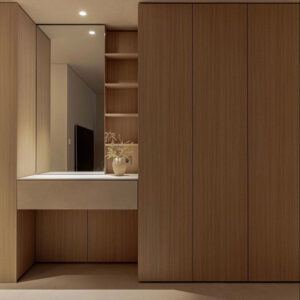
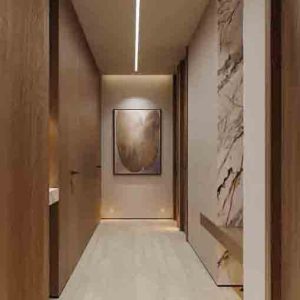
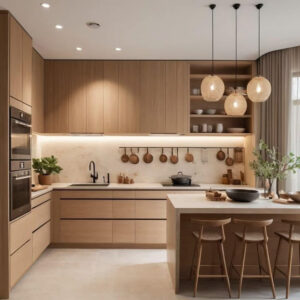
Main products: Marine plywood, Melamine plywood, Melamine blockboard, Melamine Chipboard, Melamine MDF board, Film face plywood, Edge banding, Furniture accessories
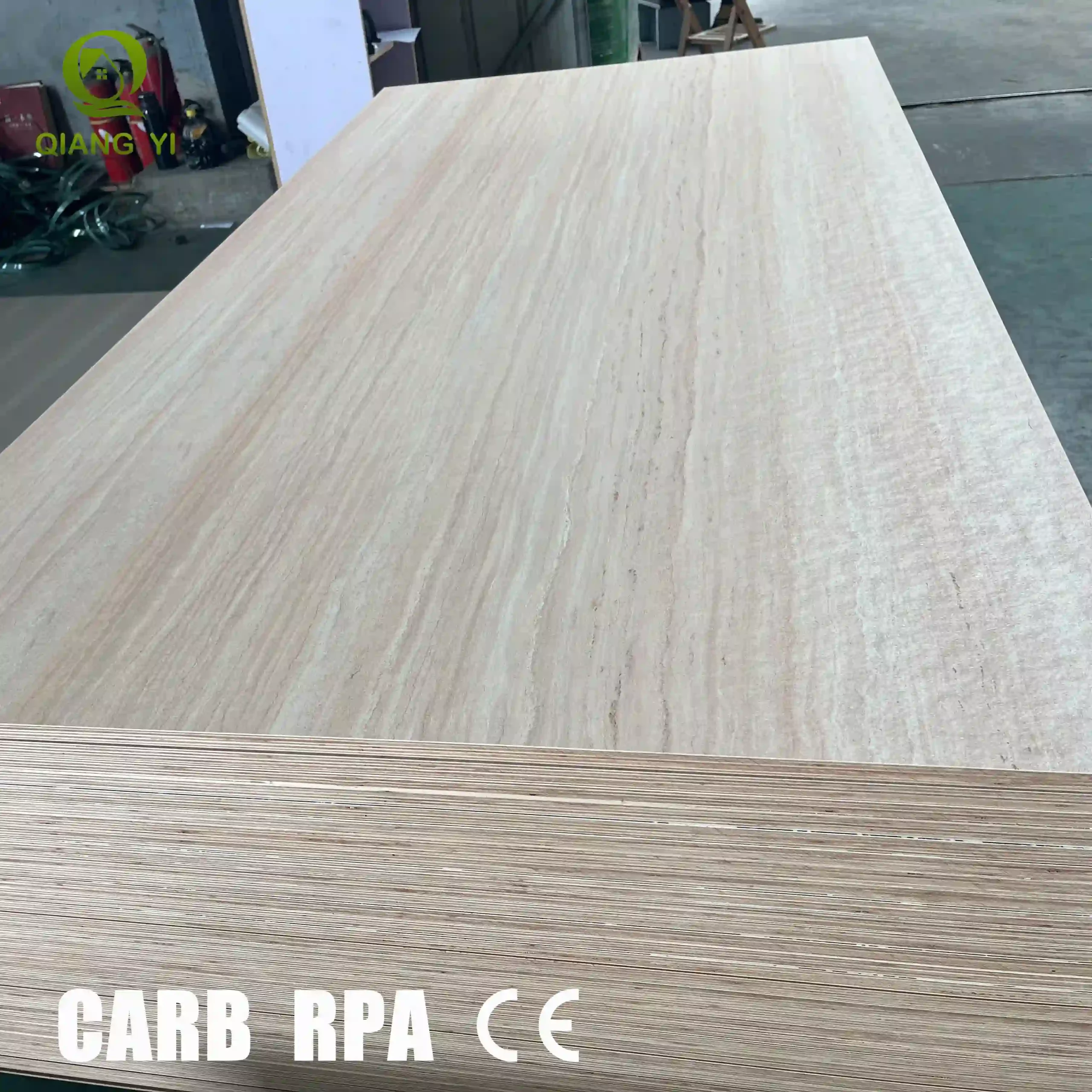
100% Eucalyptus Core Waterproof Plywood Marine Grade Termite Resistant Best Plywood for Tropical Furniture
A furniture-grade eucalyptus plywood that survives hot, humid climates. Solid 100% eucalyptus core, waterproof adhesive, built flat for cabinet doors — no voids, no warping, no surprises after the rainy season.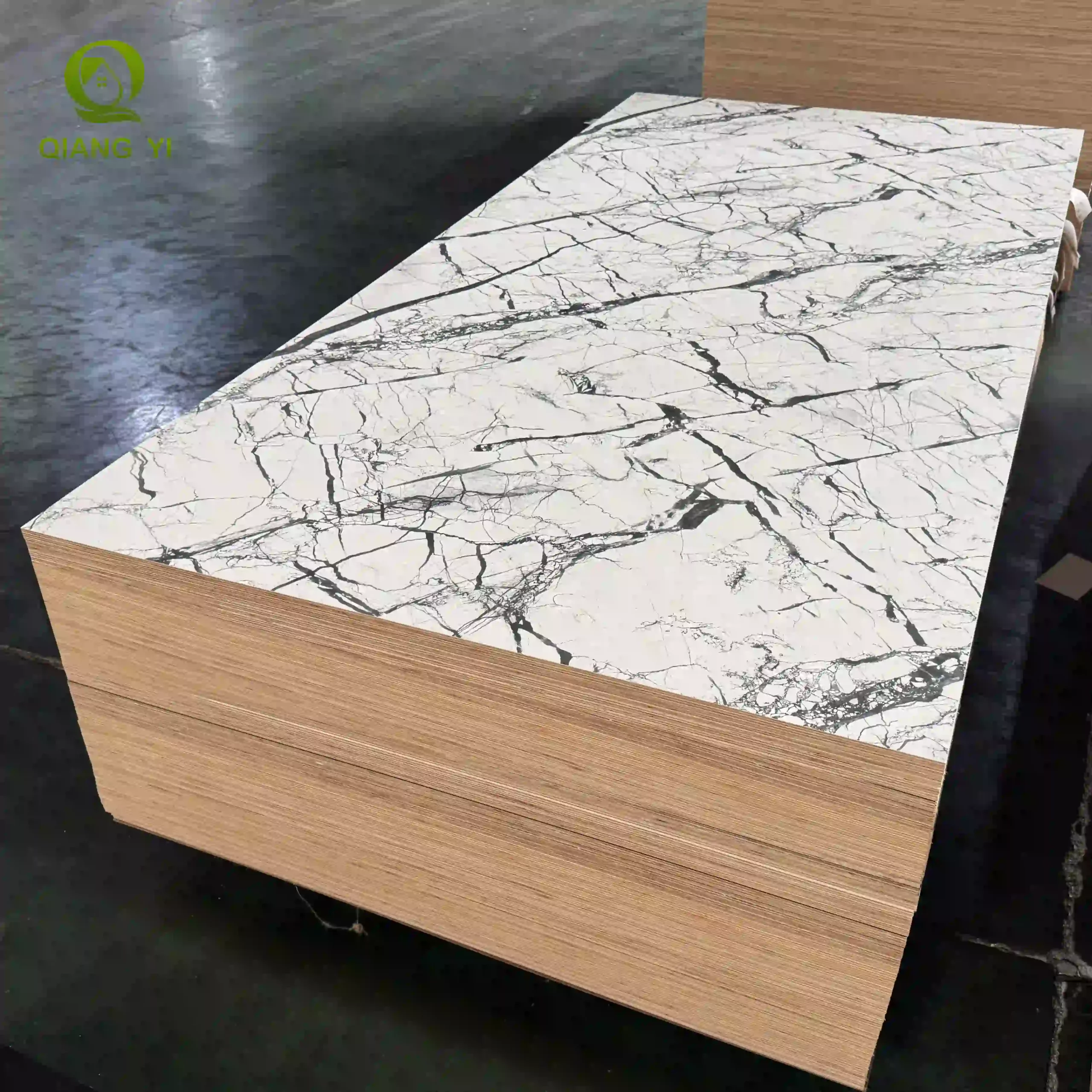
Qiangyi glutinous rice full eucalyptus core hardwood veneer melamine laminate plywood for cabinet
Qiangyi glutinous rice glue plywood is also known as second-generation plywood that represents a century of innovation. It has achieved No.1 in sales and a top reputation in China. Widely favored by renovation companies, cabinet manufacturers, and homeowners. Qiangyi glutinous rice plywood achieve the B1-grade fire retardant standard, strong nail-holding power, resistance to deformation, water resistance, moisture resistance, mildew resistance, antibacterial properties, and termite resistance.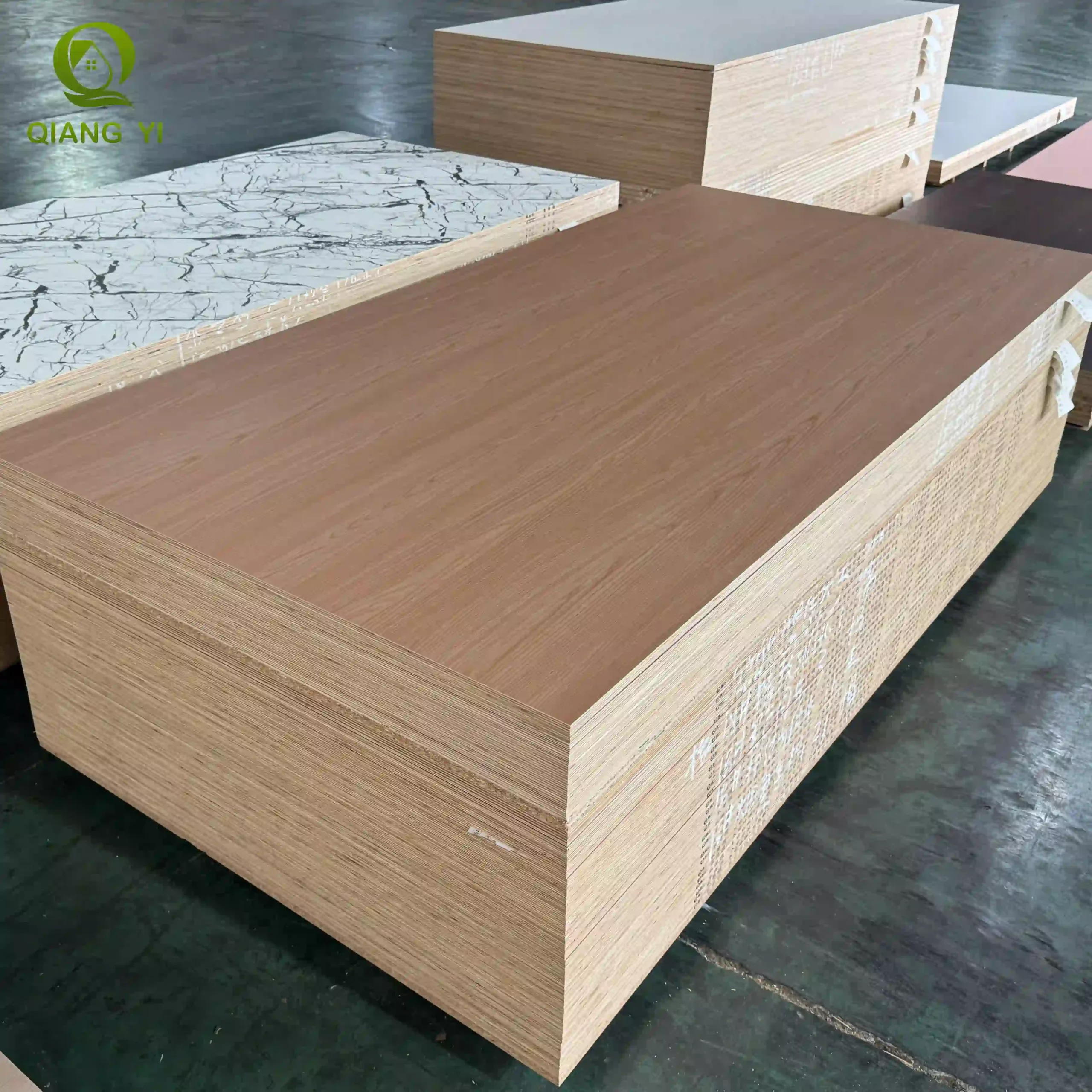
hardwood core 100% eucalyptus wood plywood ENF grade for modular cabinetry
Main Advantages for Modular Cabinetry 1. Structural Stability: High-density, high-hardness cross-laminated veneers offer excellent resistance to bending and warping, and control standard thickness tolerance for modular cabinet assembly. 2. Hardness and Wear Resistance: High-density eucalyptus hardwood provides superior load-bearing capacity, Good screw holding capacity, making it ideal for Modular Cabinetry. 3. Moisture Resistance: Offers better moisture resistance than standard particleboard or MDF and softwood like poplard and pine core plywood; suitable for humid environments like kitchen and bathroom, with a 24-hour thickness swelling rate of less than 2.4% (surpassing industry standards). 4. Ease of Processing: Excellent performance in cutting, drilling, and edge banding (PUR/PVC); ensures clean edges without fraying, peeling, or chipping—perfect for automated factory production lines. 5. Environmental Compliance: Available with CARB-P2, FSC, and CE certifications, meeting market entry requirements for Europe, North America, and Southeast Asia. 6. Cost-Effectiveness: More affordable than imported hardwood plywood, with a stable and reliable supply.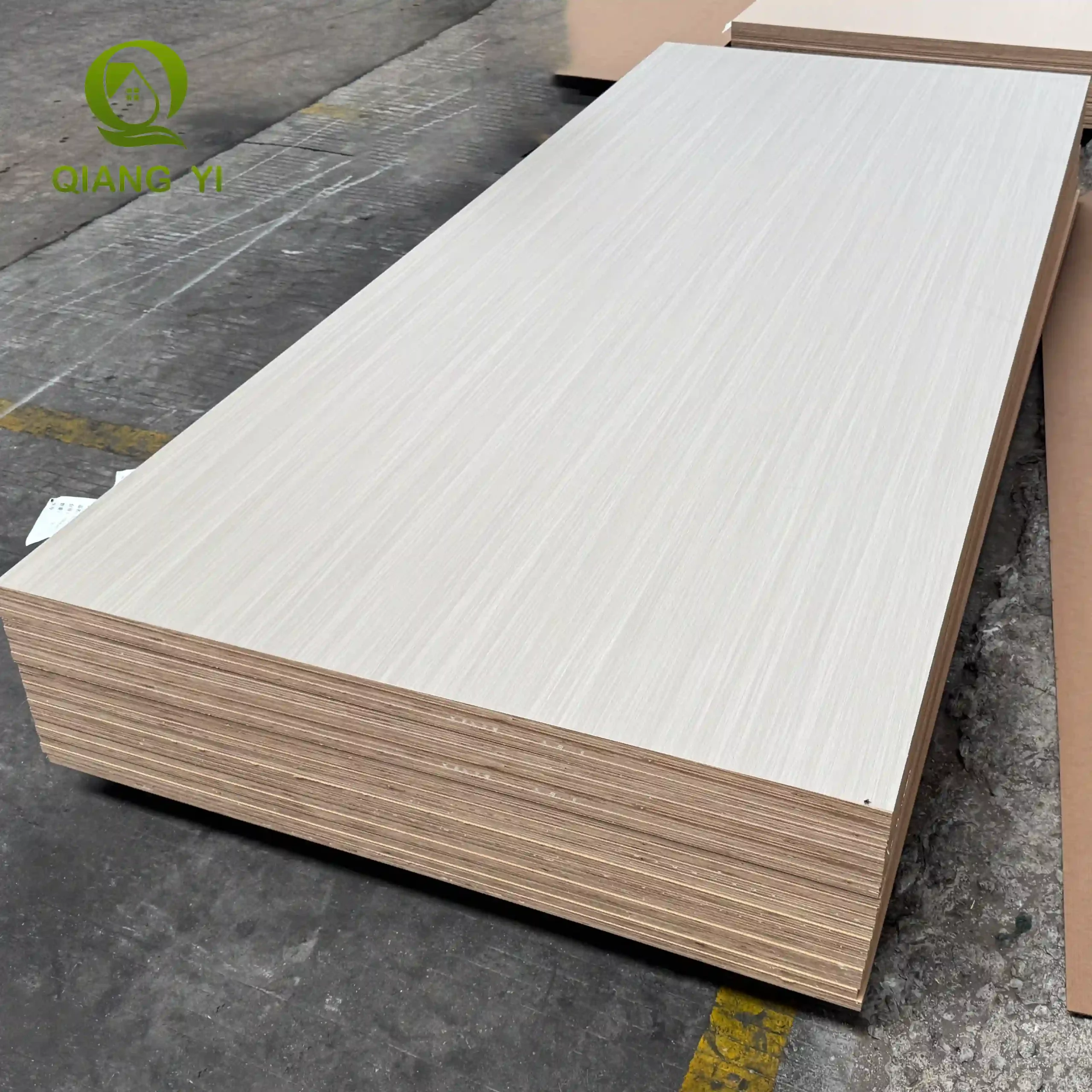
Qiangyi 18mm Glutinous Rice Glue Plywood ENF Waterproof Board for Kitchen Cabinets & Wardrobes
Qiangyi Glutinous Rice Glue Plywood 18mm waterproof laminated plywood is a second-generation multi-layer board bonded with food-grade Lingmei glutinous rice glue — zero formaldehyde, zero benzene, zero odor. Built for kitchen cabinets, wardrobes and interior furniture projects. Key features: • Beyond ENF grade — formaldehyde emission "not detected" (limit 0.025 mg/m³) • Anti-deformation: MOR ≥22 MPa, MOE ≥5000 MPa; ideal for tall cabinet doors • Class II waterproof: 24h thickness swelling only 2.4% • Termite resistant Grade 9.5, mold Grade 0, antibacterial ≥99% • B1 flame retardant, sound reduction ≥35 dB • 15-year factory warranty
CARB certified waterproof and anti termite marine plywood 18mm 100% eucalyptus hardwood plywood
Still troubled by plywood projects in humid areas? See how glutinous rice plywood can solve the pain points of furniture projects in humid climates, as well as the key points for plywood procurement.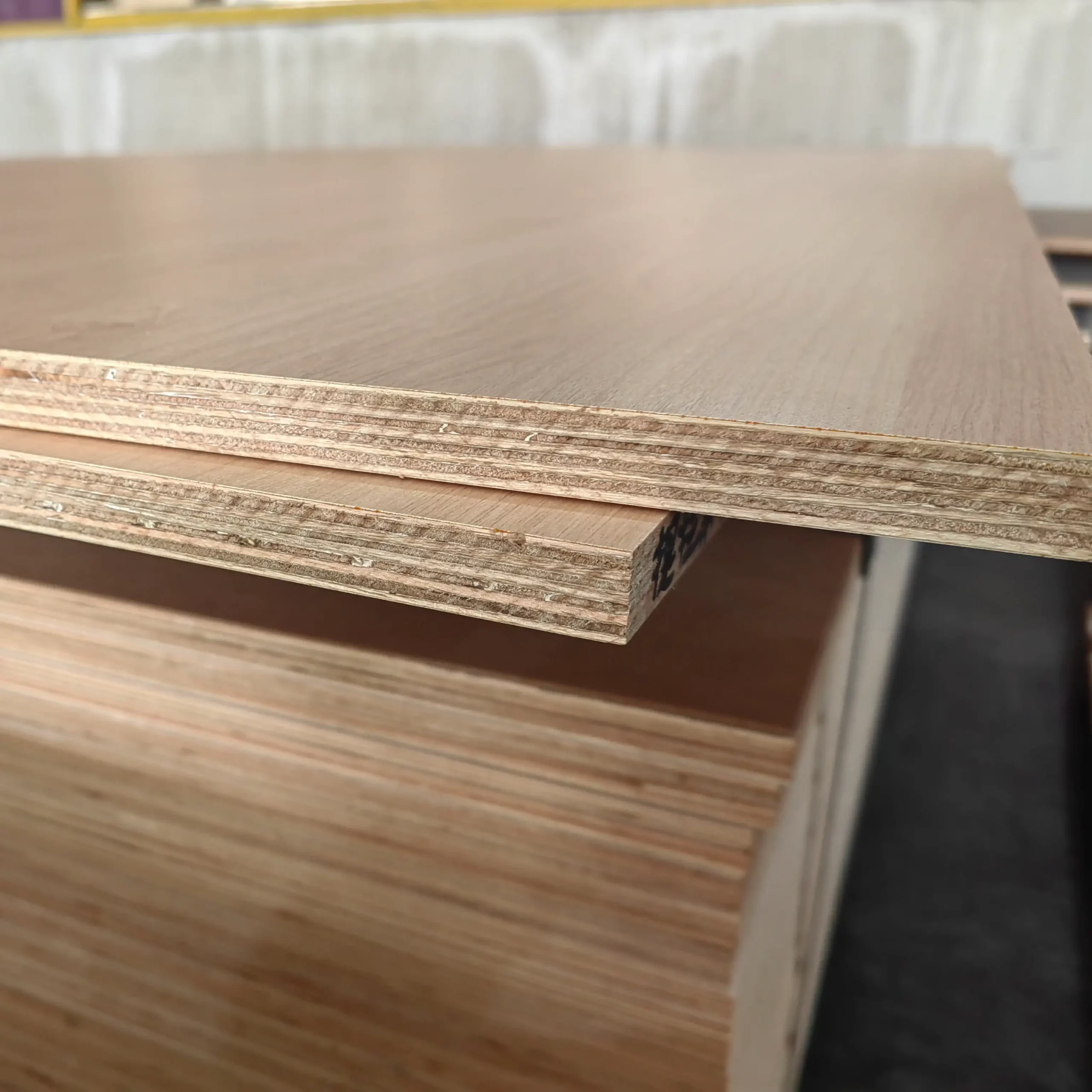
Professional Melamine Laminate Qiangyi Brand ENF Standard Hardwood Core Qiangyi Brand for Furniture
Glutinous rice plywood is second generation plywood with multi-functional. It performance super‑ENF eco‑friendly , free formaldehyde, ordor free, class II water proof, anti deformation, 5 grade anti cracking, 9.5 grade anti termite, B1 flame retardant, anti thermal and anti insulation. Glutinous rice plywood suitable for interior kitchen cabinet, bathroom cabinet, wardrobe, desk, wall panel. Versatile melamine face can be choose or plain color match country style melamine face.Get more information about the plywood
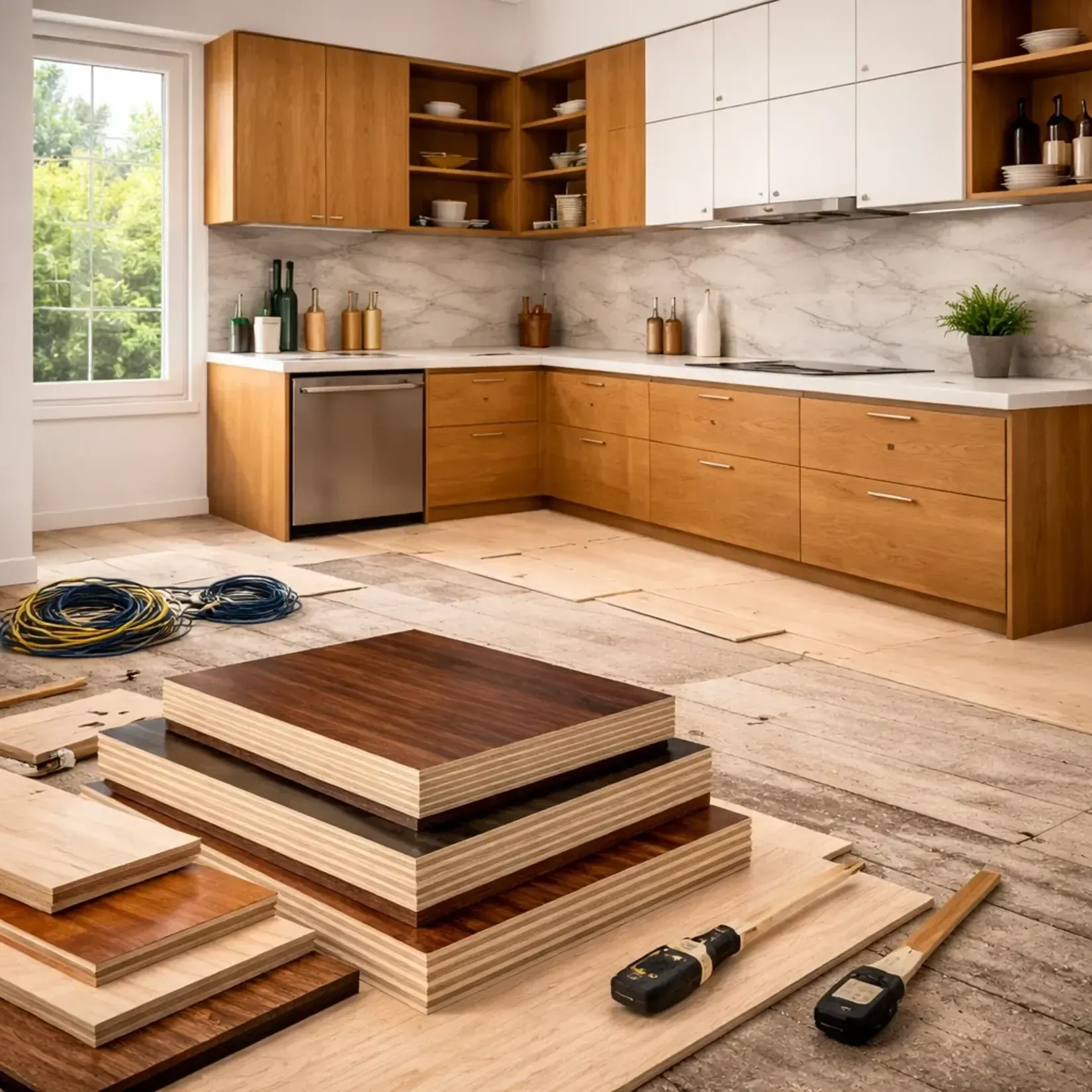
Moisture-Resistant Plywood Sourcing Guide for Sink Cabinets
A sink cabinet might leave the factory looking perfect. However, it can become a warranty issue just a few months later. A tiny plumbing leak or frequent wet cleaning can make the bottom swell. This causes the edge banding to peel up. Then, the installer has to deal with a difficult repair job. Kitchen cabinet manufacturers need to protect their finished products. They also want to avoid expensive return visits. Therefore, picking moisture-resistant plywood is not just about finding a board with a waterproof sticker. It is about true material performance. Why Sink Cabinet Swelling Creates Costly Problems for Manufacturers Below a sink, the area is exposed to a different level of moisture than a kitchen shelf. Leaks from pipes, condensation on pipes, and cleaning with wet cloths can cause panels to swell, resulting in unsightly cabinets and poorly fitting parts that need to be reworked and after-sales claims. Instead of relying on a “waterproof” label, when you select materials for projects, you should test how a panel’s bonding and core will react to moisture-related swelling. Problems with cabinets often start where you can’t see. Where Moisture Damage First Appears in Sink Cabinets Picture a rental unit where a loose drain drips water onto the bottom board. The puddles hide behind tall cleaning bottles. They stay there unnoticed for many weeks. In a different house, sweat builds up on a cold water pipe. That moisture soon trickles down into a bare, unsealed hole. The weakest spots are normally the bottom floor, the pipe cutouts, the back corners, and the seams by the floor base. Once a cut side gets thicker from water, problems happen. Even a perfectly fine surface layer will not sit flat anymore. How Swollen Panels Lead to Rework and Warranty Claims Fixing a puffed-up bottom board is rarely an easy swap. The repair worker might have to detach the pipes first. They also need to pull out shelves and cut down nearby parts. This means planning a whole new trip to the house. In custom kitchens, close cabinets and heavy countertops block easy access. The factory ends up paying for the extra labor, travel, and time. Meanwhile, the homeowner only sees a poorly made product. Just one bad piece of wood can change a good sale into a messy warranty fight. Why Ordinary Sink Cabinet Panels Swell Despite Surface Protection A shiny top layer can block normal water splashes. However, that surface is just one piece of the whole cabinet board. Water can still find a way inside the wood. Water Enters Through Cut Edges and Plumbing Openings Workers must cut holes in the sheet for a sink waste pipe. That newly exposed inner wood does not have the original factory coating. If the hole stays bare, water will soak right into the wood fibers. This makes the board swell up and get thicker. Loose edge strips, badly covered screw holes, and trapped water on the bottom floor create similar trouble. Adding a plastic drip pan and sealing every gap helps a lot. Still, those steps cannot make up for bad glue inside the actual board. Why Ordinary Plywood and MDF Respond Differently to Moisture MDF is made from tightly pressed wood dust. It gives a very smooth painted finish. However, the open sides can puff up terribly when they get wet. Plywood uses glued layers of real wood. Its reaction to water depends largely on the wood type, the chosen glue, and how it was pressed together. This fact is vital when you compare marine plywood vs ordinary plywood. The simple name tag cannot prove how a specific panel will act after getting wet. Buyers need to look at actual testing facts and the building method. They should never guess that every plywood or MDF item will perform the same way. How to Select Moisture-Resistant Plywood for Sink Cabinets A good sink-base plan must look at the inside of the board. It also needs to protect the fresh cuts made during the building process. Prioritize Water-Resistant Bonding and Core Integrity Always ask your sellers about the glue used on the wood layers. Find out if the middle part has overlapping bits, empty holes, or weak joints. A solid, smooth core makes cutting and screwing much more reliable. An immersion-peeling test reveals if the glue holds up under specific wet situations. Meanwhile, a thickness-swelling test checks a totally different factor. For a massive kitchen project, try using a basic checking method: *Look closely at the cut sides to spot any empty core gaps. *Make sure the immersion-peeling report matches the exact board you buy. *Do a quick test run to seal the edges around pipe holes. Check Thickness, Edge Protection, and Purchase Specifications People looking for plywood thickness for cabinets usually want 18 mm boards. Yet, the best size truly depends on the cabinet shape, the total weight, and the metal hinges. The kitchen cabinet plywood thickness must be chosen along with the core style, layer setup, top color, and edge tape. Clearly demand waterproof sealant around pipe gaps, the bottom borders, and any fresh cuts. Think about homes near the sea or floors that get mopped daily. For these spots, you must also check airflow and ways to reach leaks easily. No thick board can ever replace smart building designs. How QIANGYI PLYWOOD Helps Reduce Sink Cabinet Swelling At QIANGYI PLYWOOD, we tackle water threats using a clean, water-blocking glue mix. We also use a full-eucalyptus core layout. This special design stops empty pockets inside the wood. We do not just count on a pretty top color for protection. Glutinous Rice Glue Supports Moisture-Resistant Bonding Our glutinous rice glue plywood relies on Lingmei adhesive. This unique glue is mixed from glutinous rice starch, magnesium chloride, magnesium oxide, and pure water. The wet glue sinks deep into the tiny holes of the wood fibers. Once it dries, it builds a tight, super-strong connecting web. The final plywood is built to reach ENF-grade ultra-low formaldehyde emissions. At the same time, it keeps its tough, water-resistant bond. We spread the glue smoothly on every single layer. Next, we apply 24 hours of cold pressing at normal room temperature. We dry it carefully to hit the right moisture level. Finally, we let it rest and settle properly. This careful routine keeps the glue quality steady across all factory runs. It fights off swelling from random spills or damp room air. It also greatly lowers the chance of the wood layers peeling apart from water damage. Eucalyptus Core and Fully Core-Connected Construction Improve Panel Stability Picking the right middle wood is just as crucial. We use a full eucalyptus core for this special glutinous rice plywood. We never use a random mixed-wood core. The inner sheets are laid out using fully core-connected construction. This means the middle pieces fit tightly together to stay solid. It prevents silly gaps inside the board. This detail is huge when workers drill pipe holes or screw the cabinet walls together. Hidden weak spots can easily break a cabinet. Using strong eucalyptus wood and smooth glue layers ensures a steady, tough product. Even with this strong build, you still must seal the cut edges. Test Evidence and Procurement Value for Sink Cabinet Manufacturers Smart buyers require real proof of strong glue, anti-swelling power, and good factory support. Class II Water Resistance and Immersion-Peeling Test Results An official immersion-peeling test report, No. SZF-WT-25101715-03, shows six tested pieces. It confirms a perfect 100% pass rate and a fully compliant score. The Class II test rules demand soaking the wood in hot water at 63°C ± 3°C. This great score proves it handles wet conditions well. However, it is not meant to stay underwater forever. We also provide a Waterproof and Anti-Swelling Responsibility Commitment. This paper covers valid edge-swelling and glue-failure problems after the setup is done. Buyers should always check these rules to match their specific orders and plans. Hour Immersion Results and Real-World Sourcing Value A different 72-hour soaking test looks at three distinct boards side by side. The recorded thickness shifts are: Material Before soaking After 72 hours Increase Glutinous rice glue plywood 18.20 mm 18.35 mm 0.15 mm Ordinary plywood 18.13 mm 19.05 mm 0.92 mm MDF 18.30 mm 20.66 mm 2.36 mm The tiny size change shows the true worth of a stable board. Puffed-up edges make fixing cabinets very hard. Of course, this basic test does not replace official batch checks. In the very damp Philippine market, a wood panel seller first tried one color of our glutinous rice glue plywood. They loved it, bought much more, and added new colors later. This story shows strong buyer interest. It does not measure exact sink-cabinet lifespans, though. Before you order a massive batch, always check the samples, exact rules, test papers, and return policies. We can chat about all these facts at THE 2026 GUANGXI INTERNATIONAL FOREST PRODUCTS AND WOOD PRODUCTS EXHIBITION. Find us at Booth D5T-06, Nanning International Convention & Exhibition Center, from November 21–23, 2026. FAQ Q: Is your plywood made with a full eucalyptus core or a combi core? A: Our glutinous rice glue plywood relies on a full eucalyptus core. It features fully core-connected veneer construction. Cabinet makers should double-check the exact core details when asking for samples or price lists. Q: Why does plywood swell around kitchen sink plumbing cutouts? A: Drilling pipe holes chops up the wood fibers. It strips away the safe outer layer. Tiny pipe drips, or cold-water sweat can easily soak into those raw cut walls. When the wood drinks that water, the edges puff up. This pushes against the edge tape and can ruin the nice outer finish. Q: Is your glutinous rice glue plywood waterproof or marine grade? A: Our board has passed the Class II water-resistance tests under strict national rules. It is built for very damp indoor rooms. This includes kitchen sink cabinets, bathroom units, and beachside houses. It fights off daily splashes and damp swelling brilliantly. Still, you must never leave it sitting deep underwater for long periods. Q: How can cabinet manufacturers verify anti-swelling performance before bulk purchasing? A: You should look at a real sample. Check the immersion-peeling scores and the thickness-swelling proof. Review the inner core style and the promised inspection rules. The test papers must clearly match the exact wood you are buying. Q: Does moisture-resistant plywood still require edge sealing in sink cabinets? A: Yes, it absolutely does. You must seal all fresh cuts, pipe gaps, and weak joints. Also, fix any water leaks right away. Tough glue and smart building habits work perfectly together. They stop silly cabinet failures from happening.
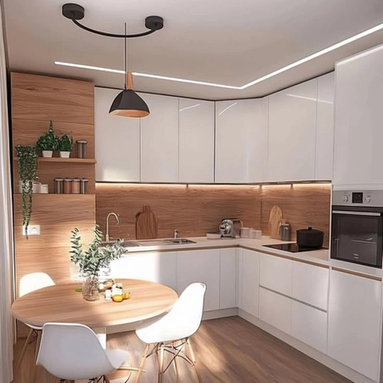
Anti-Mold Plywood Checklist for Hotel Furniture Buyers
Mold in hotel furniture rarely begins as a dramatic leak. More often, it starts behind a wardrobe, under a vanity, beside a cold wall, or along an exposed panel edge that stays damp. The board may look fine at delivery, while moisture-related defects appear months later. A useful anti-mold plywood checklist therefore has to look beyond one label. Buyers need to evaluate the environment, core structure, bonding system, moisture control, and test evidence before approving a bulk order. Where Do Mold Problems Start in Hotel Furniture Projects? Hidden Moisture Zones in Guestroom Furniture Hotel rooms create several moisture conditions in one small space. A wardrobe fixed against an exterior wall may receive little airflow. A bathroom vanity sees splashes, steam, and repeated cleaning. A minibar cabinet can sit near cool surfaces where condensation forms. In tropical or coastal hotels, rooms closed between guests may also stay humid for long periods. Panel edges, drilled holes, backs, joints, and internal layers can take in moisture before the decorative face shows obvious damage. Why a Small Mold Spot Can Become a Project Cost In a hotel, one material specification may be repeated across dozens or hundreds of rooms. A local defect can therefore become room downtime, replacement furniture, another installation visit, delayed handover, warranty claims, and complaints from the operator. Anti-mold performance is not only an appearance issue. For a hotel furniture buyer, it is part of project risk control. Why Does Plywood Develop Mold and Moisture-Related Damage? Humidity, Condensation, and Slow Drying Create the Risk Mold needs favorable moisture conditions. Furniture becomes more vulnerable when humidity remains high, water enters through unfinished edges, or condensation repeatedly wets a cold surface. The problem is often cumulative. A panel takes in some moisture, dries slowly, then repeats the cycle. Poor airflow behind fixed furniture can make this worse. Anti-mold material cannot replace leak repair, ventilation, or humidity control, but it can give the furniture assembly a better margin against these conditions. Moisture Can Also Lead to Swelling and Deformation Moisture can also stress the glue line, swell wood fibers, loosen fastening areas, or change panel flatness. A board used for wardrobes, vanity units, headboards, or built-in cabinets therefore needs a stable core and reliable bonding. Even when buyers search for plywood thickness for cabinets, thickness alone cannot compensate for internal gaps, weak veneers, or a moisture-sensitive structure. What Should Hotel Buyers Check Before Approving Anti-Mold Plywood? The supplier should be able to explain how the panel is built and how it performs. The phrase waterproof plywood is not enough, and neither is a general “mold resistant” claim. Buyer Check Why It Matters Mold or mildew resistance evidence Confirms the anti-mold claim Antibacterial performance Adds hygiene-related evidence Core species and grade Affects stability and fastening Full-connected core structure Reduces internal weak points Panel moisture content Checks moisture control before shipment Water-resistance and bond test Checks glue-line integrity after moisture exposure Edge sealing plan Helps limit moisture entry after fabrication Verify the Structure, Not Just the Surface For hotel furniture, eucalyptus core board construction is worth checking at the exposed edge or approved sample. A hardwood core can support repeated fastening and daily use, but the species name alone is not enough. Buyers should ask whether the core is continuous and whether gaps, overlaps, or filler veneers are present. Cabinet grade plywood should be judged as a complete structure, not only by face appearance. Match the Board to the Furniture Location The risk level differs by application. A wardrobe on an internal dry wall is not exposed like a vanity beside a shower area. A tall cabinet door also places more emphasis on flatness and deformation control. For bulk hotel projects, approve the panel by application: wardrobe, vanity, minibar, wall panel, or other built-in furniture. How Does QIANGYI PLYWOOD Target Moisture-Driven Mold Risk? At QIANGYI PLYWOOD, we approach the problem through the core, adhesive system, and moisture-control process rather than relying on a surface claim alone. Full Eucalyptus Core and Full-Connected Core Construction We use full eucalyptus core options built with continuous eucalyptus veneers. In this structure, full-connected core means the internal veneers are arranged without voids, overlaps, or dead joints. The aim is a more uniform panel with fewer internal weak points. We use 100% eucalyptus core solutions for cabinet and furniture applications. For hotel wardrobes and tall cabinet panels, this matters because core continuity supports more consistent machining, fastening, and dimensional stability. It also gives buyers something practical to inspect on a cut edge before bulk approval. Glutinous Rice Glue Helps Create Less Favorable Conditions for Mold Our Lingmei glutinous rice glue uses glutinous rice flour, magnesium chloride, water, and magnesium oxide. The magnesium components react to create an alkaline environment. More importantly for hotel furniture buyers, an antibacterial and mildew-proof test conducted according to JC/T 2039-2010 on an 18 mm glutinous rice glue multifunctional board recorded an antibacterial rate above 99% and a Grade 0 mildew-proof rating. Under the test rating criteria, Grade 0 means no mold growth was observed. For buyers, this provides direct test evidence for evaluating mold and bacterial resistance instead of relying only on a general anti-mold claim. The adhesive system, moisture control, and tested resistance work together to reduce mold-related risks in furniture exposed to humid conditions. Controlled Drying Keeps Panel Moisture in the 8–12% Range We use a 60-hour temperature-controlled drying process and control board moisture content within 8–12%. This reduces excess moisture before furniture production and supports more stable use in humid conditions. For projects involving humid storage, long shipping routes, or air-conditioned guest rooms, starting with controlled panel moisture is more practical than correcting unstable boards after machining. What Evidence Should Hotel Buyers Put in the Approval File? Testing should support the purchase decision, especially when anti-mold performance is part of the hotel furniture specification. Report No. HJ-RD-26150 covers antibacterial and mildew-proof testing of an 18 mm glutinous rice glue multifunctional board according to JC/T 2039-2010. The tested sample achieved an antibacterial rate above 99% and a Grade 0 mildew-proof rating. The report defines Grade 0 as no mold growth. The antibacterial test used Escherichia coli AS1.90, while the mildew-resistance evaluation included multiple fungal species. For a hotel furniture buyer, this provides direct evidence related to the actual risk being evaluated: whether the panel can resist bacterial growth and mold development under the specified test conditions. For a hotel project, the approval file should include: Core species and full-connected-core confirmation. Antibacterial and mildew-proof test results. The applicable test standard and tested panel specification. Panel moisture specification and moisture-resistance information. Approved thickness, face finish, and edge treatment. A production sample matching the bulk order. These checks make later quality discussions easier because the approved panel has a defined structure and performance basis. Practical Case: Plywood Sourcing for a Humid Philippine Market In early 2026, a Philippine decorative panel and furniture-material distributor contacted us while comparing suppliers for a hot, humid market. The buyer was particularly concerned about environmental performance, moisture resistance, and durability. After seeing our glutinous rice glue plywood in person, the distributor placed a trial order in April with one color. The first shipment received positive market feedback for its ENF grade, surface texture, waterproof performance, and termite resistance. Demand soon expanded beyond the original color, so we developed a customized color sample book for the buyer. The distributor later introduced more finishes through its offline showroom and positioned the glutinous rice glue plywood as a premium product line. For hotel and furniture buyers, this case shows why humid-market sourcing should consider moisture-related performance, structural stability, and consistent product presentation. Meet Us in Guangxi International Forest Products and Wood Products Exhibition For buyers currently sourcing plywood for hotel furniture or other commercial projects, we will attend THE 2026 GUANGXI INTERNATIONAL FOREST PRODUCTS AND WOOD PRODUCTS EXHIBITION from November 21–23, 2026. Visitors can meet our team at Booth D5T-06 at the Nanning International Convention & Exhibition Center to discuss anti-mold plywood, eucalyptus core, full-connected core construction, and project-specific panel requirements. FAQ Q: What is anti-mold plywood for hotel furniture? A: It is plywood selected to reduce mold-related risk in humid interior furniture. Buyers should check mold resistance together with moisture control, bond quality, core continuity, and dimensional stability rather than relying on one anti-mold label. Q: Is anti-mold plywood the same as waterproof plywood? A: No. Water resistance focuses on moisture exposure, bonding, and swelling. Anti-mold performance focuses on resistance to fungal growth. The two properties support each other, but they are not the same test. Q: Why is a full eucalyptus core important for hotel cabinets? A: A full eucalyptus hardwood core provides a dense, consistent base for furniture use. When combined with a full-connected core structure, it also reduces concerns about internal voids, overlaps, and weak joints. Q: Where should mold-resistant plywood be prioritized in a hotel? A: High-risk locations include bathroom vanities, wardrobes against exterior walls, minibar cabinets, lower cabinet panels, and furniture in tropical, coastal, or poorly ventilated rooms. Q: What should buyers request before placing a bulk anti-mold plywood order? A: Request the approved core structure, panel moisture range, antibacterial and mildew-proof test results, applicable test standard, tested panel specification, thickness and surface requirements, and a production sample that matches the final order.
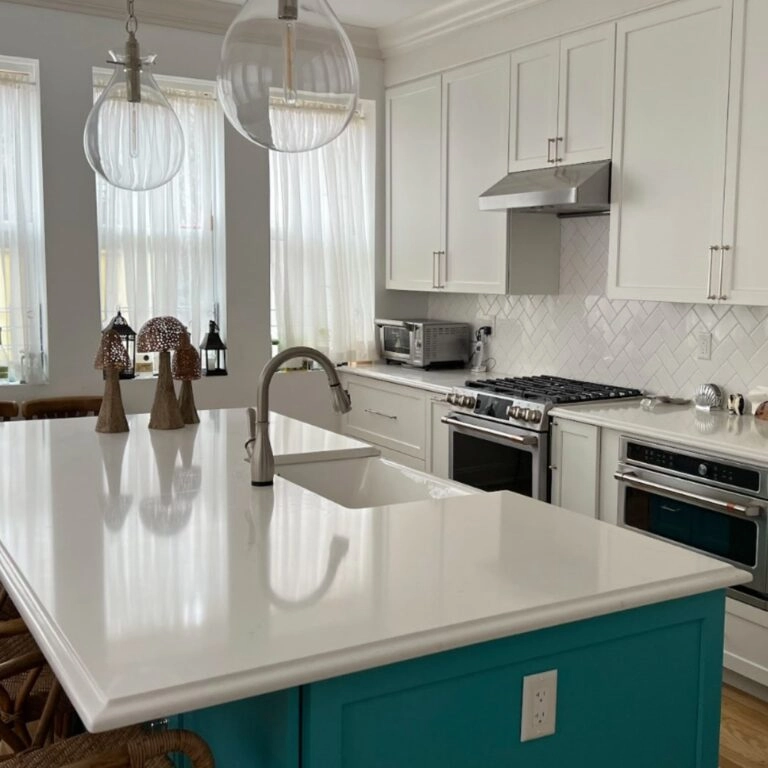
Guia de compensado resistente a cupins para reduzir solicitações de garantia
Um problema de cupins em um armário acabado raramente se limita a um pequeno problema material. Depois que um guarda-roupa, armário de cozinha ou móvel embutido é instalado, os danos podem desencadear inspeções no local, substituição de painéis, custos de mão de obra e transporte, além de disputas de garantia. Por isso, o compensado resistente a cupins deve ser avaliado antes do início do corte. Para os fabricantes de armários, a verdadeira questão não é se uma chapa possui um selo anti-cupim, mas sim se o núcleo, o sistema adesivo, a construção do painel e os resultados dos testes comprovam uma estratégia de garantia de menor risco. Por que os danos causados por cupins se transformam em custos elevados de acionamento da garantia de armários? Danos ocultos costumam aparecer após a instalação. Os cupins podem entrar por caminhos no solo, rachaduras nas paredes, canos ou madeira e embalagens infestadas. Em projetos de armários, áreas de difícil visualização incluem painéis traseiros próximos às paredes, rodapés, bases de guarda-roupas e armários de pia. A madeira compensada pode parecer normal durante a produção. Os danos podem se tornar visíveis somente após a instalação do móvel, quando o fabricante pode precisar inspecionar o local, desmontar os armários, reproduzir painéis, enviar peças de reposição e providenciar a reinstalação. O custo pode facilmente ir muito além de uma única folha danificada. Um cenário típico em cozinhas é o de um armário de base instalado próximo à tubulação em um apartamento úmido. Se a atividade oculta de cupins atingir o substrato, a substituição de um painel interno pode exigir a remoção de ferragens, portas, bancadas ou unidades adjacentes. Em um projeto de guarda-roupa, danos atrás de um painel traseiro fixo podem passar despercebidos até que o cliente veja poeira, áreas ocas ou seções enfraquecidas. A exposição à garantia começa com a seleção do material. Uma superfície decorativa não deve ser confundida com proteção contra cupins. O compensado de melamina pode oferecer um acabamento prático, mas a superfície por si só não comprova que o substrato resista a cupins. O mesmo se aplica à madeira compensada laminada naval ou ao compensado naval. O desempenho em relação à umidade e a resistência a cupins são questões distintas. Uma pergunta frequente dos compradores é: "A madeira compensada laminada naval é resistente a cupins?" A resposta depende do núcleo, do sistema adesivo e do resultado dos testes, e não do nome do produto. Por que a madeira compensada ainda pode ser vulnerável ao ataque de cupins? A madeira compensada é feita de lâminas de madeira, portanto a celulose permanece dentro do painel. Uma superfície decorativa pode proteger o material durante o uso diário, mas bordas cortadas, furos, pontos de fixação de ferragens e lâminas internas ainda são importantes em ambientes propensos a cupins. As condições do projeto adicionam outra camada de risco. Os armários da cozinha podem ficar próximos ao encanamento, enquanto os guarda-roupas podem ser fixados contra as paredes por anos. Em mercados tropicais ou úmidos, o acesso oculto e os longos períodos de uso podem transformar uma pequena infestação em um caso dispendioso de pós-venda. Por essa razão, a expressão “à prova de cupins” não deve ser encarada como uma promessa ilimitada. Uma abordagem melhor combina a seleção adequada dos painéis com instalação, vedação, inspeção e medidas locais de controle de pragas apropriadas. O que os fabricantes de armários devem exigir da madeira compensada resistente a cupins? Antes de comparar preços, os compradores devem verificar o que está sendo efetivamente fornecido. cheque de compra O que confirmar evidências de cupins Método de teste, amostra, data, número do relatório, classificação Material principal Espécie de madeira e qualidade do folheado. Construção do núcleo Núcleo totalmente conectado, não uma camada parcial solta. Especificações do gabinete Espessura, superfície, acabamento das bordas, uso pretendido Responsabilidade do fornecedor Procedimento pós-venda claro A qualidade do núcleo merece atenção especial. O núcleo de eucalipto é valioso para marcenaria, pois proporciona uma base de madeira dura forte e estável. O eucalipto de grande diâmetro é descrito como uma matéria-prima para compensado valorizada por sua resistência e estabilidade. Um núcleo totalmente conectado, ou laminação de núcleo completo, também cria uma estrutura interna mais controlada do que um núcleo parcialmente conectado. Nessa construção, as lâminas do núcleo são dispostas continuamente, enquanto o adesivo é aplicado camada por camada. Nenhum dos pontos deve ser usado como substituto para testes de cupins. Em vez disso, eles ajudam os compradores a especificar um substrato mais consistente. A espessura da madeira compensada para armários também precisa corresponder ao projeto final. Um painel testado de 18 mm não deve ser automaticamente considerado como prova para todas as espessuras ou construções. Como a QIANGYI PLYWOOD lida com o risco de infestação por cupins em painéis? Na QIANGYI PLYWOOD, abordamos essa questão por meio do sistema adesivo, da seleção do núcleo de eucalipto e da construção do núcleo totalmente conectado, em vez de nos basearmos em uma alegação superficial. A cola de arroz glutinoso Lingmei funciona através da estrutura ligada. Nossa madeira compensada com cola de arroz glutinoso utiliza cola de arroz glutinoso Lingmei, feita com farinha de arroz glutinoso, cloreto de magnésio, óxido de magnésio e água. Após a cura, o cloreto de magnésio e o óxido de magnésio criam um ambiente adesivo alcalino. Nossa abordagem técnica consiste em alterar o equilíbrio ácido-base da madeira por meio desse ambiente adesivo alcalino, criando condições desfavoráveis à atividade de cupins. Isso é importante porque a produção de armários envolve corte, furação, colocação de dobradiças e acabamento das bordas. ProtejaA ação relacionada ao sistema de colagem interna é mais relevante para essas operações do que uma alegação baseada apenas no acabamento superficial. Núcleo de eucalipto e estrutura de suporte de núcleo completo para maior consistência Para aplicações de alta qualidade em móveis, priorizamos o núcleo de eucalipto de primeira linha. O eucalipto proporciona uma base estrutural robusta, enquanto a classificação de resistência a cupins provém do sistema de painéis testado em sua totalidade, e não apenas da espécie de madeira. As lâminas também são dispostas como um núcleo totalmente conectado e coladas camada por camada. Essa construção exige uma seleção mais criteriosa do núcleo e confere ao painel uma disposição interna mais uniforme. O processo continua com prensagem a frio prolongada, secagem controlada e cura. A sequência de produção inclui 24 horas de prensagem a frio com aquecimento automático, 60 horas de secagem e mais de 15 dias de condicionamento. Para fábricas de móveis planejados, a vantagem prática reside na consistência entre as laterais, prateleiras, portas, guarda-roupas e outros componentes. Estudo de caso: Reduzindo os riscos de cupins e pós-venda em Maurício Um cliente de longa data, fabricante de móveis em Maurício, continua a encomendar contentores completos de contraplacado de eucalipto 100% de alta qualidade para mobiliário. O clima da ilha é húmido e exigente, onde os painéis comuns podem sofrer descascamento, deformação e ataque de térmitas ao longo do tempo. Para este cliente, fornecemos contraplacado fabricado com núcleo totalmente colado de eucalipto 100% e cola de arroz glutinoso, combinado com um processamento controlado para maior estabilidade do painel. O teste de resistência a térmitas de Grau 9,5 também fornece ao comprador informações mais claras na seleção de materiais para a produção de móveis. Segundo o cliente, a utilização do nosso contraplacado para móveis reduziu a preocupação com problemas pós-venda. A qualidade consistente dos lotes também ajuda a fábrica a manter um desempenho de corte, retenção de parafusos e configurações de produção semelhantes em encomendas repetidas. O que significa o teste de nota 9,5 para o risco de aquisição e garantia? A alegação de resistência a cupins é comprovada pelo Relatório de Teste GIZ/TR-2024-0301-0186, emitido pelo Instituto de Zoologia de Guangdong, Centro de Análise e Testes da Academia Chinesa de Ciências. A amostra testada foi compensado multifuncional de cola de arroz glutinoso, com dimensões de 1220 × 2440 × 18 mm, e a base do teste foi a norma GB/T 18260-2015. O número do relatório de teste de resistência a cupins correspondente também está identificado nos registros de testes do produto. Durante o teste de cupins em ambiente interno, com duração de quatro semanas, o relatório registrou danos leves causados por cupins, com apenas um ou dois túneis ou vestígios de infestação. A amostra recebeu uma classificação de danos por cupins de Grau 9,5. O resultado de resistência a cupins de Grau 9,5 também está incluído nas informações de desempenho do painel. Para os compradores, o principal valor reside na rastreabilidade, e não em uma promessa absoluta. O número do relatório, a composição da amostra, a espessura, o método de teste e o resultado podem ser verificados em relação ao material encomendado. Isso também ajuda importadores e fábricas de móveis a fornecerem aos clientes finais evidências específicas, em vez de se basearem em uma descrição genérica do produto. Uma sequência prática de compras é: 1. Identifique se o projeto apresenta exposição significativa a cupins. 2. Combine a espessura e a superfície do painel com o design do gabinete. 3. Confirme a presença de núcleo de eucalipto e a construção do núcleo totalmente conectado, conforme especificado. 4. Solicite o relatório de resistência a cupins para o painel correspondente. 5. Mantenha o relatório e a especificação de compra juntamente com os registros de qualidade do projeto. Para projetos que utilizam nossa madeira compensada de segunda geração com cola de arroz glutinoso, também oferecemos um compromisso de responsabilidade contra insetos e cupins. Caso ocorram danos causados por cupins ou outros insetos xilófagos sob as condições aplicáveis, assumimos a responsabilidade pela substituição pós-venda. Para fabricantes de armários, isso cria um caminho mais claro para o gerenciamento de riscos do que um rótulo vago de "anti-cupins". Encontre-nos na Exposição Internacional de Produtos Florestais e de Madeira de Guangxi de 2026. Se você busca compensado resistente a cupins, compensado com núcleo de eucalipto ou painéis com núcleo totalmente conectado para projetos de armários e móveis, visite nossa equipe na Exposição Internacional de Produtos Florestais e de Madeira de Guangxi 2026. Convidamos fabricantes de armários, importadores de compensado, distribuidores e compradores de projetos para discutir pessoalmente conosco as especificações dos painéis, os requisitos de resistência a cupins, a construção do núcleo e suas necessidades de fornecimento. Nome do evento: Exposição Internacional de Produtos Florestais e de Madeira de Guangxi 2026 Número do estande: D5T-06 Data: 21 a 23 de novembro de 2026 Localização: Centro Internacional de Convenções e Exposições de Nanning Perguntas frequentes P: A madeira compensada laminada marítima é resistente a cupins? R: Não automaticamente. O desempenho em relação à umidade e a resistência a cupins devem ser verificados separadamente. Confirme o substrato, o sistema adesivo e o relatório de teste de cupins. P: A madeira compensada de melamina é à prova de cupins? A: Uma superfície de melamina, por si só, não torna o substrato resistente a cupins. O núcleo e o sistema de colagem interna ainda precisam ser avaliados. P: Por que usar miolo de eucalipto em compensado para armários resistente a cupins? A: O núcleo de eucalipto proporciona uma base estrutural forte e estável.Neste sistema de painéis, a resistência aos cupins provém do sistema completo de construção e adesivo, já testado. P: O que significa um núcleo totalmente conectado? A: Significa que os folheados internos formam um núcleo contínuo e bem ajustado, em vez de uma estrutura parcialmente conectada. Isso proporciona uma estrutura interna mais consistente para o processamento do armário. P: O compensado resistente a cupins de grau 9,5 elimina todas as reivindicações de garantia? A: Não. Evidências de testes de grau 9,5 podem reduzir a incerteza na seleção de materiais, mas a especificação correta, a instalação, o controle da umidade, a inspeção e o controle de cupins no local ainda são importantes.
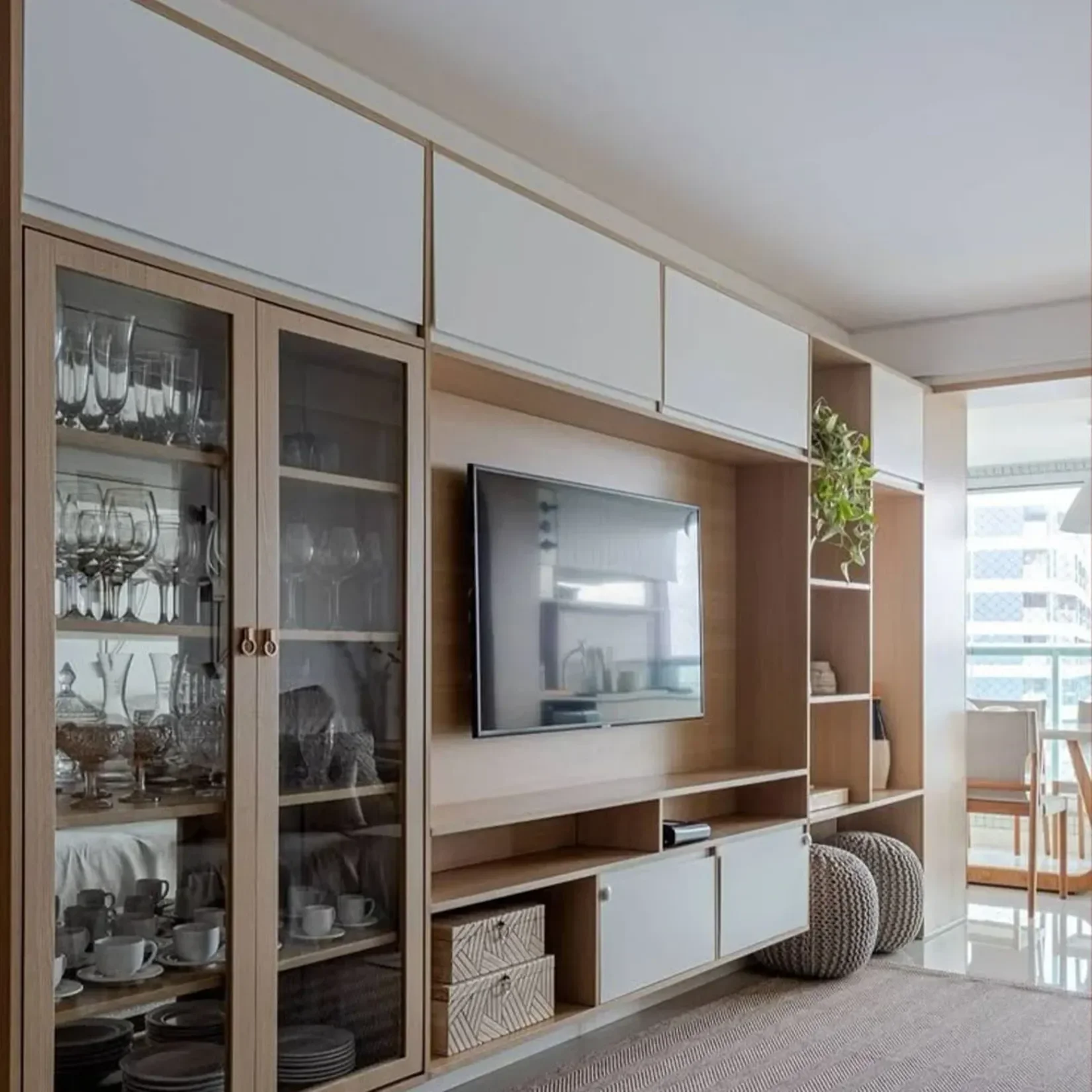
Guia para redução de riscos em compensado retardante de chamas B1
O alto custo das falhas no cumprimento das normas de segurança contra incêndio em projetos comerciais. A obtenção de aprovações para espaços comerciais como hotéis, edifícios públicos e grandes lojas de varejo envolve normas de segurança rigorosas. Entre as mais críticas dessas normas estão os códigos de construção contra incêndio. Quando empreiteiros de interiores ou compradores de projetos buscam materiais para móveis sob medida, painéis de parede ou decorações de interiores, o perigo oculto muitas vezes reside no núcleo dos painéis de madeira utilizados. Reprovar em uma auditoria de conformidade com as normas de segurança contra incêndio devido a painéis de madeira não conformes é um cenário que causa grande preocupação aos gerentes de projeto. Portanto, compreender as nuances da madeira compensada resistente ao fogo não é apenas uma necessidade técnica, mas uma estratégia crucial para a sobrevivência dos negócios. Por que a madeira compensada padrão ou de qualidade inferior falha em condições de incêndio? A vulnerabilidade de muitos painéis de construção durante um incêndio decorre diretamente de sua composição interna e processos de fabricação. Painéis de madeira comuns ou painéis de madeira resistentes ao fogo de má qualidade frequentemente apresentam fragilidades estruturais ocultas que se tornam fatais sob calor extremo. Um dos principais problemas reside nos espaços vazios ou lacunas dentro das camadas internas dos painéis convencionais. O calor intenso atinge essas minúsculas bolsas de ar, que liberam oxigênio, acelerando a combustão. O material alimenta as chamas em vez de combatê-las, permitindo que o fogo se alastre rapidamente pela estrutura interna. Além disso, as colas utilizadas nos processos normais de fabricação causam grandes problemas. Muitos painéis antigos utilizam resinas de ureia-formaldeído. Essas colas comuns não possuem a resistência química necessária para suportar altas temperaturas. Quando um incêndio começa, essas colas se degradam rapidamente, comprometendo a resistência estrutural do painel, que então se desfaz. Pior ainda, o derretimento dessas resinas comuns gera uma fumaça altamente tóxica, que representa um perigo maior para as pessoas e os bombeiros do que as próprias chamas. Critérios essenciais para compensado verdadeiramente retardante de chamas B1 Os compradores B2B querem minimizar esses grandes riscos e passar facilmente pelas auditorias de projetos. Para isso, precisam estabelecer regras rígidas na escolha dos materiais para interiores. Um painel à prova de fogo de verdade é muito mais do que apenas um revestimento superficial. Ele precisa de um núcleo especialmente projetado para condições extremas. A primeira regra é uma estrutura interna lisa e de alta densidade. O núcleo deve ser totalmente sólido. Isso elimina as bolsas de ar que alimentam o fogo. Essa estrutura espessa impede que o calor e as chamas se propaguem rapidamente. Em segundo lugar, o sistema de cola deve ser naturalmente resistente ao calor e seguro. A cola que une as camadas deve manter sua aderência sob temperaturas muito altas. Ela não deve se decompor em gases perigosos. Por fim, o material deve passar por testes rigorosos e claros para obter uma classificação de segurança reconhecida, como a classificação B1. A classificação B1 indica que o material é difícil de inflamar, retarda a propagação do fogo e se extingue sozinho quando a fonte de calor desaparece. Para projetos comerciais, solicitar comprovação por escrito dessas informações é essencial para a gestão de riscos. Como a madeira compensada QIANGYI reduz os riscos de incêndio na construção civil. Atendendo à necessidade crítica de materiais de segurança confiáveis, a QIANGYI PLYWOOD desenvolveu uma solução que visa diretamente as vulnerabilidades estruturais dos materiais convencionais. Ao reinventar a abordagem de fabricação, esta placa multicamadas de segunda geração oferece uma defesa robusta contra incêndios, protegendo tanto o patrimônio quanto a continuidade dos negócios. Núcleo de eucalipto e estrutura totalmente interligada para integridade estrutural. A base dessa capacidade defensiva reside na seleção dos materiais e na técnica de montagem. Essa madeira compensada avançada utiliza um núcleo de eucalipto de alta qualidade, uma espécie de madeira reconhecida por sua alta densidade e resistência naturais. Para eliminar vazios internos, é empregado um processo de fabricação com núcleo totalmente conectado. Durante esse processo, cada camada do folheado de eucalipto de alta qualidade é meticulosamente alinhada e colada. Isso cria uma arquitetura interna sólida e sem frestas. Quando submetida a calor intenso, essa densidade uniforme atua como uma barreira física, privando o material do oxigênio necessário para uma combustão rápida. Consequentemente, o painel mantém sua integridade estrutural por longos períodos, evitando o colapso repentino de revestimentos de parede ou móveis de hotel sob medida, retardando assim a propagação do fogo. Tecnologia retardante de chamas B1 e cola de arroz glutinoso ecológica. A barreira física do cerne de eucalipto é amplificada por um sistema revolucionário de defesa química. Em vez de utilizar resinas sintéticas voláteis, o processo de fabricação emprega uma cola patenteada de arroz glutinoso Lingmei. Este adesivo inovador é formulado a partir de amido natural de arroz glutinoso combinado com cloreto de magnésio e óxido de magnésio. O óxido de magnésio é um bloqueador de calor natural e potente. Possui um ponto de fusão muito alto. Misturá-lo à cola de arroz glutinoso confere alta resistência térmica a todo o painel. Sob calor extremo, o painel passa por um processo constante de carbonização. Ele não queima ativamente, mas age de forma semelhante à queima de carvão.Além disso, a cola não contém formaldeído nem benzeno adicionados. Por isso, não emite fumaça tóxica quando aquecida. Essa dupla ação de carbonização física e ausência de fumaça tóxica garante o atendimento às mais rigorosas normas de segurança e sustentabilidade. Isso reduz significativamente os riscos legais para os empreiteiros do projeto. Evidências verificadas: Segurança comprovada para compradores B2B Para gestores de compras e empreiteiros de interiores, as alegações de marketing devem ser comprovadas por evidências concretas. O verdadeiro valor de um produto de segurança é demonstrado pelo seu desempenho em testes rigorosos e pela sua validação por órgãos reguladores competentes. Teste de exposição direta ao fogo: compensado de arroz glutinoso versus compensado comum. A evidência visual oferece provas convincentes do desempenho do material. Em testes comparativos de exposição direta ao fogo, as diferenças de comportamento entre a madeira compensada comum e a madeira compensada de arroz glutinoso são gritantes. Quando exposta a uma chama aberta contínua, a madeira compensada comum inflama-se rapidamente, sustentando o fogo e degradando-se rapidamente em cinzas. Por outro lado, quando o painel de arroz glutinoso de segunda geração é exposto à mesma chama direta, demonstra uma resistência notável. A superfície carboniza lentamente, criando uma camada protetora carbonizada, mas não pega fogo nem sustenta uma chama persistente. Assim que a lenha fina no interior se esgota, qualquer foco de combustão residual se extingue sozinho. Esse desempenho observável oferece garantia imediata da capacidade do material de conter incêndios em situações reais. Certificação e conformidade oficiais para auditorias de projetos sem complicações. Para garantir auditorias prediais sem problemas, a conformidade documentada é essencial. Este produto é respaldado por testes abrangentes da Academia de Metrologia e Inspeção de Qualidade de Shenzhen (SMQ), uma autoridade de testes reconhecida. De acordo com o Relatório de Teste oficial WT245100363, o produto atende integralmente aos rigorosos requisitos da classificação B1 (B). Os dados deste relatório fornecem garantia concreta para compradores B2B. O Índice de Taxa de Crescimento do Fogo (FIGRA) foi medido em um valor excepcionalmente baixo de 79,8 W/s, bem abaixo do rigoroso limite de ≤ 120 W/s. Além disso, a Liberação Total de Calor em 600 segundos (THR) foi registrada em apenas 3,9 MJ, superando facilmente o requisito de ≤ 7,5 MJ. O relatório também confirma o excelente desempenho em outras classes de segurança, alcançando a classificação s2 para produção de fumaça e a classificação d0, que significa zero gotículas ou partículas em combustão durante o teste. Essas métricas certificadas validam legalmente o compromisso de que o material apenas carboniza sem pegar fogo, fornecendo aos contratantes a documentação irrefutável necessária para passar por rigorosas inspeções de segurança comercial e evitar completamente os custos catastróficos de retrabalho. Conheça a QIANGYI PLYWOOD na Exposição Internacional de Produtos Florestais e de Madeira de Guangxi de 2026. Para compradores, distribuidores, empreiteiros e equipes de aquisição de projetos que buscam soluções confiáveis em compensado, a QIANGYI PLYWOOD convida você a nos visitar pessoalmente. Na exposição, os visitantes podem aprender mais sobre nossos produtos de madeira compensada, discutir requisitos de projetos e se comunicar diretamente com nossa equipe sobre seleção de materiais e possíveis parcerias. Nome do evento: Exposição Internacional de Produtos Florestais e de Madeira de Guangxi 2026 Número do estande: D5T-06 Localização: Centro Internacional de Convenções e Exposições de Nanning Data: 21 a 23 de novembro de 2026 Perguntas frequentes P: O que significa compensado retardante de chamas B1 para projetos comerciais? A: No contexto da construção comercial, a classificação B1 significa um material de difícil ignição e classificado como não inflamável em condições normais. Para hotéis, shoppings e edifícios públicos, a utilização de materiais com certificação B1 não é opcional; é um requisito obrigatório para o cumprimento das normas de construção locais. Utilizar materiais que atendam a esse padrão é o principal método para que as construtoras garantam a aprovação em auditorias de segurança, mitigando, assim, responsabilidades legais e evitando atrasos no projeto. P: Como o compensado à prova de fogo reduz os riscos de retrabalho em projetos? A: Adquirir painéis de madeira com certificação de resistência ao fogo no início de um projeto é uma decisão estratégica de gestão de riscos. Isso garante que as instalações internas passarão nas inspeções de segurança obrigatórias na primeira tentativa. A reprovação nessas inspeções devido a materiais não conformes resulta no cenário desastroso de demolição da obra concluída, compra de novos materiais e pagamento de mão de obra para uma segunda instalação. O investimento inicial em materiais conformes elimina completamente esses custos elevados de retrabalho. P: Por que um núcleo de eucalipto totalmente conectado é importante para a resistência ao fogo? A: A estrutura física do painel é crucial para seu desempenho sob calor. Um processo de interconexão total do núcleo elimina as lacunas e vazios microscópicos que existem naturalmente entre as camadas de materiais menos refinados. Ao remover essas lacunas, os caminhos para o oxigênio alimentar o fogo são bloqueados. Além disso, o eucalipto é uma madeira naturalmente de alta densidade. P: O retardante de chamas B1 pode ser usado?Será que a madeira compensada pode ser usada para fabricar móveis sob medida para hotéis? R: Sim, é um material ideal para essas aplicações. Guarda-roupas de hotel, armários planejados e revestimentos decorativos de parede devem atender a rigorosos padrões de segurança pública. Este material específico de segunda geração não só atende aos exigentes requisitos de resistência ao fogo B1, como também utiliza um adesivo exclusivo à base de arroz glutinoso. Isso garante que os móveis planejados permaneçam completamente livres de emissões de formaldeído, satisfazendo simultaneamente as rigorosas normas de segurança e os altos padrões de qualidade do ar interno. P: Como escolher a melhor madeira compensada para reduzir o risco de incêndio em edifícios públicos? A: Ao selecionar materiais para minimizar riscos, os compradores comerciais devem estabelecer critérios de aquisição rigorosos. Primeiro, exigir documentação oficial verificada, como relatórios de testes SMQ, comprovando a classificação B1 e excelentes pontuações FIGRA. Segundo, questionar sobre a composição interna; priorizar materiais com espécies de alta densidade, como eucalipto, e uma estrutura de núcleo contínua e totalmente conectada.
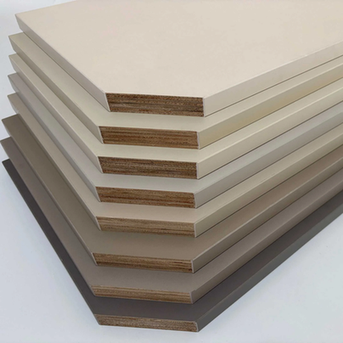
Dicas para comprar compensado resistente à umidade para bancadas de banheiro
The Hidden Cost of Bathroom Vanity Delamination When manufacturing cabinets for wet environments, the commercial stakes are incredibly high. Bathrooms experience constant humidity, steam from daily showers, and frequent water splashes around the washbasin. If you supply vanities made from inadequate materials, moisture will inevitably penetrate the exposed edges. This intrusion leads directly to edge swelling, adhesive failure, and severe veneer delamination. For cabinet manufacturers and interior contractors, these material failures are not just minor inconveniences. They translate into expensive after-sales claims, free part replacements, and wasted manual labor hours. Furthermore, delivering failing products destroys your brand reputation, leading to negative reviews and drastically reduced profit margins. Finding a truly reliable waterproof material for kitchen cabinets and bathroom furniture is essential to eliminating these hidden financial drains, protecting your business, and keeping your end-user clients fully satisfied over the long term. Why Standard Plywood Fails in High-Humidity Bathrooms Many normal waterproof plywood choices sold today just cannot handle steady bathroom dampness. The main reason usually comes down to two basic things. These are the wood type and the adhesive structure. Most regular boards use softwood cores or medium-density fiberboard. Softwood has a low physical density. It also has wide, open cell pores. These pores pull in water drops from the damp air. After the water gets inside, the inner wood fibers swell fast. Also, normal moisture-resistant boards use standard urea-formaldehyde resin glue. This common chemical glue is not stable when it faces steady wetness and heat changes. It goes through bad chemical reactions. It breaks down over time and loses its main grip strength. This breakdown surely makes the surface layers peel off from the center. To fix this endless loop of failure, we must look past normal making methods. We must avoid weak material pairings. Key Criteria: How to Choose Plywood for Bathroom Furniture Selecting the best plywood for high humidity areas requires moving past basic marketing claims and focusing strictly on material science. A truly good board must have a high-density core. This core physically stops fast water entry before it begins. Also, it requires a highly stable, water-resistant adhesive that will not chemically break down under extreme moisture stress. You must also think about the full cost of ownership. Do not just look at the first buying price. High-quality anti-swelling plywood for cabinets might cost a bit more at the start. However, it strongly guards your long-term profits. It does this by wiping out warranty claims and repair visits. It also stops bad buyer feedback. How QIANGYI PLYWOOD Solves Vanity Swelling To completely resolve the commercial pain points of edge swelling and delamination, we completely reengineered our board structure from the inside out. We eliminated the conventional materials that cause typical industry failures and developed a targeted solution specifically tailored for high-humidity applications, that is glutinous rice glue plywood. Our approach combines a premium hardwood substrate with an innovative natural adhesive to deliver unmatched stability. 100% Eucalyptus Core for Superior Density The base of our moisture-resistant board is a full eucalyptus core. Eucalyptus is a fine hardwood. It acts very differently from the softwood that other brands use. Eucalyptus has a much higher physical density. Because of this, its inner cell layout has much fewer open spaces. This thick hardwood makeup builds a strong physical wall. This wall greatly slows down water entry. We use a 100% eucalyptus plywood build with Grade 1 core layers. Because of this, the glutinous rice glue plywood stops the fast water intake that usually ruins bathroom vanities. This keeps the shape very stable, even in the wettest rooms. It protects the physical strength of your finished cabinets. Glutinous Rice Glue for Waterproof Bonding To complement our dense hardwood core, we utilize an advanced glutinous rice glue. This specialized, formaldehyde-free adhesive is formulated from glutinous rice starch, magnesium chloride, water, and magnesium oxide. Unlike traditional adhesives that weaken when wet, our glutinous rice glue features strong penetration capabilities. We apply this glue layer by layer, allowing it to completely fill the microscopic gaps between the eucalyptus wood fibers. Once cured, it forms a dense, water-resistant crystalline network that physically blocks water molecules from touching the wood fibers. Compared to traditional urea-formaldehyde resin adhesives, the glutinous rice glue structure exhibits higher stability in humid environments, significantly reducing the risk of ungluing and delamination caused by moisture. Proven Evidence: Will It Survive the Bathroom Environment? B2B buyers need more than just promises; they need verifiable data to mitigate procurement risks. Class II Waterproof Certification & Boiling Test QIANGYI PLYWOOD’s manufacturing standards are validated by rigorous third-party evaluations. As detailed in our Test report, our glutinous rice glue plywood has officially achieved Class II waterproofing certification. This strict classification means the board is specially designed to endure damp conditions and short-term hot water immersion. During the mandatory immersion peeling tests, our samples were submerged in 63 degrees Celsius hot water. The test results demonstrated a flawless 100% pass rate with zero delamination. This official testing guarantees that our boards possess the structural integrity necessary to survive the harsh realities of a bathroom environment without compromising your finished product. 72-Hour Immersion Test vs. Ordinary Plywood Real-world testing visually demonstrates our board’s superiority. In a recent video test demonstrating our plywood’s true waterproof capabilities, we conducted a direct immersion comparison. We submerged our glutinous rice board alongside ordinary boards in water for an extended 72-hour period. The results were undeniable. While the standard materials exhibited significant, visible swelling, our board remained remarkably stable. The thickness of our plywood only changed microscopically, moving from 18.20mm to 18.39mm after 72 hours underwater. In stark contrast, the ordinary plywood swelled significantly from 18.13mm to 19.05mm, and the MDF board expanded even more drastically from 18.30mm to 20.66mm. The test results demonstrate that under the same immersion conditions, the thickness variation of our eucalyptus core glutinous rice glue plywood is significantly lower than that of ordinary plywood and MDF. For bathroom vanity manufacturers, this lower expansion risk helps reduce cabinet deformation, edge cracking, veneer delamination, and after-sales claims, thereby improving project delivery stability and long-term profit margins. Real-World Case Study: Success in the Humid Philippines A leading furniture materials distributor in the Philippines faced challenges with the country’s hot, humid climate. Seeking a durable solution, they partnered with us after discovering our Glutinous Rice Glue plywood. The results were exceptional. The plywood’s natural adhesive, ENF grade, and superior waterproof and termite-proof capabilities perfectly addressed local market needs. These features significantly reduced their clients’ maintenance and rework costs caused by moisture swelling and severe termite damage. Starting with a conservative single-color trial order, the overwhelming positive market response led the distributor to quickly expand their range. Today, they feature a fully customized color palette and successfully promote our glutinous rice plywood as their flagship premium series. Experience Our Waterproof Technology in Person If you are looking to completely resolve the commercial pain points of edge swelling and delamination, we invite you to inspect our premium moisture-resistant plywood firsthand. Come meet our experts and see the physical proof of our material stability. *Event Name:THE 2026 GUANGXI INTERNATIONAL FOREST PRODUCTS AND WOOD PRODUCTS EXHIBITION *Booth Number:D5T-06 *Location/Address:Nanning International Convention & Exhibition Center *Date:November 21-23, 2026 FAQ Q: What is the best waterproof plywood for bathroom cabinets? A: While no wood product is entirely impervious to water forever, the most reliable commercial solution is a combination of a dense hardwood core and a highly water-resistant adhesive. A full eucalyptus core combined with glutinous rice glue currently offers the absolute best defense against edge swelling and delamination in humid bathroom conditions, making it ideal for professional vanity manufacturing. Q: Does full eucalyptus core plywood prevent edge swelling? A: Yes, it significantly reduces the risk. Eucalyptus is a dense hardwood, which means its internal cellular structure is much tighter than that of typical softwood. This high density naturally minimizes the empty pores where water can accumulate, physically restricting moisture penetration and preventing the vanity edges from expanding when exposed to bathroom humidity. Q: Why should cabinet manufacturers choose glutinous rice plywood over standard moisture-resistant boards? A: Standard boards rely on conventional chemical adhesives that gradually degrade when exposed to continuous moisture. Our glutinous rice glue creates a stable crystalline structure that locks out water molecules and maintains its strong bond even after severe water exposure. This directly translates to fewer customer complaints, zero rework, and a heavily protected brand reputation. Q: How can I verify the waterproof performance of plywood before buying? A: You should always request official laboratory testing data from your supplier. Look for documents like our test report, which confirms a 100% pass rate in Class II hot water immersion peeling tests. Additionally, seek out visual proof, such as our 72-hour water submersion videos, to directly compare material expansion rates before committing to a purchase. Q: Will using moisture-resistant plywood increase my manufacturing costs? A: You must evaluate this through the precise lens of total cost of ownership. While a premium full eucalyptus board might have a marginally different upfront purchase price, it completely eliminates the hidden costs of vanity failures. By preventing expensive after-sales repairs, free replacement parts, and lost future business due to bad reviews, it ultimately increases your overall profitability and business growth.
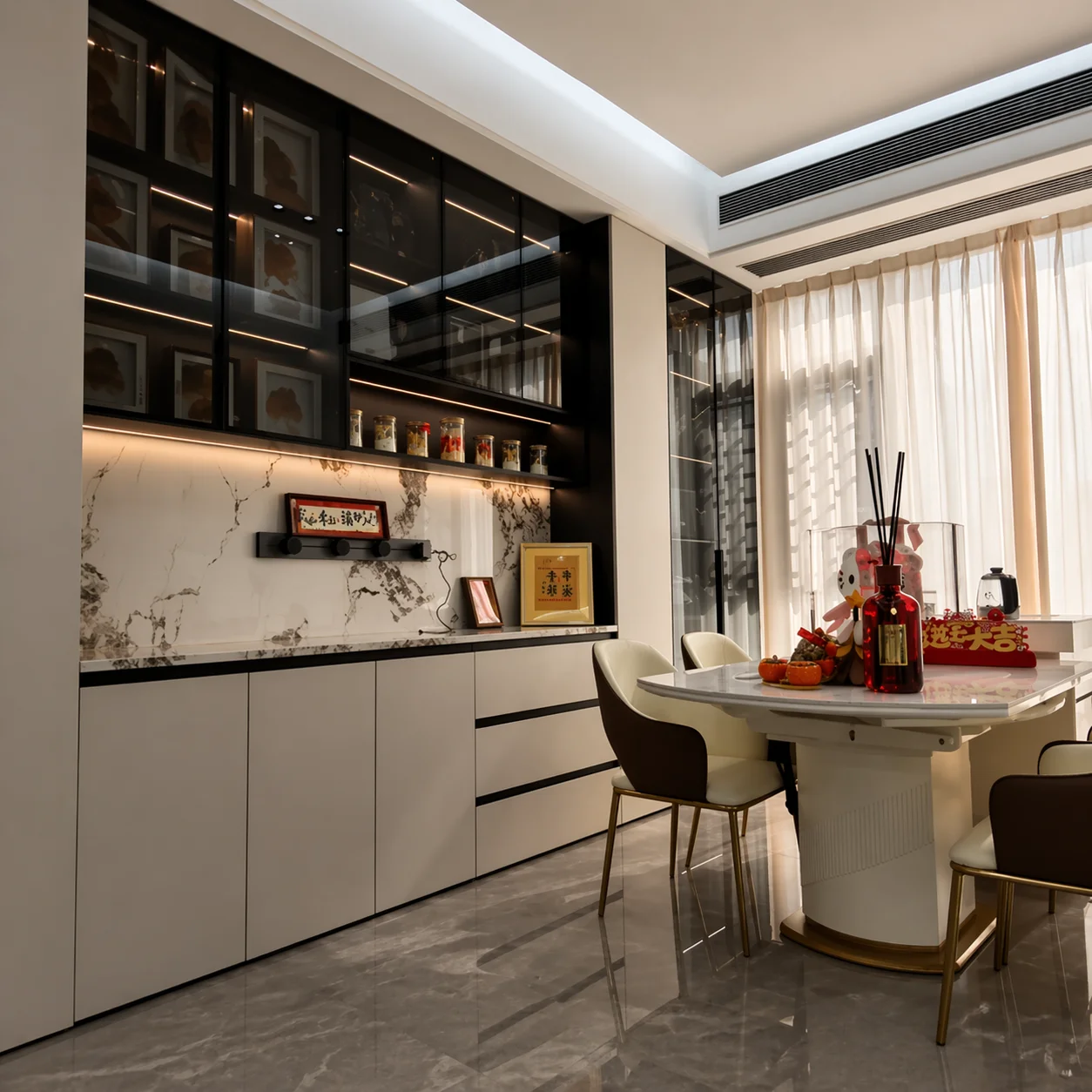
Guia de compensado resistente à deformação para ambientes internos úmidos
Uma porta de armário pode sair da oficina plana e empenar meses depois. Em apartamentos úmidos, hotéis litorâneos, cozinhas, banheiros e guarda-roupas próximos a paredes úmidas, a madeira compensada enfrenta constantes alterações de umidade. Para empreiteiros de interiores, isso pode significar retrabalho, atraso na entrega e chamadas de garantia. A questão principal é como especificar madeira compensada resistente à deformação. Por que a deformação da madeira compensada se torna um problema dispendioso em instalações de interiores em ambientes úmidos? Onde surgem deformações relacionadas à umidade após a instalação. A deformação é comum em painéis largos, frequentemente utilizados ou expostos de forma irregular. Portas de armários de cozinha podem empenar, bancadas de banheiro podem se curvar perto de paredes úmidas, portas altas de guarda-roupas podem desenvolver frestas irregulares e móveis de hotel próximos a paredes externas podem sofrer ciclos repetidos de umidade. Os primeiros sinais são pequenos: uma borda não encaixa mais perfeitamente, a frente de uma gaveta gira ou a fita de borda se solta. Uma vez que os acessórios são afetados, um defeito visual se torna funcional. De um painel empenado a retrabalho, atrasos e chamadas de garantia A substituição de um painel pode exigir outra visita ao local, acabamento, ajuste das dobradiças e coordenação com o cliente. Em projetos com vários cômodos, os custos se multiplicam. A movimentação dos painéis causa desalinhamento; o desalinhamento gera retrabalho; o retrabalho consome mão de obra, material e tempo. Portanto, a estabilidade dimensional deve constar nas especificações de aquisição. Por que a madeira compensada empena, deforma ou delamina em ambientes internos úmidos? A oscilação de umidade causa inchaço e encolhimento desiguais. A madeira compensada é laminada cruzadamente, o que ajuda a restringir a movimentação da madeira, mas suas lâminas ainda absorvem e liberam umidade conforme a umidade relativa do ar varia. O problema começa quando essa movimentação é irregular. A porta de um armário ao lado da pia pode absorver mais umidade nas bordas do que na face decorativa. Um guarda-roupa encostado em uma parede fria pode sofrer condições diferentes na parte da frente e na parte de trás. O estresse resultante pode se manifestar como empenamento, curvatura, torção ou falha localizada na colagem. A construção desequilibrada do núcleo e a tensão residual agravam o problema. A umidade costuma ser o fator desencadeante, mas não a única causa. Frestas no núcleo, umidade irregular no revestimento, simetria deficiente ou tensão residual podem tornar um painel mais sensível. Uma disposição equilibrada das camadas distribui as forças por toda a chapa. Um núcleo irregular pode reagir de forma desigual, tornando a instabilidade oculta mais evidente após o corte. Por que painéis mais espessos, laminados de superfície ou soluções de fixação de ferragens, por si só, não são suficientes? A espessura melhora a rigidez, mas não corrige um núcleo instável. Um laminado de superfície pode retardar a entrada de umidade, porém bordas cortadas, furos e partes traseiras sem vedação permanecem expostas. Mais dobradiças podem controlar o movimento mecanicamente, mas não podem reparar uma colagem frágil. Essas medidas funcionam melhor quando o painel base já é adequado ao ambiente. O que a madeira compensada resistente à deformação deve apresentar antes de ser especificada? Procure por uma estrutura central equilibrada e movimentação controlada da umidade. Antes de especificar compensado para um interior úmido, verifique três pontos fundamentais: 1. Consistência do núcleo: lâminas bem ajustadas e camadas equilibradas reduzem os pontos fracos localizados. Em relação à seleção do material do núcleo, o uso de madeiras nobres, como o eucalipto de grande diâmetro, pode aumentar significativamente a resistência à deformação do painel devido a vantagens como a ausência de nós, alta resistência e manutenção de qualidade estável. 2. Controle de umidade: a umidade interna deve ser controlada antes que o painel saia da linha de produção. 3. Estratégia de borda e superfície: o acabamento, a perfuração, a selagem e a instalação devem minimizar a exposição irregular após o corte. Um painel adequado não é simplesmente “à prova d'água”. A estrutura do núcleo, a colagem, o condicionamento e a instalação precisam funcionar em conjunto. Integridade de títulos de demanda, dados de rigidez e evidências de testes correspondentes à aplicação. Os compradores devem perguntar o que foi testado, qual requisito se aplicou e se a construção testada corresponde ao painel cotado. O que verificar Por que isso importa Descascamento por imersão Verifica a integridade da linha de cola após exposição à umidade. resistência à flexão Indica resistência à falha por flexão. Módulo de elasticidade Auxilia na avaliação da rigidez e da deflexão. Núcleo, espessura e face Confirma que as evidências correspondem ao pedido. Isso é importante para portas de armários, prateleiras compridas e bancadas de banheiro, onde movimentos sutis se tornam visíveis rapidamente. Como a QIANGYI PLYWOOD combate a deformação causada pela umidade Na QIANGYI PLYWOOD, combatemos a deformação controlando o painel de dentro para fora, em vez de depender apenas de uma curvatura superficial. Construção multicamadas equilibrada e condicionamento controlado reduzem o estresse interno. Nossa madeira compensada com cola de arroz glutinoso utiliza um processo de laminação com núcleo completo e colagem camada por camada. A produção inclui mais de 24 horas de prensagem a frio lenta, cerca de 60 horas de secagem e mais de 15 dias de cura e condicionamento. O ciclo mais longo visa melhorar a adesão, equalizar a umidade interna e permitir que a tensão residual se dissipe antes da fabricação. Deformações costumam aparecer após o corte e a instalação. Uma umidade mais uniforme e uma estrutura equilibrada ajudam a reduzir a concentração de tensão dentro do painel. Adh de arroz glutinoso penetranteesive ajuda a limitar o inchaço causado pela umidade O sistema adesivo utiliza amido de arroz glutinoso com cloreto de magnésio, óxido de magnésio e água. Após a cura, ele é projetado para penetrar na estrutura da madeira e formar uma rede densa e aderente. A faixa de preço das placas de arroz glutinoso é controlada entre 8% e 12% de umidade, enquanto sua classificação de resistência à água Classe II destina-se a ambientes úmidos, e não à imersão prolongada. Em cozinhas, guarda-roupas e toucadores, o objetivo é limitar a rápida absorção de umidade e o consequente inchaço. A ação antimofo e antibacteriana oferece proteção adicional em ambientes internos úmidos. A umidade pode causar problemas biológicos mesmo antes que ocorra uma deformação visível. Todas as placas de compensado com cola de arroz glutinoso da QIANGYI PLYWOOD são feitas de eucalipto de grande diâmetro, que possui propriedades antibacterianas naturais. Em nosso sistema de placas de arroz glutinoso, a resistência ao mofo é de Grau 0 e a taxa antibacteriana é superior a 99%. O processo combina o sistema adesivo com secagem controlada de 60 horas e controle de umidade na faixa de 8 a 12%. Essas propriedades contribuem para a estabilidade dimensional, mas não a substituem. São úteis em cozinhas, móveis de banheiro, lavabos e interiores litorâneos onde as condições climáticas podem ser quentes e úmidas. Evidências de testes, o caso Maurício e o valor da estabilidade dimensional em aquisições. O relatório de ensaio SZF-WT-25082006-02 fornece evidências da integridade da ligação e do desempenho estrutural. A página do relatório mostra seis amostras válidas para cada item e uma taxa de aprovação de 100%. Item de teste Requisito demonstrado Resultado Descascamento por imersão Critérios de descascamento específicos 6/6 qualificados Resistência à flexão, paralela ≥22,0 MPa 6/6 qualificados Resistência à flexão transversal ≥20,0 MPa 6/6 qualificados Módulo de elasticidade, paralelo ≥5000 MPa 6/6 qualificados Módulo de elasticidade transversal ≥4000 MPa 6/6 qualificados Estudo de caso: Por que uma fábrica de móveis das Ilhas Maurício fazia pedidos repetidos constantemente? Um cliente de longa data do setor de fabricação de móveis em Maurício estava recebendo seu terceiro contêiner completo de reposição do ano. O produto era compensado de qualidade para móveis com núcleo 100% de eucalipto. Maurício possui um clima insular quente e úmido, onde painéis comuns podem sofrer descascamento, deformação e danos causados por cupins ao longo do tempo. Para este cliente, fornecemos compensado com núcleo integral de eucalipto, adesivo de arroz glutinoso e processamento com temperatura controlada para melhorar a estabilidade em condições de alta umidade. O produto também foi aprovado em um teste de resistência a cupins com nota 9,5. O cliente comentou que o uso do nosso compensado para armários ajudou a reduzir as preocupações com problemas pós-venda. A recompra também foi impulsionada pela consistência. O desempenho estável na retenção de pregos e as arestas de corte limpas ajudaram a fábrica a evitar ajustes frequentes na produção e a reduzir a perda de material entre lotes. A entrega a longa distância foi outra consideração importante. Para o transporte marítimo, reforçamos as bordas dos paletes e utilizamos múltiplas camadas de embalagem resistente à umidade. O cliente informou que os paletes chegaram intactos e a madeira compensada permaneceu seca após a desembalagem. Como fabricantes diretos, também podemos responder rapidamente a requisitos como tamanhos específicos ou classificações ambientais, ajudando os compradores recorrentes a manter um cronograma de fornecimento mais previsível. Para empreiteiros e fabricantes de móveis, este caso demonstra que a seleção de compensado não se resume apenas à resistência à deformação. A consistência do lote, a proteção durante o transporte e a confiabilidade do fornecimento também afetam as perdas de produção, os riscos pós-venda e o prazo de entrega do projeto. Experimente pessoalmente nossa madeira compensada resistente à deformação. Tem curiosidade em ver em primeira mão a estabilidade dimensional e a qualidade do núcleo da nossa madeira compensada? Convidamos você a entrar em contato com nossa equipe e discutir como nossos produtos podem garantir a segurança do seu próximo projeto de acabamento de interiores em ambientes úmidos. *Nome do evento: Exposição Internacional de Produtos Florestais e de Madeira de Guangxi 2026 *Nome da empresa: QIANGYI PLYWOOD *Número do estande: D5T-06 *Data: 21 a 23 de novembro de 2026 *Localização/Endereço: Centro Internacional de Convenções e Exposições de Nanning Perguntas frequentes P: O que causa a deformação da madeira compensada em ambientes internos úmidos? A: A movimentação desigual da umidade é o principal mecanismo. Diferentes faces, bordas ou áreas do núcleo absorvem e liberam umidade em taxas diferentes. Desequilíbrio do núcleo, tensão residual, linhas de cola fracas e proteção inadequada das bordas podem agravar a movimentação. P: O que os empreiteiros devem verificar ao comprar compensado resistente à deformação? A: Você deve sempre verificar a qualidade do núcleo e procurar uma construção equilibrada. Além disso, verifique o controle de umidade, a resistência da ligação, o desempenho à flexão e a rigidez. Por fim, certifique-se de que os documentos de teste fornecidos correspondam de fato à espessura e à estrutura reais do seu pedido. P: Quais resultados de testes são importantes na avaliação de compensado resistente à deformação? A: O teste de descascamento por imersão ajuda a avaliar a integridade da linha de cola após exposição à umidade. A resistência à flexão indica a resistência à falha por flexão, enquanto o módulo de elasticidade relaciona-se à rigidez e à deflexão. Os resultados são mais úteis quando a amostra testada corresponde ao produto especificado. P: A resistência à deformaçãoA madeira compensada ainda precisa de selagem nas bordas e instalação correta? R: Sim. Bordas cortadas, furos, acabamento irregular, substratos úmidos, armazenamento inadequado e disposição incorreta dos componentes ainda podem causar infiltração de umidade ou tensão localizada. Um painel estável reduz o risco, mas a fabricação e a instalação continuam sendo parte da solução.

If you interested in our product, please leave you information here, we will send you more details
Please fill out the form below and we will get back to you as soon as possible.