- admin@qiangyiwood.cn
- Southwest Corner, Intersection of Nanwu Road & Nanhuan Road, Jiangnan Industrial Park, Gangnan District, Guigang City, Guangxi, China

Products
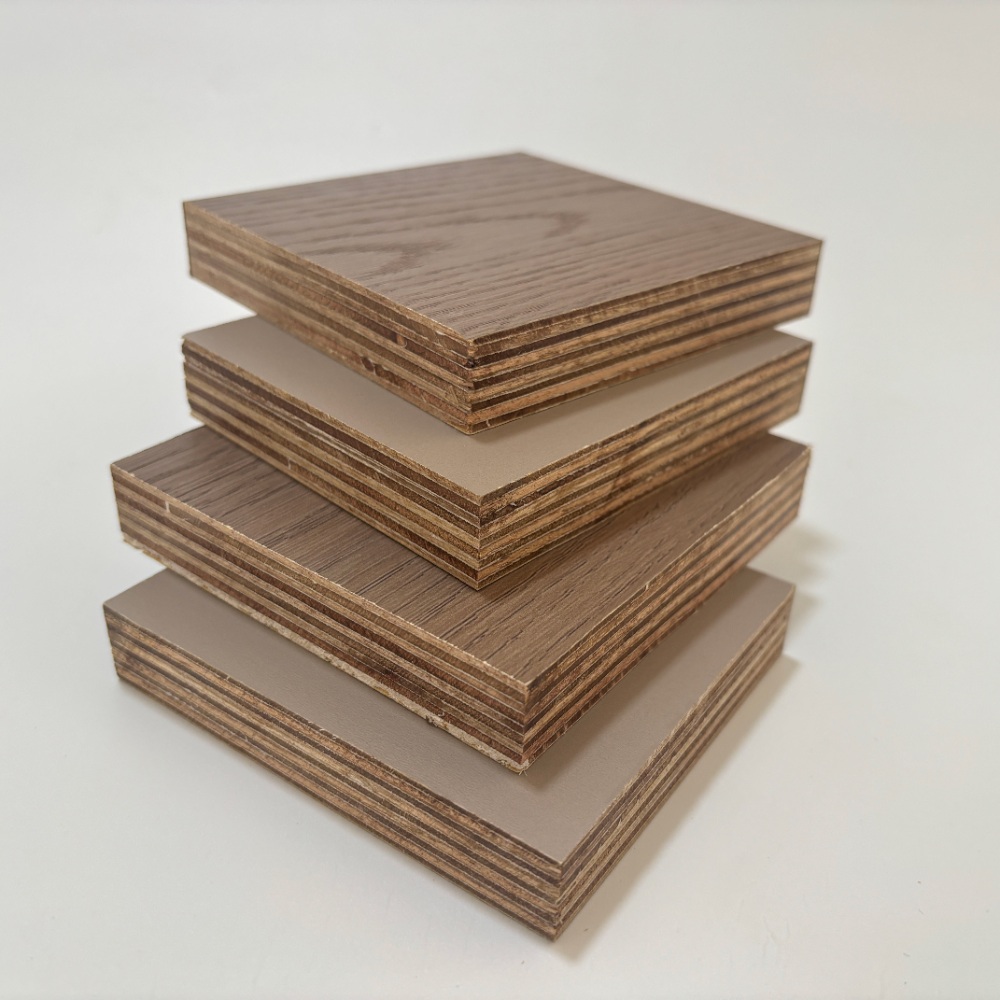
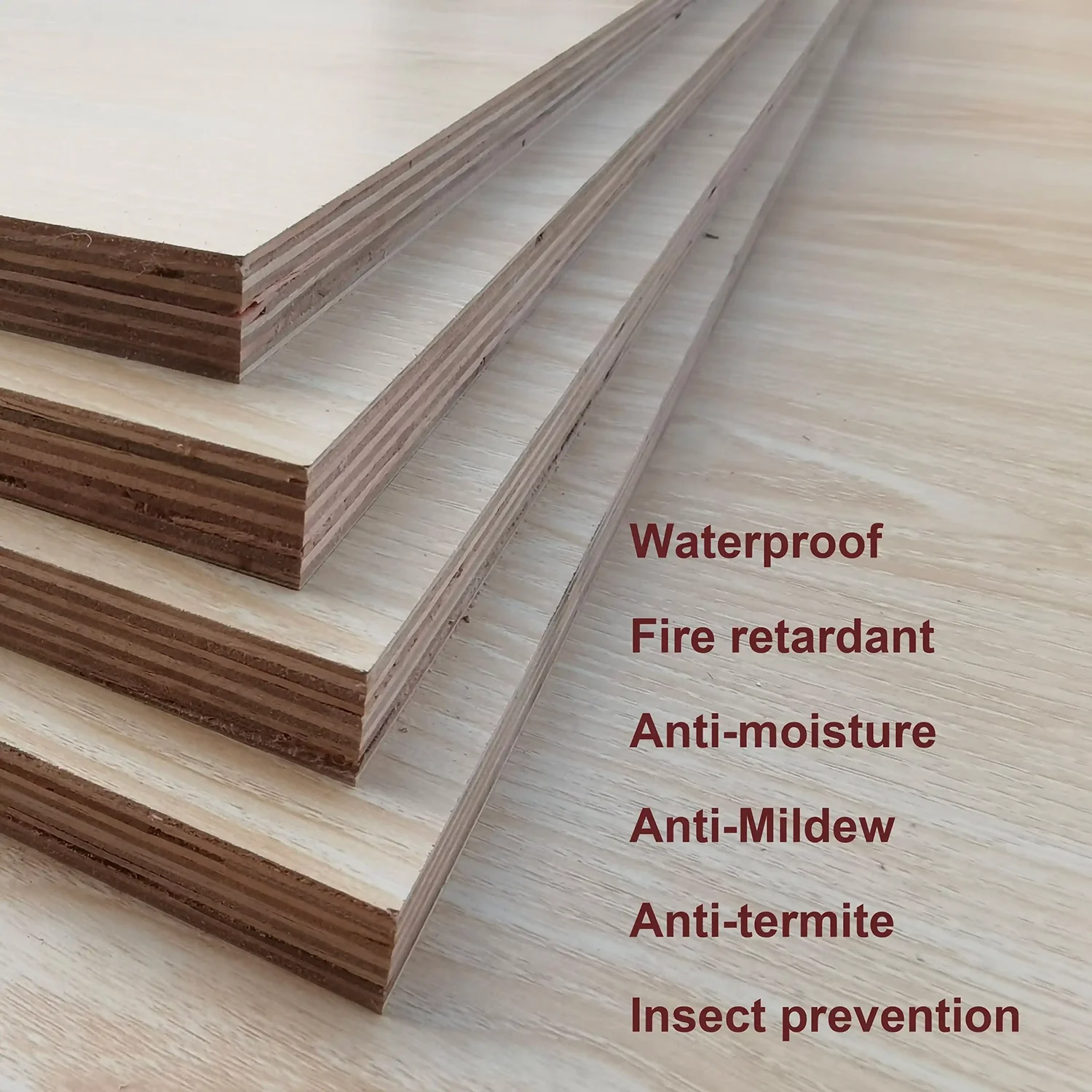
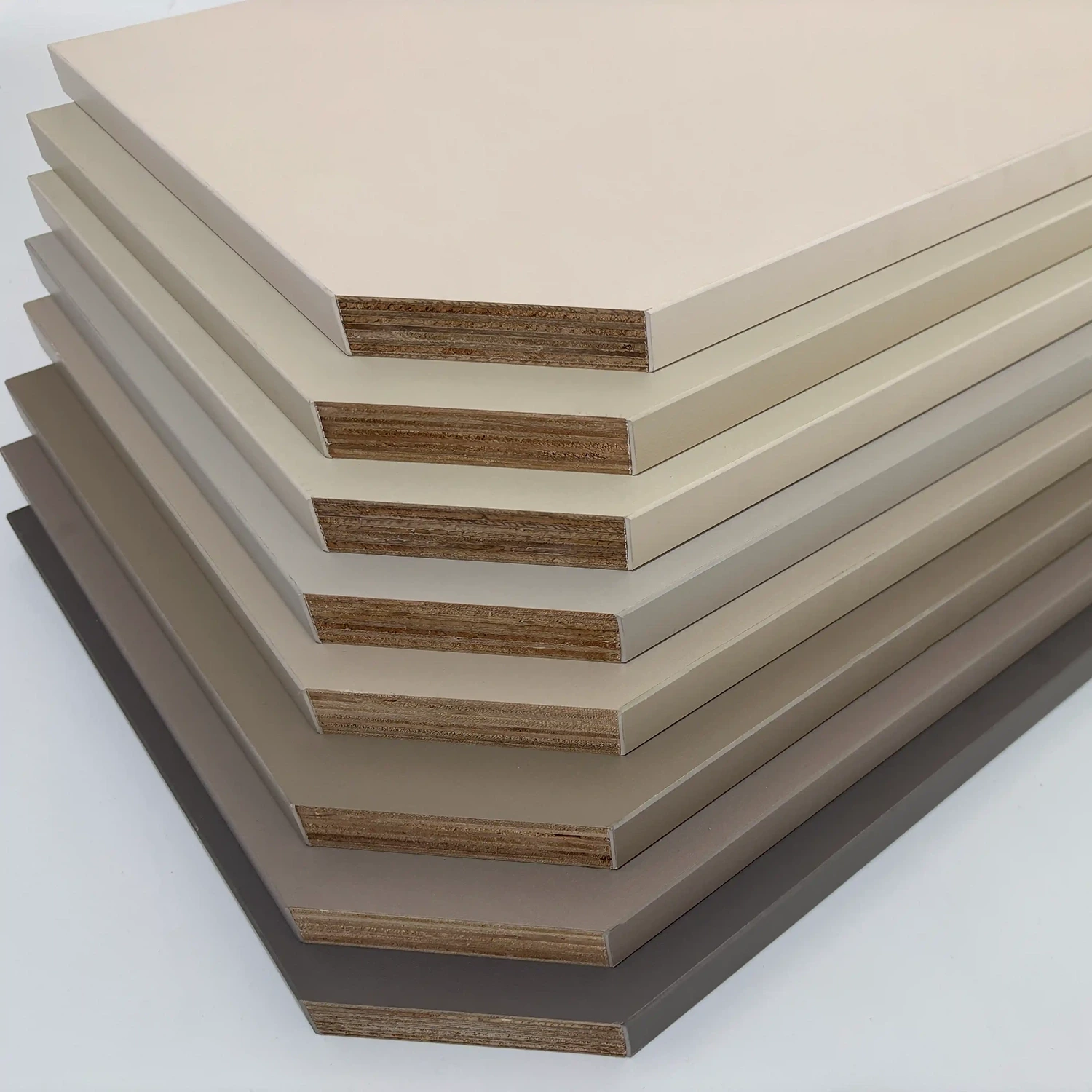
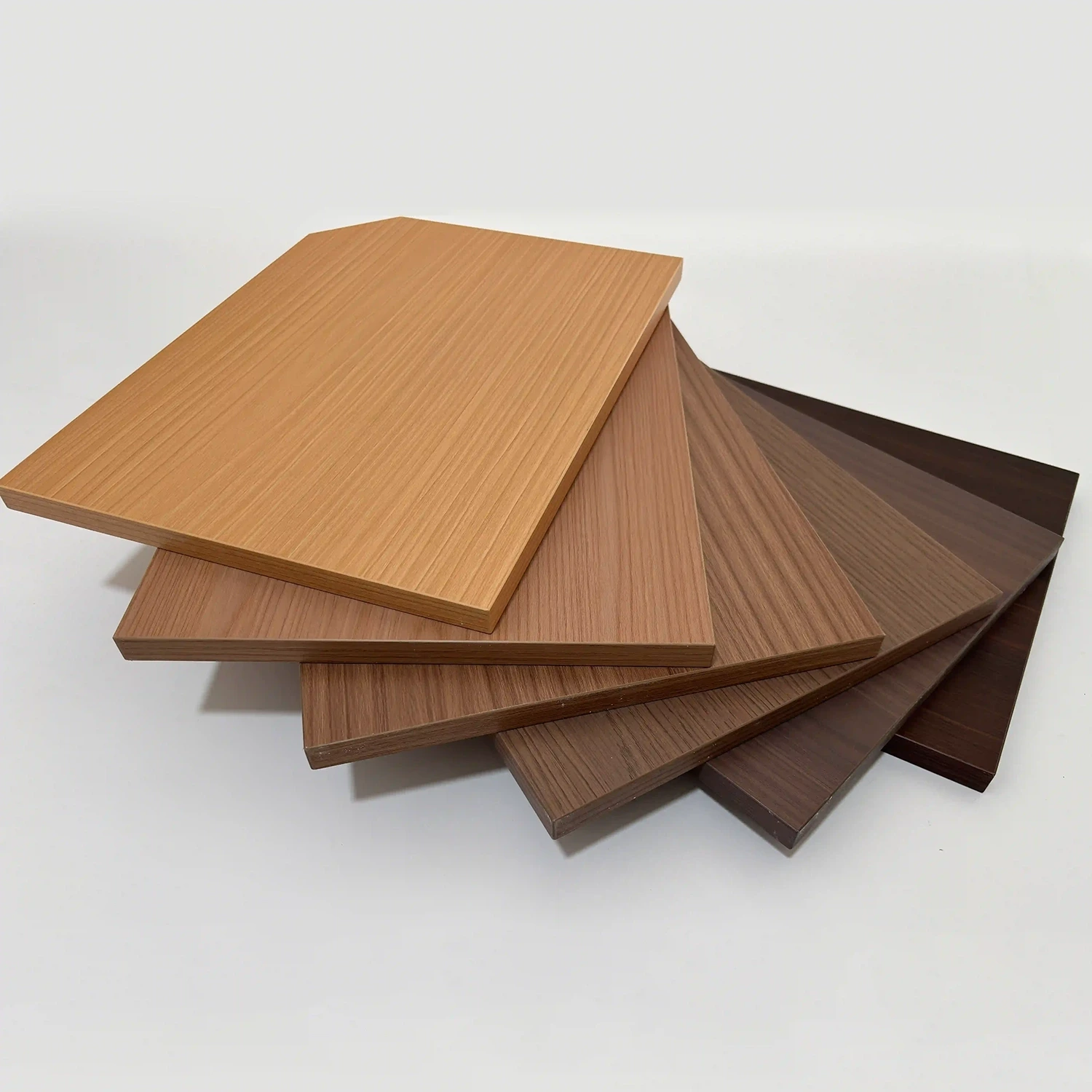
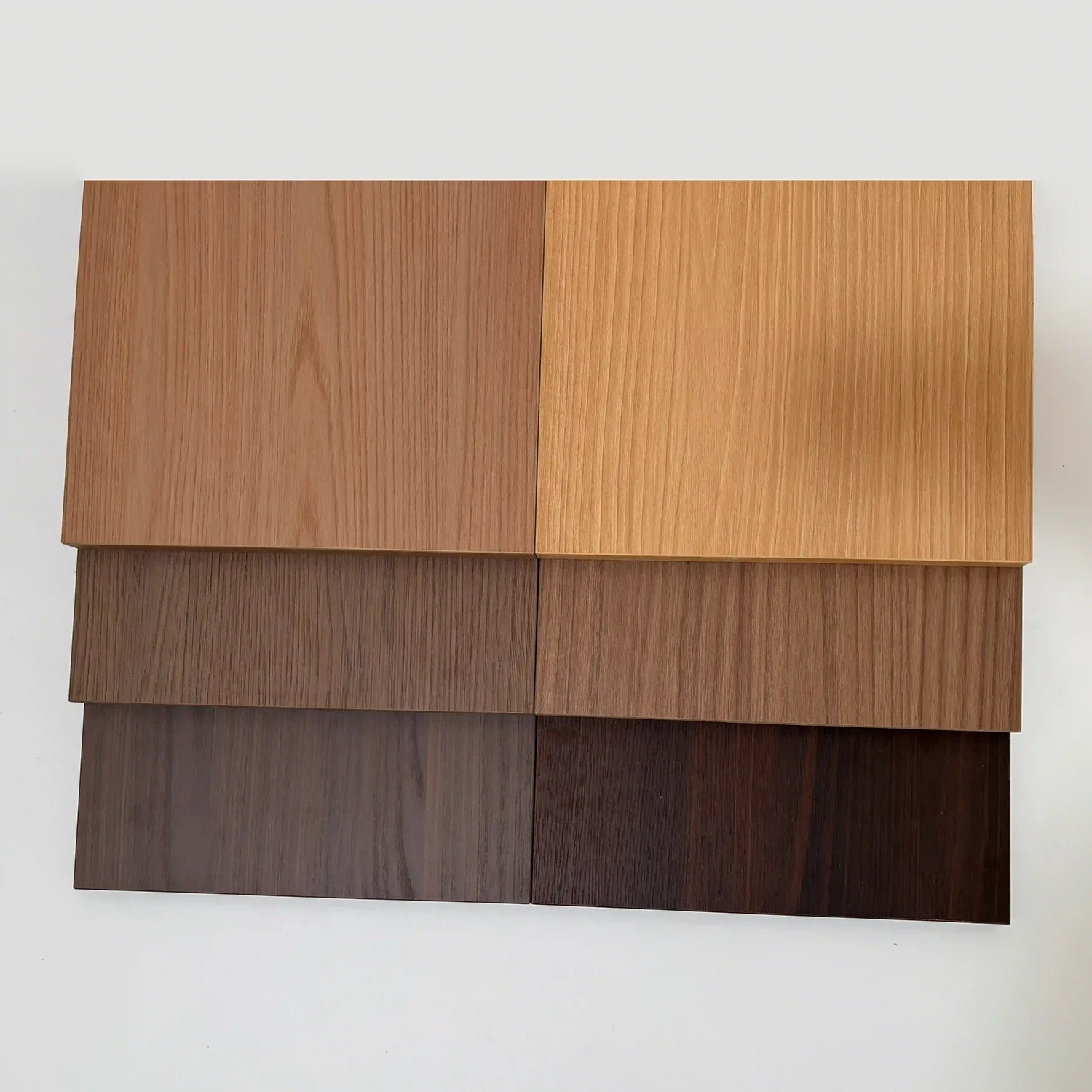
Product Details Description
| Size | 1220x2440mm/1220x2745mm |
| Thickness | 5mm/9mm/12mm/15mm/18mm/25mm |
| Core material | Eucalyptus/fir/rubber wood,etc. |
| Surface | Melamine paper/matt/glossy |
| Moisture | 8-12% |
| Certificates | CARB-P2/EPA/CE/FSC/ISO,etc. |
| Thickness tolerence | +0.2mm /-0.5mm |
| Layer | 5-ply/9ply/11-ply, etc. |
| Environmental grade | ENF/E0/E1 |
| Application | Home decoration/Cabinets/wardores/furniture,etc. |
Please choose glutinous rice glue plywood for this application:
Thanks to its dual advantages of environmental friendliness and performance, glutinous rice glue plywood is suitable for a wide range of applications, from home decoration to commercial projects, from core areas to auxiliary spaces, where it can demonstrate its value:
– Core areas of home decoration: Wardrobes, bookcases, bedside tables, tatami mats, and other cabinets in children’s rooms, elderly rooms, and master bedrooms; living room background walls and ceiling designs; kitchen cabinets and bathroom cabinets (requires edge banding); solid wood composite flooring base materials, etc.
– Commercial spaces: Furniture and wall decoration for kindergartens and early childhood education centers; cabinets and partitions in hospital wards and nurse stations; display cabinets and workbenches in food processing plants and tea rooms; custom furniture in hotel rooms, etc.
– Special needs scenarios: Pet cages, storage cabinets for mother and baby products, living spaces for people with allergies, etc., avoiding the risk of exposure to harmful substances from the source.
IV. Choosing Glutinous Rice Glue Plywood: 4 Key Points to Avoid Pitfalls
Focusing on the following four points, you can easily select a high-quality product:
1. Check certifications and reject “fake formaldehyde-free” products.
High-quality glutinous rice glue plywood must have authoritative certifications. Prioritize checking for “Ten Ring Certification” (China Environmental Labeling Product Certification), “F4 Star Certification” (Japanese environmental standard), and “CARB P2 Certification” (US environmental standard). Also, require the seller to provide a third-party testing report confirming that the formaldehyde release is ≤0.02mg/m³, avoiding the purchase of inferior products that “add formaldehyde but claim to be formaldehyde-free.”
2. Check the quality of the base material and identify solid wood veneers.
High-quality base material is the foundation of durable panels. When purchasing, check the cross-section of the panel. High-quality glutinous rice glue plywood has clear veneer layers (usually 3, 5, or 9 layers), uniform veneer thickness, and no defects such as voids, insect holes, or decay; the texture is natural and continuous, without obvious splicing marks, and feels heavy and solid, not like a light and flimsy “inferior veneer spliced panel.” 3. Test the bonding performance to avoid delamination risks.
Gently tap the surface of the panel; high-quality glutinous rice plywood will produce a uniform and crisp sound without any hollow sounds. You can also check the edges of the panel. If the veneers at the edges are tightly bonded without warping or delamination, and the edge banding is smooth and even, it indicates reliable bonding performance. Avoid products with rough edges and loose veneers.
4. Choose reputable brands and prioritize after-sales service.
The production process of glutinous rice plywood requires high standards for glutinous rice glue modification and hot pressing parameters. Small workshops often cannot guarantee quality. Prioritize well-known and reputable brands. These brands usually have a complete production system and after-sales service, providing product quality assurance and installation guidance, preventing problems from arising later without anyone taking responsibility.
If you still have more question about our glutinouse rice glue plywood, just write us e-mail for more information, our professional team will response to you at once.
Application
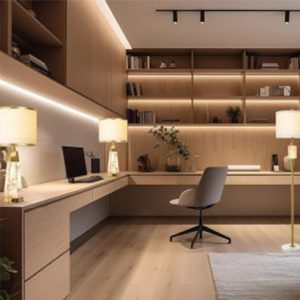
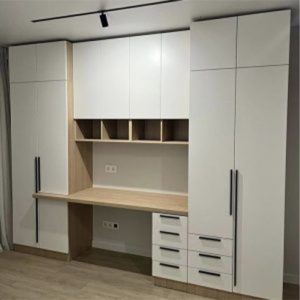
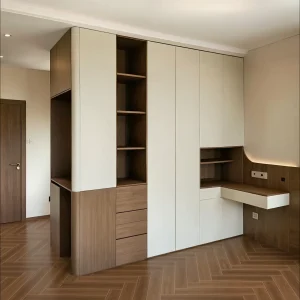
Main products: Marine plywood, Melamine plywood, Melamine blockboard, Melamine Chipboard, Melamine MDF board, Film face plywood, Edge banding, Furniture accessories
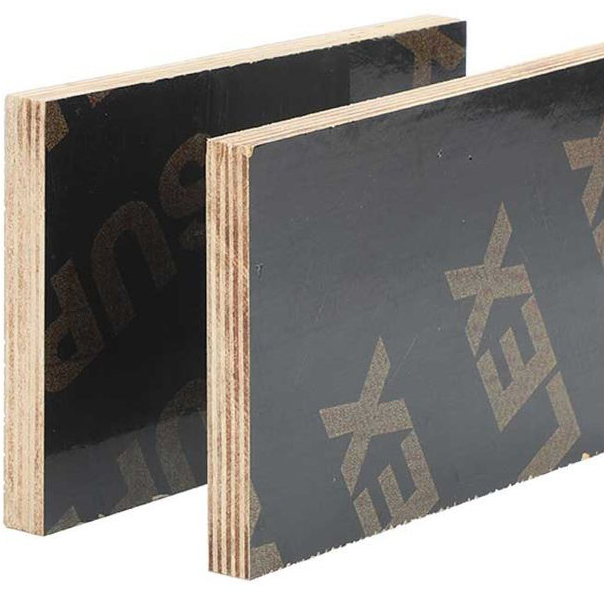
18mm Eucalyptus Core Concrete Formwork Plywood Black Film & Red Painted Surface
Durable construction formwork plywood with solid eucalyptus core. Stable, waterproof, and hig h reusability for heavy-duty building projects. Custom surface available.
Cost-Effective Film Faced Plywood 10-21mm Construction Plywood for Concrete Formwork
✅ Full eucalyptus core option available (denser, stronger than poplar core) ✅ Thickness range: 10mm / 12mm / 15mm / 18mm / 21mm, full size 1220×2440mm ✅ Surface choices: Black film (waterproof, reusable) / Red painted (cost-effective) ✅ Custom color film supported with MOQ requirement ✅ Stable structure, no delamination, anti-deformation for construction use ✅ Competitive bulk pricing, fast delivery, factory direct supply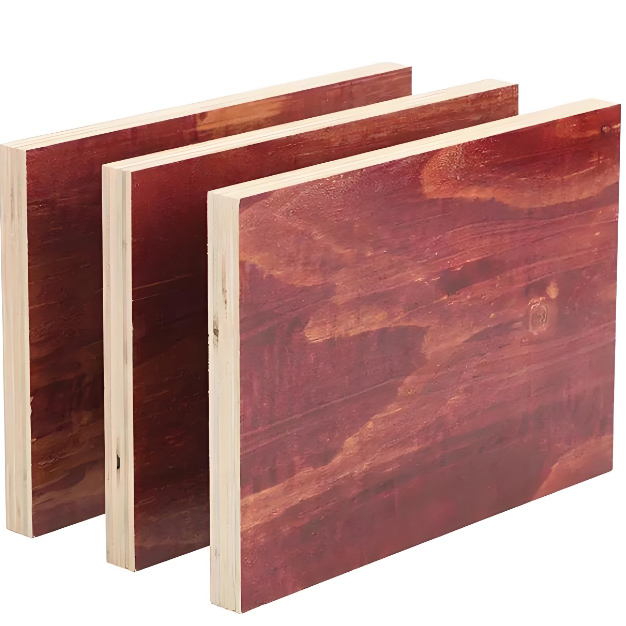
18mm Full Eucalyptus Core Film Faced Plywood Construction Concrete Formwork
Durable construction plywood with full eucalyptus core. Available in black film & red painted surface. Custom color film supported with MOQ. Ideal for B2B importers & contractors.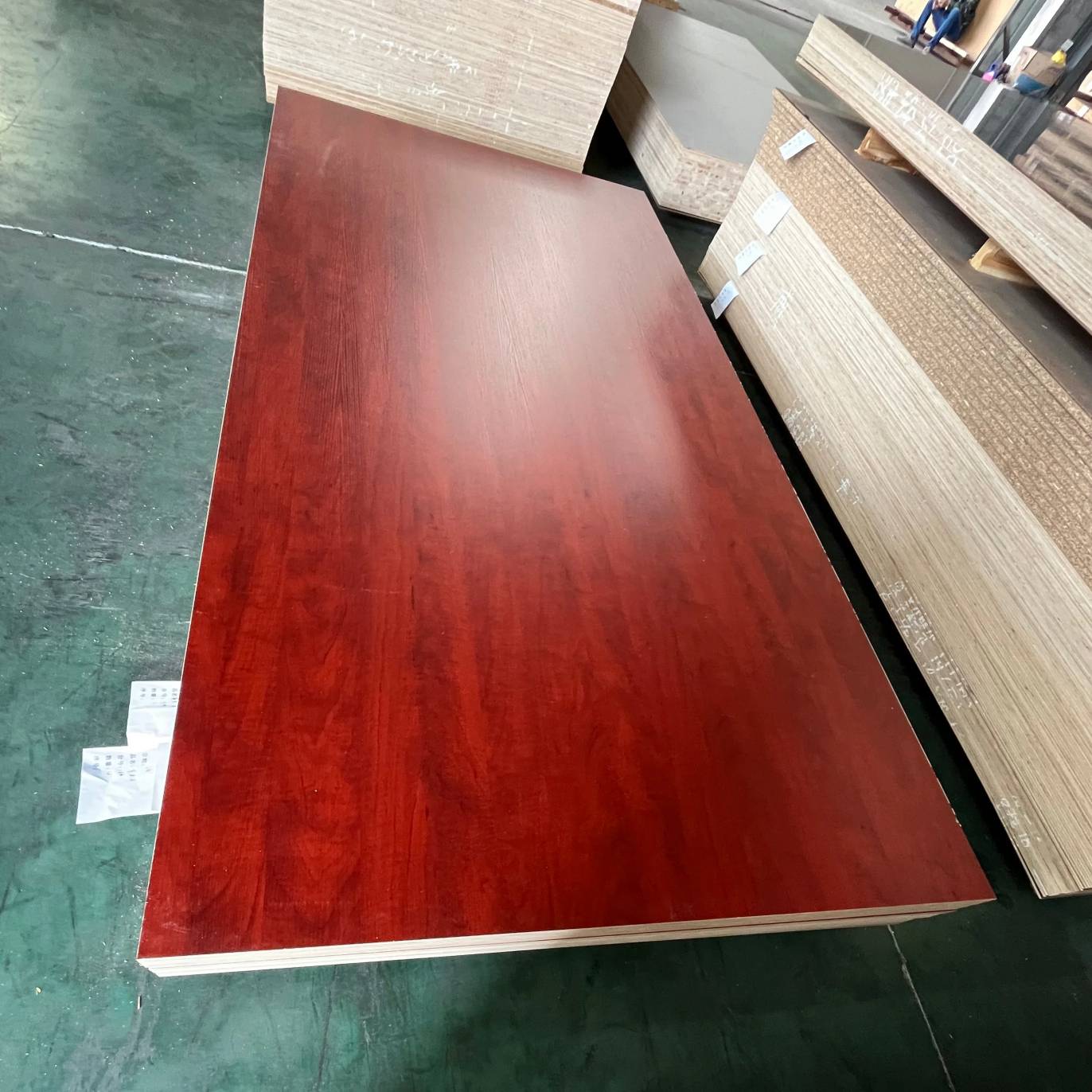
Waterproof & Moisture-Proof Glutinous Rice Plywood for Kitchen & Bathroom
Class II Waterproof & Low Expansion · Widely Applicable It reaches Class II waterproof standard with 24h water absorption expansion rate ≤2.4%. Excellent moisture resistance prevents swelling, warping and debonding in wet conditions. It is ideal for kitchens, bathrooms, balconies and other high moisture indoor spaces.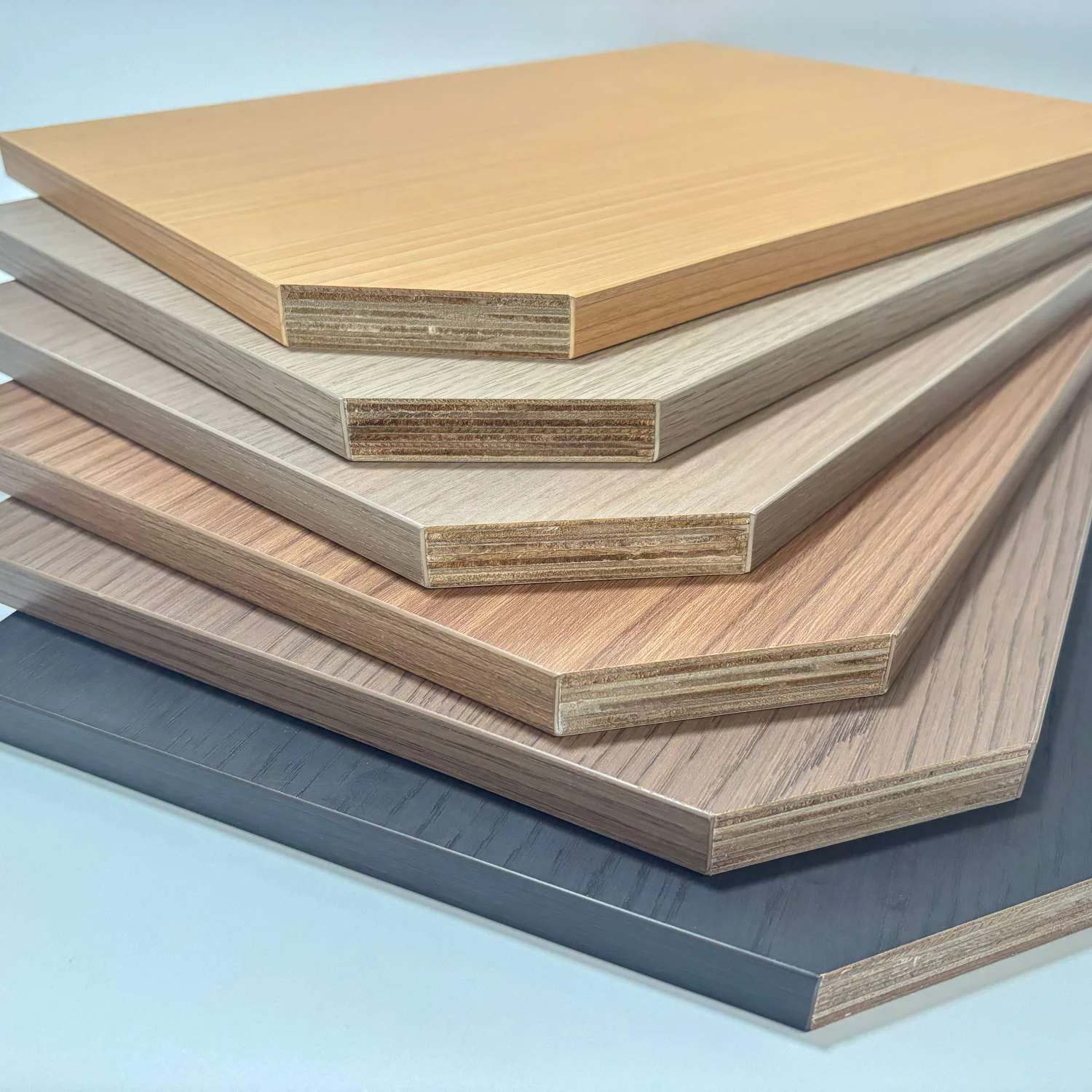
High-Density Glutinous Rice Board Termite Proof Anti-Cracking Durable
9.5-level Termite Resistance · Extend Service Life The alkaline environment created by glutinous rice adhesive resists termites and borers effectively. It reaches 9.5-level termite resistance, one of the highest grades in the industry. It greatly extends furniture service life and helps you win more repeated orders.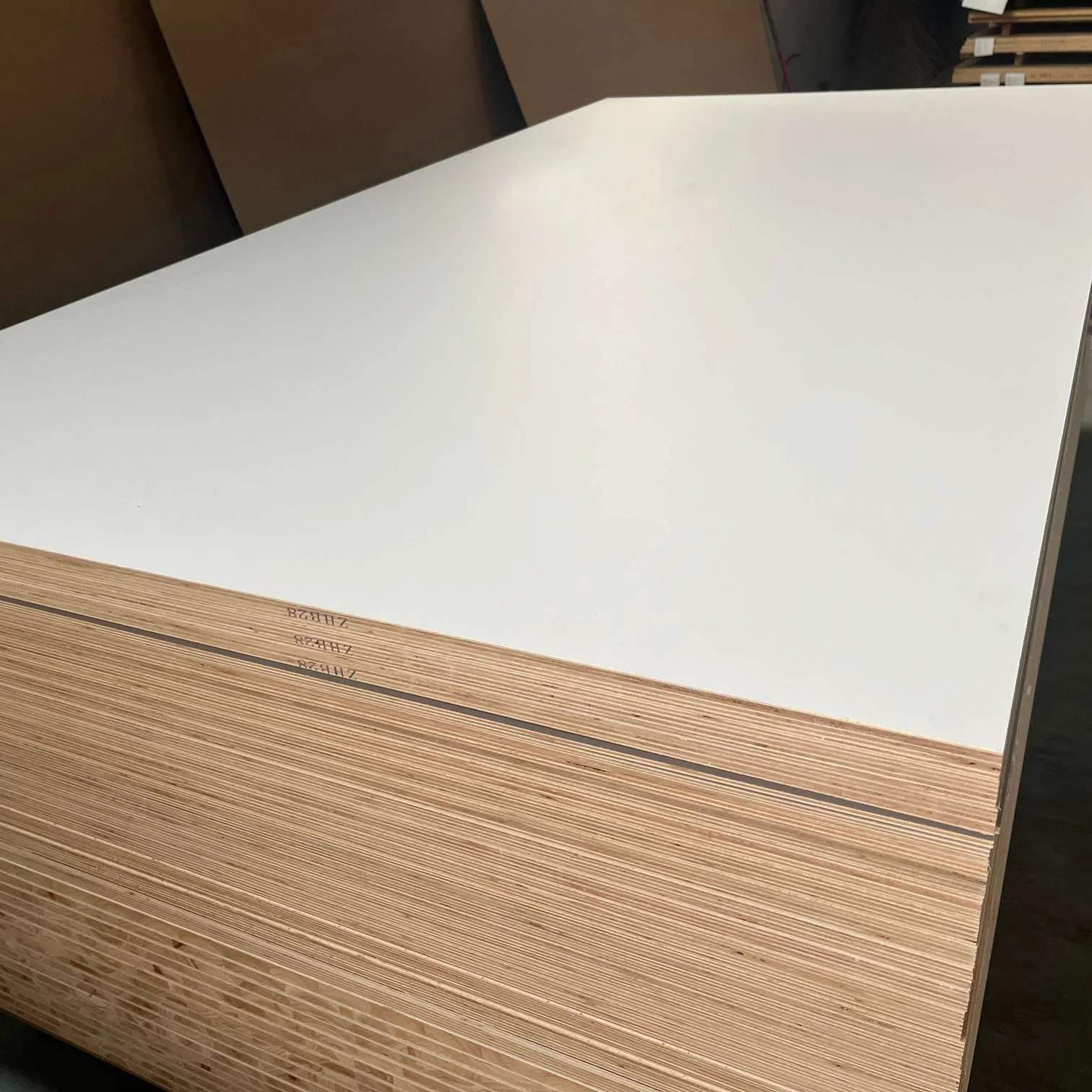
Flexible MOQ Factory Supply Italian Cream Style 18mm Melamine Plywood Eucalyptus Core Office Furniture-QIANGYI PLYWOOD
Melamine plywood also named melamine coated plwyood or paper overlay plywood ) is an engineered wood composite. Melamine plywood certified within ISO9001/CE/EPA/CARB (1)Structural Strength: Due to cross-laminated veneer structure of the plywood itself. (2)Chemical resistance: Resists acids, alkalis, oils, alcohol, and common cleaners. (3) Moisture Resistance: Due to melamine glue or phenolic glue protect . (4) Good screw holding strength batter than MDF and particle board.Get more information about the plywood
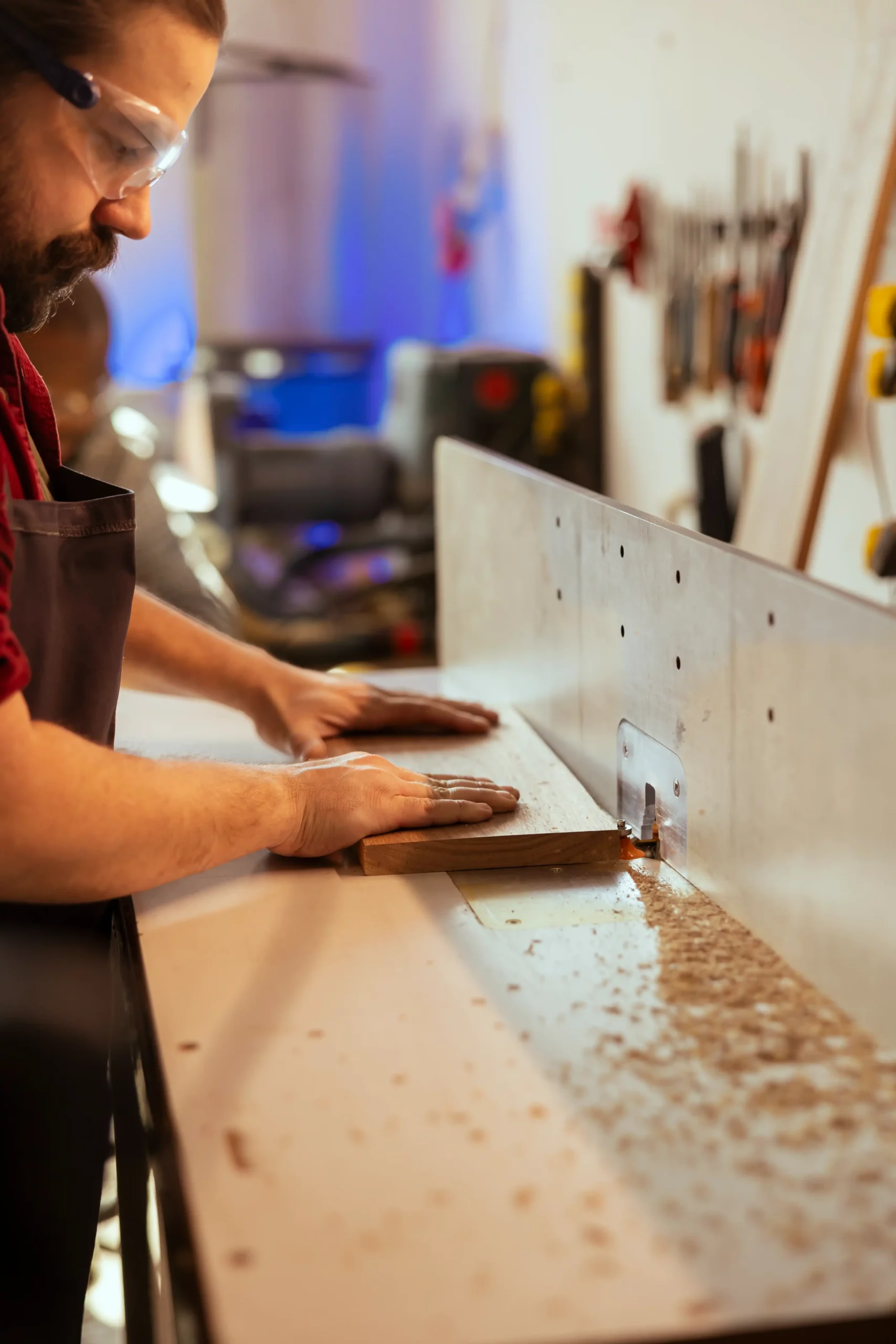
Melamine Board vs Laminated Marine Plywood: Which is Better for High-End Cabinet and Home Furniture Design?
1. Introduction Material choice plays a vital role in achieving both strength and attractive appearance in high-quality cabinetry and furniture design. Proper board material determines the overall look. Proper board material also affects ongoing performance, safety for the environment, and expenses for upkeep. This article examines melamine board vs laminated marine plywood. This article presents a complete comparison. Such a comparison assists homeowners, designers, and builders in selecting wise options for tailored interior projects. Homeowners often seek materials that balance cost and quality, while designers focus on style that lasts. Builders value options that install easily and endure daily use. Understanding these materials helps everyone involved make better decisions from the start. 2. Overview of Melamine Board 2.1 What is Melamine Board? Melamine board comes from pressing a decorative melamine resin film onto a base like particleboard or MDF using high heat and pressure. Melamine board offers solid features that natural wood lacks. Solid features encourage manufacturers to use melamine board often in interior setups and for finishing various furniture pieces and cabinets. Manufacturers appreciate how melamine board simplifies production and cuts down on finishing steps later on. 2.2 Advantages Melamine boards offer broad choices for styles, such as matte finishes, shiny surfaces, wood-like grains, and stone patterns. Key advantages include being kind to the environment, standing up to scratches, handling warmth well, guarding against rust, resisting water, being simple to work with, featuring varied designs, and coming in many shades. These traits render melamine board cost-effective and maintain a refined appearance that suits modern rooms. Users find melamine board practical for everyday settings where appearance matters without high upkeep. 2.3 Suitable Cabinet Applications Homes on limited funds or with basic style preferences find melamine boards effective for wardrobes, storage units in living areas, or cabinets in offices. Melamine boards perform reliably in spots where moisture remains minimal. Such applications keep projects affordable and straightforward to complete. 3. Overview of Laminated Marine Plywood 3.1 What is Laminated Marine Plywood? Laminated marine plywood consists of several layers of hardwood veneer joined with water-resistant glue and covered by tough laminates. Laminated marine plywood is a high performance engineered wood product specifically engineered to withstand harsh, high-moisture environments. Laminated marine plywood combines the structural integrity of cross-laminated veneers with specialized waterproof bonding and surface lamination. This build delivers superior toughness and steadiness, even in damp or outside settings. Builders rely on laminated marine plywood for demanding environments where standard materials fall short. 3.2 Advantages Laminated marine plywood stands out for excellent bending power, defense against dampness, protection from termites, and enduring firmness. Superior moisture and water resistance.Laminated marine plywood combination of WBP phenolic adhesive,gap free-core construction and optional surface laminated makes it highly resistant to repeated moisture. High structural strength and dimensional stability. Cross lamination ensures that the panel is strong in both directions with high loading capacity and screw holding strength. be These attributes position laminated marine plywood as ideal for upscale home builds that demand robust endurance. Homeowners choose laminated marine plywood for peace of mind in long-term use. 3.3 Suitable Cabinet Applications This material suits custom kitchens or bathrooms best. Exposure to warmth and dampness in these areas requires dependable results. Laminated marine plywood meets those needs without compromise. 4. Comparison of Melamine Board and Laminated Marine Plywood 4.1 Aesthetic Design Melamine boards deliver numerous shade options that match any current decor approach. Laminated marine plywood reveals genuine wood grains that elevate the sophistication of top-tier furniture creations. Designers often pair melamine boards with bold colors for vibrant spaces, while laminated marine plywood adds warmth through natural tones. 4.2 Durability and Long-Term Performance Melamine boards manage arid conditions effectively. However, melamine boards withstand extended damp contact poorly. Laminated marine plywood excels in water defense. Dense inner layers connect via WBP phenolic adhesive, which prevents expansion or twisting. This edge makes laminated marine plywood preferable for variable conditions. 4.3 Cost and Budget Melamine boards start at lower prices. However, melamine boards might require earlier swaps in moist areas. Laminated marine plywood demands a higher initial outlay. Still, laminated marine plywood delivers greater value in the long run due to extended life and solid build. Budget planners weigh these factors to align with project goals. 5. Choosing the Right Material for Your Cabinet Project 5.1 Budget-Conscious Projects Homeowners seeking budget-friendly but appealing answers turn to melamine boards. Melamine boards deliver tailored surfaces at reduced expense. Melamine boards retain a strong visual draw. Such choices keep projects accessible without sacrificing style. 5.2 High-End Custom Projects Upscale kitchens or custom wardrobes gain from laminated marine plywood’s power and smooth grain. QIANGYI PLYWOOD provides customized thicknesses (5mm–25mm), surface treatments (wood grain, marble grain,texture, pet matte or glossy), and eco-certified adhesives meeting ENF or E0 standards. Clients appreciate how QIANGYI PLYWOOD tailors options to exact specifications for seamless integration. 5.3 Projects Requiring High Durability Durability counts above all in cases like busy commercial kitchens or homes near the sea. Laminated marine plywood ensures reliable service across varying weather patterns. Professionals select laminated marine plywood to avoid future repairs and maintain quality standards. 6. Environmental Suitability: Kitchen and Bathroom Cabinets 6.1 Kitchen Cabinets Kitchens demand materials that resist warmth and dampness. Laminated marine plywood maintains size consistency near cooktops or basins thanks to Class II waterproofing strength. Cooks and families benefit from this reliability during meal prep and cleanup routines. 6.2 Bathroom Cabinets Bathrooms face daily shifts in dampness. Laminated marine plywood combats mold buildup and bending. This basic setting pairs with powerful water defense, nearly eliminating conditions for mold to thrive. Users notice cleaner, safer storage over time. 6.3 Living Room or Bedroom Cabinets Areas with little dampness, such as sleeping quarters or gathering spaces, suit melamine boards. Melamine boards offer sufficient toughness. Melamine boards permit inventive surface changes at low expense. Residents enjoy flexible designs that enhance comfort without added worry. 7. QIANGYI PLYWOOD In The Fair QIANGYI PLYWOOD emerges as a dedicated producer founded in Dongguan back in 2004. QIANGYI PLYWOOD operates four green manufacturing sites. These sites generate more than six million sheets each year throughout China’s key regions. QIANGYI’s glutinous rice glue multifunctional laminate plywood, recognized as the “Nine-sided Warrior” within the field, attains advanced ENF-grade eco-protection with no formaldehyde release. This product supplies termite-proofing, fire retardancy (B1 grade), anti-deformation firmness, noise reduction, and warmth tolerance—traits that reshape eco-conscious high-end cabinet work for all tailored residential endeavors globally. QIANGYI PLYWOOD commits to innovation that supports builders and homeowners alike in creating durable, stylish spaces. FAQ: Q1: Is melamine board prone to warping? A: Yes, if exposed to excessive moisture over time; melamine board performs best in dry indoor spaces such as wardrobes or study cabinets. Moisture control proves essential for melamine board longevity in these setups. Q2: Can laminated marine plywood be used for modern kitchen designs? A: Absolutely; smooth PET-faced surfaces on laminated marine plywood match current aesthetics while ensuring water resistance suitable for cooking areas. Modern designs blend form and function seamlessly with this choice. Q3: Is the price difference between melamine board vs laminated marine plywood justifiable? A: Yes; laminated marine plywood offers higher structural reliability and lifespan—making laminated marine plywood a worthwhile investment for premium interiors. Value emerges from reduced replacements and sustained quality. Q4: What makes QIANGYI PLYWOOD’s laminated products eco-friendly? A: QIANGYI Glutinous Rice Glue Functional Laminate Plywood uses formaldehyde-free Lingmei Glutinous Rice Glue made from pure plant/mineral extracts ensuring safety and stability without harmful substances. Natural sourcing aligns with green building practices today. Q5: Can QIANGYI’s laminated marine plywood be customized? A: Yes, we support customized sizes (1220×2440mm/1220×2800mm), veneers (wood grain/matte/glossy), and core materials (eucalyptus/fir/pine), ensuring a perfect fit for any project requirement. Customization allows precise matching to unique design visions and space needs.
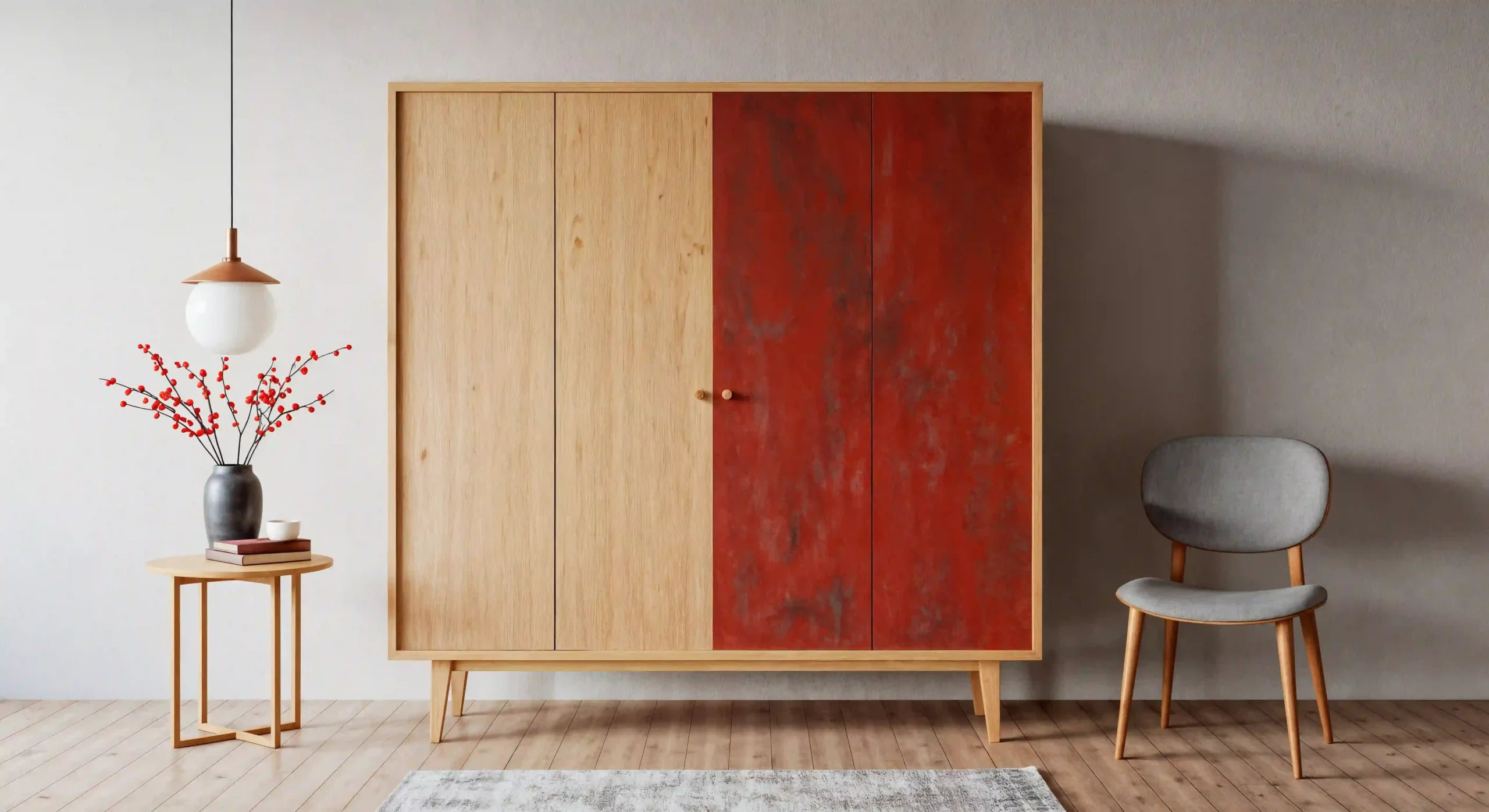
MDF Cabinet/Wardrobe: A Stylish and Modern Trend
I. Why MDF Cabinets & Wardrobes Are Trending Current interior design moves quickly from heavy, separate furniture to smooth, built-in options. Homeowners and designers now favor combined storage setups that enhance practicality and preserve visual balance. The change points to a wider way of life focused on tidy, basic, and mess-free home areas. MDF cabinets and wardrobes lead this change. When people inquire about what an MDF cabinet is or whether MDF cabinets work well, the response centers on their flexibility, low cost, and the surface that allows many custom styles. MDF (Medium Density Fibreboard) strikes a fine match between low price and good looks, so it serves as a top choice for homes and business spaces alike. Melamine MDF board comes from an MDF (Medium Density Fibreboard) base board plus melamine paper, shaped through high-temperature hot pressing. The main benefits include eco-friendliness, scratch resistance, heat tolerance, rust resistance, water resistance, ease of use, and many pattern and color options. These features show why MDF wardrobes and cabinets keep leading current design styles. II. The Design Value of MDF Cabinets & Wardrobes MDF cabinet work improves both storage order and visual appeal. Built-in wardrobes form a smooth appearance by fitting into walls or corners without losing room. The outcome brings a consistent design style that shows polish and neatness, which fits well in current homes that stress ease. MDF’s even surface permits exact cuts and finishes, so it supports complete custom setups like tall wardrobes or wall-hung cabinets. Proper finishes, such as matte, gloss, or woodgrain, let an MDF cabinet copy real materials and still hold up strong. Melamine decorative board features include diverse patterns that complement vivid colors and shine, applied as a covering on different wood panels that offer firm strength, scratch resistance, and solid heat tolerance. Such a range lets owners gain a high-end style without solid wood costs. III. Top MDF Cabinet & Wardrobe Design Trends in 2026 1. Minimalist Flat Panel Cabinets Flat-panel MDF kitchen cabinets capture the core of basic style with plain surfaces lacking clear handles or borders. The plain nature boosts openness in tight areas and highlights shapes and feel. 2. Vertical Slatted Cabinet Design Vertical slats bring flow and dimension to the room’s interior. The straight lines stretch walls or wardrobe fronts in sight, giving a sense of added height, a common pick for city flats. 3. Built-in Wardrobes with Hidden Doors Hidden-door wardrobes fit right into nearby walls and allow steady movement between storage spots and daily areas. The method boosts room flow and keeps practical use intact. 4. Mixed Materials (Wood + Glass + Metal) Mixing melamine-faced MDF with glass sheets or metal edges brings high style to room setups often found in small luxury hotels or office suites. QIANGYI Wood Industry provides melamine/PET faced boards with surface options like matte, textured, glossy, embossed or magic finishes. The variety in materials backs these combined styles well. IV. MDF Cabinet & Wardrobe Design Ideas for Different Spaces 1. Living Room Custom TV wall cabinets made from melamine-faced MDF mix open shelves with hidden storage spots for media gear or display pieces. 2. Bedroom Tall custom wardrobes built with green boards form quiet settings without sight of mess and make the most of the upright room space. 3. Commercial Spaces In office or shop areas, coated MDF display cabinets aid brand goals while offering plenty of neat storage for papers or goods. Applications include home decoration, cabinets, wardrobes, and furniture. The flexibility of these panels fits them for varied settings from warm bedrooms to work areas. V. Advantages of MDF in Cabinet & Wardrobe Design MDF gives better evenness than real wood because it avoids knots or wood line flaws that make finishing hard. The material suits custom work well, ideal for special cabinet jobs needing exact forms or detailed designs. The environmental grades available are E0, E1, and E2. Such levels keep formaldehyde output low to support safe indoor air, a key point in checking if MDF cabinets suit health-aware homes. Additionally, the product has earned certifications like CARB-P2, EPA, CE, FSC, and ISO. These certifications verify adherence to global environmental guidelines. At the same time, the product delivers price benefits compared to solid wood options. VI. Key Design Considerations for MDF Cabinets & Wardrobes Adding lights inside shelves brings dimension to the cabinet’s interior and improves the mood after dark. Designers need to match colors from cabinet faces to floor covers to hold steady balance across the space. Size counts too: large wardrobe fronts can overwhelm small rooms unless offset by plain shades or light-bouncing finishes like gloss white PET film surfaces available from QIANGYI PLYWOOD collections. Surface finish choice shapes the touch feel, matte types come across gentle but fresh, glossy types bounce light well, textured woodgrain brings a cozy feel like real wood covers. VII. Why MDF Cabinets & Wardrobes Are the Ideal Choice for Modern Projects MDF cabinet work matches bendability with price savings, traits needed in big home builds or small upgrades. The fit with different covers allows top results even with set budgets. QIANGYI Wood Industry was founded in Dongguan in 2004, covering four ecological board production bases with a daily production of 20000pcs. Such a scale ensures stable supply chains for customized orders worldwide. A reliable supplier like QIANGYI guarantees consistent quality through professional QC teams, ensuring every panel meets CARB-P2/EPA/ISO/FSC/CE certifications. Clients benefit from OEM customization services, including color matching, veneer selection, thickness adjustments, and rapid delivery through the nationwide warehouse network covering multiple provinces across China. For projects seeking eco-friendly materials without compromising beauty or performance standards, QIANGYI’s melamine MDF cabinet boards remain an excellent solution combining sustainability with modern elegance. Call to Action Explore customized cabinet and wardrobe solutions tailored precisely to your project needs using certified eco-friendly boards from QIANGYI PLYWOOD. Request free samples today through customer service channels to experience premium craftsmanship firsthand—where innovation meets environmental responsibility in every panel produced by QIANGYI. FAQ Q1: What is an MDF cabinet? A: An MDF cabinet relies on Medium Density Fibreboard for its main structure. This even man-made wood product serves perfectly for coating or covering with layers, including melamine films from QIANGYI PLYWOOD. Q2: Are MDF cabinets good for kitchens? A: Yes. Melamine-faced MDF kitchen cabinets withstand moisture and heat more effectively than numerous natural woods if sealed correctly. These cabinets also deliver a consistent texture that fits modern minimalist styles. Q3: How eco-friendly are QIANGYI’s MDF wardrobes? A: All boards meet ENF/E0 emission standards verified by CARB-P2/EPA certifications, ensuring safe indoor air quality with ultra-low formaldehyde release levels ≤0.025mg/m³. Q4: Can I get customized sizes or colors for QIANGYI PLYWOOD cabinets? A: QIANGYI supports OEM services, allowing customization of thickness (5–25mm), surface type (matte/glossy/woodgrain), and color tone matching existing décor themes perfectly. Q5: How durable are QIANGYI PLYWOOD products compared to solid wood? A: Thanks to advanced manufacturing processes, including high-temperature hot pressing and strong gluing technology using eco-adhesives like glutinous rice glue, plywood systems from QIANGYI PLYWOOD factories established since 2004—these panels offer excellent stability against deformation while remaining cost-effective choices for long-term use.
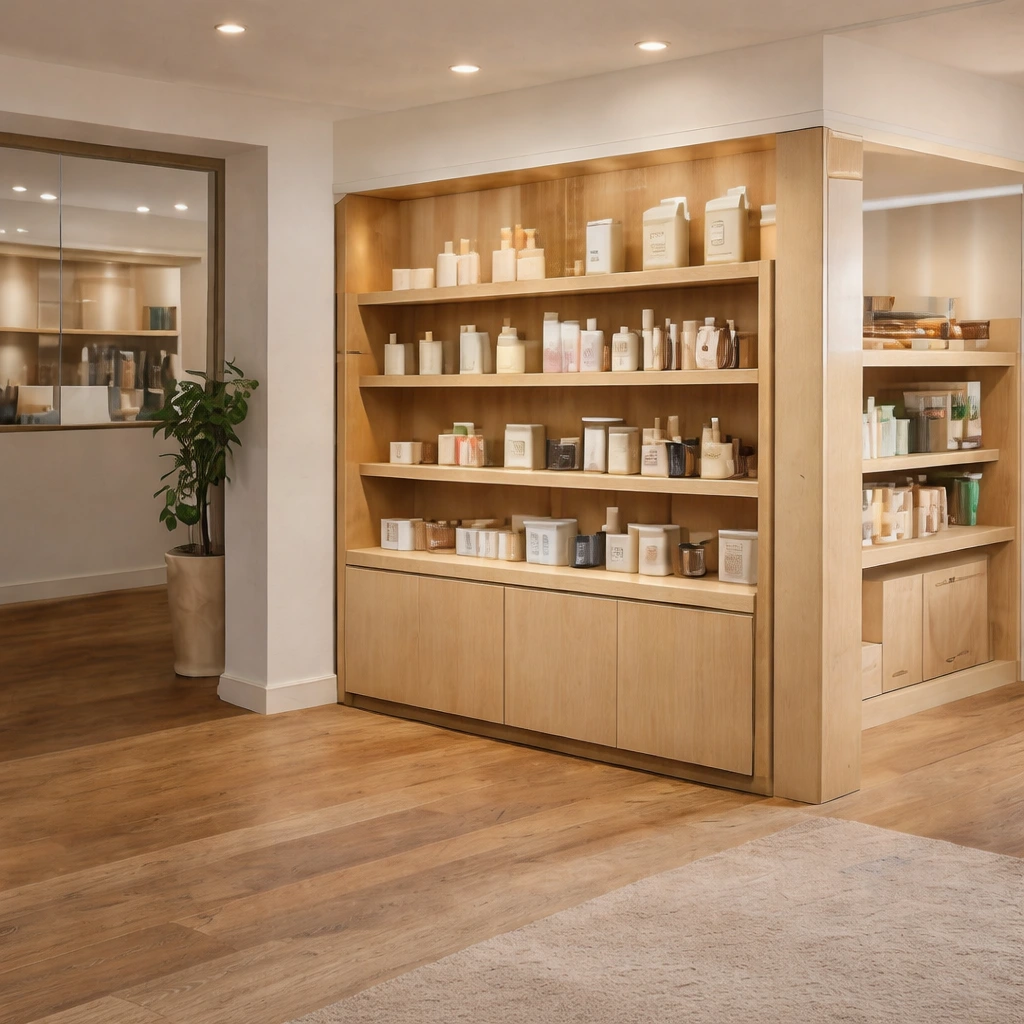
What Is MDF? Complete Guide to Uses, Benefits & Durability
1. What Is MDF (Medium Density Fiberboard)? Definition Engineers produce MDF (Medium-Density Fiberboard) in the form of an engineered wood panel. This method squeezes small wood fibers along with artificial resins beneath intense heat and strong pressure. Builders select MDF for a dependable and affordable substitute compared to solid wood. Product Description MDF panels come in various thicknesses (commonly 3mm–30mm), sizes (such as 1220×2440 mm), and density ranges (typically 600–800 kg/m³). MDF panels feature: A smooth, flat surface suitable for painting, laminating, or veneering A uniform internal structure without knots or grain Consistent physical performance, including good dimensional stability and machinability Production Process (Overview) The manufacturing of MDF generally includes three main steps: 1. Fiberization – Wood residues are broken down into fine fibers 2. Mixing – Fibers are blended with resin and additives (e.g., wax) 3. Hot Pressing – The mixture is pressed into boards under high temperature and pressure 4. Panels are cooled, sanded, trimmed, inspected, and packed. MDF vs Solid Wood (Key Differences) Texture: MDF has no natural grain, while solid wood shows visible grain patterns Uniformity: MDF is more even and stable; solid wood may warp or crack Cost: MDF is more affordable than solid wood Strength: Solid wood is generally stronger for load-bearing applications Customer Concern: Is MDF real wood or fake wood? MDF comes from real wood fibers. However, solid wood keeps natural textures such as grain or knots. MDF serves as a manufactured (engineered) material. MDF offers more consistent properties. 2. Key Characteristics of MDF 2.1 Advantages of MDF o Smooth Surface: Ideal for painting and veneering. o Great Paintability: The absence of grain provides a smooth finish. o Simple Machining: Material routes, cuts, or drills neatly. Splintering does not occur. o Budget-friendly: Delivers a premium appearance. The cost stays below that of hardwood. o Steady Dimensions: Warping or cracking happens less often. This occurs versus solid wood. 2.2 Disadvantages of MDF o Poor Water Resistance: Standard MDF swells when it contacts moisture. o Low Screw-holding Strength: Screws might loosen gradually. This happens without correct pre-drilling. o Heavy: It packs more density than particle board. Large panels become tricky to manage. o Formaldehyde Emissions: Certain types give off VOCs. They do this without a low-emission label. Customer concern addressed: “What are the real downsides of MDF?” Standard MDF shows limited moisture resistance and structural strength. High-quality, certified products like those from QIANGYI PLYWOOD reduce these risks. The reduction happens in a significant way. Common Uses of MDF 3.1 Residential Applications Home builders use MDF in homes for: · Cabinets and wardrobes · Interior doors · Drawer bottoms and backs · Skirting boards and decorative moldings 3.2 Commercial Applications Commercial spaces benefit from MDF in: · Shopfitting and displays · Office desks and storage · Exhibition stands 3.3 Where MDF Is NOT Recommended Standard MDF does not suit: · Bathrooms or wet zones (unless moisture-resistant grade) · Exterior furniture exposed to the weather Customer concern addressed: “Is MDF suitable for my specific project?” Moisture-resistant MDF boards suit kitchens or humid areas. QIANGYI’s multifunctional glutinous rice glue plywood works well in such places. 4. MDF vs Other Wood-Based Panels Strength Moderate Low High Highest Water Resistance Low (standard) Low Moderate to High High Surface Quality Smooth Rougher Depends on face veneer Natural grain Cost Affordable Cheapest Expensive Most expensive Best Use Furniture, Cabinets Budget Furniture Flooring, Load-bearing Premium Furniture (1) MDF vs Particle Board Both MDF and particle board qualify as engineered woods. Finer fibers in MDF create a smoother surface,stable,better screw holding, less swelling. The smooth surface suits painting. Particle board shows a rough texture,weaker, cheaper, swell easily in moisture. (2) MDF vs Plywood Layered veneer construction gives plywood superior structural strength. However, MDF provides a better surface finish. The finish works for laminating or veneering work. (3) MDF vs Solid Wood Solid wood stays stronger but costlier. MDF offers a consistent texture. The price point remains lower. 5. MDF Durability: How Long Does MDF Last? A well-installed and properly maintained MDF product can last over 10–20 years. Longevity depends on several factors: · Board Density: Higher density equals better durability. · Moisture Exposure: Water can degrade unsealed edges quickly. · Edge Sealing & Finishing: Essential for long-term performance. · Load-bearing Structure: Should be used within its strength limits. QIANGYI’s products feature professional edge sealing and precision manufacturing. These features ensure maximum lifespan. 6. Moisture Resistance & MDF Grades Explained Standard MDF absorbs moisture easily. Humid environments require special options: · Moisture-Resistant MDF (MR-MDF like green core): Moisture resistant, for humid areas like kitchens, bathrooms,laundry. . HMR MDF: High moisture resistance, for high-humidity environments · Fire-Retardant MDF: Used in public buildings and kitchens. · ENF/E0/E1 Grades: Indicate levels of formaldehyde emissions. QIANGYI’s glutinous rice glue multifunctional board covers eight aspects. Class II waterproofing forms one aspect. 7. Is MDF Safe? Formaldehyde & Environmental Considerations MDF can release formaldehyde unless certified low-emission:. Formaldehyde emissions concern engineered boards. Our products have certificates: CARB-P2, EPA, ISO, FSC, CE, and all kinds of international certifications. Board grade(Formaldehyde emission): HENF(≤0.020mg/m³), ENF(≤0.025mg/m³), E0(≤0.050mg/m³), E1(≤0.124mg/m³). 8. How to Choose the Right MDF for Your Project Customized MDF solutions require careful selection: · Choose thickness based on application (3mm–30mm common) · Use MR-MDF in humid areas like kitchens. · Pick surface finish: matte, glossy, textured, or PET. · Seal edges, especially if exposed to moisture. QIANGYI offers OEM service for specific requirements like thickness, veneer type, color, and surface texture. Custom projects benefit from QIANGYI’s OEM service. The service allows customized mdf fiberboard solutions in different thicknesses, colors, textures, and environmental grades (E0/ENF). Proper edge sealing prevents swelling. 9. Installation & Handling Tips Best results come from these practices: · Use carbide tools for cutting. · Pre-drill holes to prevent splitting · Protect edges with PVC edge banding · Store panels flat in dry environments QIANGYI provides plastic edge sealing strips tested for durability. Customer concern addressed: “Will MDF crack, chip, or fail during installation?” Proper handling prevents damage. QIANGYI’s professional QC ensures product consistency. 10. Maintenance & Care for MDF Products Maintenance keeps the appearance fresh: · Clean with a damp cloth; avoid soaking · Seal edges to prevent water absorption · Use furniture markers to repair small chips · Avoid overloading shelves or unsupported spans. Customer concern addressed: “How do I keep MDF furniture looking new?” Durable finishes on QIANGYI melamine-faced panels make maintenance easier. 11. Common Customer Pain Points When Buying MDF Products · Confusion over grades like E0 vs ENF · Fear of edge swelling in humid conditions · Concerns about VOC emissions · Worry about screw-holding failure · Risk of chipping during transportation 12. How Quality MDF Products Solve These Problems QIANGYI uses high-density core materials and moisture-resistant formulations. All panels receive testing and marking with anti-counterfeiting measures before dispatch to shops. Edge sealing and precision finishing enhance durability during installation. QIANGYI PLYWOOD Solutions (1) Founded in 2004 · 20+ years experience · 4 production bases · 6+ million sheets/year (2) ENF-grade eco-friendly adhesives with zero-benzene glue technology (3) Strict QC-controlled production · Consistent quality · 10,000+ m² warehouse capacity (4) OEM customization (color / veneer / thickness) · Fast global delivery within 3–5 days 13. Final Thoughts: Is MDF Right for You? MDF suits budget-friendly, adaptable options with even surface choices. Damp areas or upscale jobs need tailored damp-proof or flame-resistant types. Quality matters most with QIANGYI PLYWOOD’s certified ENF-grade boards. Custom finishes and core options fit exact needs. FAQ Q: What is the difference between E1 and ENF grade MDF? A: ENF grade has the lowest formaldehyde emission (≤0.025mg/m³). ENF proves safer than E1 (≤0.124mg/m³). QIANGYI offers ENF-certified options ideal for eco-conscious interiors. Q: Is melamine-faced MDF better than plain? A: Melamine-faced choices withstand scratches, stains, and moisture more effectively. QIANGYI offers melamine MDF board in multiple finishes. Options cover glossy, matte, and textured styles. Q: How much does the custom MDF board cutting design price vary? A: Prices depend on thickness, core type, surface finish, and customization. Contact QIANGYI PLYWOOD experts for detailed pricing on custom solutions.
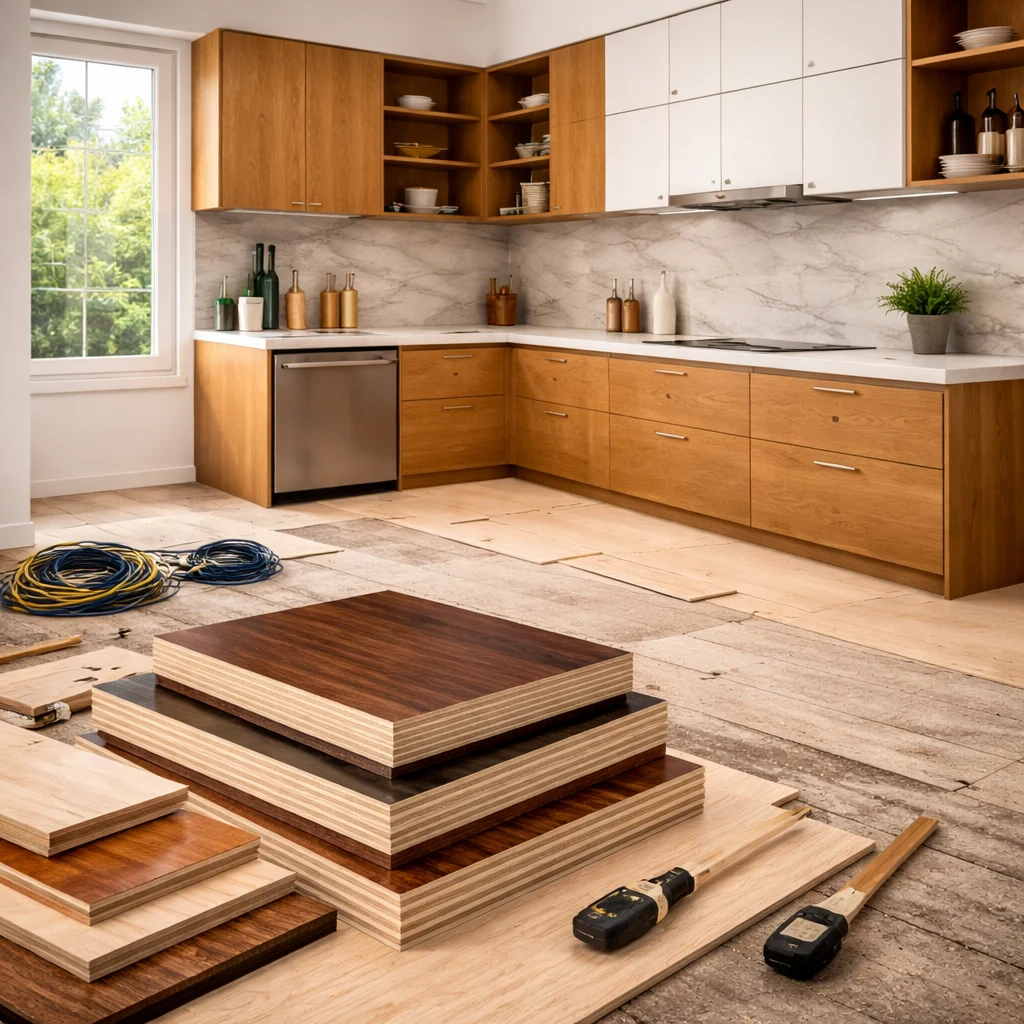
Marine Board vs Plywood – Which One Is Better for Your Project?
Choose the Right Wood Panel for Construction and Furniture 1. Core Features of Marine Board Marine board, also known as marine plywood or marine composite plywood, is a specialized type of material designed for high-moisture,harsh, or marine environment. It uses effective waterproof bonding methods. Marine board is made with high quality wood veneers and water proof adhesives (phenolic resin) that resist water absorption, rot, and mold. People often ask—is marine plywood waterproof? Yes, marine plywood gets special treatment for better waterproof qualities. This makes it a good choice for wet or outside areas like bathrooms, kitchens, boats, or projects near the coast. The dense build of marine board gives it solid strength and helps prevent bending or separating, even after long contact with damp air. Its lasting quality lets it hold up well in uses like decking, outside coverings, or furniture in moist spots. QIANGYI PLYWOOD makes China waterproof marine plywood that follows global standards such as CARB-P2, EPA, CE, FSC, and ISO certifications. Every panel goes through careful checks for quality. This ensures steady results and safety in homes or business settings. QIANGYI glutinous rice glue plywood is a newer type of multi-layer plywood. It builds on a hundred years of progress. It applies 0-formaldehyde, 0-benzene, and Class II water proof magnesium glutinous rice glue. As a result, it offers great environmental benefits and reaches super ENF-level protection. This approach provides QIANGYI’s marine board with strong water resistance. At the same time, it keeps an eco-friendly makeup that fits current green building demands. 2. Basic Structure and Advantages of Plywood Plywood is a useful wood panel. It consists of several layers of thin wood sheets glued together at right angles under heat and pressure. This setup boosts its power and steadiness. It also lowers the chance of breaks or twists, unlike solid wood pieces. What is plywood, and what is it used for? Plywood is a tough and adaptable wood panel. Builders and makers use it in many construction and furniture tasks. These include cabinets and wardrobes, as well as floor setups and wall covers. QIANGYI PLYWOOD supplies laminated melamine-faced plywood. Customers can choose options like matte or glossy looks, melamine or PET surfaces, and various core woods such as eucalyptus or fir. Sizes available include marine board 4×8, which matches common building needs well. The moisture level in each sheet stays between 8–12%. This control helps keep sizes steady in different weather conditions. Our Glutinous Rice Glue Functional Laminate Plywood has a Class II level of strong waterproof ability. If you soak it in water for 24 hours, its water uptake growth is just 2.4%. This makes it a highly water-resistant board for damp places. So, QIANGYI’s multi-purpose plywood serves as a fine option instead of older materials. It meets needs for both good looks and practical use. 3. Key Differences Between Marine Board and Plywood Both panels have close structural ideas. However, their results vary a lot based on the setting: Waterproofing:Marine board (or waterproof marine plywood) shows better waterproofing skills. It comes from unique glues and processes that block water entry. Regular plywood can handle some dampness. But it fails under ongoing water contact and breaks down. Durability:Marine board works best in hard outside or water-related spots. Think of docks or boat interiors. It fights off decay and splitting, even in severe weather. Cost-effectiveness:Standard plywood costs less for inside jobs with little moisture. This makes it right for making furniture or drywall panels. QIANGYI All-Weather glutinous rice glue plywood stands apart from common multi-layer boards in key ways. In performance, Our All-Weather glutinous rice glue plywood holds clear edges. It is healthier and lasts longer. It also stays safer, and feels more comfortable. These differences help QIANGYI’s products shine over rivals. They balance good prices with top-level toughness. 4. How to Choose the Right Panel for Your Project Picking between marine board and regular plywood relies mostly on the job’s surroundings: For damp or outdoor environments, go for Marine Board like QIANGYI’s China waterproof marine plywood. Its Class II waterproofing gives reliable service over time, even in heavy rain or high dampness. For indoor furniture, standard multilayer plywood offers enough power at lower prices. It also allows wide design choices through surface changes, such as textured melamine finishes. QIANGYI PLYWOOD handles full custom orders. These include picks for thickness (5–25mm), veneer style (wood grain/ marble grain/matte/glossy), core wood (eucalyptus/fir/pine), and eco level (ENF/E0/E1). Every custom plan follows green rules. This ensures safe air inside homes. Our Glutinous Rice Glue Functional Laminate Plywood keeps very steady results even in higher heat. At 35°C and 70% relative humidity, the formaldehyde release stays the same despite temperature shifts. This trait promises ongoing safety in wet southern areas and dry northern ones. 5. Advantages of QIANGYI PLYWOOD as a Plywood Supplier QIANGYI PLYWOOD has been making top building supplies since 2004. Our plywood production line brings more than 20 years of skilled work in regular and waterproof marine plywood panels. QIANGYI is a known name in Guangdong. It set up four production sites in Guigang, Guangxi. The total space covers over 100,000 square meters. It also built more than 20 storage spots in South China and East China. This setup creates a smooth supply network. Such a scale guarantees a steady product flow around the world. Product advantages include: High strength:Each sheet faces up to 28 quality checks. These run from raw material buys to final shipping. Stable structure:The multi-layer crossed design stops shape changes under load. Environmentally friendly glue:Formaldehyde-free Lingmei glutinous rice adhesive gives super ENF-grade safety. Strong durability:It shows proven defense against termites (9.5-level), cracking (level 5), flame (B1 rating), mildew (grade 0), and aging. Customization support & global export:OEM service is ready with bendable specs. This suits builders wanting custom fits. Our boards carry a 15-year warranty. QIANGYI handles after-sales care if issues arise. Plus, quick shipping is available. Near company stores, delivery can happen the same day. QIANGYI provides solid supply with expert advice before sales and help after. Industry Trends and CIFF 2026 Exhibition As the demand for green building materials grows, Marine Grade Plywood continues to thrive in global markets. QIANGYI PLYWOOD will showcase our upgraded glutinous rice glue marine-grade panels at the 57th China (Guangzhou) International Furniture Fair (CIFF) from March 28–31, 2026, at the Poly World Trade Expo Center, Booth 15.4FG010. Visit QIANGYI to explore eco-friendly, waterproof solutions and discuss customized, sustainable plywood options for your projects. FAQ Q1: Is marine plywood completely waterproof? A: Yes, QIANGYI’s marine board applies modern bonding methods. It reaches Class II waterproofing with ≤2.4% water absorption after 24 hours. This fits well in moist spots like kitchens or bathrooms. Q2: What makes multifunctional glutinous rice glue plywood unique? A: It mixes natural plant glues without formaldehyde. It also adds magnesium oxide flame blockers for B1 fire resistance. All this keeps indoor air free of smells. Q3: Can I use regular plywood outdoors if coated properly? A: Coatings offer short-term help against moisture. However, only certified waterproof marine plywood gives lasting outdoor strength without the dangers. Q4: Does QIANGYI provide customized sizes or colors of boards and plywood? A: Yes, all items, including laminated melamine-faced panels, allow changes in thickness, finish type (wood grain/marble grain/matte/glossy/PET), color shade, veneer pattern, or size, like the common marine board 4×8 format. Q5: How environmentally safe are QIANGYI panels? A: All panels hit super ENF standards. This means formaldehyde emissions are ≤0.020mg/m³. It protects health and works even in kids’ rooms or health centers. By blending new green glues with firm building steps, QIANGYI PLYWOOD brings strong solutions. Whether you want tough outside marine boards or nice inside multi-use panels, we aim to make building safer, greener, and more enduring.
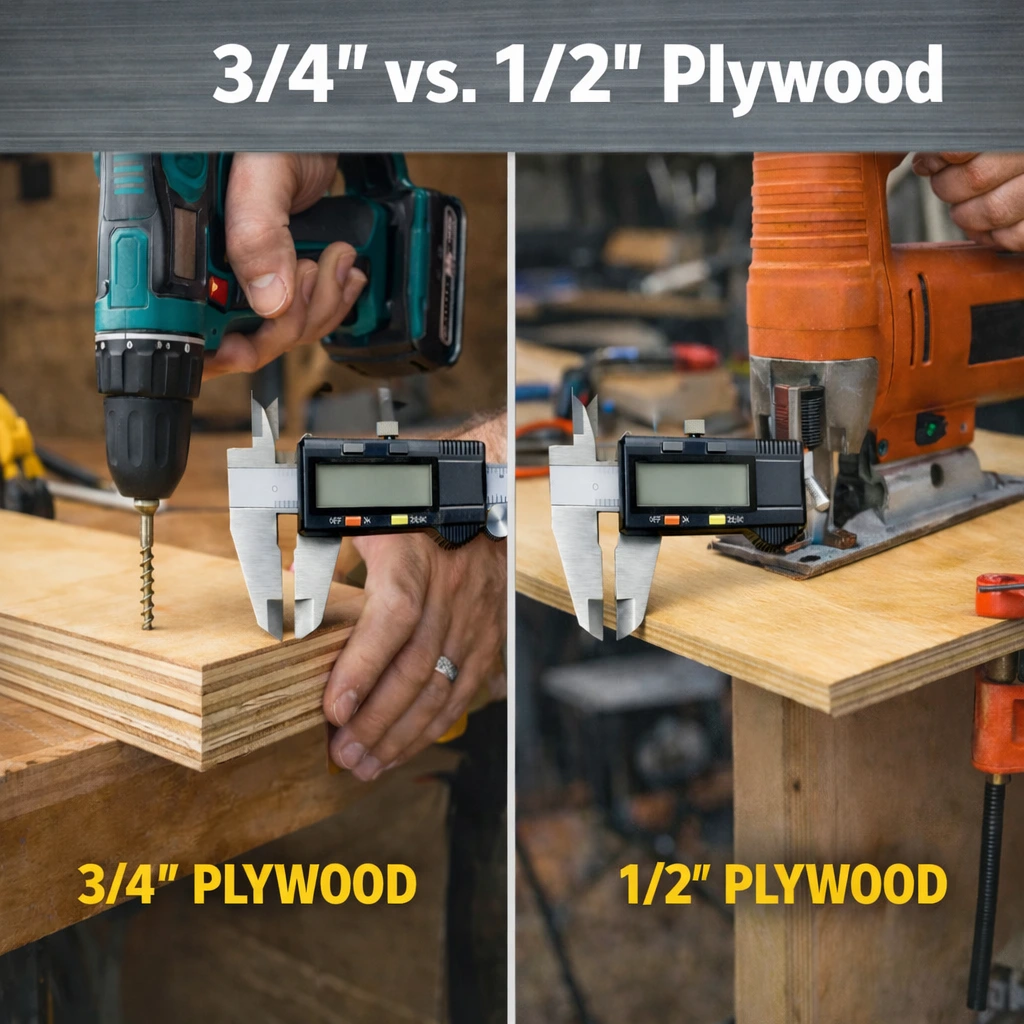
3/4″ vs. 1/2″ Plywood: A Comprehensive Guide to Load Capacity and Structural Integrity
3/4″ vs. 1/2″ Plywood: A Comprehensive Guide to Load Capacity and Structural Integrity I. Structural Performance: Load Capacity and Rigidity Comparison When assessing 3/4 inch plywood versus 1/2 inch plywood, the main factor is structural performance. The higher bending strength of 3/4 inch plywood fits perfectly for long-span structural uses like flooring, heavy-duty platforms, and industrial furniture. This added thickness provides better rigidity, which limits flexing or sagging under concentrated loads. 1/2 inch plywood may warp or droop when facing high weight over time, particularly in areas without support. The effect of thickness on resistance to twisting appears obvious. A 3/4 inch 4×8 plywood panel provides greater stiffness against twisting, thus maintaining shape stability under irregular pressure or vibration. QIANGYI glutinous rice glue plywood uses Lingmei glutinous rice glue as the adhesive, and the substrate consists fully of primary core boards with a continuous core. Common multi-layer boards employ urea-formaldehyde resin glue. They impose no particular demands on the core board. The continuous-core design delivers uniform load distribution over the entire sheet. This approach boosts general stability in tough applications such as subfloors and workbenches. II. Fastening Strength: Screw Holding Power and Long-Term Stability Fastening reliability marks another key difference between these two thicknesses. The thick inner layers of 3/4 inch plywood offer a firmer hold for screws and nails, which stops them from coming loose as time passes. QIANGYI glutinous rice glue plywood uses Lingmei glutinous rice glue, which creates a tight crystalline structure after hardening. It shows very high rigidity and resists taking in water or swelling easily. Thus, its ability to resist changes in shape matches that of particleboard. At the same time, it holds nails more firmly and lasts longer. In comparison, 1/2 inch plywood features thinner layers that might not secure fasteners well under moving loads or vibration, which can cause joint weakness in furniture or cabinetry facing regular motion. The lasting resistance to wear in 3/4 inch 4×8 plywood helps it keep structural soundness at vital connection spots—such as flooring joints or frame crossings—making it fit better for construction-grade tasks where lasting quality matters most. III. Application Guidelines: Heavy-Duty Structures vs Lightweight Interiors Selecting between these two types hinges on the needs of the application: Preferred for structural load-bearing areas:3/4 inch plywood performs best in bases, main frames, subfloors, stair treads, and industrial platforms where strength counts most. Its rigidity cuts down on bending even under heavy machines or steady foot traffic. Suitable for non-structural decorative components:1/2 inch plywood fits back panels, ceiling linings, curved walls, or decorative partitions where cutting weight matters more than strength. Always avoid using thin panels like 1/2 inch sheets in safety-critical load-bearing structures such as raised stages or flooring systems requiring high stiffness levels. QIANGYI All-Weather glutinous rice glue plywood has clear benefits: it proves healthier by meeting the super ENF environmental protection standard, remains odorless, and offers anti-mildew and antibacterial features; it lasts longer with resistance to deformation, waterproof and moisture-proof qualities, insect-proof and termite-proof protection, aging resistance, and crack resistance; it stays safer through flame-retardancy; and it provides more comfort via heat and sound insulation. These traits position QIANGYI PLYWOOD’s thick multifunctional plywood as a solid choice for both residential structures and commercial interiors that need dependability over many years. IV. Cost Efficiency: Upfront Investment vs Lifecycle Value Although 1/2 inch plywood seems cheaper at first because of less material use and lighter weight—which eases handling—its value over time drops if extra support proves necessary down the line. Thinner panels often call for added framing or support beams to stop sagging under weight. Such extra expenses soon cancel out the starting savings. 3/4 inch plywood brings stronger performance over its full life with few upkeep demands. The bonding power of the high-strength all-weather glutinous rice glue plywood reaches 21 while that of ordinary multi-layer board reaches 18; the nail-holding force hits 1370, while that of ordinary multi-layer board hits 1250; the static bending strength measures 67 in the parallel direction and 59 in the perpendicular direction, while that of ordinary multi-layer board measures 51 and 40, respectively. These figures show why thicker panels endure longer without warping or separating, even in changing temperature or humidity settings. Thus, a larger initial outlay might apply for 3/4 inch marine or melamine plywood, but its lasting nature cuts down on replacement needs, yielding better value over time, especially in kitchens, bathrooms, or outdoor furniture facing moisture. V. QIANGYI Quality: Focused on 3/4″ Industrial-Grade Customization QIANGYI PLYWOOD distinguishes itself through an advanced production method that draws from old Chinese skills blended with current engineering accuracy. The Great Wall has endured for thousands of years, not just from its thick bricks and stones but also from the adhesives in its construction. This tradition lives on in QIANGYI PLYWOOD’s second-generation glutinous rice glue technology that reaches top bonding power without formaldehyde release. QIANGYI glutinous rice glue plywood – The “Nine-sided Warrior” of the Board Industry – employs 0-formaldehyde magnesium glutinous rice glue, resulting in outstanding environmental results reaching super ENF-level environmental protection. Each sheet faces ultra-long cold pressing (24 hours) followed by a full curing time over fifteen days to guarantee top dimensional steadiness even under severe humidity or pressure shifts. QIANGYI supplies tailored layer numbers—from five-ply decorative sheets to eleven-ply structural-grade boards—and diverse core materials like eucalyptus or fir based on project demands. The company’s multifunctional marine-grade boards merge waterproofing (Class II), fire retardancy (B1 rating), termite resistance (9.5 level), anti-deformation ability (<2.4% expansion rate), and antibacterial guard (>99%). These properties render QIANGYI’s 3/4 inch 4×8 multifunctional plywood a trustworthy pick for demanding construction frames as well as high-end interior design tasks seeking sustainability. FAQ Q1: Can I use 1/2 inch plywood for flooring? A: It’s not recommended because thinner sheets tend to flex under load; instead, choose 3/4 inch marine or melamine plywood from QIANGYI PLYWOOD, which provides superior rigidity for subfloors. Q2: What makes QIANGYI’s glutinous rice glue different from regular adhesives? A: Lingmei Glutinous Rice Glue comes from pure plant/mineral extracts, ensuring safety and stability without aldehyde chemical reactions, thus eliminating formaldehyde at its source. Q3: Is QIANGYI multifunctional plywood suitable for humid climates? A: Yes. It features Class II waterproofing with less than 2.4% expansion after 24-hour immersion, making it ideal for southern regions or kitchen installations. Q4: Can I request customized thicknesses beyond standard sizes? A: Yes, QIANGYI PLYWOOD provides fully customized options, including thicknesses up to 25mm with different veneer faces such as PET gloss or matte melamine finishes. Q5: How does QIANGYI ensure product quality consistency? A: Every batch undergoes strict inspection through an internal laboratory co-built with Guangxi Product Quality Inspection Institute, ensuring each panel meets ENF environmental standards before shipment. QIANGYI PLYWOOD is the first company in the world that merges traditional craftsman skills with the most innovative and sustainable approach of modern eco-engineering. Our mission is to provide long-lasting customized solutions by utilizing glutinous rice glue multifunctional boards to make the sustainable heavy-duty application possible all over the world.
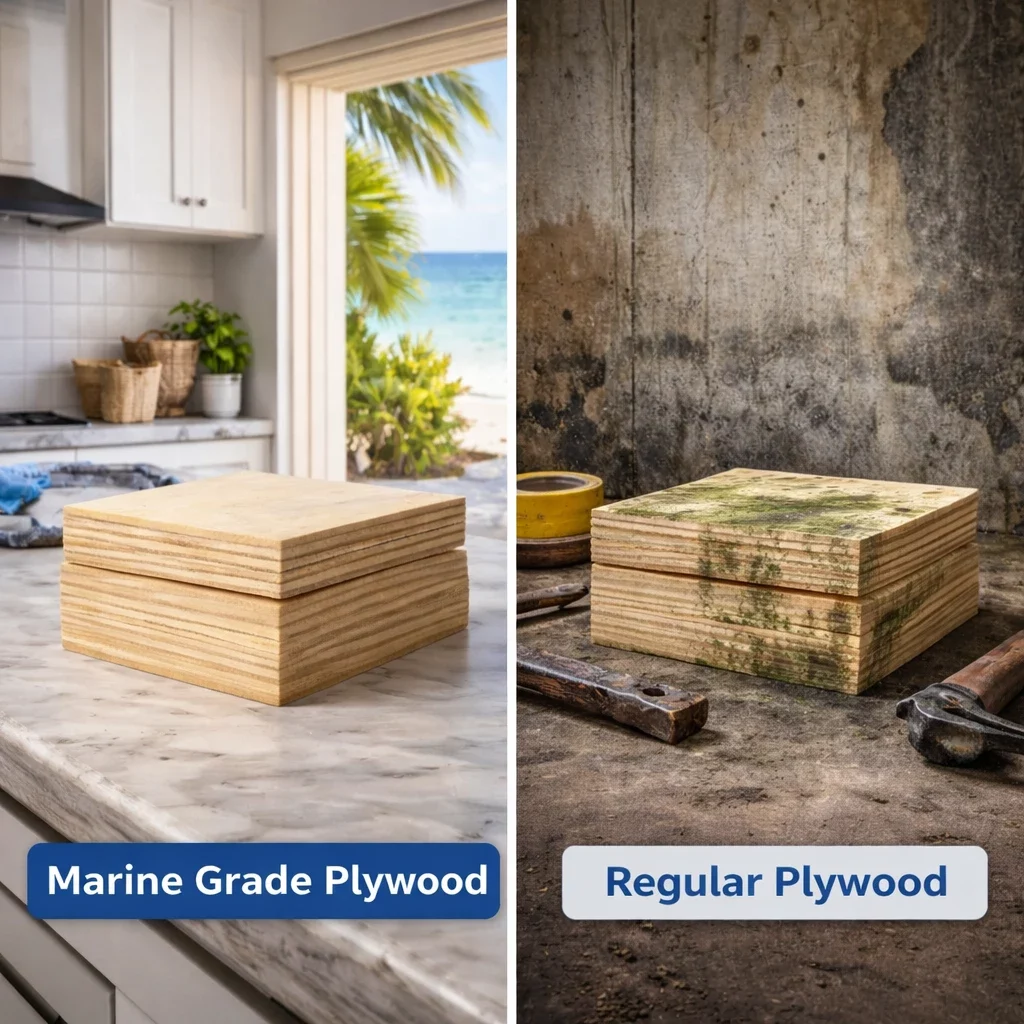
Marine Grade Plywood vs Regular Plywood: Is It Worth Paying More for Marine Grade Plywood?
In kitchens, bathrooms, and coastal projects, humidity has a big role in determining the stability of wooden panels. Regular plywood often swells, splits, warps, or even grows mold after long exposure to moisture. Problems caused by moisture attract termites. These problems also reduce the lifespan of furniture. Problems caused by moisture lead to higher maintenance costs over time. Marine Grade Plywood offers better resistance to water and strength. Marine Grade Plywood carries a higher cost. The main question stands: Is it truly worth paying more for marine-grade plywood? This article reviews structure, waterproof ability, durability, and long-term expenses. The purpose is to help homeowners and builders make a wise decision. QIANGYI PLYWOOD’s glutinous rice glue multifunctional plywood will serve as an example of cutting-edge marine-grade development that blends strength, eco-friendliness, and customizability. Why is Marine Grade Plywood more expensive? The higher cost of marine plywood primarily stems from its enhanced structural design and adhesive system. 1. Structural Costs: Marine-grade boards provide a complete core design free of gaps. These boards use AA-grade eucalyptus cores that offer strong density. Strong density boosts load-bearing capacity and enhances nail-holding power. Workers select each thicker veneer layer with care and join layers without gaps. QIANGYI All-Weather glutinous rice glue plywood uses Lingmei glutinous rice glue as the adhesive. The substrate consists fully of primary core boards with a continuous core. This setup provides solid stability in comparison to ordinary plywood made with poplar or pine cores. 2. Adhesive System Costs: Marine-grade panels use waterproof adhesives such as QIANGYI’s Lingmei glutinous rice glue, which cures into a ceramic-like state, achieving Class II waterproof certification after 48 hours of testing. The result is 0 VOC release and HENF environmental grade (≤0.020mg/m³). In contrast, common plywood usually uses urea-formaldehyde resin adhesives. These adhesives release toxic VOCs for as long as several hundred years. Urea-formaldehyde resin adhesives harm health during prolonged periods. Marine Plywood vs Regular Plywood: Is the performance difference significant? Initial Cost vs Long-Term Value: Is Marine Plywood a Better Investment? At first glance, marine-grade plywood appears substantially pricier than regular plywood. The price gap often varies from 30% to 60% higher, depending on core material, adhesive system, and certification standards. Focusing solely on the upfront price frequently ignores the extended financial effects of material breakdown in damp settings. Standard plywood works well in dry interior areas. Standard plywood often begins to degrade after a few years inside kitchens, bathrooms, or seaside houses. Swelling, delamination, mold growth, and termite damage often require some cabinet replacement or complete renovation. Designers create marine-grade plywood to avoid these problems right away. The void-free core structure and waterproof bonding system preserve size stability despite ongoing dampness or shifts in temperature. A Simple Cost Comparison Material Type Average Lifespan in Humid Areas Maintenance Risk Long-Term Cost Regular Plywood 3–5 years High Frequent repair or replacement Marine Grade Plywood 10–20 years Low Minimal maintenance For major projects like kitchen cabinetry, built-in wardrobes, or medical facility furniture, expenses for fixing broken panels usually surpass the upfront gains from less expensive materials by a wide margin. In other words, people should not regard marine plywood just as a more expensive material. Instead, regard marine plywood as a long-term durability investment. This investment lowers repair risks. The investment also safeguards the worth of interior installations. Marine Plywood vs Regular Plywood: Performance Comparison Feature Regular Plywood Marine Plywood Waterproof Performance 24-hour expansion rate usually >5%. Uses conventional adhesives and absorbs moisture easily, which may lead to swelling, warping, or delamination over time. Designed for humid environments with ≤2.4% expansion rate. Dense core and waterproof adhesive system help prevent swelling, deformation, mold growth, and termite damage. Environmental & Safety Performance Commonly uses urea-formaldehyde adhesives, which may release formaldehyde for a long period. Emissions can increase in high temperatures or humidity. Can reach ENF / HENF environmental standards, with extremely low formaldehyde emissions and improved indoor air quality. Surface Smoothness Often uses BB-grade cores, one-time sanding materials, and thinner decorative layers (0.2–0.3 mm), which may lead to uneven surfaces and more rework when humidity changes. Requires higher-quality cores and thicker melamine layers (around 0.5 mm), resulting in smoother surfaces and a lower risk of cracking or peeling during processing, and a significantly lower after-sales rate. QIANGYI PLYWOOD Technical Support QIANGYI multifunctional marine-grade plywood uses Lingmei glutinous rice adhesive technology, which enhances water resistance and overall structural durability in humid environments. The product meets ENF / HENF environmental standards, achieving zero formaldehyde release even at 30 °C ambient temperature. By using formaldehyde-free Lingmei glutinous rice glue, the board reaches super ENF environmental protection with zero benzene. In addition to its environmentally friendly bonding system, QIANGYI All-Weather glutinous rice glue plywood also offers strong protective performance, including Grade 0 mildew resistance, antibacterial performance exceeding 99%, B1-level flame retardancy, and Level 9.5 termite resistance. These features make the material particularly suitable for humid kitchens, coastal residences, and other environments where long-term stability and durability are essential. Can the extra money spent on Marine Plywood be saved? While the cost per square foot of marine plywood might seem more expensive at first compared to standard choices, marine plywood reduces expenses over time. Marine plywood achieves this reduction by lowering upkeep demands and substitution requirements. Standard boards often twist or separate after just several years in damp settings, which results in expensive fixes or new purchases. Using QIANGYI PLYWOOD’s multifunctional glutinous rice glue marine board minimizes these risks thanks to its durable crystalline bonding structure formed during curing. Multifunctional glutinous rice glue marine board goes through an extended curing period of more than 15 days for greater stability. An extended curing period ensures longevity even under floor heating systems or near stoves. Initial Cost vs. Long-Term Cost: Marine plywood has a higher unit price, while regular plywood has a lower initial cost. But in the long run, Marine plywood: Reduces maintenance costs. Lowers the risk of rework. Extends service life. Elevates the value of high-end customization. When Marine Plywood Is Absolutely Worth It: l Kitchen Environment steam oil vapor heat l Coastal residences & high-humidity zones salt air corrosion constant humidity l Underfloor heating systems temperature fluctuation glue stability l Medical spaces requiring sterile environments When Regular Plywood Is More Economical: Dry indoor areas Temporary structures or non-load-bearing partitions If you are not concerned about the health hazards of formaldehyde If you are not concerned about follow-up maintenance and repair costs How to Decide if Marine Plywood Is Worth the Cost Step 1: Evaluate the humidity level Step 2: Estimate project lifespan Step 3: Compare repair costs Step 4: Check environmental requirements Step 5: Choose a material grade How do I determine if I need Marine Grade Plywood? Ask yourself: Do you need furniture that lasts decades? Do you want a healthy home free from formaldehyde odors? Does your project face persistent humidity or termite risk? Are there elderly people, children, or pregnant women at home who need a healthy and safe air quality environment? Is your project for high-end customization or intended for long-term use? Are you located in a highly humid or coastal climate? Do you have strict requirements for environmental protection grades? If most answers are yes, then investing in marine-grade materials is sensible. QIANGYI Glutinous Rice Glue Functional Laminate Plywood maintains stable performance even at elevated temperatures. Even at 35°C and 70% relative humidity, its formaldehyde emission remains unchanged. Stable performance suits QIANGYI Glutinous Rice Glue Functional Laminate Plywood for warm climates or heated flooring systems without raising VOC levels. How to Choose Truly High-Quality Marine Grade Plywood? Look for these parameters when comparing brands: Core type: Eucalyptus core (high density) Water absorption expansion ≤2.4% Moisture content between 8–12% ENF/HENF certification verified by reports Class II waterproof testing QIANGYI PLYWOOD offers OEM customized services across four production bases with fast delivery cycles and multiple specifications available nationwide. QIANGYI Wood Industry was founded in Dongguan in 2004 with four ecological board production bases producing over six million panels annually. Customers can request customized thicknesses (5–25mm) or surface finishes like matte, glossy, PET-faced wood grain—all certified under CARB-P2/EPA/ISO/FSC standards. Industry Trends and CIFF 2026 Exhibition Information With the rise of green building materials and high-end customization demand, Marine Grade Plywood continues to grow rapidly in global markets. QIANGYI will showcase upgraded glutinous rice glue marine-grade panels at the 57th China (Guangzhou) International Furniture Fair (CIFF) from March 28–31, 2026, at Poly World Trade Expo Center (Booth 15.4FG010). Industry professionals are welcome to visit for collaboration discussions on sustainable, customized solutions. FAQ Q1: Is marine-grade plywood necessary for kitchen cabinets? In damp kitchens, marine plywood aids in stopping swelling, mold, and extended structural damage. This approach makes cabinets sturdier. Q2: How much longer does marine plywood last than regular plywood? Regular plywood may endure roughly 3–5 years in damp areas. Marine plywood stays solid for 10–20 years with proper installation. Q3: Is marine plywood worth the higher price? Kitchens, bathrooms, or coastal homes benefit from marine plywood. The greater initial expense cuts down on repair and replacement costs in the long run. Q4: Does marine plywood improve indoor air quality? Many marine-grade boards rely on low-emission or formaldehyde-free adhesives. These choices support better indoor air quality. Q5: What should I check before buying marine plywood? Buyers need to inspect solid core materials, water resistance, eco certifications, and a trusted maker.

If you interested in our product, please leave you information here, we will send you more details
Please fill out the form below and we will get back to you as soon as possible.