
contreplaqué stratifié
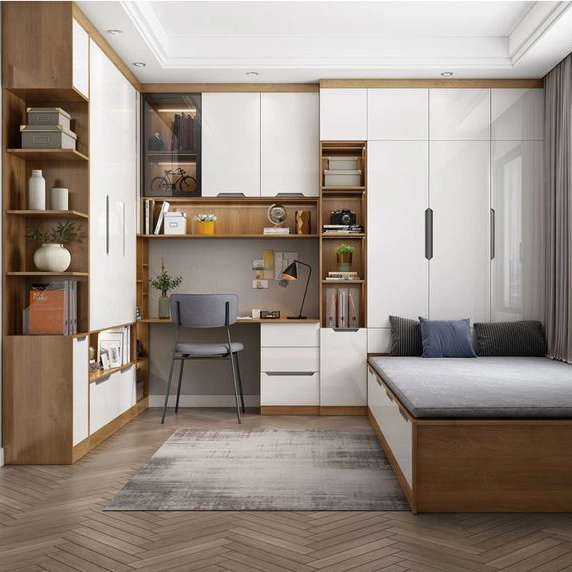
Contreplaqué d'eucalyptus indéformable, âme 100 % étanche, contreplaqué marin
Prix direct usine à 100% Noyau 100% eucalyptus Toutes sortes de modèles sont disponibles. Certifié CE/CARB/EPA/ISO/SGS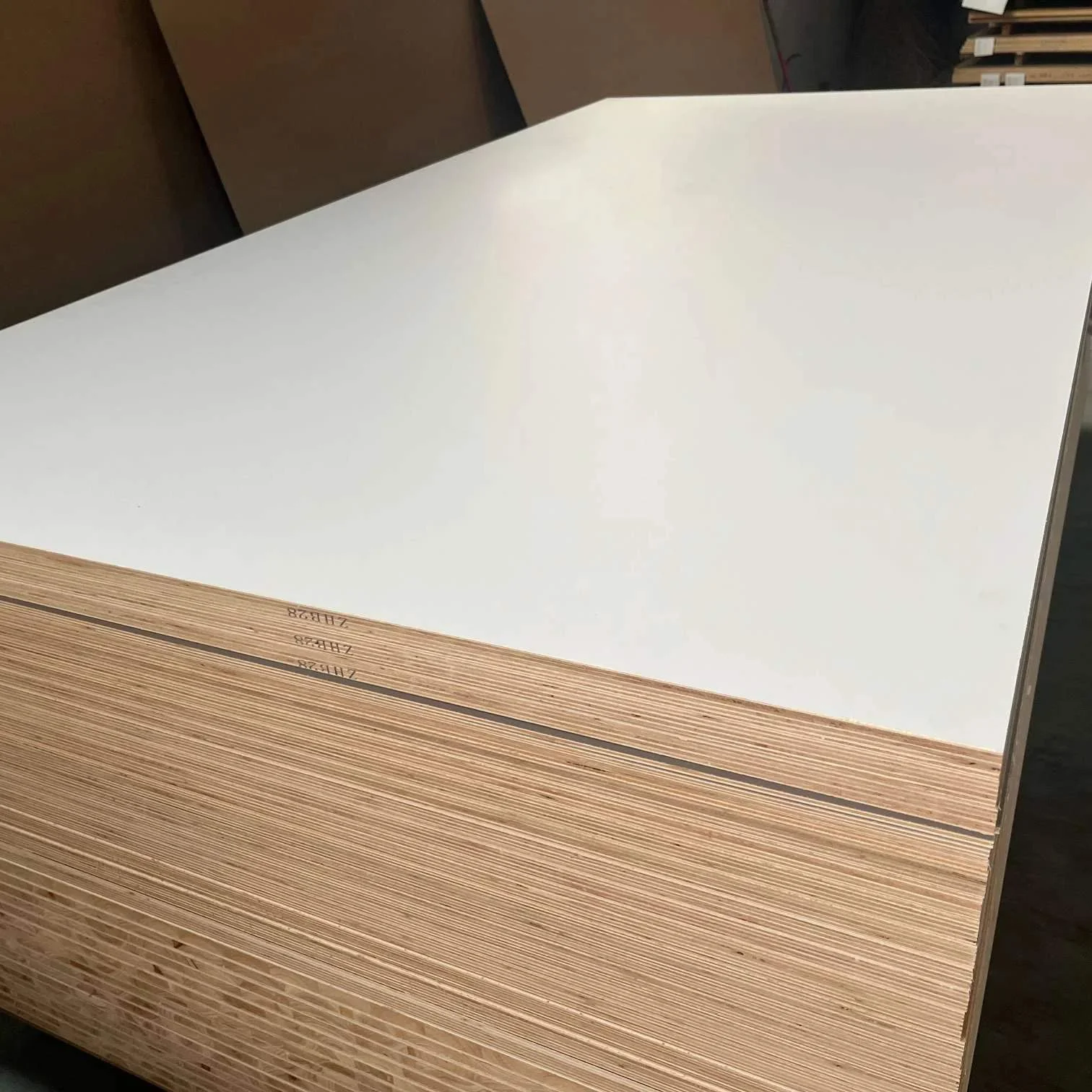
Contreplaqué marin stratifié à grain de bois avec surface PET de 18 mm pour mobilier d'hôtel - Qiangyi PLYWOOD
Le contreplaqué marine stratifié offre une excellente étanchéité. Ses couches internes denses sont assemblées par un adhésif phénolique WBP, empêchant toute dilatation ou déformation. Cet avantage le rend particulièrement adapté aux conditions climatiques variables. Le contreplaqué marine stratifié est idéal pour les constructions haut de gamme exigeant une grande robustesse.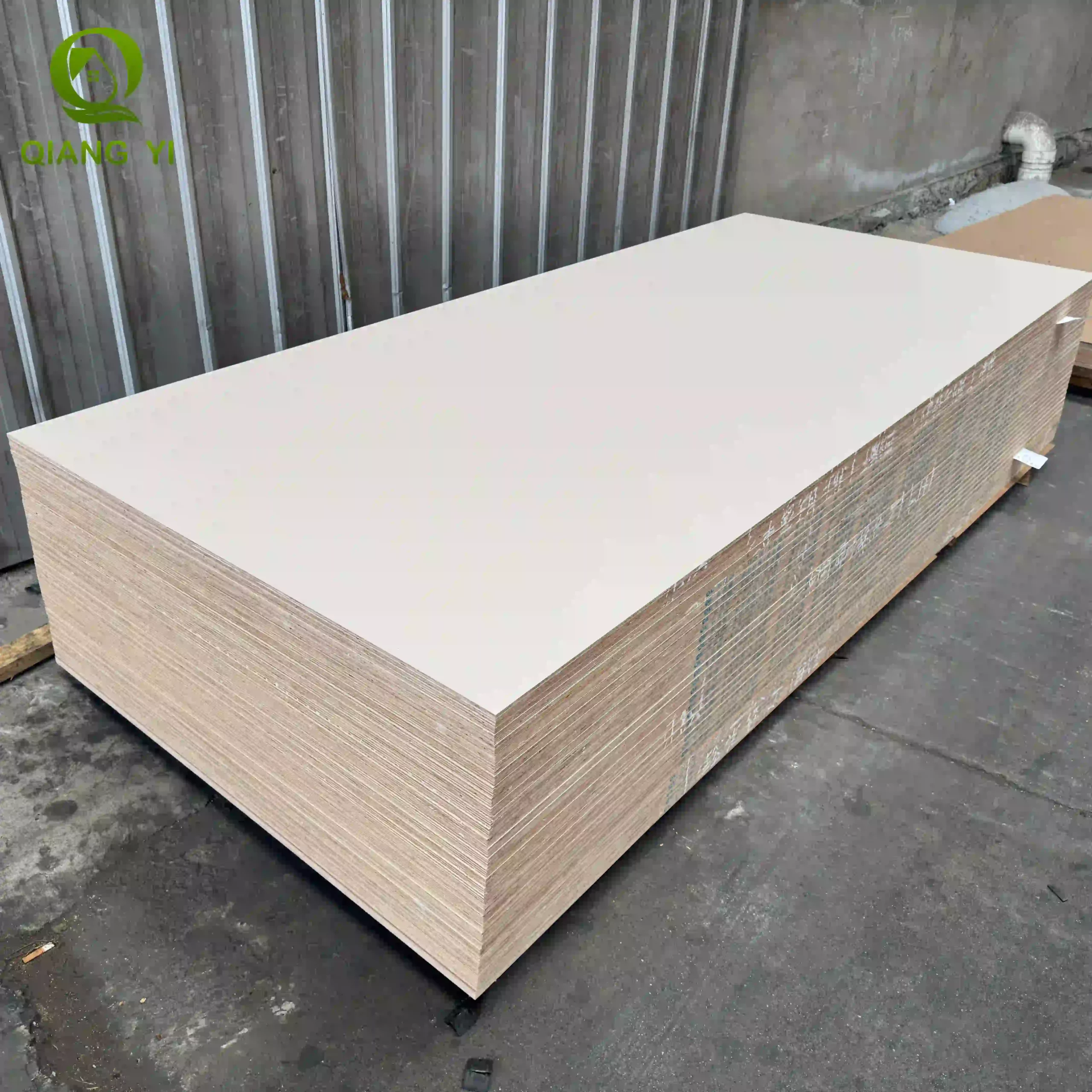
Contreplaqué à âme d'eucalyptus certifié CARB EPA, 12 mm, 15 mm, 18 mm, panneau marin
Norme ENF : Émissions de formaldéhyde < 0,025 mg/m³, garanti par Pacific Insurance. Âme en eucalyptus pur : matériau 100 % de première qualité, assurant un module d'élasticité supérieur à 5 200 MPa. Adhésif naturel : colle de riz gluant de qualité alimentaire, sans additifs toxiques, inodore. Quantité minimale de commande : 100 unités et plus. Vente directe d'usine avec 22 ans d'expertise.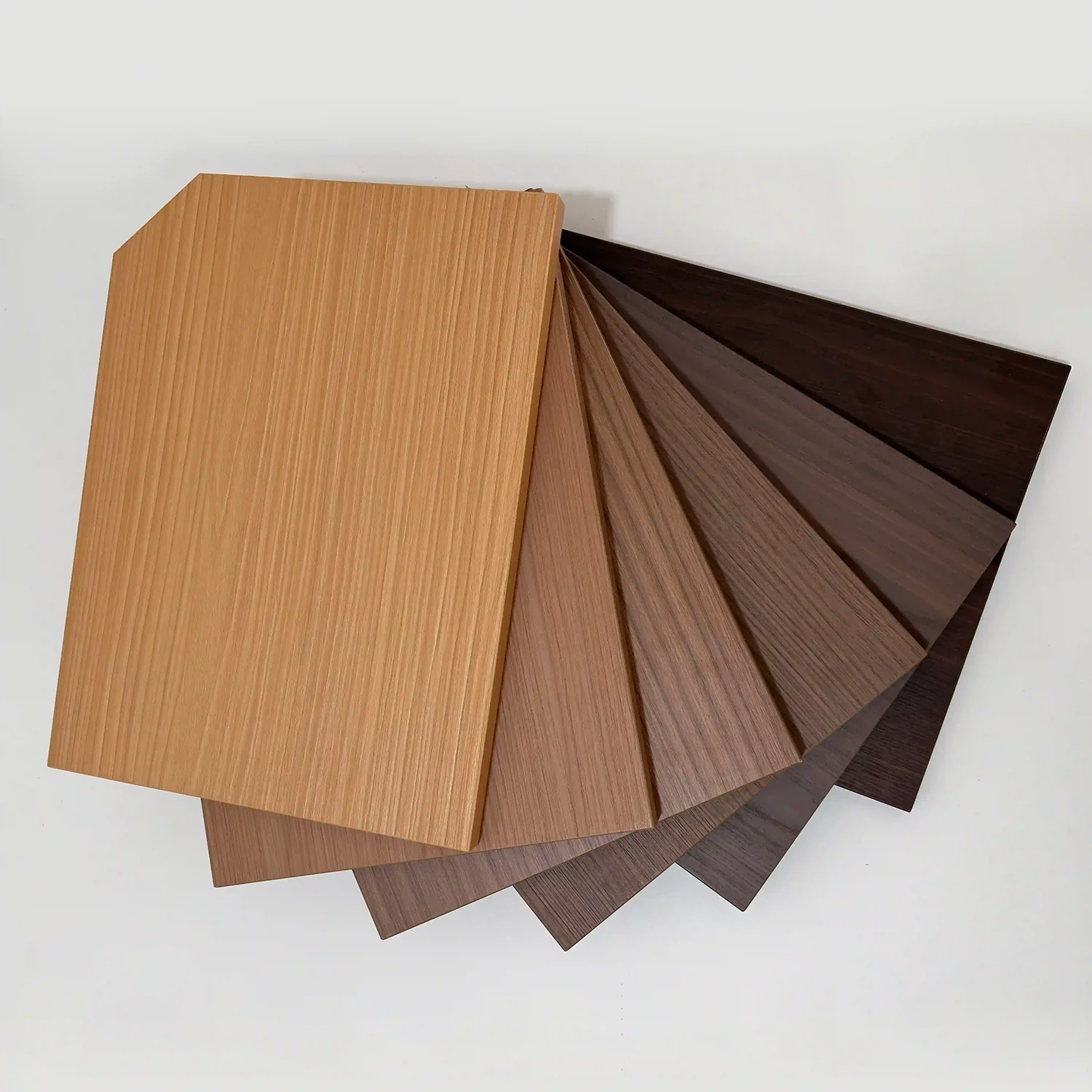
Contreplaqué marin stratifié mélaminé imperméable de 18 mm pour cuisine et salle de bain
Conçu pour les environnements humides, le contreplaqué marine mélaminé Qiangyi allie la robustesse d'une âme multicouche en eucalyptus à un revêtement mélaminé haute pression. Idéal pour les meubles de cuisine haut de gamme ou les vasques de salle de bain, ce panneau offre une finition impeccable, facile à nettoyer et conçue pour durer même en milieu humide.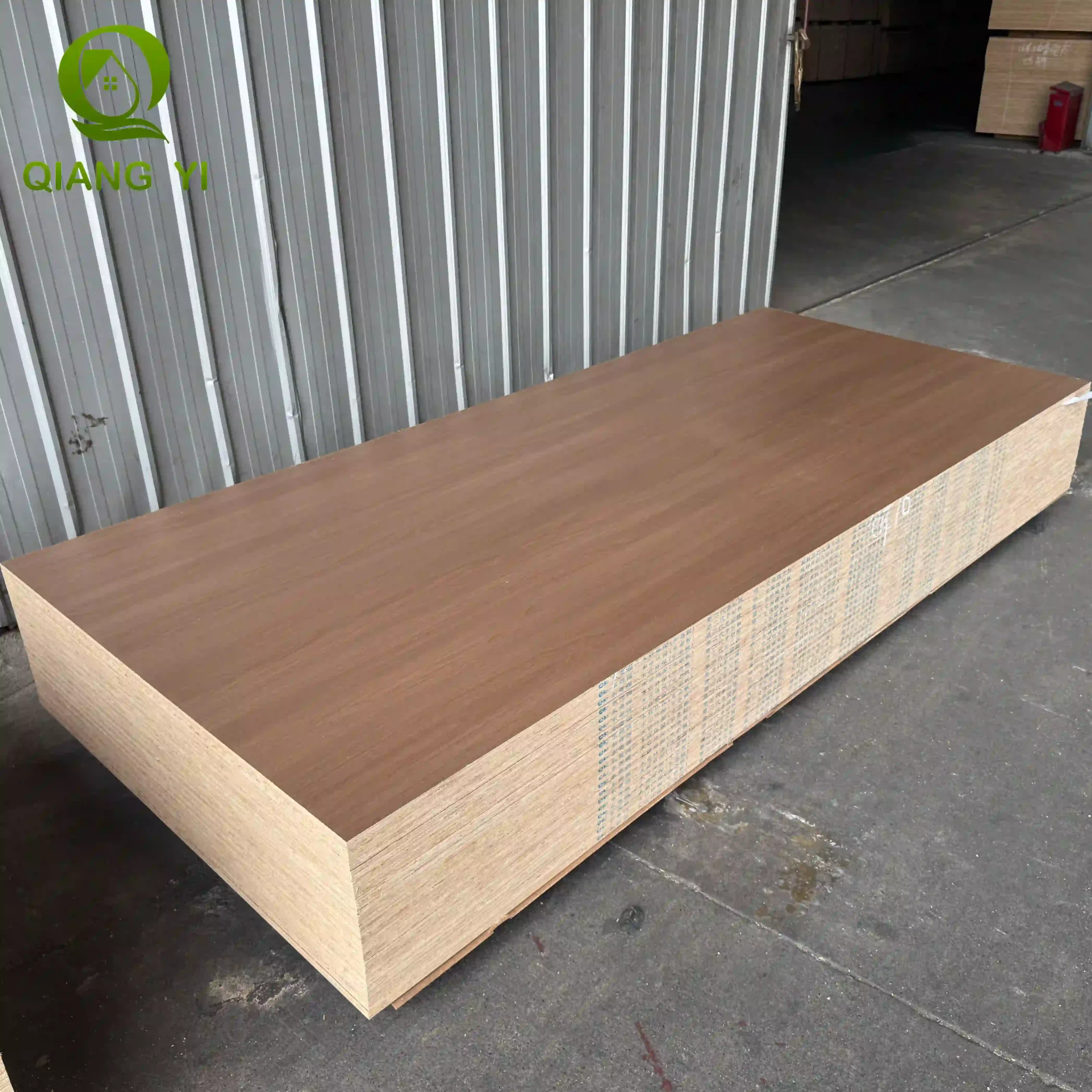
Contreplaqué d'eucalyptus dur 18 mm 1220 x 2440 mm, certifié EPA CARB, contreplaqué anti-termites pour meubles
Le contreplaqué stratifié est disponible en différentes épaisseurs, qualités et finitions de surface, ce qui en fait un matériau idéal pour la fabrication de meubles, l'aménagement intérieur, la construction et l'emballage. (1) Le contreplaqué stratifié est conforme aux normes CE/CARB/EPA/ISO 9001 et répond aux exigences internationales d'importation et d'exportation. (2) La finition mélaminée du contreplaqué stratifié améliore son imperméabilité, ce qui explique son utilisation fréquente dans le mobilier haut de gamme, les meubles de cuisine et autres environnements humides. (3) Une large gamme de motifs et de couleurs permet une grande harmonie avec différents styles de décoration intérieure.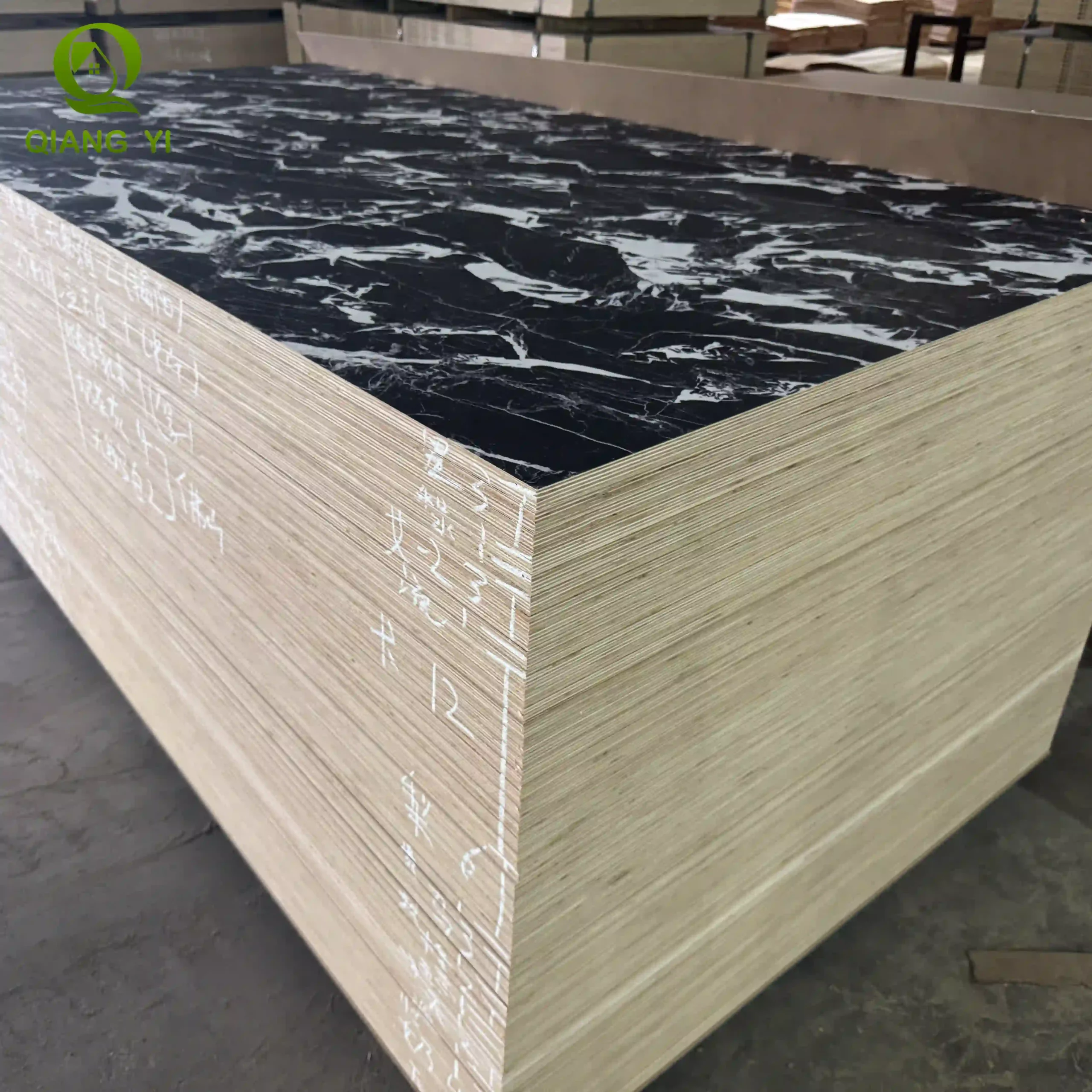
Contreplaqué à âme d'eucalyptus de qualité AAA, 18 mm, 1,24 m (4 pi 8 po), panneau commercial pour meubles et aménagement intérieur, certifié EPA et CE, haute densité, anti-déformation
Contreplaqué écologique : faible teneur en formaldéhyde, idéal pour le mobilier de chambre et une utilisation intérieure. Contreplaqué mélaminé et plaqué bouleau : convient aux projets haut de gamme et économiques. Âme en bois d’eucalyptus : contreplaqué dense, plat et stable, idéal pour une découpe précise. Contreplaqué résistant à l’humidité : contreplaqué de qualité cuisine avec âme imperméable, idéal pour les environnements humides. Ignifugé et insonorisé : traitement ignifuge en option et isolation phonique grâce à son âme pleine. Panneaux modernes : finition bois épurée, parfaite pour le salon et la décoration.Contreplaqué mélaminé

If you interested in our product, please leave you information here, we will send you more details
Get more information about the plywood
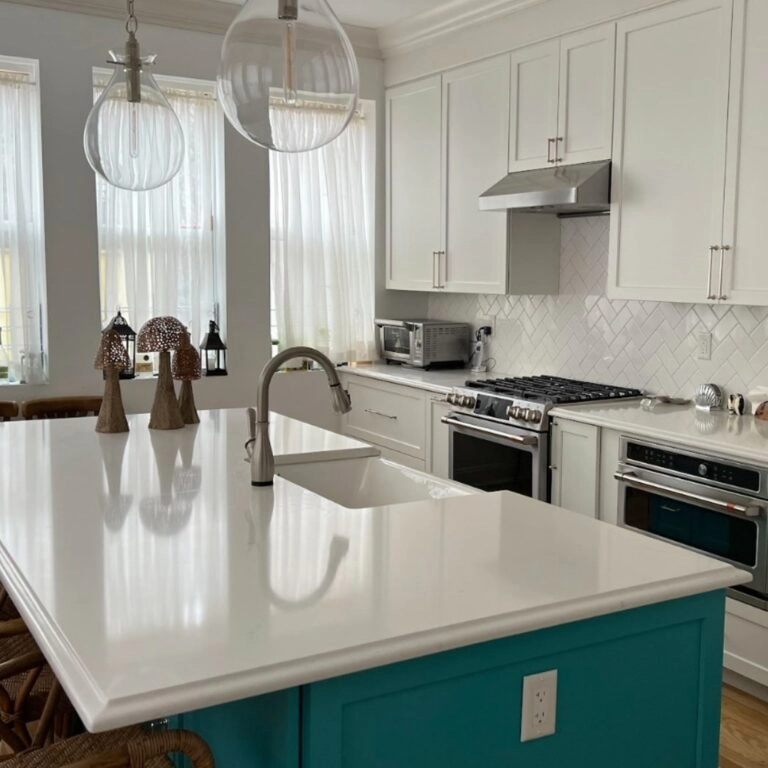
Mold-Resistant Plywood Sourcing Guide for Cabinet Manufacturing in Humid and Coastal Regions
1. Where Cabinet Manufacturers Face Mold-Related Board Problems Kitchens, bathrooms, and coastal interiors Tropical and coastal areas often have warm air and poor airflow. Wet cleaning routines, plumbing leaks, and daily condensation easily make cabinets damp. Sink units and bathroom vanities face high moisture risks. Laundry storage and base cabinets are also highly vulnerable. Wardrobes placed against poorly ventilated walls face similar threats. A panel might look perfect when it leaves the factory. However, it can still develop dark spots and musty odors after installation. Swollen edges are another common issue. Back panels and cut edges remain particularly vulnerable. These areas usually lack the strong protection found on the decorative face. The cost is higher than a stained panel Moisture damage often forces builders to replace cabinet sides and doors. This means repeating the installation process. It also requires paying for extra transport and labor. Such delays can seriously disrupt project handovers. Consequently, homeowners, developers, and distributors will likely complain. The real business risk involves heavy warranty costs and lost production time. Damaged client referrals hurt much more than just a ruined appearance. 2. Why Mold Develops in Plywood in Humid Markets Moisture reaches exposed edges and the core Wood fibers naturally absorb moisture from humid indoor air. They also take in water from direct contact. If a panel remains damp, mold will likely grow. Swelling can easily open up joints. It might also weaken the internal layer bonds. This allows trapped moisture to stay inside the wood. The overall risk depends heavily on the chosen adhesive and core quality. Moisture conditions, edge sealing, proper installation, and regular maintenance also play vital roles. Surface protection cannot compensate for weak construction Melamine facing only offers surface-level water resistance. It cannot stop moisture from entering through edge-banding gaps. Hardware mounting holes and cut surfaces on back panels are also weak points. You might compare marine board, laminated marine plywood, and ordinary plywood. Always check the waterproof classification carefully. You should also demand independent anti-mold evidence. Standard marine-board testing focuses mostly on bond strength during boiling-water exposure. These tests do not automatically require specific anti-mold or antibacterial treatments. Surface mold can still grow quickly in stagnant, highly humid rooms. Never assume that the word “marine” guarantees a mold-proof product. 3. What to Look for in Mold-Resistant Plywood Check core quality and continuity Cabinet carcasses, shelves, and doors require careful inspection. Check if the core uses a single wood species or a mixed blend. You must also see if the veneers are tightly arranged. A full eucalyptus core offers good strength and density. However, the wood species alone does not guarantee mold resistance. Always inspect the panel cross-section. Look closely for hidden gaps, empty voids, and weak bonding. Evaluate adhesive, moisture resistance, and test evidence Before buying, you should confirm these details: The specific core material and the exact construction method. Actual waterproof or moisture-resistance test results for your intended use. A separate anti-mold test report, which must include the sample description and performance grade. Consistent board thickness, overall flatness, and stable moisture content. Clear guidance for properly sealing edges, joints, and installation penetrations. The term “waterproof plywood for kitchen” does not represent a single universal grade. Class II waterproof performance often suits humid furniture applications well. However, this rating does not mean a cabinet can sit in standing water. It also cannot survive indefinite immersion. 4. How QIANGYI PLYWOOD Addresses the Risk Full eucalyptus core and fully interlocked construction Our glutinous rice glue plywood features a 100% full eucalyptus core. We do not use a cheaper poplar-eucalyptus combi core. Our factory selects premium Grade A material for production. We apply a fully interlocked core construction method. This involves a continuous cold- and hot-pressing process. As a result, the core contains no empty voids or overlapping gaps. Its cross-section remains tightly packed, much like solid wood. This solid structure creates a very flat substrate. It offers excellent resistance against edge chipping during CNC carving, grooving, and drilling. It also performs exceptionally well for PUR edge banding. Glutinous rice adhesive and controlled processing Our process uses Lingmei glutinous rice adhesive. This material is made from glutinous rice flour, magnesium chloride, magnesium oxide, and water. Once it cures, the glue builds a thick shield around the wood fibers. This step blocks the tiny channels where water normally enters. The magnesium-based parts set up an alkaline setting. Also, the deep soaking of the glue manages dampness very well. These actions work together to stop mold from growing easily. The standard moisture-content specification for this item sits at 8%–14%. Please check and confirm the exact needs for your specific order. Please see our AA wood-core waterproof melamine-faced plywood for furniture to explore a specific product option and view detailed finish choices. 5. Evidence and Purchasing Value for Humid-Market Projects What the test report says A testing document examines an 18 mm glutinous rice glue plywood sample. QIANGYI PLYWOOD provided this specific material. The evaluation followed the JC/T 2039-2010 standard. According to the results, the board achieved an anti-mildew rating of Grade 0. Furthermore, it showed an antibacterial rate of more than 99%. The document clearly explains that Grade 0 means there is no mildew present. For the antibacterial part of the test, the researchers used Escherichia coli and Staphylococcus aureus. At the same time, the anti-mildew assessment involved several types of fungi. This group specifically included Aspergillus niger. You can ask us to verify the test report for your specific product choice. Kitchen and bathroom projects require extra attention. Therefore, you should also review the Class II waterproof test results. Pay close attention to the reported 24-hour water absorption data. The official thickness-swelling rate sits at no more than 2.4%. A Philippine distributor’s market experience A Philippine distributor first contacted our team online in early 2026. This client later visited our official booth at the Canton Fair in March. After reviewing our physical samples, the buyer placed an initial order in April. That first shipment featured a single color design. Following the successful delivery, the ENF grade and smooth surface finish really stood out. The impressive waterproof and termite-resistance features also quickly attracted local cabinet and furniture customers. You might need to compare marine plywood vs. ordinary plywood for a project. Always match the core type and adhesive quality to your needs. You must also align the moisture resistance and anti-mold evidence with the finished furniture’s actual environment. Make sure to confirm the exact application and board thickness. Check the face design, edge treatment plans, and laboratory reports carefully before ordering. Meet QIANGYI PLYWOOD at THE 2026 GUANGXI INTERNATIONAL FOREST PRODUCTS AND WOOD PRODUCTS EXHIBITION. You will find us at Booth D5T-06. The event takes place at the Nanning International Convention & Exhibition Center from November 21–23, 2026. 6. FAQ Q: Will QIANGYI PLYWOOD Glutinous Rice Glue Functional Laminate Plywood get moldy? A: The panel successfully prevents mold growth under normal indoor conditions. This includes the high humidity and slight condensation typically found inside kitchens and bathrooms. This protection comes from its Grade 0 anti-mildew performance and the dense, mildly alkaline adhesive layer. However, extreme conditions can still damage any wood-based panel. Severe, persistent plumbing leaks pose a massive threat. Prolonged immersion in standing water without proper airflow will also cause harm. You must ensure proper ventilation and thorough edge sealing to guarantee long-term durability. Q: Is it suitable for the humid environment of the South? A: Yes, it works very well. The board features a reliable Class II waterproof performance. It also boasts a reported 24-hour water absorption and thickness-swelling rate of no more than 2.4%. The material perfectly suits properly designed kitchen and bathroom cabinets. However, it cannot handle permanent water immersion. Q: Is marine plywood automatically mold-resistant? A: No, that is not necessarily true. Marine plywood standards, such as BS 1088, primarily evaluate structural bonding strength. They test this under highly demanding wet conditions. This often includes boiling-water exposure, which experts commonly discuss regarding WBP performance. These tests focus heavily on preventing layer delamination. However, this process does not establish any chemical or physical resistance against indoor fungi. Aspergillus niger is a prime example of such a threat. For modern cabinet applications, you should always request a dedicated anti-mildew report. Make sure it covers indoor fungi testing, such as an evaluation based strictly on JC/T 2039-2010. Q: Does a melamine face prevent mold inside plywood? A: No surface finish can completely protect every exposed edge or open joint. You must specify a highly suitable core and a reliable adhesive. Furthermore, installers must properly seal all cut edges, screw holes, and installation penetrations. Q: What should cabinet manufacturers confirm before buying mold-resistant plywood? A: Buyers must confirm the exact core species and verify the fully interlocked construction. You should also check the thickness consistency and moisture tolerances. Always review the waterproof classification, the official anti-mold report, and the surface finish quality. Finally, discuss the factory’s batch inspection arrangements. You need to request a physical sample. Then, check that all technical documents perfectly match the quoted product. You can easily reduce your sourcing risk today. Simply send us details about your target market and specific cabinet application. Please include your required size, board thickness, core choice, and surface preferences. Do not forget to mention your estimated order quantity. Our team can help match you with the perfect panel. We will provide all relevant test documents and quickly arrange physical samples. You can also meet us directly at Booth D5T-06 in Nanning from November 21–23, 2026.
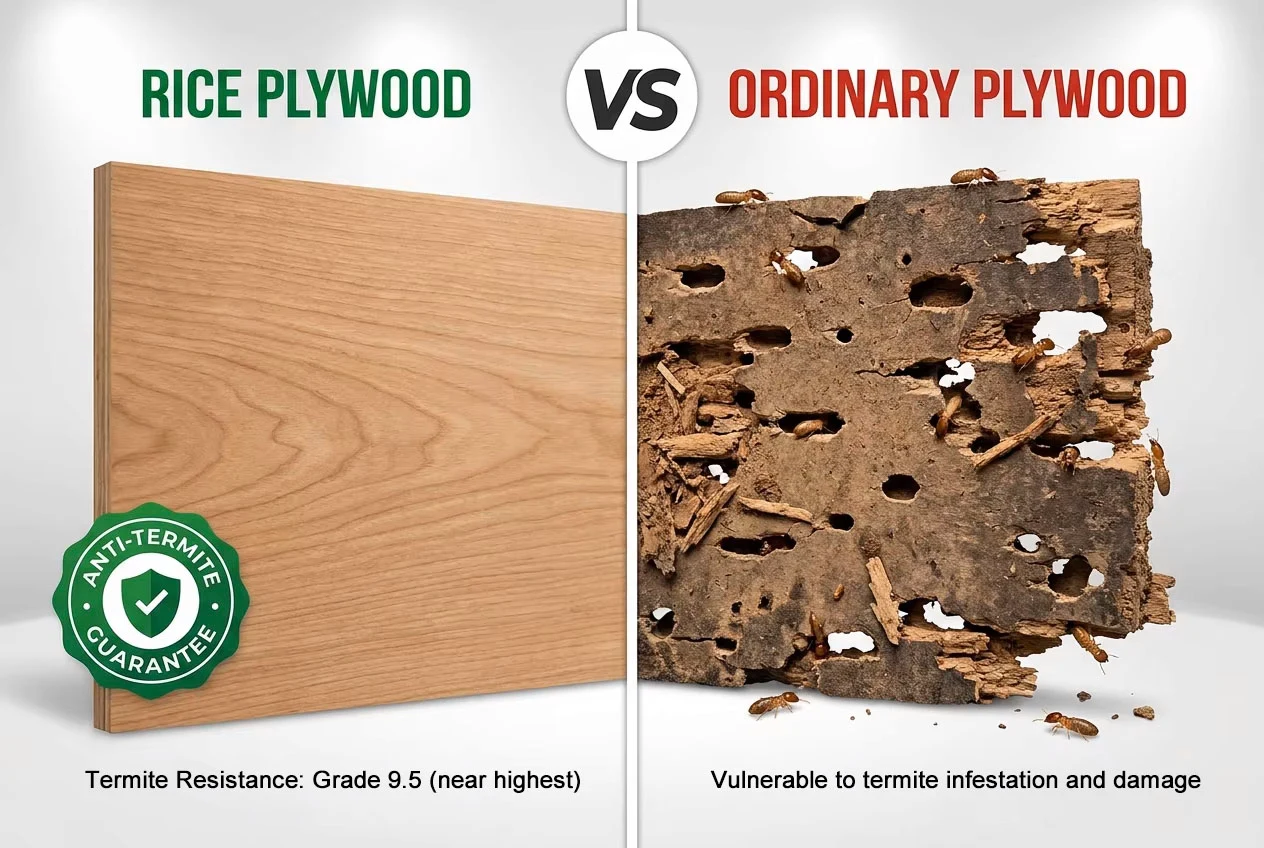
Termite-Resistant Plywood Checklist for Resort Contractors
A resort guest room might appear perfectly finished. However, hidden spots like wardrobes, vanity units, and decorative wood wall paneling remain highly prone to termite damage. Finding this issue after handover leads to the expensive removal of fitted furniture. It also requires repairs to nearby finishes. Meanwhile, interruptions to room turnover can directly hurt operating revenue. For general contractors and procurement teams working on tropical or coastal resort properties, termite-resistant plywood requires careful scrutiny at the sample-approval stage. It includes verification of reliable test evidence and on-site installation conditions, to reduce future risks. How Hidden Termite Damage Creates Costly Resort Fit-Out Problems High-Risk Areas in Guest Rooms and Built-In Furniture You should check wardrobes placed against outside walls. Also, inspect vanity units located near plumbing. Look closely at minibar cabinets and timber-lined service zones. These closed spaces can hide termite action for a long time. A neat laminate face does not show what is going on at a cut edge. It also hides issues at a screw hole or an exposed plywood core. Poolside bungalows might face constant moisture contact. At the same time, ground-level villas often have more connection points near plants and dirt. How Termites Turn Small Defects Into Project Costs Replacing a ruined cabinet side usually demands taking off custom cabinet doors. You also have to remove countertops, hinges, and nearby finishing trim. Suppose plywood from the same batch is installed across many guest rooms. In that case, a termite complaint in just one room might cause the temporary shutdown of an entire building for inspection. Contractors could then face drastically higher labor costs. They might deal with contractual claims for project delays. Disputes over supplier responsibility can also arise. Prevention begins by picking termite-resistant panels. These panels must be backed by compliant test reports early in the project. Why Ordinary Plywood May Fail in Termite-Prone Interiors Wood Fibers and Concealed Entry Routes Termites eat the cellulose found in wood. They can access hidden furniture spaces through tiny cracks in concrete. They also enter via openings around electrical conduits. Standard edge-banding strips offer only physical coverage. They cannot stop termites from attacking the inner veneers. Even a beautiful decorative surface leaves the wood fibers open to attack if the core lacks termite protection. Therefore, edge sealing needs to work together with the plywood’s own termite resistance. It should also be paired with a building-wide pest-management program. Why Marine and Melamine Plywood Need Separate Checks Is laminated marine plywood termite resistant? Not automatically. Marine-grade bonding is designed to endure specific moisture exposure. It is not, on its own, proof of insect resistance. Similarly, a melamine surface enhances looks and makes cleaning easier. However, it does not certify the inner core against termites. When you compare water and termite resistant plywood, make sure to ask for distinct results for each feature. Termite-Resistant Plywood Checklist Before Resort Procurement Verify the Test Report and Match It to the Order Do not accept a basic “termite proof plywood” claim. You must check the test method, report date, and sample description. Also, verify the thickness and rating. Match those specific details against the planned purchase. Keep the approved sample to compare it with the delivered sheets. Before you release a large order, write down the exact panel construction in the purchase specification. A similar-looking decorative finish placed on a different core should never count as an approved substitute. Project check What to confirm Test evidence Termite rating and the actual test conditions Product identity Core species, adhesive system, thickness, finish Delivery control Sample match, batch markings, packaging condition Installation Cut edges, penetrations, wall clearance, pest treatment Inspect the Core and Site Conditions Request a cross-section sample. Look closely for gaps between veneers. Check for uneven construction and damaged edges. For bathroom vanities, confirm exactly how splashes and pipe penetrations will be handled. For wardrobes set against external walls, review the building’s pest-management plan. A solid procurement checklist evaluates both the panel itself and the locations where it will be installed. How QIANGYI PLYWOOD Addresses Termite Risk Lingmei Glutinous Rice Glue and Tested Resistance Our glutinous rice glue plywood utilizes Lingmei adhesive. This glue is made with glutinous rice starch, magnesium chloride, magnesium oxide, and water. The cured adhesive creates an alkaline environment. This is a key part of our strategy for termite resistance. Instead of just trusting the glue description, contractors can review the finished board’s actual test results. For a specific choice, check out our 18mm termite-resistant eucalyptus-core plywood. Eucalyptus Core and Fully Connected Veneers Our furniture-grade plywood uses 100% high-density eucalyptus veneers. It features a fully core-connected, seamless layup. This design is meant to remove internal voids and overlapping veneer flaws. The dense core boosts screw-holding strength. It also improves flatness during secondary processing. Furthermore, it decreases internal gaps. It avoid termites could use those gaps to enter the panel and build nests. Explore our 100% eucalyptus-core glutinous rice glue plywood. What Grade 9.5 Means for Resort Project Approval Read the Termite Test Result, Not Just the Rating A test report GIZ/TR-2024-0301-0186 shows Grade 9.5 for Glutinous Rice Glue Multi-functional Plywood based on GB/T 18260-2015. The four-week laboratory test utilized 18mm plywood. Inspectors observed minor damage. This included one or two termite tunnels or traces. That serves as helpful evidence of resistance under those specific test conditions. However, it is not a guarantee that every installed panel will stay completely untouched forever. A Mauritius Customer Case and the Next Procurement Step QIANGYI PLYWOOD has been delivering 100% eucalyptus core multi-layer boards in large volumes to furniture makers in Mauritius. We also supply other Indian Ocean island markets extensively. Multiple full cabinet deliveries have already been completed. The island climate features severe salt spray, intense humidity, and strong heat. This harsh environment has proven the structural stability of our plates. They perform well during stable processing. They also hold up in moisture-proof packaging for shipping and throughout long-term service. This provides a very dependable reference for batch material selection in coastal resort projects. For direct specification discussions, please visit QIANGYI PLYWOOD at THE 2026 GUANGXI INTERNATIONAL FOREST PRODUCTS AND WOOD PRODUCTS EXHIBITION. Find us at Booth D5T-06, Nanning International Convention & Exhibition Center, from November 21 to 23, 2026. Bring your project drawings and target panel specifications. We can then discuss proper samples and relevant test evidence. FAQ Q: Is glutinous rice glue plywood suitable for humid coastal resorts? A: Yes. Our glutinous rice plywood passed the Class II waterproof test report. Therefore, it can be applied to humid/wet condition furniture. It’s marine grade plywood perfect for kitchen/ bathroom cabinet. Q: How should contractors judge plywood quality before installation? A: Evaluate the flatness and the exposed core. Check the thickness consistency and edge finishing. Also, review the matching test report. Always keep an approved sample on site. Q: Is marine plywood automatically termite resistant? A: No. Moisture-resistant bonding and termite resistance are entirely different properties. You must request evidence for both. Q: Does Grade 9.5 mean a resort will never need pest treatment? A: No. The grade only applies to the tested specimen. Termite monitoring remains important. Proper sealing and regular building maintenance still matter greatly. Are you planning a resort fit-out? Send us your room applications, needed thickness, quantities, and final destination. We can talk about a proper panel specification. We will also provide the supporting test report before you approve the order.
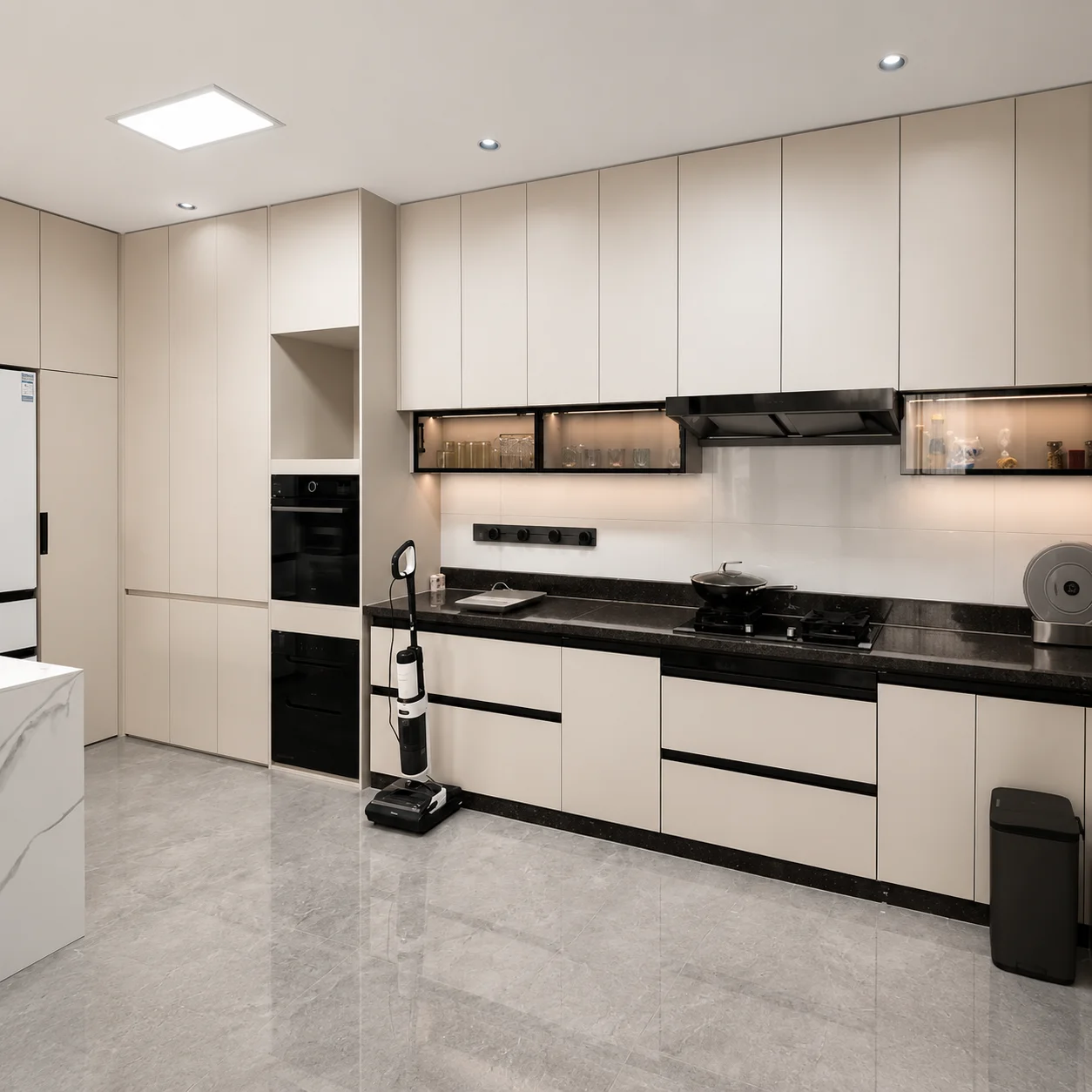
Fireproof Plywood Comparison for Hotel Interior Procurement
Three suppliers quote fireproof plywood for a hotel renovation. Their samples look similar, but one says “B1,” another mentions surface treatment, and the third lacks a finished-panel report. Which can the contractor submit for approval? That uncertainty matters more than a small price difference. Rejected panels can hold up cabinetry, wall finishes, and guest-room handover. Compare actual panels rather than quotation labels. Here, “fireproof plywood” means flame-retardant plywood, not noncombustible wood. When Fireproof Plywood Selection Holds Up Hotel Interior Approval Similar Plywood Samples, Different Fire-Performance Claims Consider panels for guest-room headboards, for built-in wardrobes and for reception joinery. A woodgrain finish may be satisfactory to the designer, but to the reviewer it is necessary to provide evidence of the specified reaction-to-fire performance. A claim of B1 flame retardancy needs to be supported by a description of the test method and of specimens tested. Approval requirements for a guest-room wardrobe, corridor wall finishes, and joinery off a restaurant would typically differ. The material schedule must reflect these differences and not allocate one grade to the entire space. An unfinished-panel report cannot automatically verify a laminated part of different completion status. Is this configuration even relevant? Material Rejection, Rework, and Delayed Handover Mismatches found after cutting can mean reworking of edge banding and machining. Even earlier resubmission of samples can delay purchasing. Check the fire performance data of alternative materials at the quotation stage. What may appear to be a cheaper sheet through the purchase process could end up costing more after consideration of the necessary labor, the cost of an alternative veneer, and additional approval time required by the workshop and site. This will only cause additional delay to both parties. Why Fireproof Plywood Options Cannot Be Compared by Label Alone The Role of Wood, Adhesives, and Flame-Retardant Treatments Wood veneer is a combustible material. The properties of the adhesives, treatments, and panel construction can greatly affect the behavior of the finished product. Some products are treated on the surface, whereas others include mineral components in the bonding agent. Neither of these approaches constitutes a specific classification name. The specific fire test matters because heating may involve flame spread, energy release, smoke production, or droplets. A short promotional flame demonstration cannot replace these measured outcomes, especially when people will sleep in the rooms where the materials are installed. Note that reaction-to-fire classification of panels differs from the fire resistance of complete doors or partitions. Why Thickness, Finishes, and Installation Details Matter Factors such as PET facing, melamine, coatings, and thickness variations need to be taken into account when determining test applicability. Cutting and edge finishing must be executed within approved parameters. You have dozens of wardrobe fronts to match. Make sure to clarify all these details prior to approving the sample. No one wants to spend hours of work cutting panels that were based on an 18 mm melamine-faced board when the report said it was some other specimen. It’s better to clear up any confusion before the panels are nested for cutting on the CNC. How to Compare Fireproof Plywood for Hotel Interiors Compare Three Supply Options Against the Same Project Requirements When purchasing fire-retardant plywood, compare all quotes on an ‘equal basis’ against identical specification requirements and do not just go for the lowest price offer. Panel option What to compare Potential procurement gap Standard decorative plywood Finished-panel test evidence Appearance does not confirm flame retardancy Surface-treated plywood Treatment system and tested finish Unverified substitutions during fabrication Mineral-adhesive plywood Panel construction and fire-test results Adhesive claims without matching panel evidence These are not performance rankings. For example, a surface-treated panel that has been tested may be preferred over an untested mineral-adhesive panel, or vice versa. Set Acceptance Criteria Before Comparing Prices Check the classification, applicable standard, room of use, and panel configuration. Compare the development of fire, the amount of heat produced by the fire, the amount and type of smoke produced by the fire, and the burning droplets produced by the fire, wherever applicable. After that, please check the dimensions, surface finish, machining, and sample availability of the mentioned product. In the RFQ, have each supplier list out the proposed panels by code and list out any substitutions with a separate answer. This allows purchasing, fabrication, and site to use the estimator’s work for comparison purposes. How QIANGYI PLYWOOD Addresses the Fire-Performance Requirement The Magnesium-Based Ingredients in Lingmei Glutinous Rice Glue Glutinous rice glue plywood is made with Lingmei adhesive composed of glutinous rice flour, magnesium chloride, magnesium oxide, and water. The plywood is flame-retardant due to the content of magnesium oxide. However, classification of plywood has to be done by means of testing the finished product. Our eucalyptus core plywood is offered with full eucalyptus veneers as opposed to a combi core; this helps to define repeat orders. The Cured Adhesive Structure Within the Plywood Panel Our veneers are made up in a full core connected formation, with adhesive applied layer by layer. This type of construction allows for a complete and closely fitted cabinet or decorative joinery item, unlike the partially connected core found in some constructions. The machining of long headboards benefits from core continuity. Fire testing is the only way to determine the behavior of finished panels under exposure. What the Flame-Retardant Test Report Means for Hotel Procurement Read Report WT245100363 and Its Tested Limits Report WT245100363 describes the test results for the burning behavior of tested items and compares them against the B1 (B) requirements with qualified results. The test was conducted according to GB/T 20284-2006 and GB/T 8626-2007. Test item Measured result What it tells a buyer Fire growth rate index, FIGRA 79.8 W/s Below the stated 120 W/s limit Total heat release, THR600s 3.9 MJ Below the stated 7.5 MJ limit Smoke classification s2 A defined smoke category, not smoke-free Burning droplets/particles d0 No burning droplets/particles under the specified test conditions The lateral flame spread was also in compliance with the test requirements. Note that the test results are specific to the tested specimen and may not reflect results for other thicknesses or finishes. See the complete report for details. Match the Tested Product to the Approved Sample and Purchase Order Before releasing a hotel order, follow a simple sequence: 1. Verify local project standards and locations where classification is required. 2. Verify that the information in the report corresponds with the requested thickness, eucalyptus core, and decorative face. 3. Approve the physical sample and note the exact configuration in the corresponding purchase order. 4. Check delivered panels against the approved sample prior to cutting. This helps avoid changes after fabrication. Ready to finalize your hotel interior plywood specification? Send QIANGYI PLYWOOD your panel schedule, required thickness, decorative finish, and applicable fire-performance criteria. Request matching samples, finished-panel test documentation for the proposed configuration, and a project quotation before placing your order. We look forward to meeting you at THE 2026 GUANGXI INTERNATIONAL FOREST PRODUCTS AND WOOD PRODUCTS EXHIBITION, to be held on November 21–23, 2026, at Nanning International Convention & Exhibition Center, Booth D5T-06. Please bring the relevant project drawings and panel requirements. FAQ Q: Is fireproof plywood completely noncombustible? A: No. Fireproof plywood achieves its flame-retardant effect through incomplete combustion. The wood chars only on the surface and does not produce an open flame. However, this does not mean the plywood is completely noncombustible. Q: How does fire-retardant plywood compare with standard plywood for hotel interiors? A: Compare finished panels against the required classification. Standard plywood without matching evidence cannot be assumed to meet the same requirement as a tested flame-retardant panel. Q: Is this full eucalyptus core or a combi core? A: Our glutinous rice glue plywood uses a full eucalyptus core with fully core-connected veneer assembly. Q: Can flame-retardant plywood be laminated or cut without affecting its classification? A: Yes. The original fire-performance classification remains valid after lamination or cutting. The test and classification scope covers laminated plywood, so lamination does not invalidate its flame-retardant performance. Q: Do you have test reports for the fire-retardant performance? A: Yes. The burning-behavior report includes B1-related results such as FIGRA, heat release, smoke classification, and burning droplets.
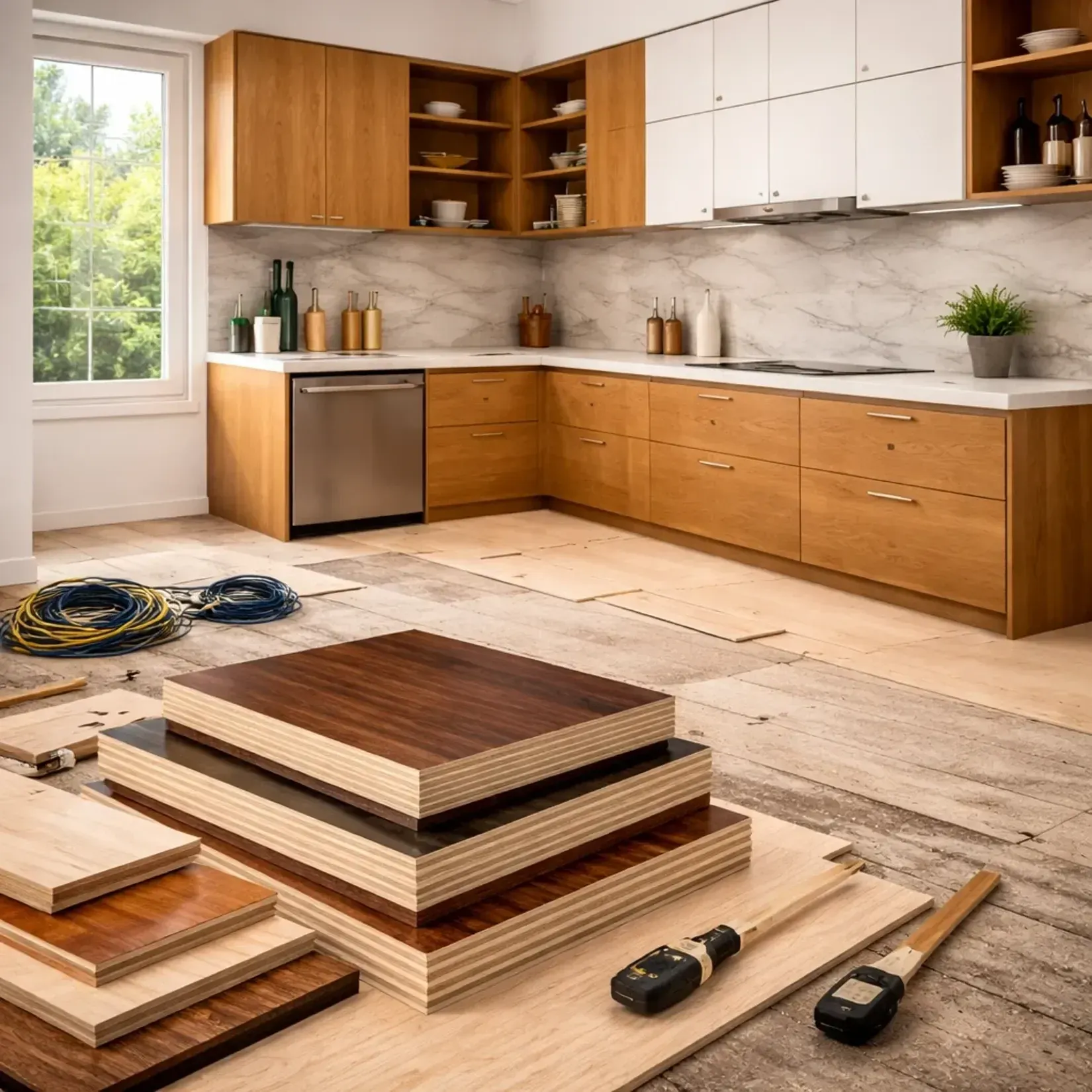
Guide d'approvisionnement en contreplaqué résistant à l'humidité pour les meubles sous évier
Un meuble sous-évier peut paraître impeccable à sa sortie d'usine. Pourtant, quelques mois plus tard, il peut devenir un problème de garantie. Une simple fuite de plomberie ou des nettoyages à l'eau fréquents peuvent faire gonfler le fond, provoquant le décollement du chant. L'installateur doit alors entreprendre une réparation complexe. Les fabricants de meubles de cuisine doivent protéger leurs produits finis et éviter les interventions coûteuses. C'est pourquoi choisir un contreplaqué hydrofuge ne se résume pas à trouver un panneau avec un autocollant imperméable ; il s'agit avant tout de la performance réelle du matériau. Pourquoi le gonflement des meubles sous évier engendre des problèmes coûteux pour les fabricants Sous un évier, la zone est exposée à un niveau d'humidité différent de celui d'une étagère de cuisine. Les fuites de tuyauterie, la condensation sur les tuyaux et le nettoyage avec des chiffons humides peuvent provoquer le gonflement des panneaux, ce qui nuit à l'esthétique des meubles et engendre des pièces mal ajustées nécessitant des retouches et des réclamations après-vente. Plutôt que de se fier à l'étiquette « étanche », lors du choix des matériaux pour vos projets, il est essentiel de tester la réaction du collage et du noyau du panneau au gonflement lié à l'humidité. Les problèmes de meubles commencent souvent là où on ne les voit pas. Où apparaissent les premiers dégâts d'humidité dans les meubles sous-évier Imaginez un logement locatif où une canalisation mal fixée laisse couler de l'eau sur le sol. Les flaques se cachent derrière de grands flacons de produits nettoyants et y restent inaperçues pendant des semaines. Dans une autre maison, de la condensation se forme sur un tuyau d'eau froide. Cette humidité s'écoule rapidement dans un trou nu et non étanche. Les points faibles sont généralement le plancher inférieur, les découpes pour les tuyaux, les angles arrière et les joints au niveau de la base du plancher. Dès qu'une face découpée s'épaissit sous l'effet de l'eau, des problèmes surviennent. Même une couche superficielle parfaitement lisse ne restera plus plane. Comment les panneaux gonflés entraînent des reprises et des demandes de garantie Remplacer un panneau de fond bombé est rarement une mince affaire. Le réparateur devra peut-être d'abord débrancher les tuyaux. Il devra également retirer des étagères et découper des éléments à proximité. Cela implique de prévoir un nouveau déplacement sur place. Dans les cuisines sur mesure, les placards fermés et les plans de travail massifs entravent l'accès. L'usine finit par payer les frais supplémentaires de main-d'œuvre, de déplacement et de temps. Pendant ce temps, le propriétaire ne voit qu'un produit de mauvaise qualité. Une seule pièce de bois défectueuse peut transformer une vente réussie en un véritable casse-tête pour obtenir la garantie. Pourquoi les panneaux ordinaires des meubles sous-évier gonflent-ils malgré la protection de surface ? Une couche supérieure brillante peut bloquer les éclaboussures d'eau normales. Cependant, cette surface ne représente qu'une partie de l'ensemble du panneau de meuble. L'eau peut toujours s'infiltrer à l'intérieur du bois. L'eau pénètre par les bords coupés et les ouvertures de plomberie. Les ouvriers doivent percer des trous dans la plaque pour le passage du tuyau d'évacuation de l'évier. Le bois intérieur ainsi exposé n'a plus son revêtement d'usine d'origine. Si le trou reste nu, l'eau s'infiltrera directement dans les fibres du bois, ce qui fera gonfler et épaissir la plaque. Des bandes de chant mal fixées, des trous de vis mal rebouchés et de l'eau stagnante au fond du plancher créent des problèmes similaires. L'ajout d'un bac de récupération en plastique et le colmatage de tous les interstices sont très utiles. Cependant, ces mesures ne peuvent compenser une mauvaise adhérence de la colle à l'intérieur du panneau. Pourquoi le contreplaqué ordinaire et le MDF réagissent-ils différemment à l'humidité ? Le MDF est fabriqué à partir de poussière de bois fortement compressée. Il offre une finition peinte très lisse. Cependant, ses faces ouvertes peuvent se gonfler considérablement au contact de l'eau. Le contreplaqué, quant à lui, est composé de couches de bois véritable collées. Sa réaction à l'eau dépend principalement de l'essence de bois, de la colle utilisée et du procédé de fabrication. Ce point est crucial lorsqu'on compare le contreplaqué marine au contreplaqué ordinaire. La simple étiquette ne permet pas de prédire le comportement d'un panneau après exposition à l'eau. Les acheteurs doivent se référer aux résultats des tests et à la méthode de fabrication. Il ne faut jamais supposer que tous les panneaux de contreplaqué ou de MDF se comporteront de la même manière. Comment choisir du contreplaqué résistant à l'humidité pour les meubles sous évier Un bon plan de meuble sous-évier doit tenir compte de l'intérieur du panneau. Il doit également protéger les découpes fraîches effectuées lors de la construction. Prioriser l'adhérence résistante à l'eau et l'intégrité du noyau Demandez toujours à vos vendeurs la colle utilisée pour les couches de bois. Vérifiez si la partie centrale présente des chevauchements, des trous vides ou des joints fragiles. Un noyau solide et lisse facilite grandement la découpe et le vissage. Un test d'immersion-pelage permet de vérifier la résistance de la colle dans des conditions humides spécifiques. Parallèlement, un test de gonflement en épaisseur évalue un facteur totalement différent. Pour un projet de cuisine d'envergure, essayez une méthode de vérification simple : *Examinez attentivement les côtés coupés pour repérer d'éventuels espaces vides dans le noyau. *Veuillez vous assurer que le rapport de décollement par immersion correspond exactement à la carte que vous achetez. *Effectuez un essai rapide pour sceller les bords autour des trous de tuyaux. Vérifiez l'épaisseur, la protection des bords et les spécifications d'achat. Pour la fabrication de meubles, on recherche généralement des panneaux de contreplaqué de 18 mm d'épaisseur. Cependant, l'épaisseur optimale dépend en réalité de la forme du meuble, de son poids total et des charnières métalliques utilisées. L'épaisseur du contreplaqué des armoires de cuisine doit être choisie en même temps que le style du noyau, la disposition des couches, la couleur du dessus et le ruban de chant. Il est impératif d'appliquer un mastic étanche autour des tuyaux.bordures inférieures et toutes les découpes fraîches. Pensez aux maisons en bord de mer ou aux sols lavés quotidiennement. Dans ces cas-là, il faut aussi vérifier la ventilation et l'accessibilité des fuites. Aucun panneau épais ne remplacera jamais une conception architecturale intelligente. Comment le contreplaqué QIANGYI contribue à réduire le gonflement du meuble sous-évier Chez QIANGYI PLYWOOD, nous protégeons nos panneaux contre l'humidité grâce à un mélange de colle propre et hydrofuge. Nous utilisons également une âme en eucalyptus massif. Cette conception spéciale empêche la formation de cavités dans le bois. Pour nous, une jolie couleur de surface ne suffit pas à garantir une protection optimale. La colle de riz gluant permet un collage résistant à l'humidité Notre contreplaqué à base de colle de riz gluant utilise l'adhésif Lingmei. Cette colle unique est composée d'amidon de riz gluant, de chlorure de magnésium, d'oxyde de magnésium et d'eau pure. La colle humide pénètre profondément dans les minuscules pores des fibres de bois. Une fois sèche, elle forme un réseau de liaison dense et extrêmement résistant. Le contreplaqué final est conçu pour atteindre la norme ENF, garantissant des émissions de formaldéhyde ultra-faibles. Parallèlement, il conserve une liaison solide et résistante à l'eau. Nous appliquons la colle uniformément sur chaque couche. Ensuite, nous procédons à un pressage à froid de 24 heures à température ambiante. Nous séchons soigneusement le contreplaqué afin d'obtenir le taux d'humidité optimal. Enfin, nous le laissons reposer et se stabiliser correctement. Ce processus rigoureux garantit une qualité de colle constante pour toutes les productions en usine. Il prévient le gonflement dû aux éclaboussures accidentelles ou à l'humidité ambiante. Il réduit également considérablement le risque de décollement des couches de bois, indépendamment des dégâts d'eau. Âme en eucalyptus et construction entièrement connectée à l'âme améliorent la stabilité des panneaux Le choix du bois de cœur est tout aussi crucial. Nous utilisons un noyau entièrement en eucalyptus pour ce contreplaqué spécial issu du riz gluant. Nous n'utilisons jamais un noyau composé d'essences de bois mélangées. Les feuilles internes sont assemblées par un système de liaison intégrale. Ainsi, les pièces centrales s'emboîtent parfaitement pour une solidité optimale, évitant tout interstice à l'intérieur du panneau. Ce détail est crucial lors du perçage des trous pour les tuyaux ou de l'assemblage des parois du meuble. Des points faibles cachés peuvent facilement le fragiliser. L'utilisation de bois d'eucalyptus robuste et de couches de colle lisses garantit un produit solide et résistant. Même avec cette construction robuste, il est indispensable de sceller les bords coupés. Preuves issues des tests et valeur d'approvisionnement pour les fabricants de meubles sous-évier Les acheteurs avisés exigent une preuve concrète de la résistance de la colle, de son pouvoir anti-gonflement et d'un bon service après-vente. Résultats des tests de résistance à l'eau de classe II et d'adhérence au pelage par immersion Un rapport officiel de test d'immersion-pelage, n° SZF-WT-25101715-03, portant sur six échantillons testés, confirme un taux de réussite parfait de 100 % et une conformité totale. Le test de classe II exige de tremper le bois dans de l'eau chaude à 63 °C ± 3 °C. Ce très bon résultat prouve sa bonne résistance à l'humidité. Cependant, il n'est pas conçu pour rester immergé en permanence. Nous offrons également une garantie d'étanchéité et de résistance au gonflement. Ce document traite des problèmes courants de gonflement des bords et de décollement après la pose. Les acheteurs doivent toujours vérifier ces conditions afin de les adapter à leurs commandes et projets. Résultats de l'immersion d'une heure et valeur réelle de l'approvisionnement Un autre test d'immersion de 72 heures compare trois planches différentes côte à côte. Les variations d'épaisseur enregistrées sont les suivantes : Matériel Avant le trempage Après 72 heures Augmenter contreplaqué de colle de riz gluant 18,20 mm 18,35 mm 0,15 mm Contreplaqué ordinaire 18,13 mm 19,05 mm 0,92 mm MDF 18,30 mm 20,66 mm 2,36 mm La faible variation de taille témoigne de la qualité d'une carte stable. Des bords bombés rendent la fixation des boîtiers très difficile. Bien entendu, ce test rudimentaire ne remplace pas les contrôles officiels par lots. Sur le marché philippin, caractérisé par une forte humidité, un vendeur de panneaux de bois a d'abord testé une couleur de notre contreplaqué à base de colle de riz gluant. Conquis, il en a acheté en grande quantité et a ensuite ajouté d'autres couleurs à sa gamme. Cette histoire témoigne du vif intérêt des acheteurs. Elle ne permet cependant pas d'évaluer précisément la durée de vie des meubles sous-évier. Avant de commander un lot important, vérifiez toujours les échantillons, les règles exactes, les documents de test et les politiques de retour. Nous pourrons aborder tous ces points lors du Salon international des produits forestiers et du bois du Guangxi 2026. Retrouvez-nous au stand D5T-06, au Centre international de congrès et d'expositions de Nanning, du 21 au 23 novembre 2026. FAQ Q : Votre contreplaqué est-il fabriqué avec une âme entièrement en eucalyptus ou avec une âme mixte ? A : Notre contreplaqué à base de colle de riz gluant est composé d'une âme en eucalyptus. Sa construction en placage est entièrement liée à l'âme. Les ébénistes sont invités à vérifier attentivement les caractéristiques exactes de l'âme lorsqu'ils demandent des échantillons ou des tarifs. Q : Pourquoi le contreplaqué gonfle-t-il autour des découpes de plomberie de l'évier de cuisine ? A : Percer des trous pour les tuyaux endommage les fibres du bois. Cela enlève la couche extérieure protectrice. De minuscules gouttes d'eau ou la condensation de l'eau froide peuvent facilement s'infiltrer dans ces parois brutes. Lorsque le bois absorbe cette eau, les bords gonflent. Cela exerce une pression sur le ruban de chant et peut abîmer la belle finition extérieure. Q : Votre contreplaqué à base de colle de riz gluant est-il imperméable ou de qualité marine ? A : Notre panneau a passé avec succès les tests de résistance à l'eau de classe II, conformément aux normes nationales strictes. Il est conçu pour les pièces intérieures très humides, notamment les meubles sous évier de cuisine et les meubles de salle de bain.et les maisons en bord de mer. Il résiste parfaitement aux éclaboussures quotidiennes et à l'humidité. Cependant, il ne faut jamais le laisser immergé en profondeur pendant de longues périodes. Q : Comment les fabricants d'armoires peuvent-ils vérifier la performance anti-gonflement avant un achat en gros ? A : Il est conseillé d'examiner un échantillon réel. Vérifiez les résultats du test d'écaillage par immersion et du test de gonflement en épaisseur. Examinez le type de noyau et les critères d'inspection annoncés. Les papiers d'essai doivent correspondre exactement au bois que vous achetez. Q : Le contreplaqué résistant à l'humidité nécessite-t-il tout de même un scellement des bords dans les meubles sous évier ? R : Oui, absolument. Il faut sceller toutes les découpes récentes, les interstices des tuyaux et les joints fragiles. De plus, réparez immédiatement toute fuite d'eau. Une colle résistante et de bonnes pratiques de construction sont parfaitement complémentaires. Elles permettent d'éviter les problèmes bêtes liés aux meubles.
Please fill out the form below and we will get back to you as soon as possible.