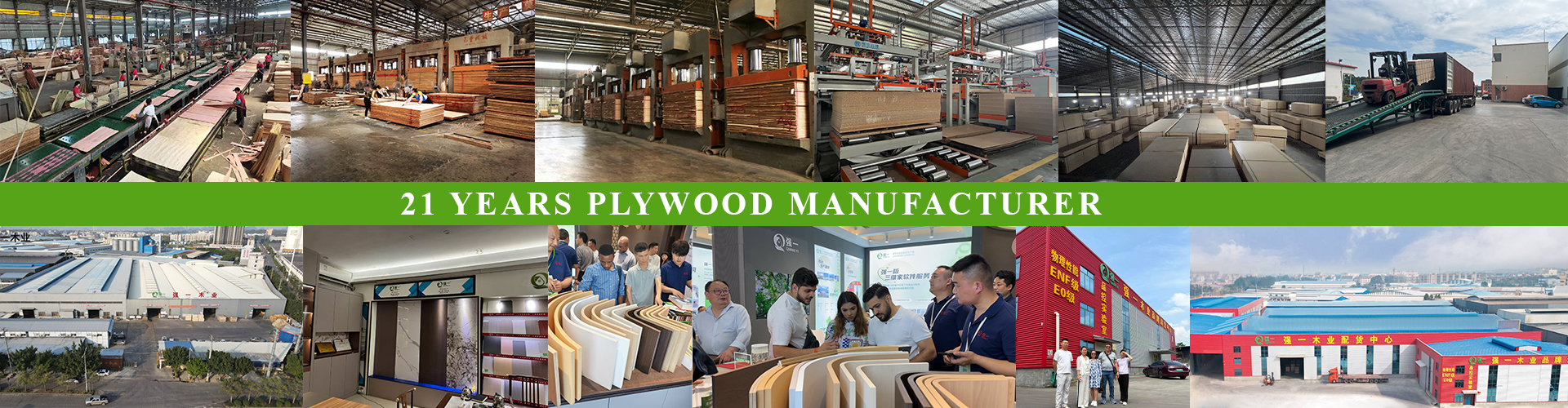
Yes ,We are manufacturer which locate in Guigang, Guangxi, also in Dongguang, Guangdong. Factory is started in the year of 2004 with more than 20 years experience for plywood production.

 Qiangyi
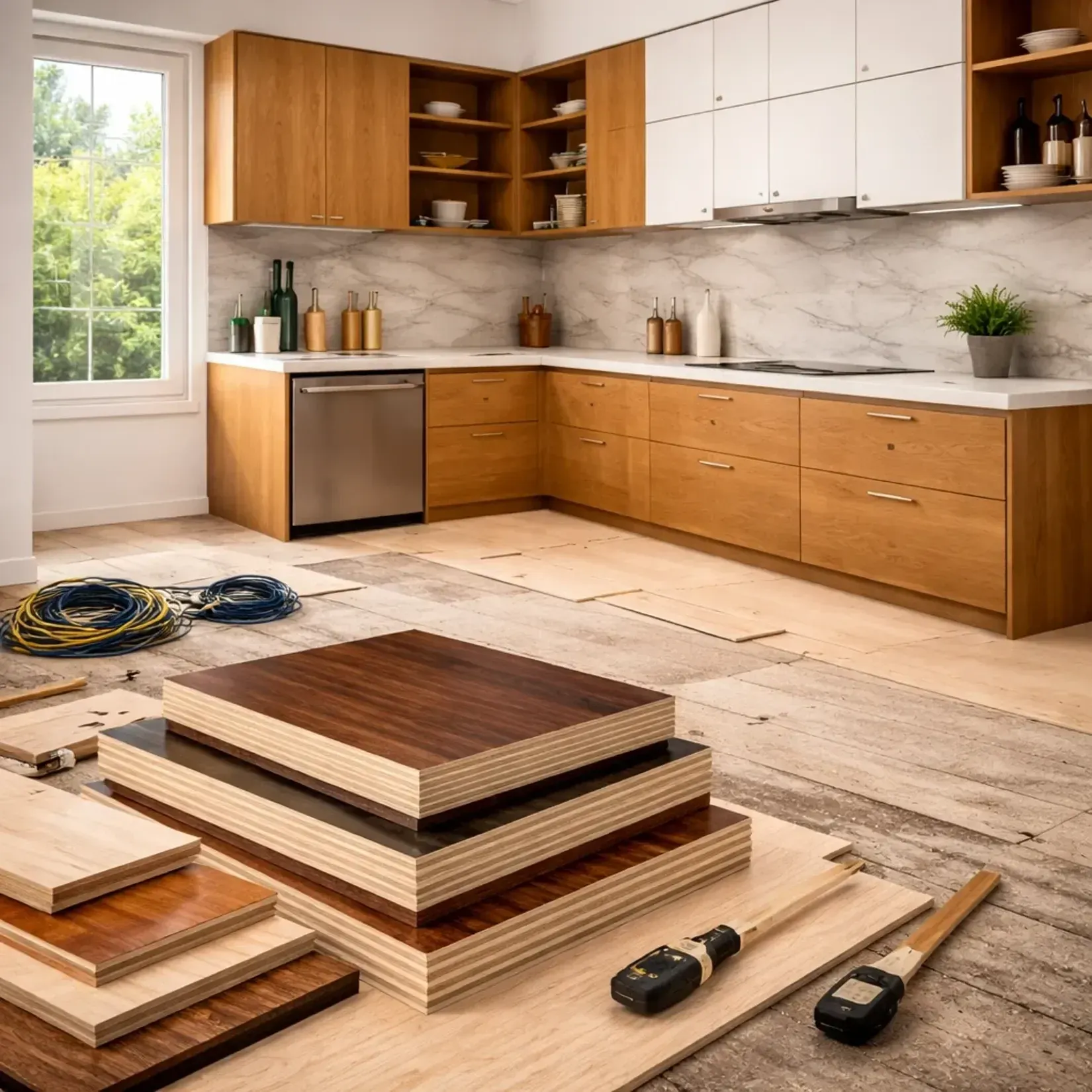
A cabinet door can leave the workshop flat and warp months later. In humid apartments, coastal hotels, kitchens, vanities, and wardrobes beside damp walls, plywood faces repeated moisture changes. For interior contractors, that can mean rework, delayed handover, and warranty calls. The key question is how to specify deformation-resistant plywood.
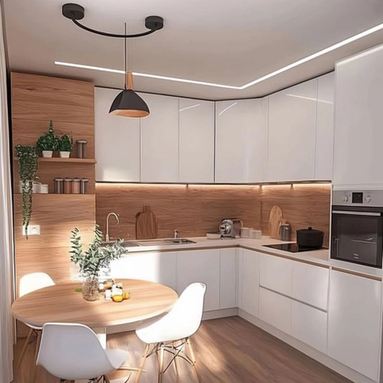
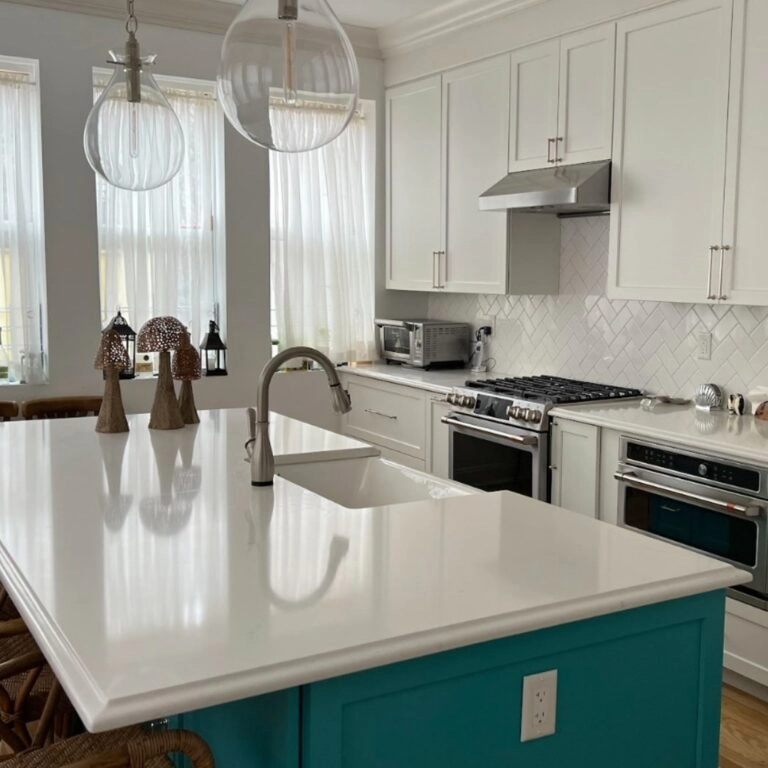
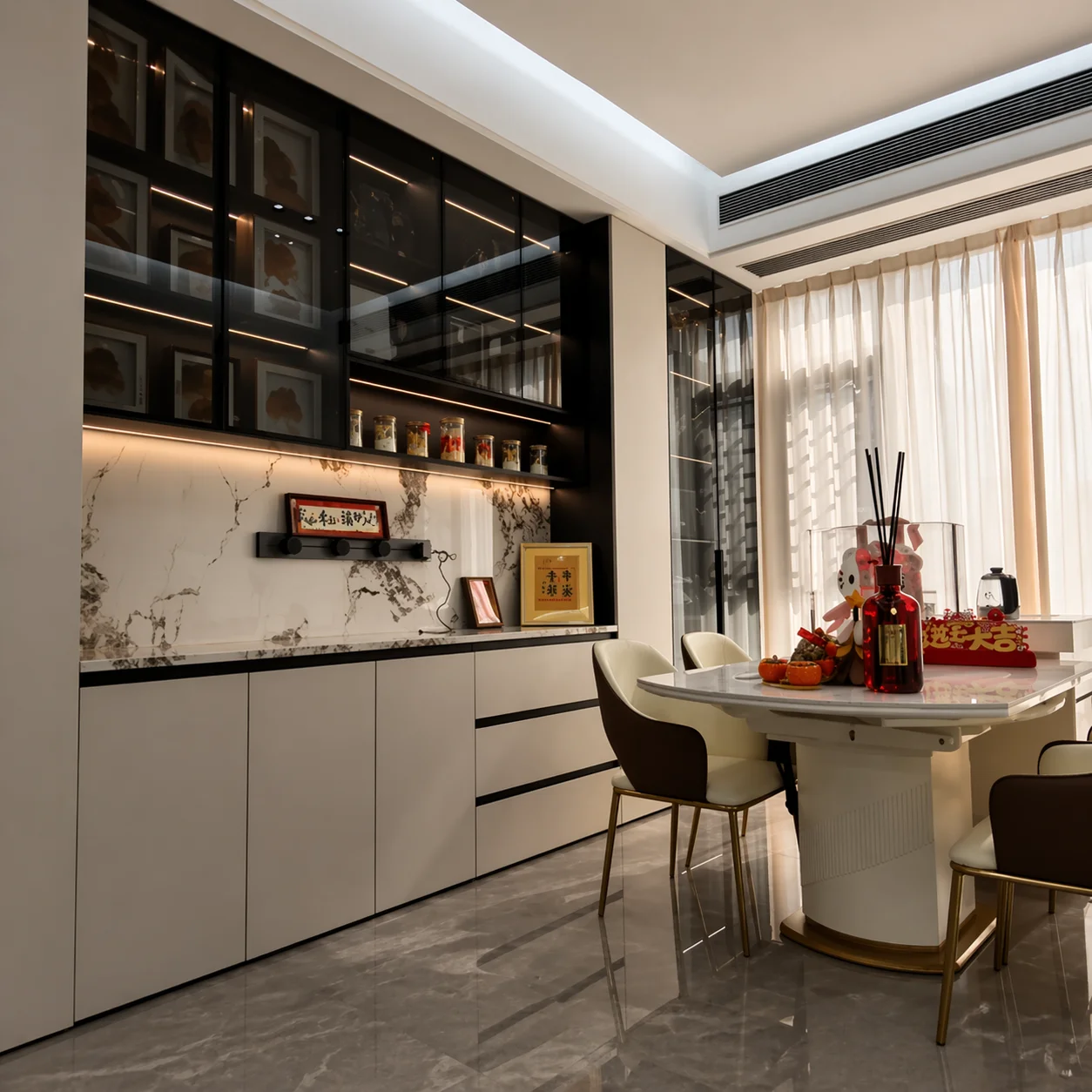
Deformation is common where panels are wide, frequently used, or exposed unevenly. Kitchen cabinet doors may bow, bathroom vanities can cup near damp walls, tall wardrobe doors may develop uneven gaps, and hotel casework near exterior walls can experience repeated moisture cycling.
Early signs are small: an edge no longer sits flush, a drawer front twists, or edge banding lifts. Once fittings are affected, a visual defect becomes a functional one.
A replacement panel may require another site visit, refinishing, hinge adjustment, and client coordination. On multi-room projects, costs multiply.
Panel movement causes poor alignment; poor alignment creates correction work; correction work consumes labor, material, and schedule. Dimensional stability therefore belongs in the procurement specification.
Plywood is cross-laminated, which helps restrain wood movement, but its veneers still absorb and release moisture as humidity changes. Trouble begins when that movement is uneven.
A cabinet door beside a sink may take up more moisture at its edges than on its decorative face. A wardrobe against a cool wall may face different conditions on the back and front. The resulting stress can appear as bowing, cupping, twisting, or local bond failure.
Humidity is often the trigger, not the only cause. Core gaps, uneven veneer moisture, poor symmetry, or residual stress can make a panel more sensitive.
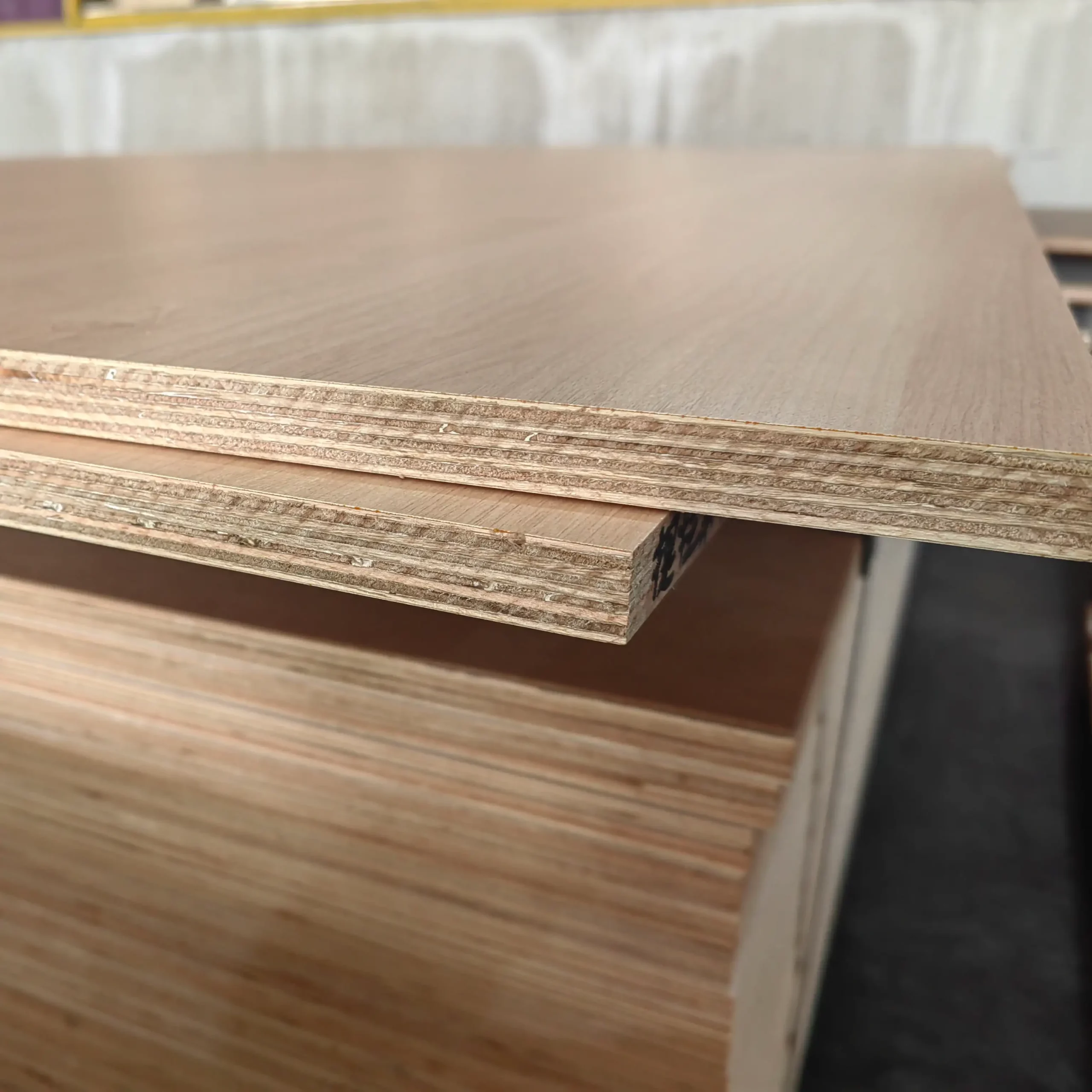
A balanced lay-up distributes forces across the sheet. An irregular core can react unevenly, making hidden instability more obvious after cutting.
Thickness improves stiffness but does not correct an unstable core. A surface laminate can slow moisture entry, yet cut edges, drilled holes, and unsealed backs remain exposed. More hinges can control movement mechanically, but they cannot repair weak bonding. These measures work best when the base panel already suits the environment.
Before specifying plywood for a humid interior, check three fundamentals:
1.Core consistency: closely fitted veneers and balanced layers reduce local weak points. Regarding core material selection, using hardwoods like large-diameter eucalyptus can significantly enhance the panel’s deformation resistance due to advantages such as being knot-free, having high strength, and maintaining stable quality.
2.Moisture control: internal moisture should be controlled before the panel leaves production.
3.Edge and surface strategy: finishing, drilling, sealing, and installation should limit uneven exposure after cutting.
A suitable panel is not simply “waterproof.” Core structure, bonding, conditioning, and installation need to work together.
Buyers should ask what was tested, which requirement applied, and whether the tested construction matches the quoted panel.
| What to verify | Why it matters |
| Immersion peeling | Checks glue-line integrity after moisture exposure |
| Bending strength | Indicates resistance to bending failure |
| Modulus of elasticity | Helps assess stiffness and deflection |
| Core, thickness and face | Confirms the evidence matches the order |
This matters for cabinet doors, long shelves, and vanities where modest movement becomes visible quickly.
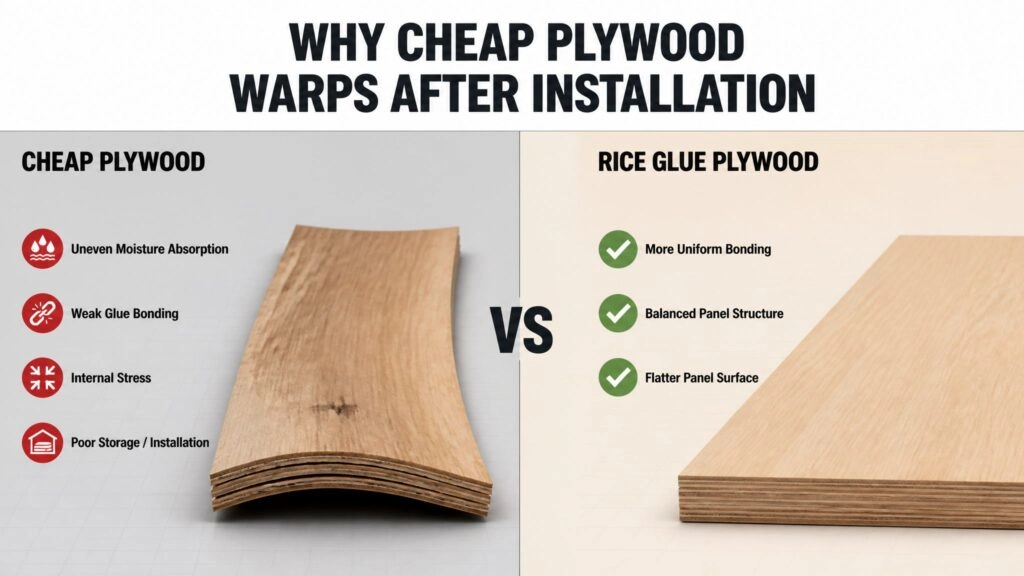
At QIANGYI PLYWOOD, we address deformation by controlling the panel from the core outward rather than relying on a surface claim alone.
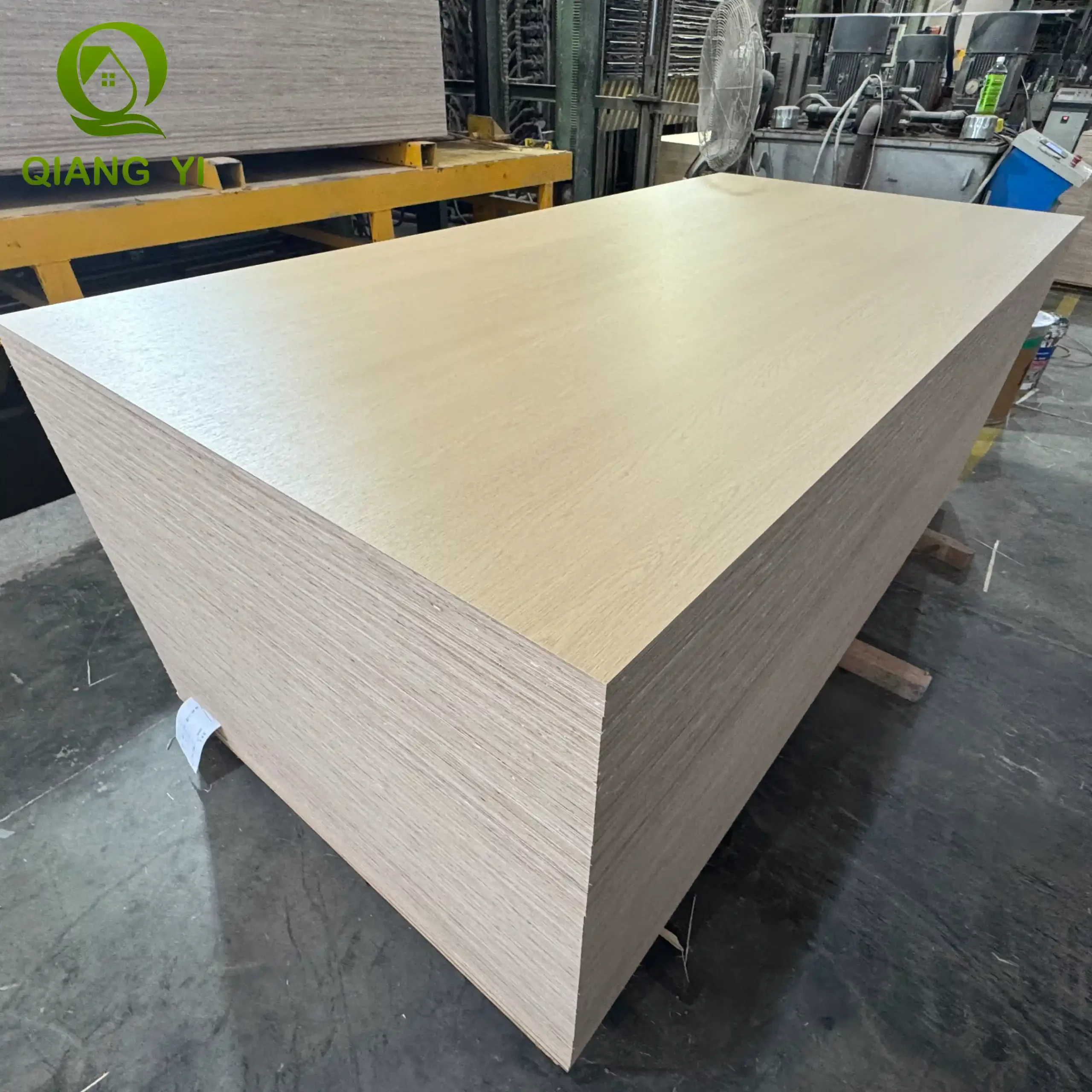
Our glutinous-rice glue plywood uses a full-core lay-up with layer-by-layer gluing. Production includes more than 24 hours of slow cold pressing, about 60 hours of drying, and over 15 days of curing and conditioning. The longer cycle is intended to improve bonding, equalize internal moisture, and allow residual stress to settle before fabrication.
Deformation often appears after cutting and installation. More uniform moisture and a balanced structure help reduce stress concentration within the panel.
The adhesive system uses glutinous rice starch with magnesium chloride, magnesium oxide, and water. After curing, it is designed to penetrate the wood structure and form a dense bonded network. The glutinous-rice board range is controlled at 8–12% moisture content, while its Class II water-resistance positioning is intended for humid environments rather than long-term immersion.
In kitchens, wardrobes, and vanities, the objective is to limit rapid moisture uptake and swelling.
Humidity can create biological problems even before visible warping occurs. All QIANGYI PLYWOOD glutinous-rice glue plywood is made from large-diameter eucalyptus, which possesses natural antibacterial properties. In our glutinous-rice board system, mildew resistance is Grade 0 and the antibacterial rate is above 99%. The process combines the adhesive system with 60-hour controlled drying and moisture control in the 8–12% range.
These properties support dimensional stability; they do not replace it. They are useful in kitchens, bathroom furniture, cloakrooms, and coastal interiors where warm, damp conditions may persist.
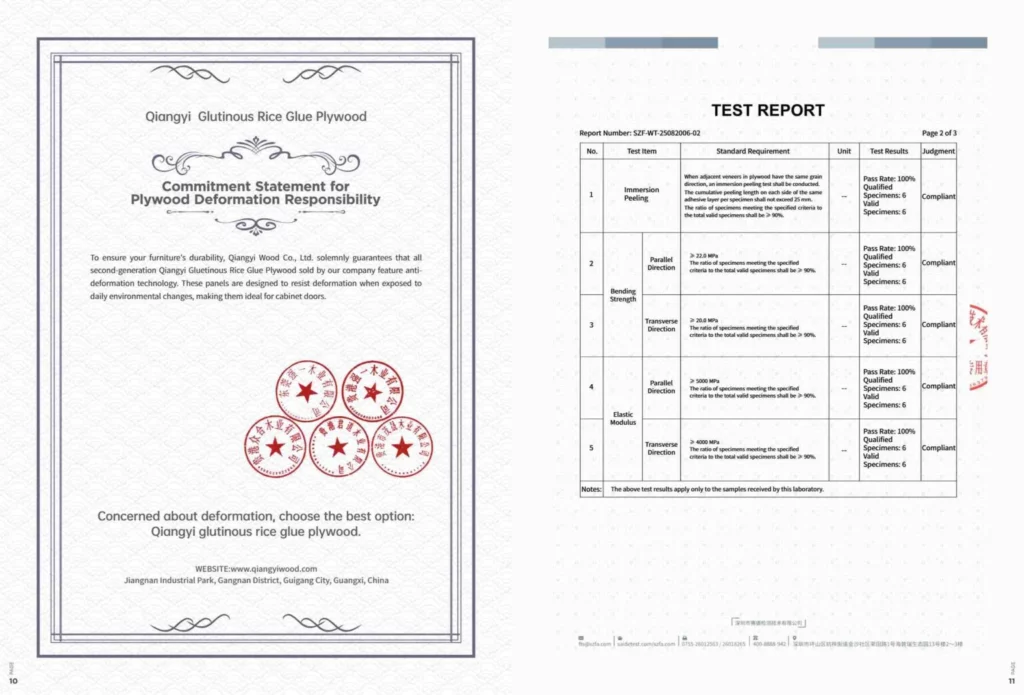
Test Report SZF-WT-25082006-02 provides evidence for bond integrity and structural performance. The report page shows six valid specimens for each item and a 100% pass rate.
| Test item | Requirement shown | Result |
| Immersion peeling | Specified peeling criteria | 6/6 qualified |
| Bending strength, parallel | ≥22.0 MPa | 6/6 qualified |
| Bending strength, transverse | ≥20.0 MPa | 6/6 qualified |
| Elastic modulus, parallel | ≥5000 MPa | 6/6 qualified |
| Elastic modulus, transverse | ≥4000 MPa | 6/6 qualified |
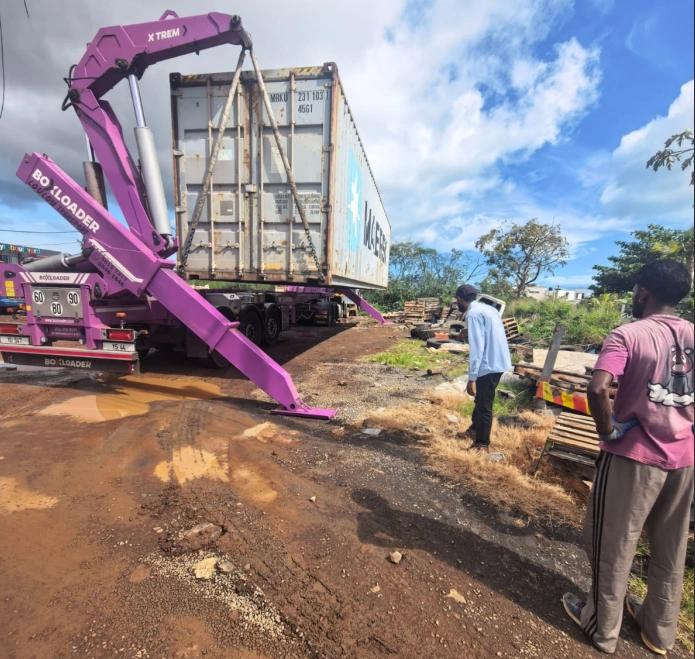
A long-term furniture manufacturing customer in Mauritius was receiving its third full-container replenishment of the year. The product was furniture-grade plywood with a 100% eucalyptus core.
Mauritius has a hot, humid island climate, where ordinary panels may face peeling, deformation, and termite damage over time. For this customer, we supplied plywood using a full eucalyptus core, glutinous-rice adhesive, and temperature-controlled processing to improve stability under humid conditions. The product was also supported by a 9.5-grade termite-resistance test result. The customer commented that using our plywood for cabinets helped reduce concerns about after-sales problems.
Repeat purchasing was also driven by consistency. Stable nail-holding performance and clean cutting edges helped the factory avoid frequent production adjustments and reduce material loss between batches.
Long-distance delivery was another consideration. For sea freight, we reinforced pallet edges and used multiple layers of moisture-resistant wrapping. The customer reported that the pallets arrived intact and the plywood remained dry after unpacking.
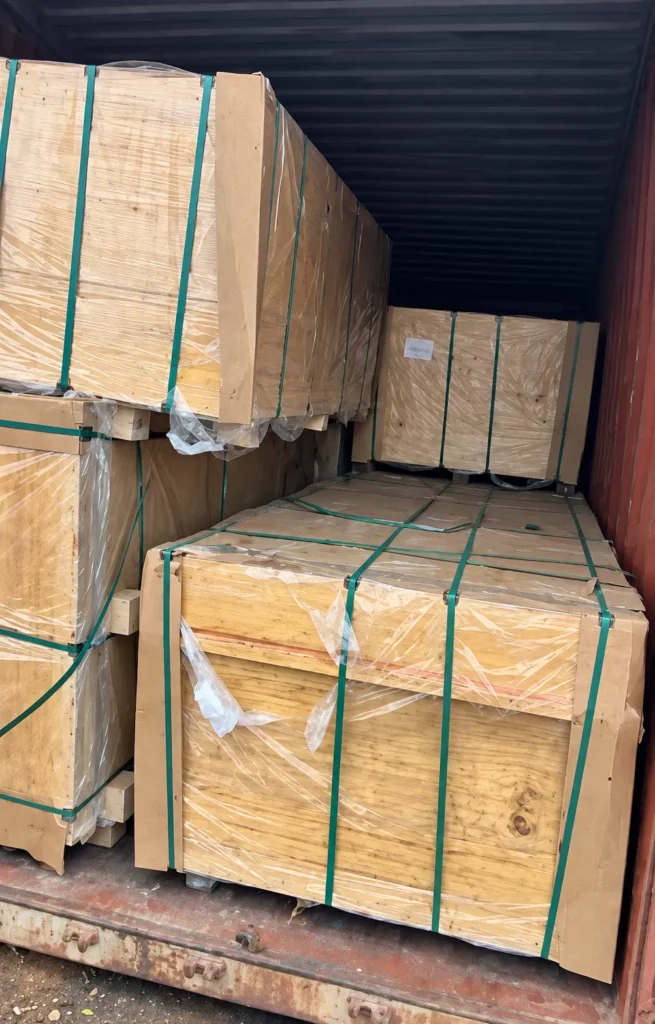
As a direct manufacturer, we can also respond quickly to requirements such as specific sizes or environmental grades, helping repeat buyers maintain a more predictable supply schedule.
For contractors and furniture manufacturers, this case shows that plywood selection is not only about deformation resistance. Batch consistency, transport protection, and supply reliability also affect production loss, after-sales risk, and project delivery.
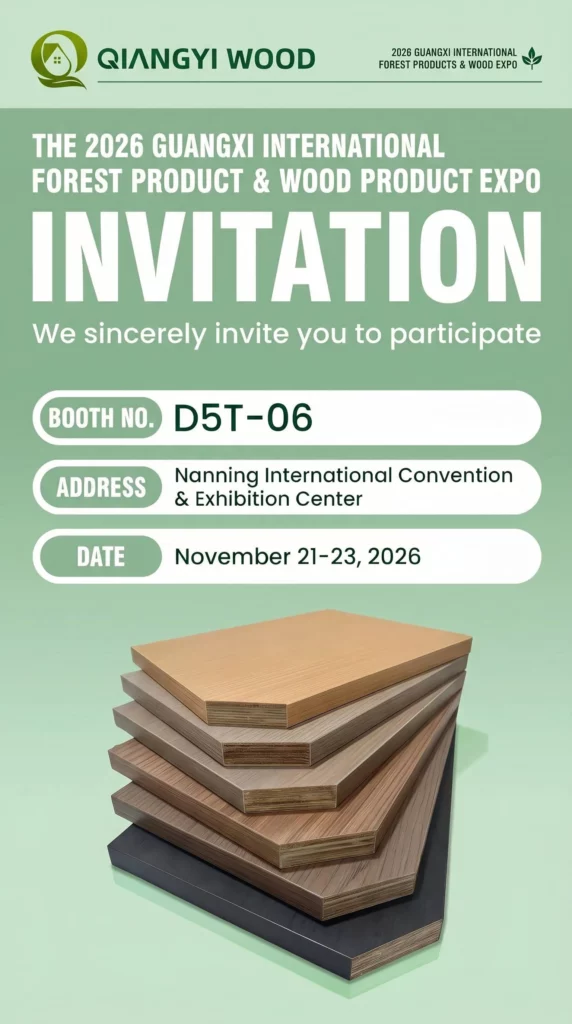
Curious to see the dimensional stability and core quality of our plywood firsthand? We invite you to connect with our team and discuss how our products can secure your next humid interior fit-out project.
*Event Name:THE 2026 GUANGXI INTERNATIONAL FOREST PRODUCTS AND WOOD PRODUCTS EXHIBITION
*Company Name:QIANGYI PLYWOOD
*Booth Number:D5T-06
*Date:November 21-23, 2026
*Location/Address:Nanning International Convention & Exhibition Center
A: Uneven moisture movement is the main mechanism. Different faces, edges, or core areas absorb and release moisture at different rates. Core imbalance, residual stress, weak glue lines, and poor edge protection can make the movement worse.
A: You should always check the core quality and look for a balanced construction. Also, verify the moisture control, bond strength, bending performance, and stiffness. Finally, make sure the provided test documents truly match the actual thickness and structure of your order.
A: Immersion peeling helps assess glue-line integrity after moisture exposure. Bending strength indicates resistance to bending failure, while modulus of elasticity relates to stiffness and deflection. Results are most useful when the tested sample matches the specified product.
A: Yes. Cut edges, drilled holes, uneven finishing, wet substrates, poor storage, and incorrect hardware layout can still create localized moisture entry or stress. A stable panel reduces risk, but fabrication and installation remain part of the solution.
Please fill out the form below and we will get back to you as soon as possible.




Leave a Comments