

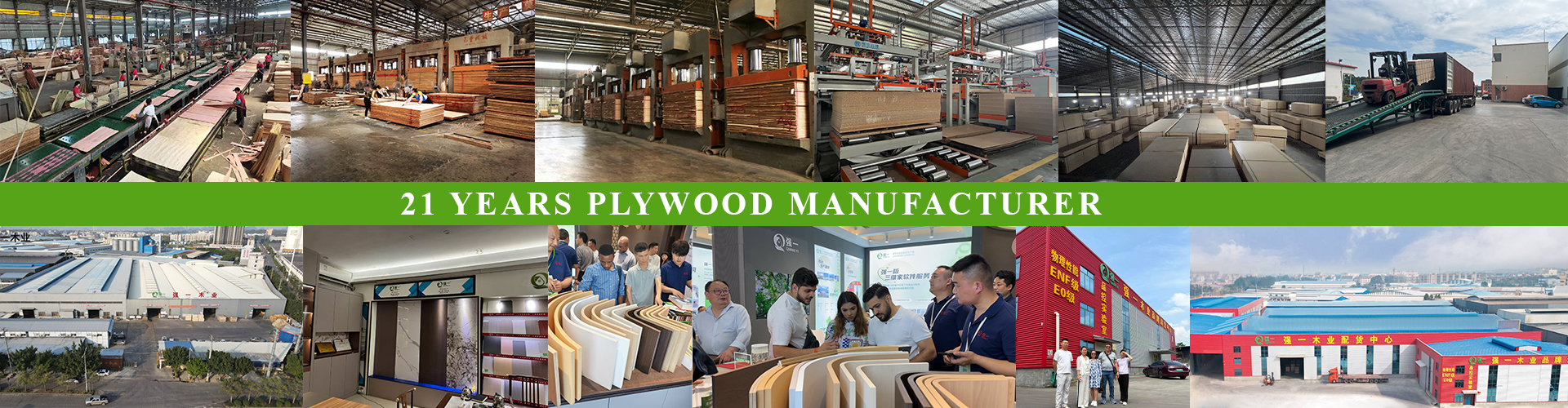
Yes ,We are manufacturer which locate in Guigang, Guangxi, also in Dongguang, Guangdong. Factory is started in the year of 2004 with more than 20 years experience for plywood production.

 Qiangyi
In enclosed spaces and projects with insufficient ventilation, material odors may increase the risk of acceptance communication issues and rework, thereby affecting the delivery schedule. The actual impact depends on the materials used, construction techniques, ventilation conditions, and on-site testing results. Consider a scenario where a boutique hotel or a premium retail store is undergoing a rapid renovation. Every single day spent ventilating an odorous room translates directly to lost operating revenue for your client. Furthermore, post-installation complaints regarding indoor air quality can severely damage your professional reputation. Dealing with unhappy clients consumes valuable time and human resources, leading to lost referrals and putting future construction contracts at serious risk.
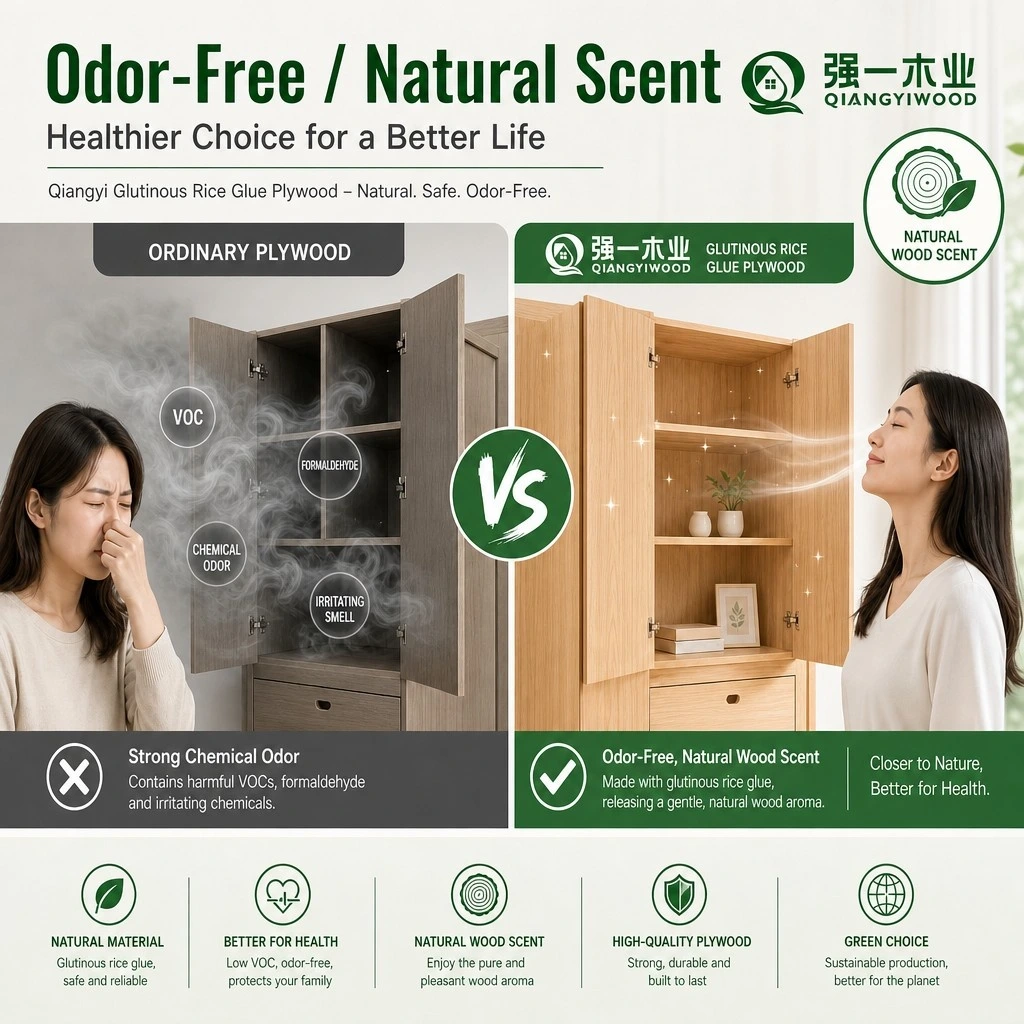
To solve this issue, we must understand the root cause of these persistent smells. The primary source of odors in standard custom furniture panels is volatile organic compounds. These emissions predominantly originate from the traditional adhesives used during manufacturing, such as urea-formaldehyde resin, as well as the natural decay odors produced during wood processing.
Urea-formaldehyde resin adhesives are inherently unstable and volatile. When standard multi-layer boards are exposed to fluctuations in temperature and humidity, the chemical bonds in these resins undergo a reverse reaction, decomposing and releasing trapped gases continuously into the environment for over a decade. Because the permeability of traditional chemical glue is limited, it only bonds the surfaces between individual veneers. This leaves microscopic gaps between the wood fibers, allowing both the chemical off-gassing and the natural smells of the wood to escape freely into the newly renovated room. Relying on aggressive site ventilation or temporary surface treatments only masks this structural off-gassing temporarily, completely failing the strict requirement for an immediate, safe handover.
Professionals must upgrade their sourcing standards to eliminate these procurement risks. Relying on generic eco-friendly labels is no longer sufficient for demanding project timelines. When sourcing materials for fast turnarounds, contractors should evaluate suppliers based on strict, measurable criteria to ensure long-term stability.
A reliable sourcing framework should include the following core parameters:
First, evaluate the adhesive formulation. Traditional boards use urea-formaldehyde resins that continuously introduce chemicals into the environment. A professional-grade board must utilize plant-based or mineral-based non-toxic adhesives to eliminate chemical introduction at the source.
Second, verify the emission thresholds. Meeting basic E1 or E0 limits is often inadequate for enclosed commercial spaces. Contractors should demand Super ENF plywood with zero added formaldehyde and zero benzene to ensure complete occupant safety.
Third, investigate the odor control mechanism. Standard options rely heavily on surface edge banding to temporarily block smells. A truly effective material features a dense internal crystalline structure that structurally locks in odors permanently regardless of the surface treatment.
Finally, demand concrete supplier guarantees. Verbal assurances offer no protection for your business. Procurement teams must require written responsibility commitments for odor-free performance to transfer the risk away from the installation team.
By strictly adhering to these elevated standards, project managers can shift from hoping a room will air out quickly to mathematically guaranteeing a clean handover.
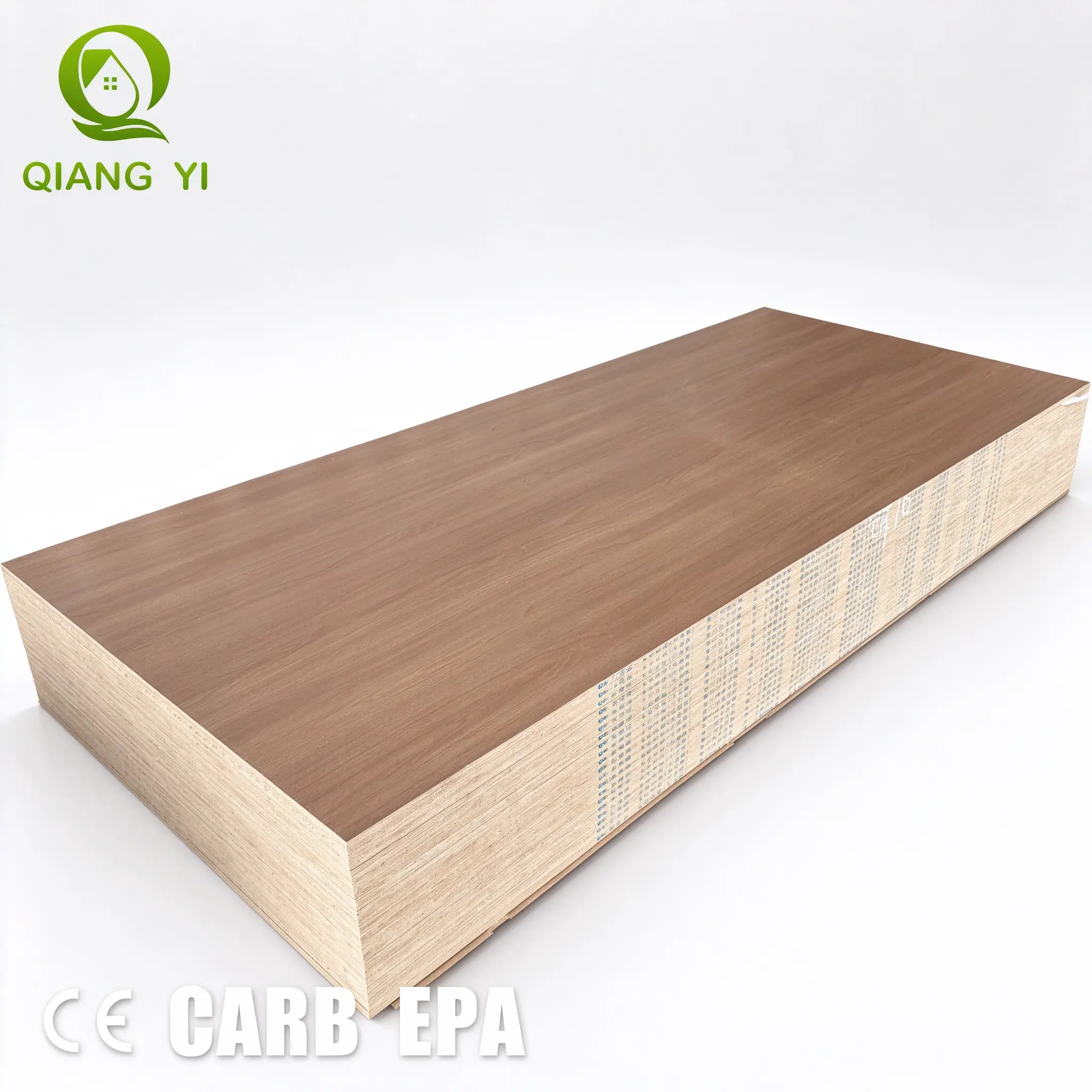
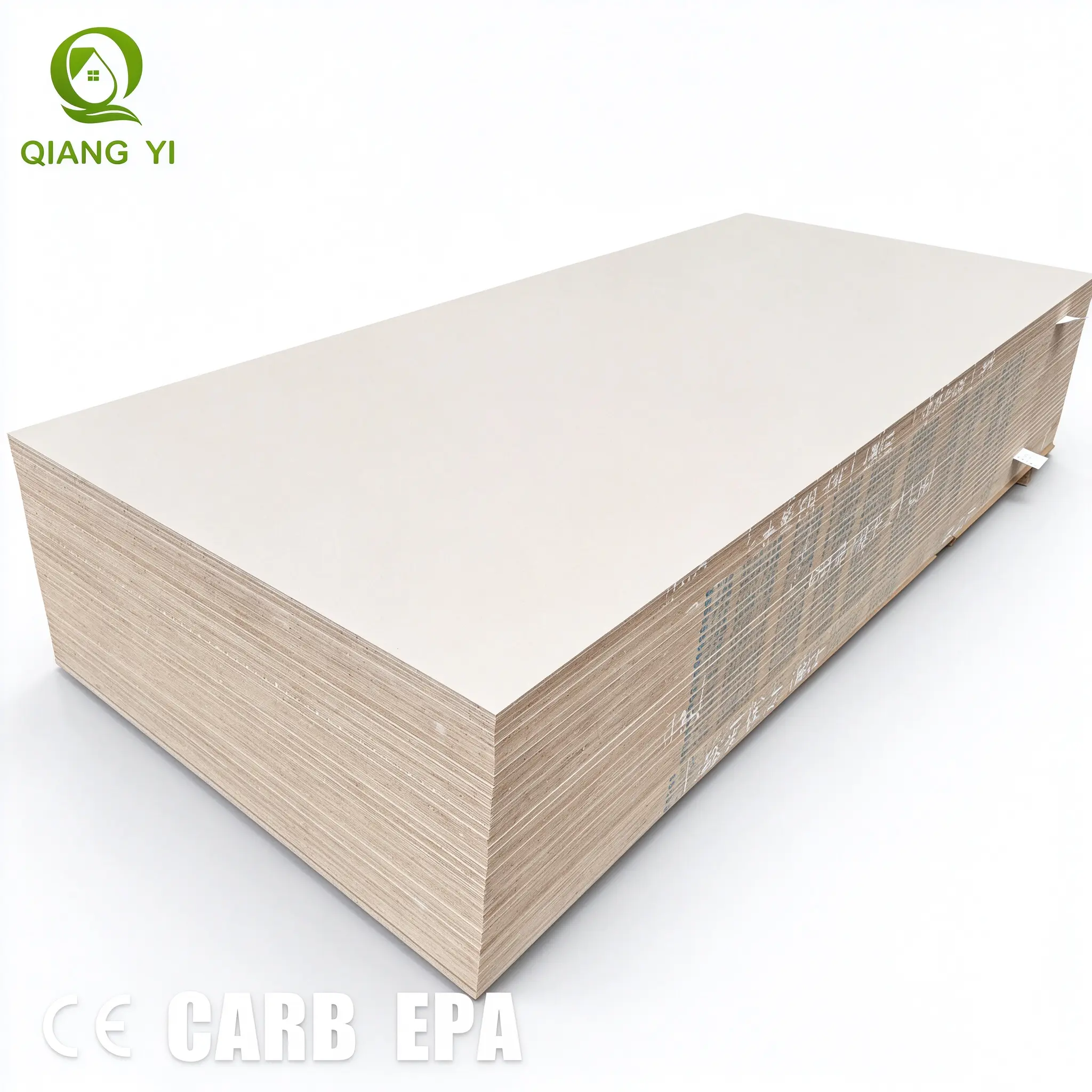
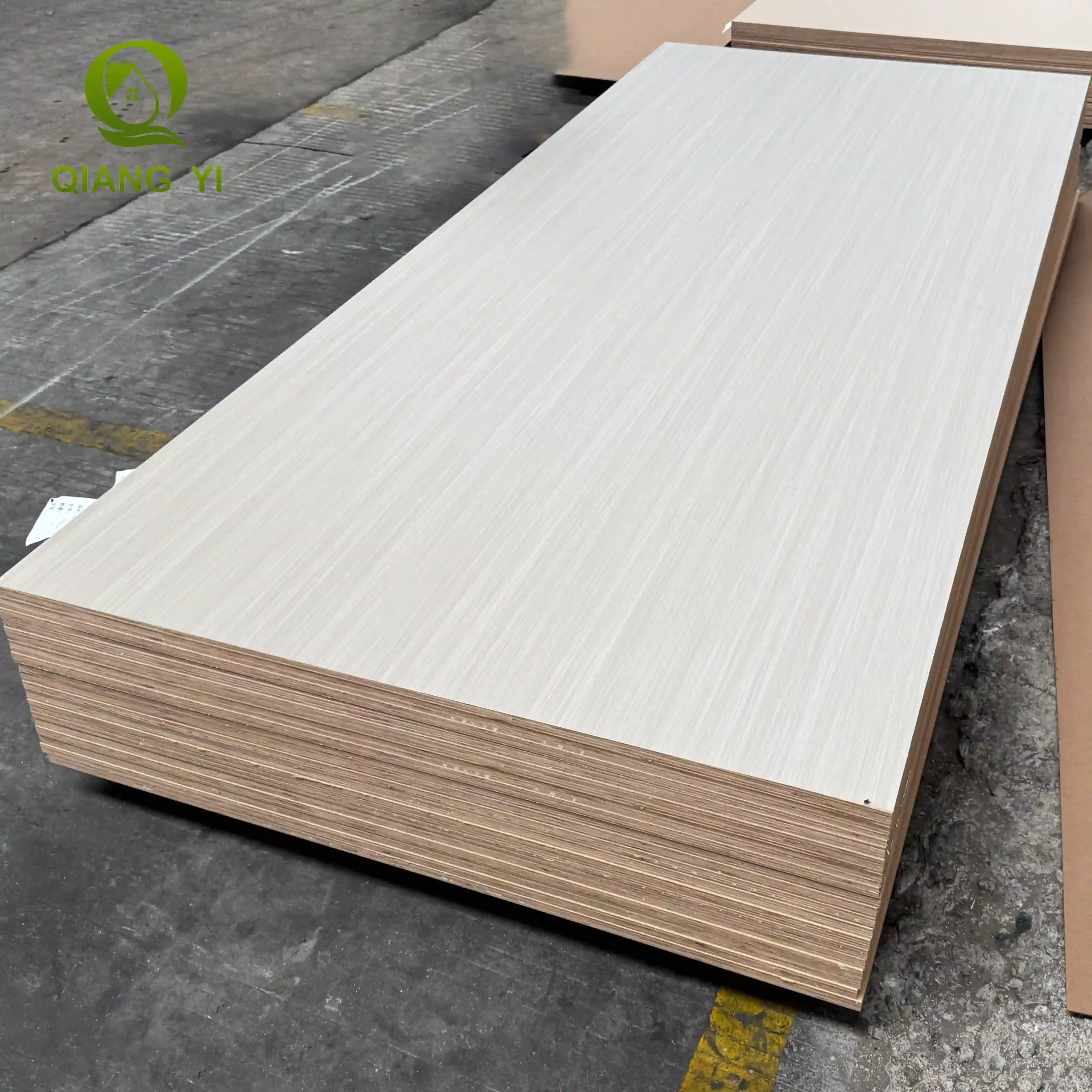
Understanding these strict requirements, QIANGYI PLYWOOD engineered a structural solution designed specifically for contractors who cannot afford delays. We replaced traditional chemical resins entirely to create our Second Generation Multi-Layer Plywood, providing a one-stop solution for fast and safe project completions.
The core of our odorless performance lies in our proprietary adhesive technology. Our glutinous rice glue plywood utilizes Lingmei glutinous rice glue, which is formulated from food-grade glutinous rice starch, magnesium chloride, magnesium oxide, and water. This pure plant and mineral composition ensures that the entire manufacturing process remains entirely free of formaldehyde additives. By eliminating urea-formaldehyde from the equation, we cut off the most significant source of renovation pollution and unpleasant odors at its absolute root.
Our unique adhesive does more than just remove chemicals; it actively seals the substrate. During the high-pressure manufacturing process, our Lingmei glutinous rice glue rapidly penetrates deep into the wood fibers. After curing, the glue forms a highly stable, interlocking crystalline network structure. This dense encapsulation layer firmly locks in the natural scent of the wood itself and prevents any internal decay odors from volatilizing into the air. For interior contractors, this means you can install custom wardrobes, hotel wall panels, and commercial displays that are genuinely ready to move in, achieving visible and detectable freshness immediately upon installation.
In the B2B procurement sector, claims must be backed by verifiable evidence. We provide the concrete data and written assurances required to protect your profit margins and professional reputation.
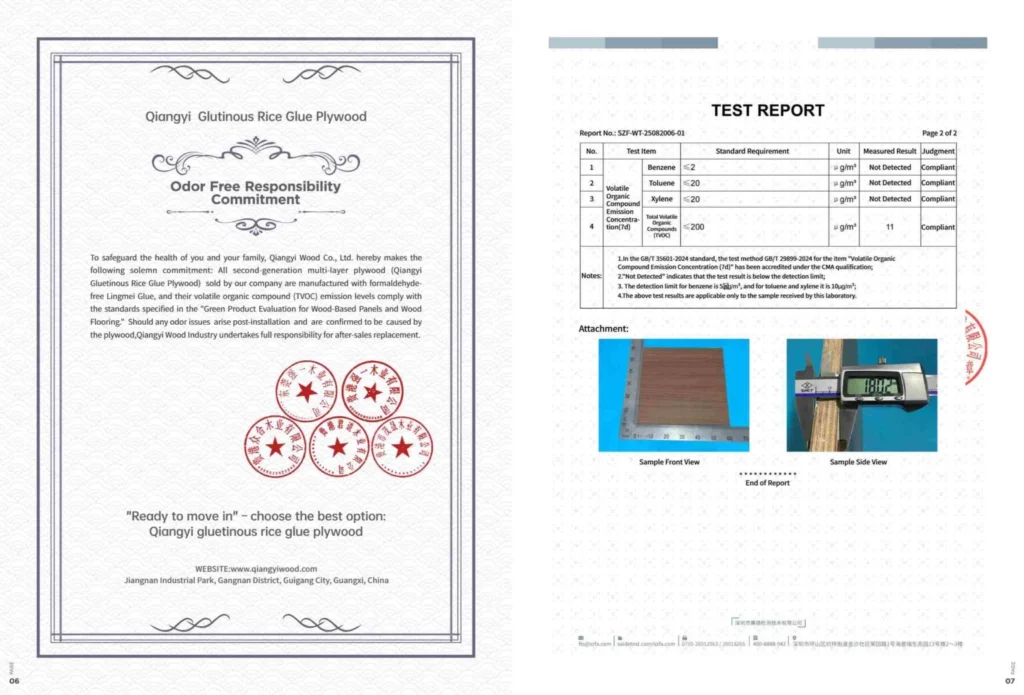
Our manufacturing standards are strictly validated by authoritative testing. You can review the visual evidence in the Test report of SZF-WT-25082006-01. According to the laboratory results, harmful substances such as Benzene, Toluene, and Xylene were not detected. Furthermore, the Total Volatile Organic Compounds concentration was measured at an exceptionally low 11 μg/m³. This result drastically outperforms the standard requirement of less than or equal to 200 μg/m³, proving that our boards deliver an ultra-clean air environment from day one.
We back our scientific data with a powerful market promise. We offer a formal Odor-Free Responsibility Commitment for our second-generation glutinous rice glue plywood. If custom furniture is built using our boards and odor issues arise after installation, and it is confirmed that the odor is caused by our plywood, we commit to taking full responsibility for all after-sales replacement with new materials. This written guarantee completely transfers the procurement risk away from the contractor, ensuring your business is never left bearing the cost of material failures.
A: The top cause of bad smells in fresh boards is volatile organic compounds. Older glues like urea-formaldehyde resin release these gases. Also, raw wood rot smells can escape through tiny holes in the wood grain.
A: Both traditional marine plywood and ordinary plywood typically rely on chemical adhesives that release volatile organic compounds (VOCs). While marine grade offers high water resistance, neither is inherently odor-free. For immediate handover projects, contractors should always choose specifically engineered low-odor panels.
A: Normal boards still rely on chemical resins. They just try to lower the gas output. However, our fix uses Lingmei glutinous rice glue. This glue comes from pure starch and earth minerals. It fully eliminates added formaldehyde and benzene right at the start.
A: Yes, it can. Our unique glue builds a dense crystal web. This web traps natural wood scents and stops chemical off-gassing. The finished room reaches a safe and ready state right after the work ends.
A: Buyers should demand verifiable laboratory reports demonstrating TVOC levels significantly below the 200 μg/m³ limit. Our tested panels achieve an outstandingly low concentration of just 11 μg/m³.
A: Absolutely. Our second-generation multi-layer plywood utilizes a fully interlocked primary core veneer and layer-by-layer glue application, resulting in exceptional rigidity, strong nail-holding power, and high resistance to deformation for heavy-duty applications.
Please fill out the form below and we will get back to you as soon as possible.




Leave a Comments