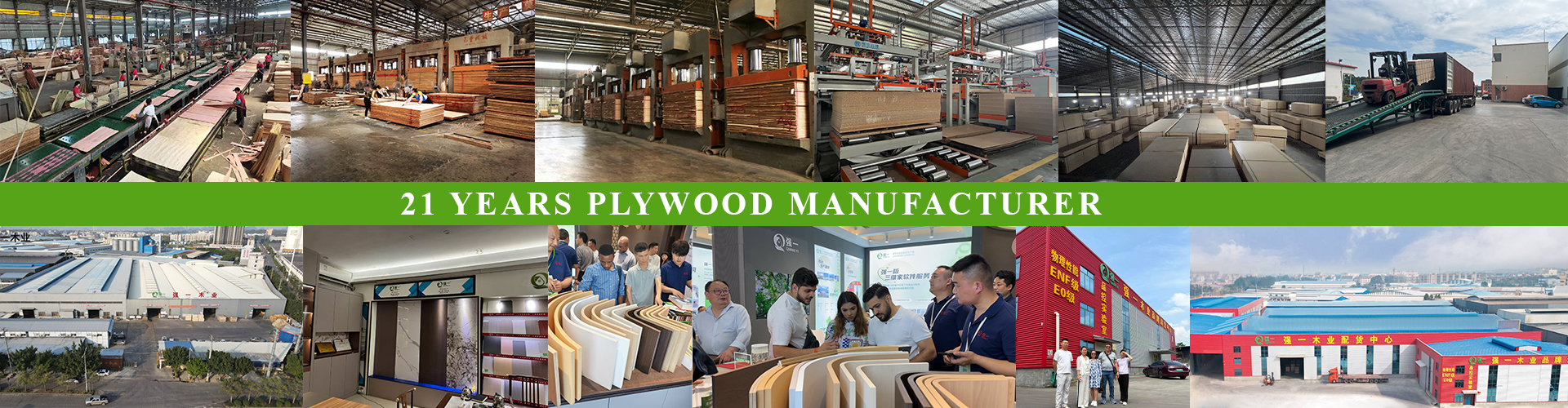
Yes ,We are manufacturer which locate in Guigang, Guangxi, also in Dongguang, Guangdong. Factory is started in the year of 2004 with more than 20 years experience for plywood production.

 Qiangyi
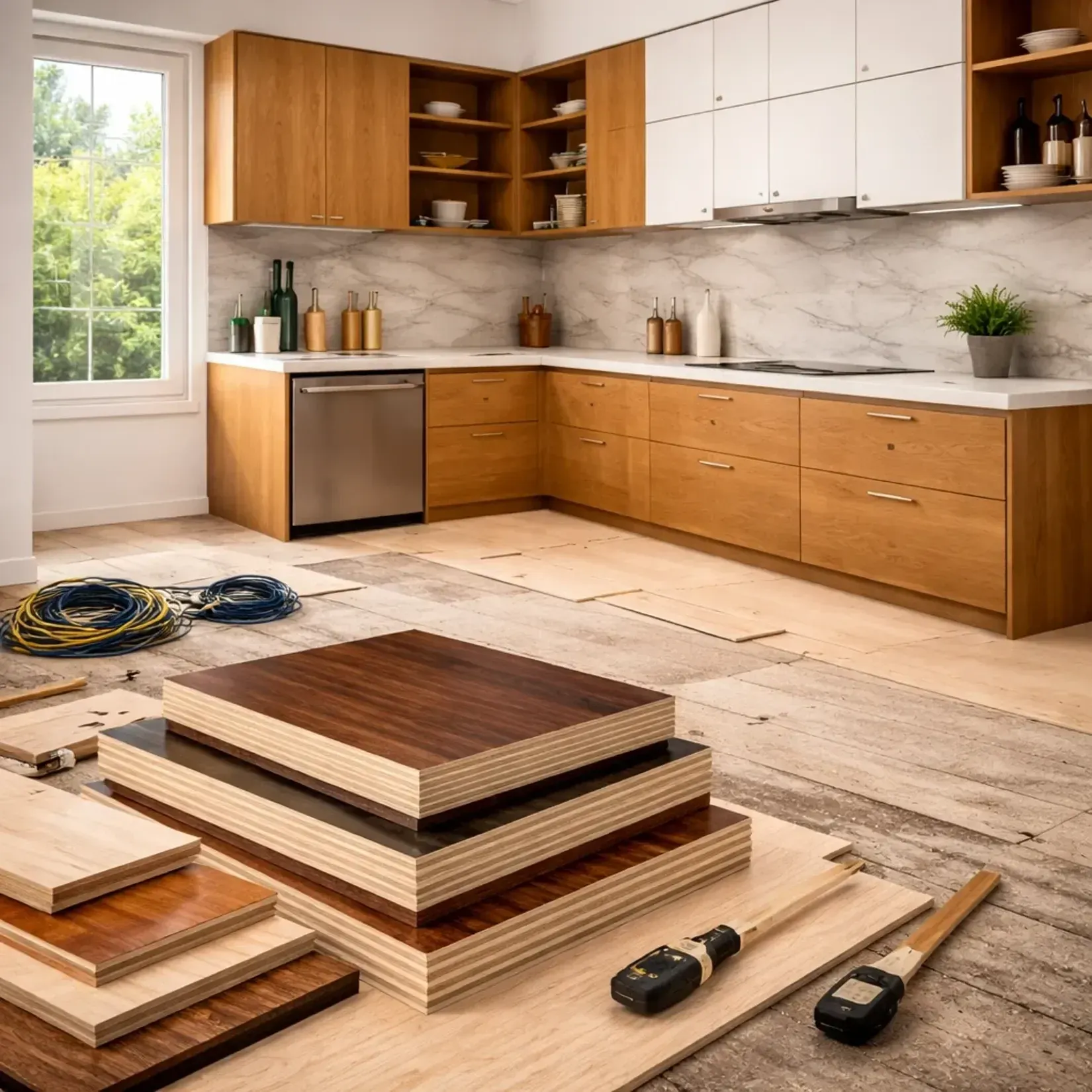
Operating a cabinetry manufacturing business in tropical regions presents unique environmental challenges. High moisture levels combined with aggressive pest populations create a perfect storm for material failure. Manufacturers often face a relentless cycle of frequent after-sales complaints and expensive maintenance requests when standard boards fail in these harsh conditions.
These money problems go beyond simply swapping out ruined doors or cabinet bases. Custom furniture builders get calls about bending shelves or bug-eaten bases. When this happens, the whole team must stop their normal work and have to fix these sudden problems instead. This reactive workflow damages employee morale and drastically reduces the overall output capacity of the factory. Every month spent dealing with customer complaints about ruined cabinets is a month of lost revenue and damaged brand reputation. Word of mouth travels fast in local markets, and a history of failing cabinetry can easily lock a manufacturer out of lucrative commercial project bids.
To mitigate these risks, many businesses resort to chemical sprays before processing the boards. This extra step drives up production costs, slows down manufacturing timelines, and ultimately eats into profit margins. Consequently, finding a reliable anti termite wood board becomes a critical profitability issue rather than just a simple procurement task.
Standard wood structures are inherently attractive to wood-boring insects because cellulose provides an abundant food source. In humid climates, the situation worsens significantly. Traditional materials often utilize urea-formaldehyde resin adhesives, which produce a slightly acidic or neutral environment after curing. This specific pH level creates an ideal living condition for pests to thrive and multiply. Urea-formaldehyde resin adhesives are also notorious for their continuous release of harmful volatile compounds, which exponentially worsens as ambient temperatures rise in tropical environments.
Furthermore, these conventional adhesives have limited permeability, meaning they only sit between the wood veneers without filling the internal fiber gaps. When wood fibers are left exposed internally, they act like microscopic sponges. In a kitchen environment where steam from cooking and ambient tropical humidity are constant, these sponge-like fibers absorb moisture rapidly. The resulting volumetric expansion pushes against the laminate surface, leading to ugly peeling, warping, and structural weakness over time. While surface-level chemical treatments might offer a temporary fix for the insect issue, they are costly to apply regularly and wear off, leaving the core vulnerable to structural collapse. They also completely fail to address the simultaneous moisture swelling problem that plagues tropical installations.
To permanently eradicate these profit-draining after-sales issues, cabinet manufacturers must establish strict criteria for sourcing core materials. A truly suitable board for humid kitchens must possess native defense mechanisms built directly into its structure, eliminating the need for secondary chemical treatments. The internal chemical environment of the board must be naturally hostile to pests. Termites rely on symbiotic microorganisms to digest cellulose, and these microorganisms can only survive in specific pH conditions. Altering this internal pH is the most effective way to neutralize the threat without relying on toxic sprays.
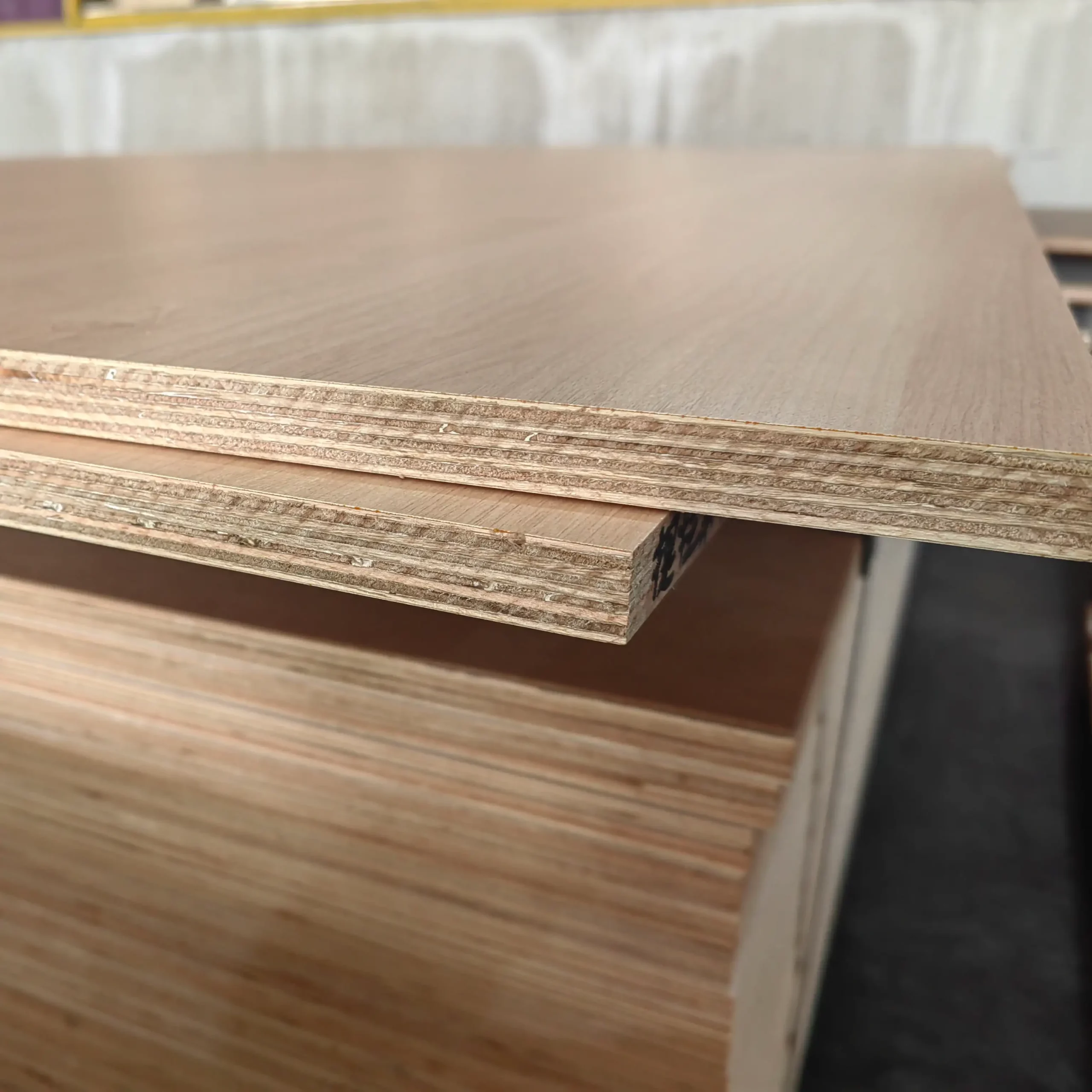
Beyond pest defense, the board requires an exceptional core density achieved through advanced adhesive penetration. This physical barrier blocks water molecules and prevents the swelling that ruins cabinet doors in humid areas. The best termite proof plywood should also come with verifiable industry testing data, proving its capability to withstand tropical challenges over the long term. Finally, the ideal board should prioritize human health. It should be entirely free of toxic additives, ensuring that indoor air quality remains pristine and safe for families even in poorly ventilated kitchen spaces.
| Evaluation Factor | Standard Wood Panels | Ideal Anti Termite Board |
| Internal Environment | Acidic or neutral pH | Highly alkaline pH |
| Core Density | Porous with air gaps | Highly compact and dense |
| Pest Defense | Relies on surface sprays | Built-in structural defense |
| Moisture Response | Rapid water absorption | Strong anti-swelling capability |
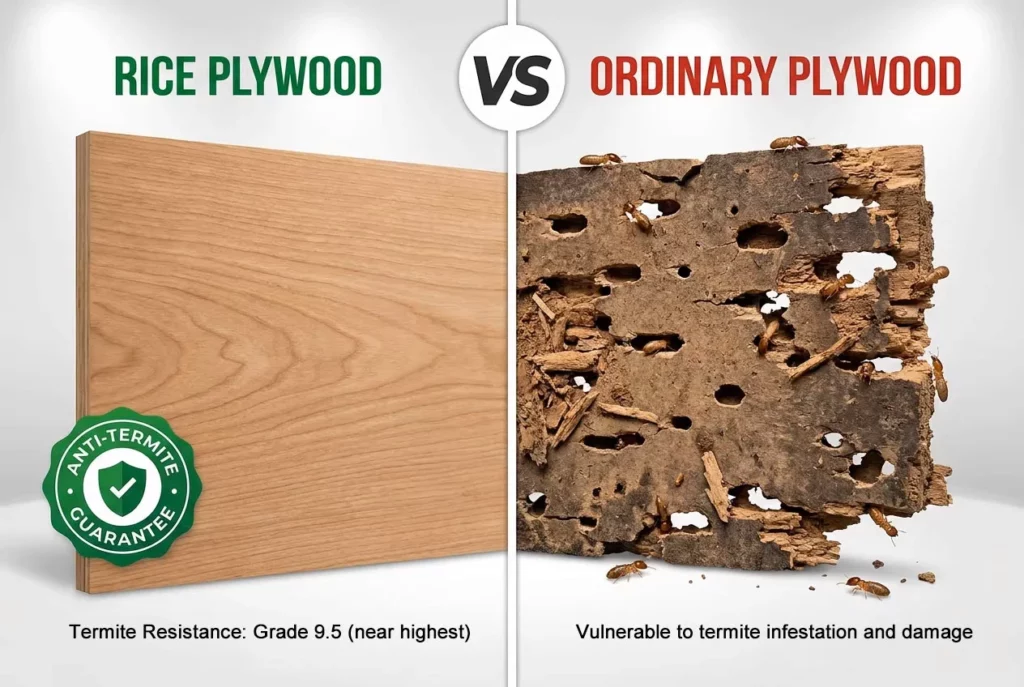
Meeting these stringent criteria requires a fundamental shift in material engineering. We spent years analyzing the precise failure points of traditional boards in Southeast Asian markets. We developed our second-generation multi-layer boards to natively survive in tropical environments without requiring extra processing steps on your end.
The core of our defense mechanism lies in our proprietary Lingmei glutinous rice glue. This unique adhesive is carefully formulated from food-grade glutinous rice starch, water, magnesium chloride, and magnesium oxide. Unlike traditional resins, our glue exhibits exceptional permeability during the manufacturing process. It penetrates deeply into the wood fibers, and upon curing, it forms a dense, interlocking crystalline network structure. This compact core provides strong water resistance, firmly blocking water molecules from entering the wood gaps and preventing the board from swelling in humid kitchens. More importantly, the reaction between magnesium chloride and magnesium oxide creates a highly alkaline environment within the board. When pests attempt to consume the wood fibers, they also ingest this alkaline adhesive, which destroys their digestive symbiotic microorganisms, effectively neutralizing the threat from within.
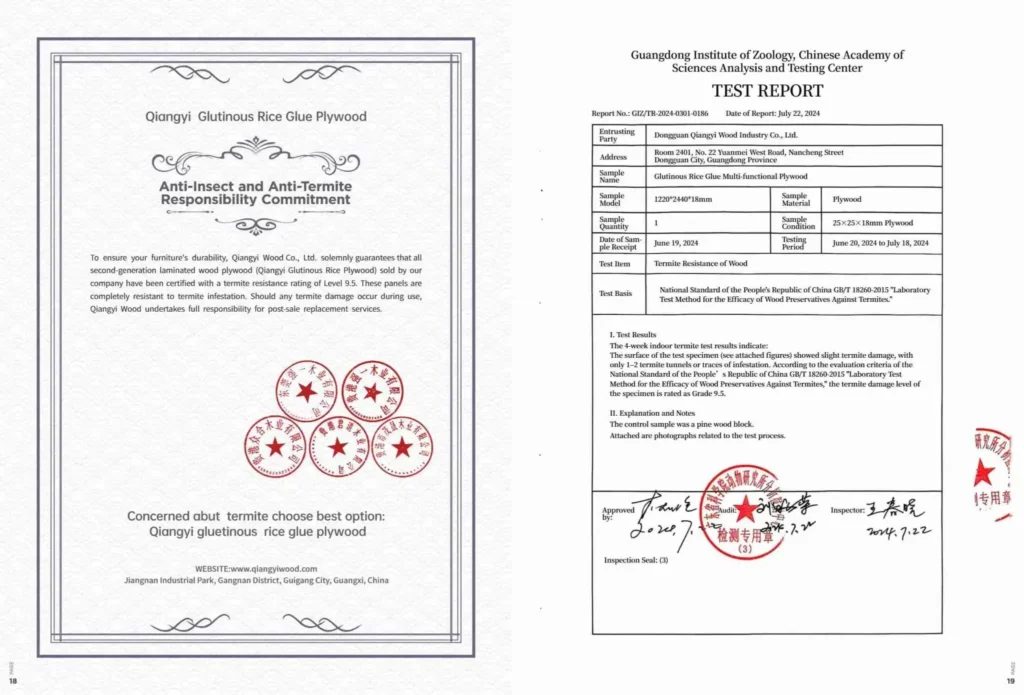
We understand that B2B buyers need measurable proof rather than just verbal assurances. Through rigorous testing, our material has officially achieved a Grade 9.5 termite resistance rating. According to the official test report GIZ/TR-2024-0301-0186, our product underwent a stringent evaluation. Based on the National Standard of the People’s Republic of China GB/T 18260-2015 for testing the efficacy of wood preservatives against termites, a 4-week indoor termite test was conducted on our sample. The results indicated that the surface of the test specimen showed only slight damage, with a mere 1-2 termite tunnels or traces of infestation. This official document confirms that the material provides superior native defense without relying on toxic surface sprays. By securing this certification, we give our B2B partners the ultimate tool to reassure their own end-consumers about the lifespan of their custom furniture.
To ensure this consistent performance across all orders, we enforce a strict 24-hour cold pressing cycle and a 60-hour drying process, securing unmatched structural stability across every batch of our plywood for humid climates.
Transitioning to structurally sound materials directly impacts your bottom line by drastically reducing maintenance and replacement expenses. A practical example of this value comes from one of our custom furniture clients based in the Philippines. Before upgrading their materials, they had to handle multiple pest-related after-sales issues every single month. To combat this, they were forced to apply chemical pest control treatments to all incoming boards, which significantly increased their operational costs and labor time.
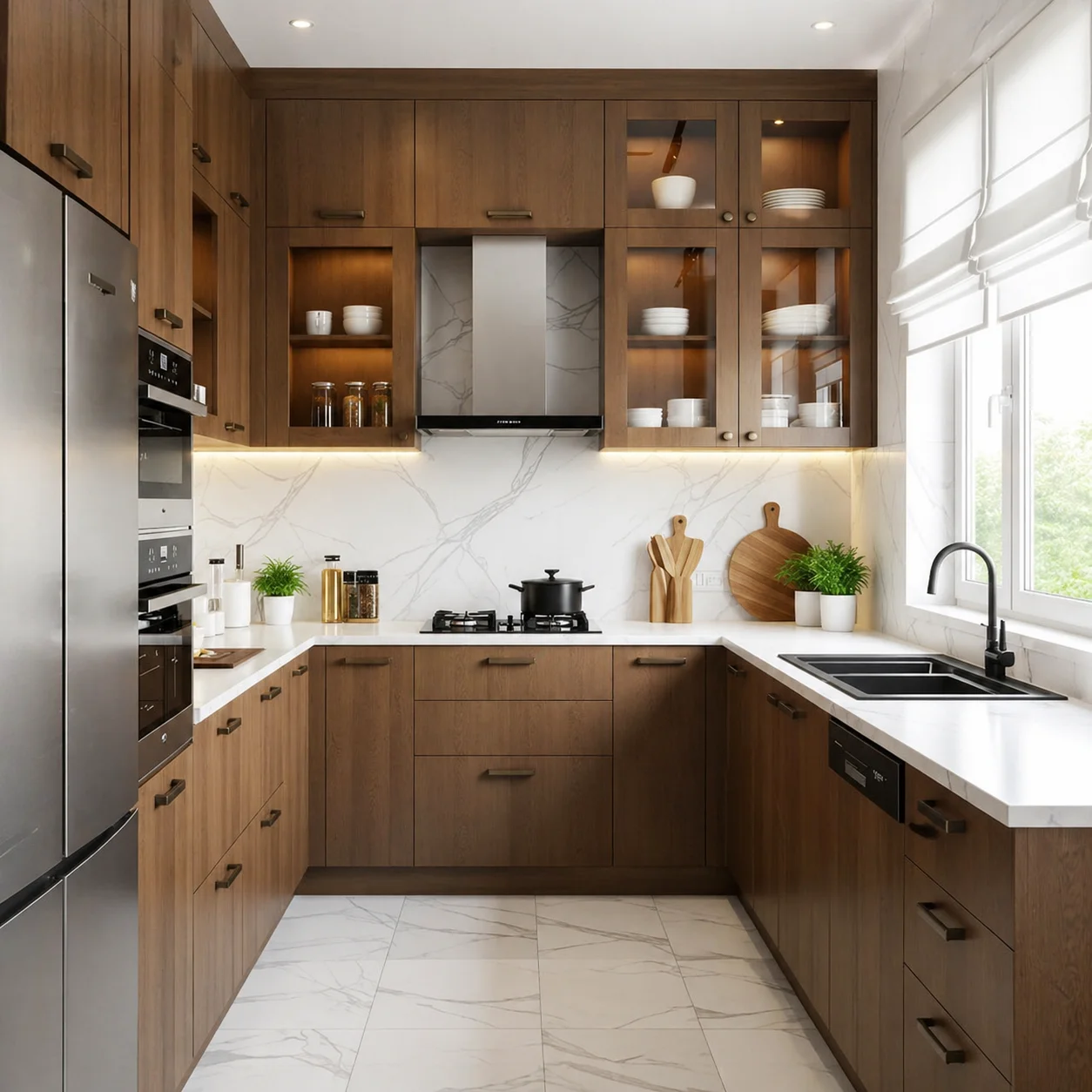
After switching to our glutinous rice glue multi-functional plywood for their high-end melamine laminated cabinet projects, the results were immediate and highly profitable. Their customers provided overwhelmingly positive feedback, reporting zero traces of pest erosion and absolutely no swelling phenomena in their kitchen installations. They experienced seamless integration into their manufacturing line because our panels cut cleanly without excessive wear on their machinery, further proving the comprehensive value of our product. By integrating our termite resistant plywood into their supply chain, we helped them successfully eliminate their chemical treatment overhead and stop losing money on constant repairs. This manufacturer now confidently uses our promotional materials on their own website to educate consumers about the benefits of advanced core materials. They drastically lowered their procurement risks and secured higher profit margins on every customized project.

Are you ready to eliminate after-sales maintenance costs and upgrade your custom cabinetry projects? Contact QIANGYI PLYWOOD today to learn how our advanced panel solutions can protect your profitability in humid climates and request a sample for your next project.
A: Standard laminated plywood is not naturally resistant to pests and typically requires supplementary chemical sprays to survive in tropical regions. To secure true protection without these costly extra processing steps, buyers should source boards engineered with built-in defense mechanisms, such as our material featuring a Grade 9.5 resistance rating.
A: The optimal choice combines high pest deterrence with strong anti-swelling properties. Because tropical kitchens face both severe moisture and insect threats, a core bonded with advanced adhesives like glutinous rice glue delivers the precise structural stability and water resistance necessary for long-lasting cabinet installations.
A: Natively resistant boards completely remove the labor and material expenses tied to chemical pre-treatments. More critically, utilizing reliable plywood for humid climates drastically cuts down the financial drain of monthly after-sales repairs, door replacements, and customer compensation payouts.
A: Yes, our proprietary glutinous rice glue delivers exceptional water resistance by filling the internal fiber gaps. This ensures that even in highly humid environments, the core remains exceptionally compact and stable, effectively preventing long wardrobe doors and kitchen cabinet bases from warping or swelling.
A: Buyers should evaluate official performance metrics, such as test report which confirms a Grade 9.5 resistance certification, alongside real-world supplier case studies. Demonstrable success in challenging environments serves as reliable proof that the material will perform as required without degrading over time.
Please fill out the form below and we will get back to you as soon as possible.




Leave a Comments