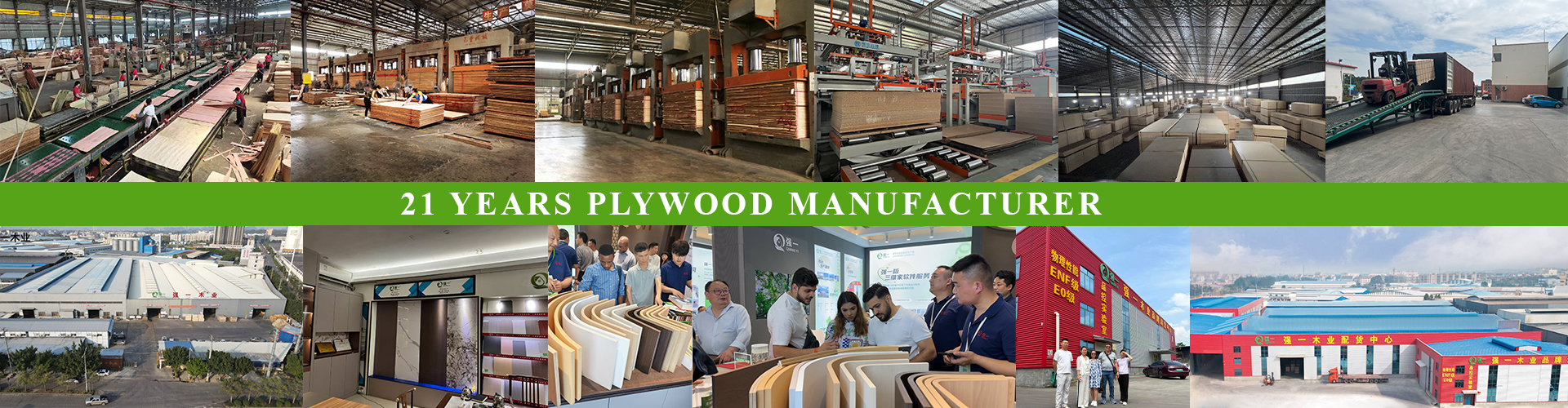
Yes ,We are manufacturer which locate in Guigang, Guangxi, also in Dongguang, Guangdong. Factory is started in the year of 2004 with more than 20 years experience for plywood production.

 Qiangyi
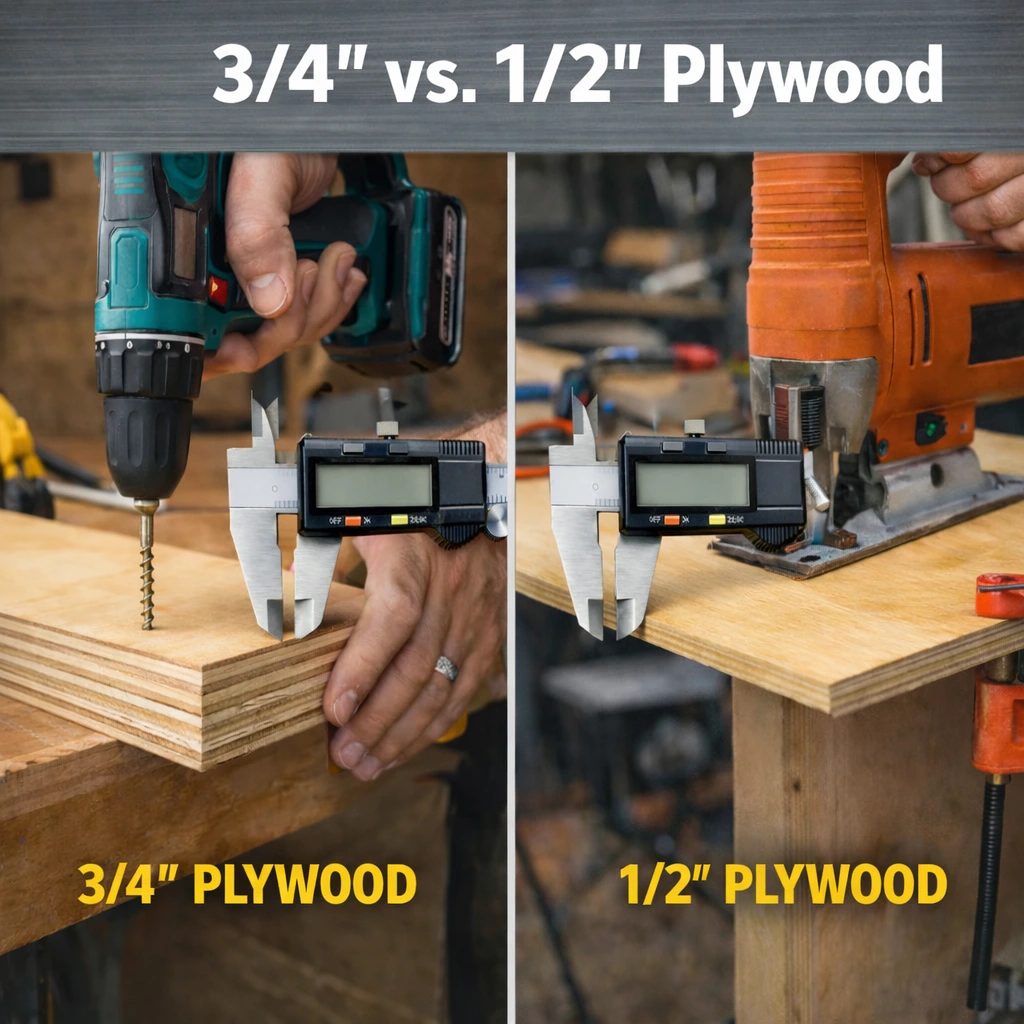
When assessing 3/4 inch plywood versus 1/2 inch plywood, the main factor is structural performance. The higher bending strength of 3/4 inch plywood fits perfectly for long-span structural uses like flooring, heavy-duty platforms, and industrial furniture. This added thickness provides better rigidity, which limits flexing or sagging under concentrated loads. 1/2 inch plywood may warp or droop when facing high weight over time, particularly in areas without support.

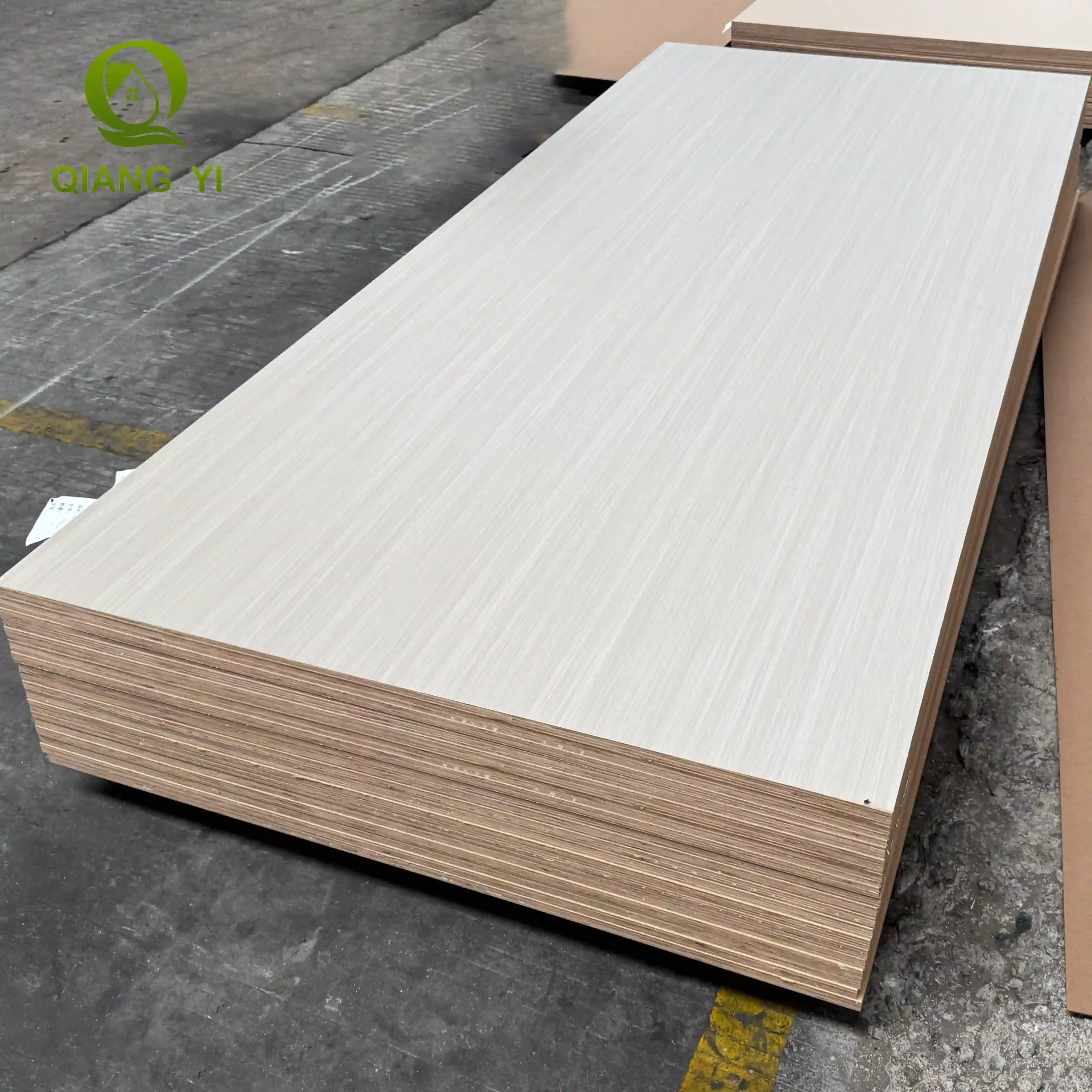
The effect of thickness on resistance to twisting appears obvious. A 3/4 inch 4×8 plywood panel provides greater stiffness against twisting, thus maintaining shape stability under irregular pressure or vibration. QIANGYI glutinous rice glue plywood uses Lingmei glutinous rice glue as the adhesive, and the substrate consists fully of primary core boards with a continuous core. Common multi-layer boards employ urea-formaldehyde resin glue. They impose no particular demands on the core board. The continuous-core design delivers uniform load distribution over the entire sheet. This approach boosts general stability in tough applications such as subfloors and workbenches.

Fastening reliability marks another key difference between these two thicknesses. The thick inner layers of 3/4 inch plywood offer a firmer hold for screws and nails, which stops them from coming loose as time passes. QIANGYI glutinous rice glue plywood uses Lingmei glutinous rice glue, which creates a tight crystalline structure after hardening. It shows very high rigidity and resists taking in water or swelling easily. Thus, its ability to resist changes in shape matches that of particleboard. At the same time, it holds nails more firmly and lasts longer.
In comparison, 1/2 inch plywood features thinner layers that might not secure fasteners well under moving loads or vibration, which can cause joint weakness in furniture or cabinetry facing regular motion. The lasting resistance to wear in 3/4 inch 4×8 plywood helps it keep structural soundness at vital connection spots—such as flooring joints or frame crossings—making it fit better for construction-grade tasks where lasting quality matters most.
Selecting between these two types hinges on the needs of the application:
QIANGYI All-Weather glutinous rice glue plywood has clear benefits: it proves healthier by meeting the super ENF environmental protection standard, remains odorless, and offers anti-mildew and antibacterial features; it lasts longer with resistance to deformation, waterproof and moisture-proof qualities, insect-proof and termite-proof protection, aging resistance, and crack resistance; it stays safer through flame-retardancy; and it provides more comfort via heat and sound insulation. These traits position QIANGYI PLYWOOD’s thick multifunctional plywood as a solid choice for both residential structures and commercial interiors that need dependability over many years.
Although 1/2 inch plywood seems cheaper at first because of less material use and lighter weight—which eases handling—its value over time drops if extra support proves necessary down the line. Thinner panels often call for added framing or support beams to stop sagging under weight. Such extra expenses soon cancel out the starting savings.
3/4 inch plywood brings stronger performance over its full life with few upkeep demands. The bonding power of the high-strength all-weather glutinous rice glue plywood reaches 21 while that of ordinary multi-layer board reaches 18; the nail-holding force hits 1370, while that of ordinary multi-layer board hits 1250; the static bending strength measures 67 in the parallel direction and 59 in the perpendicular direction, while that of ordinary multi-layer board measures 51 and 40, respectively. These figures show why thicker panels endure longer without warping or separating, even in changing temperature or humidity settings.
Thus, a larger initial outlay might apply for 3/4 inch marine or melamine plywood, but its lasting nature cuts down on replacement needs, yielding better value over time, especially in kitchens, bathrooms, or outdoor furniture facing moisture.
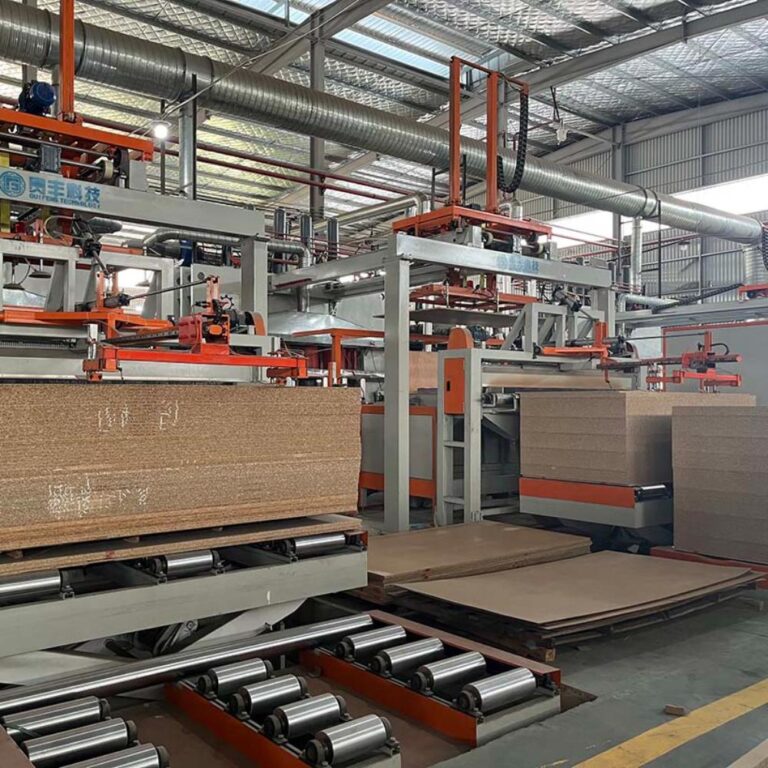
QIANGYI PLYWOOD distinguishes itself through an advanced production method that draws from old Chinese skills blended with current engineering accuracy. The Great Wall has endured for thousands of years, not just from its thick bricks and stones but also from the adhesives in its construction. This tradition lives on in QIANGYI PLYWOOD’s second-generation glutinous rice glue technology that reaches top bonding power without formaldehyde release.
QIANGYI glutinous rice glue plywood – The “Nine-sided Warrior” of the Board Industry – employs 0-formaldehyde magnesium glutinous rice glue, resulting in outstanding environmental results reaching super ENF-level environmental protection. Each sheet faces ultra-long cold pressing (24 hours) followed by a full curing time over fifteen days to guarantee top dimensional steadiness even under severe humidity or pressure shifts.
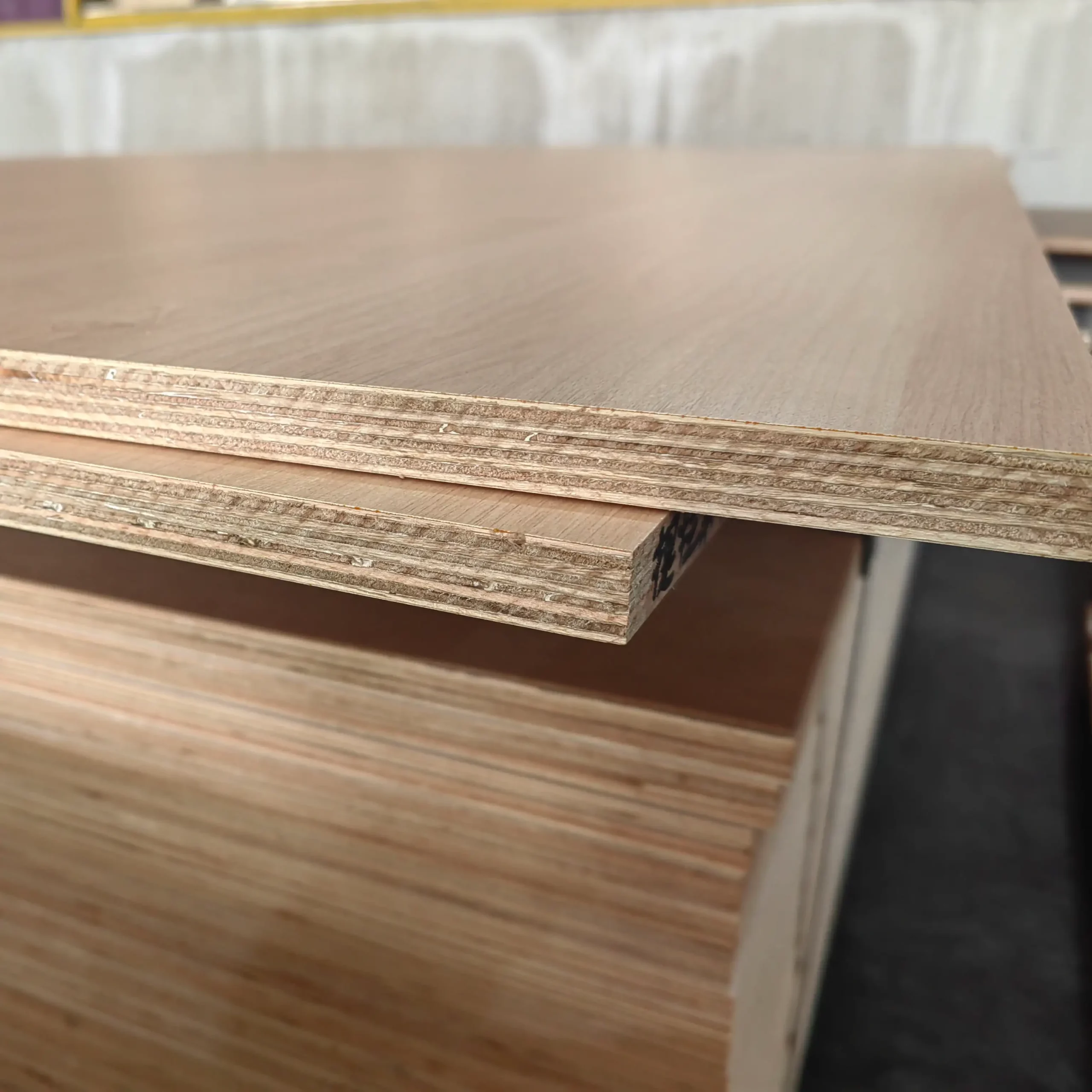
QIANGYI supplies tailored layer numbers—from five-ply decorative sheets to eleven-ply structural-grade boards—and diverse core materials like eucalyptus or fir based on project demands. The company’s multifunctional marine-grade boards merge waterproofing (Class II), fire retardancy (B1 rating), termite resistance (9.5 level), anti-deformation ability (<2.4% expansion rate), and antibacterial guard (>99%). These properties render QIANGYI’s 3/4 inch 4×8 multifunctional plywood a trustworthy pick for demanding construction frames as well as high-end interior design tasks seeking sustainability.
A: It’s not recommended because thinner sheets tend to flex under load; instead, choose 3/4 inch marine or melamine plywood from QIANGYI PLYWOOD, which provides superior rigidity for subfloors.
A: Lingmei Glutinous Rice Glue comes from pure plant/mineral extracts, ensuring safety and stability without aldehyde chemical reactions, thus eliminating formaldehyde at its source.
A: Yes. It features Class II waterproofing with less than 2.4% expansion after 24-hour immersion, making it ideal for southern regions or kitchen installations.
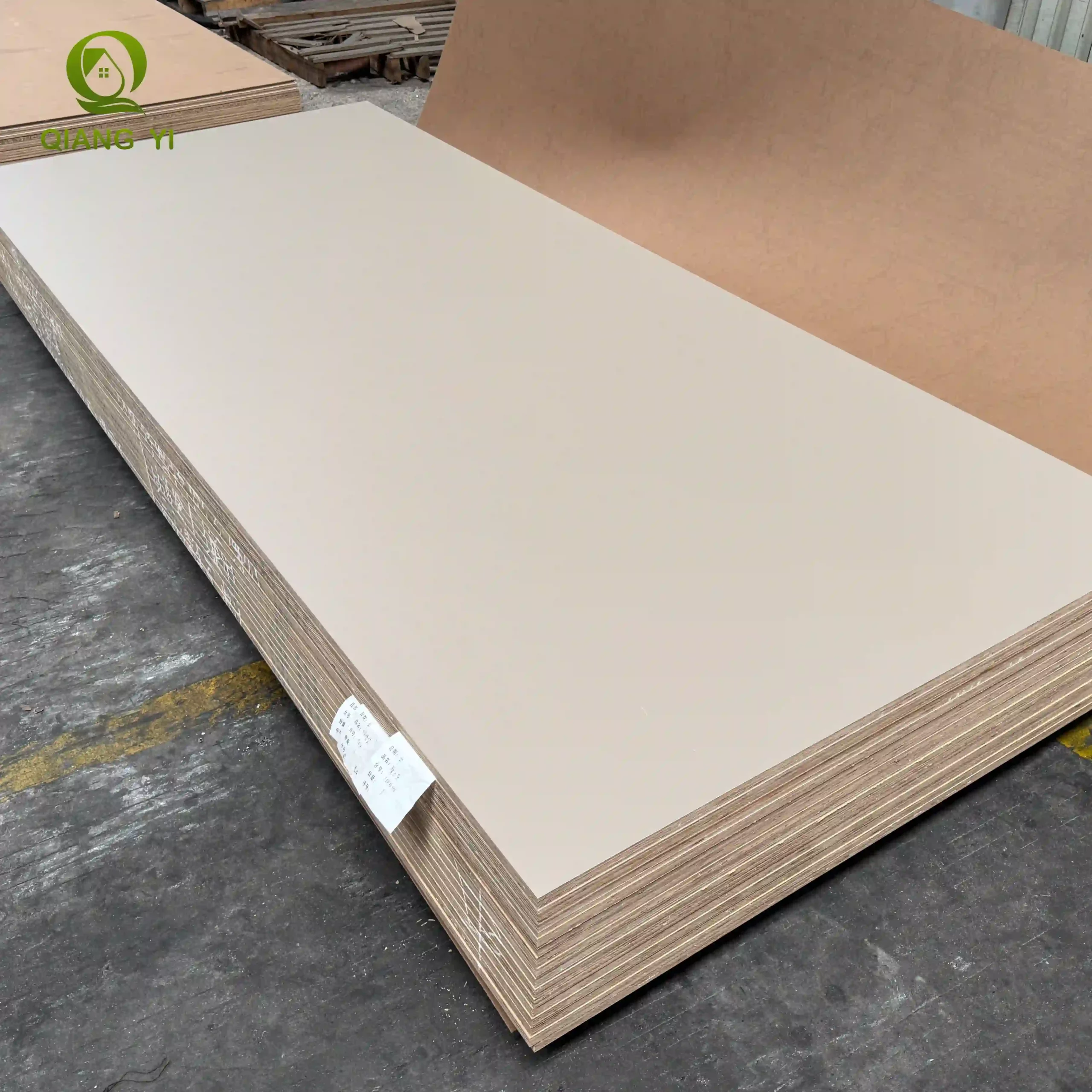
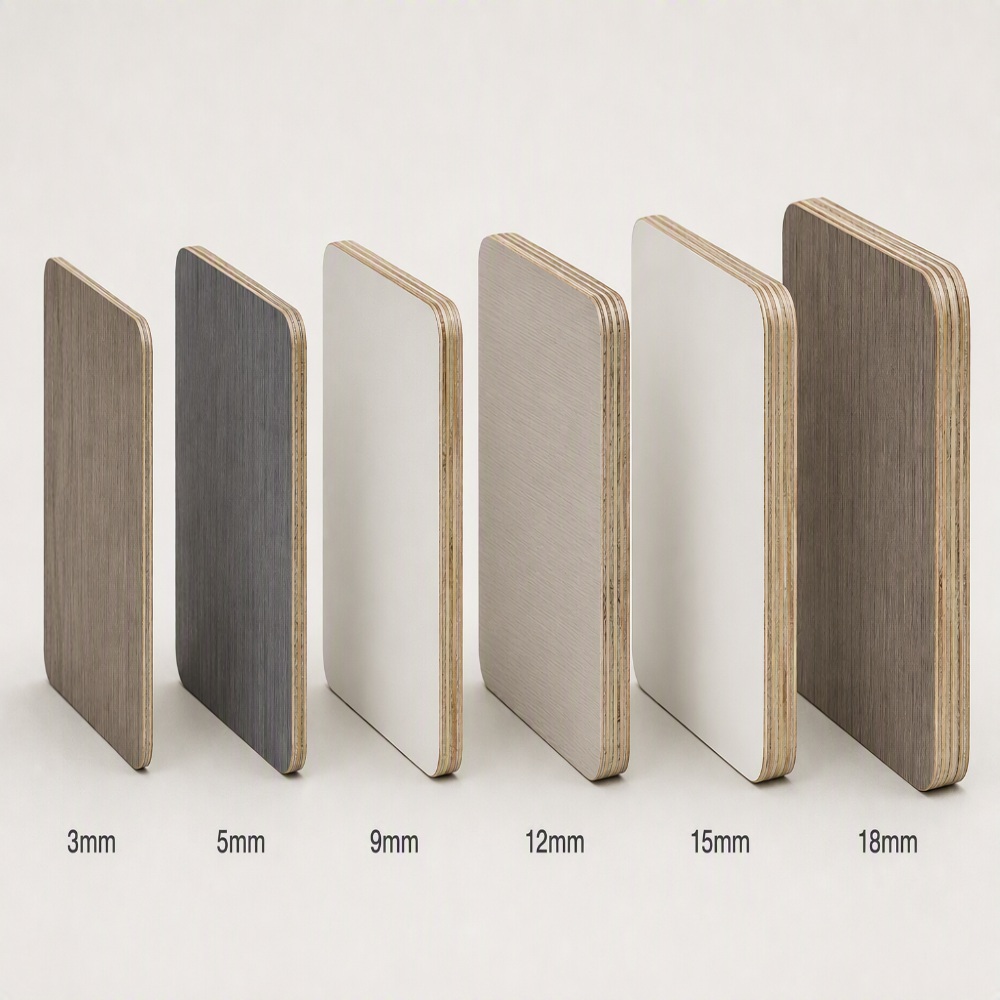
A: Yes, QIANGYI PLYWOOD provides fully customized options, including thicknesses up to 25mm with different veneer faces such as PET gloss or matte melamine finishes.
A: Every batch undergoes strict inspection through an internal laboratory co-built with Guangxi Product Quality Inspection Institute, ensuring each panel meets ENF environmental standards before shipment.
QIANGYI PLYWOOD is the first company in the world that merges traditional craftsman skills with the most innovative and sustainable approach of modern eco-engineering. Our mission is to provide long-lasting customized solutions by utilizing glutinous rice glue multifunctional boards to make the sustainable heavy-duty application possible all over the world.
Please fill out the form below and we will get back to you as soon as possible.




Leave a Comments