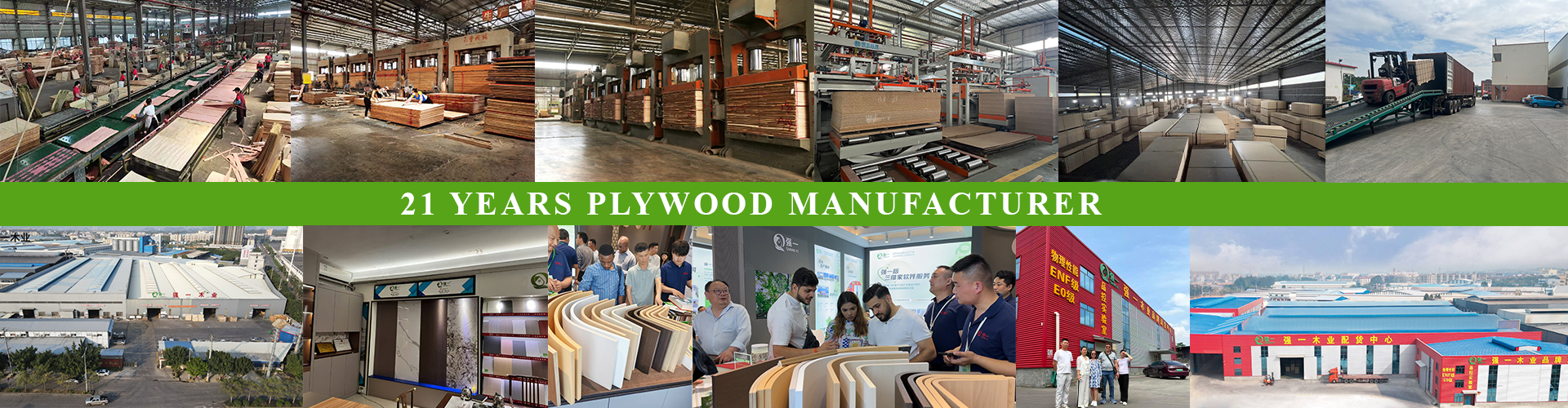
Yes ,We are manufacturer which locate in Guigang, Guangxi, also in Dongguang, Guangdong. Factory is started in the year of 2004 with more than 20 years experience for plywood production.

 Qiangyi
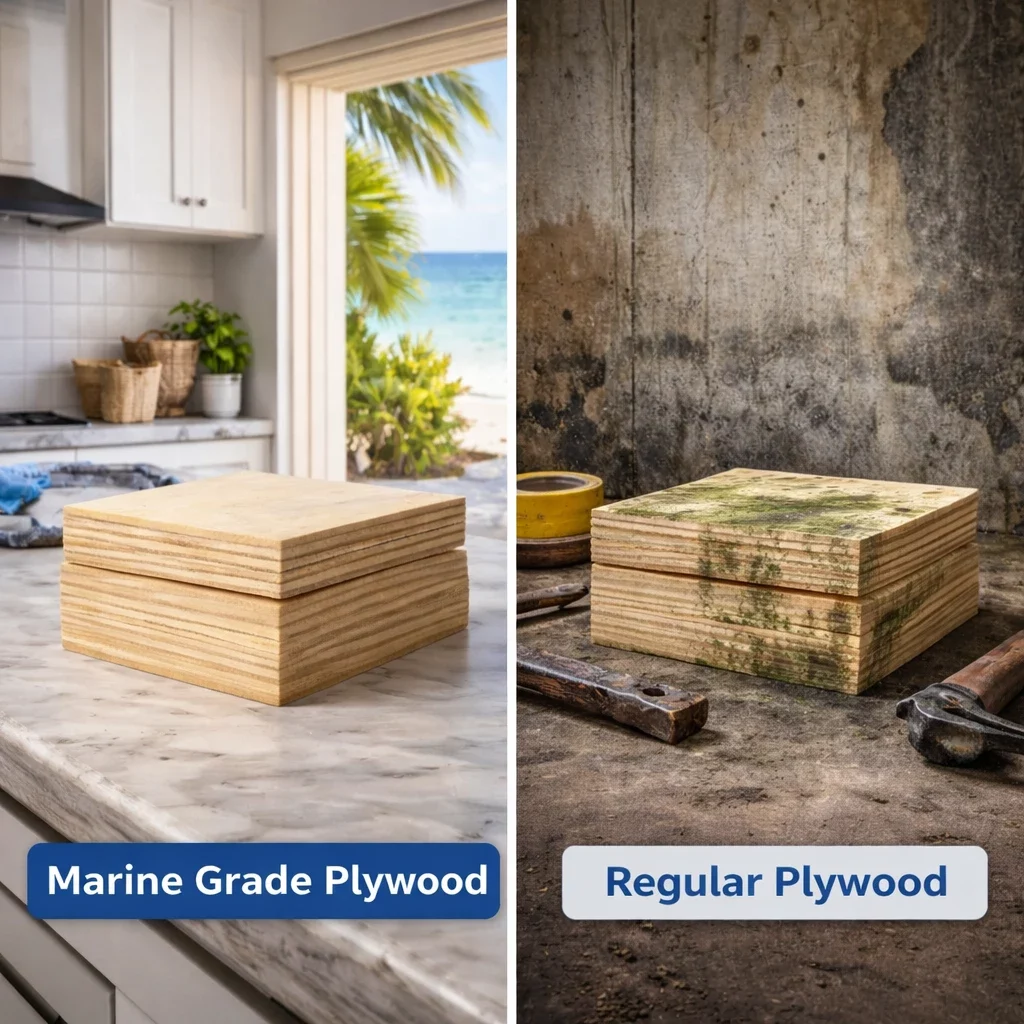
 In kitchens, bathrooms, and coastal projects, humidity has a big role in determining the stability of wooden panels. Regular plywood often swells, splits, warps, or even grows mold after long exposure to moisture. Problems caused by moisture attract termites. These problems also reduce the lifespan of furniture. Problems caused by moisture lead to higher maintenance costs over time. Marine Grade Plywood offers better resistance to water and strength. Marine Grade Plywood carries a higher cost. The main question stands: Is it truly worth paying more for marine-grade plywood? This article reviews structure, waterproof ability, durability, and long-term expenses. The purpose is to help homeowners and builders make a wise decision. QIANGYI PLYWOOD’s glutinous rice glue multifunctional plywood will serve as an example of cutting-edge marine-grade development that blends strength, eco-friendliness, and customizability.
The higher cost of marine plywood primarily stems from its enhanced structural design and adhesive system.
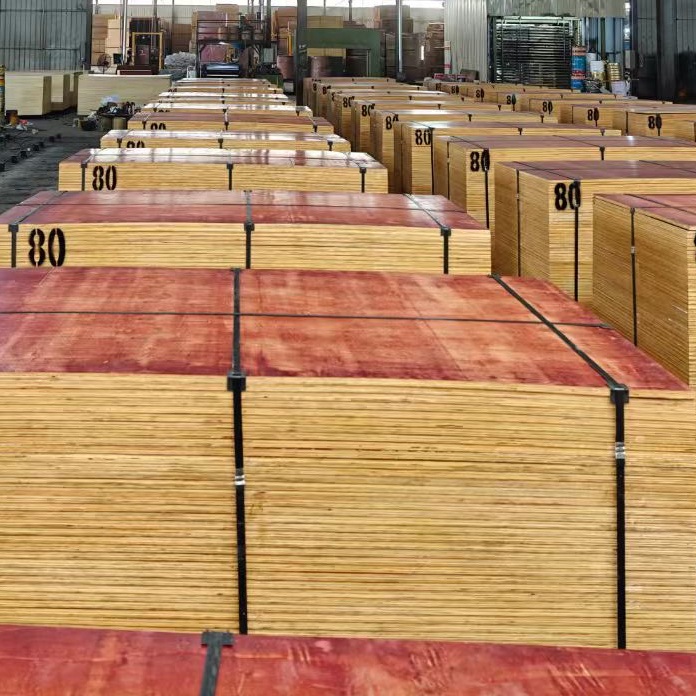
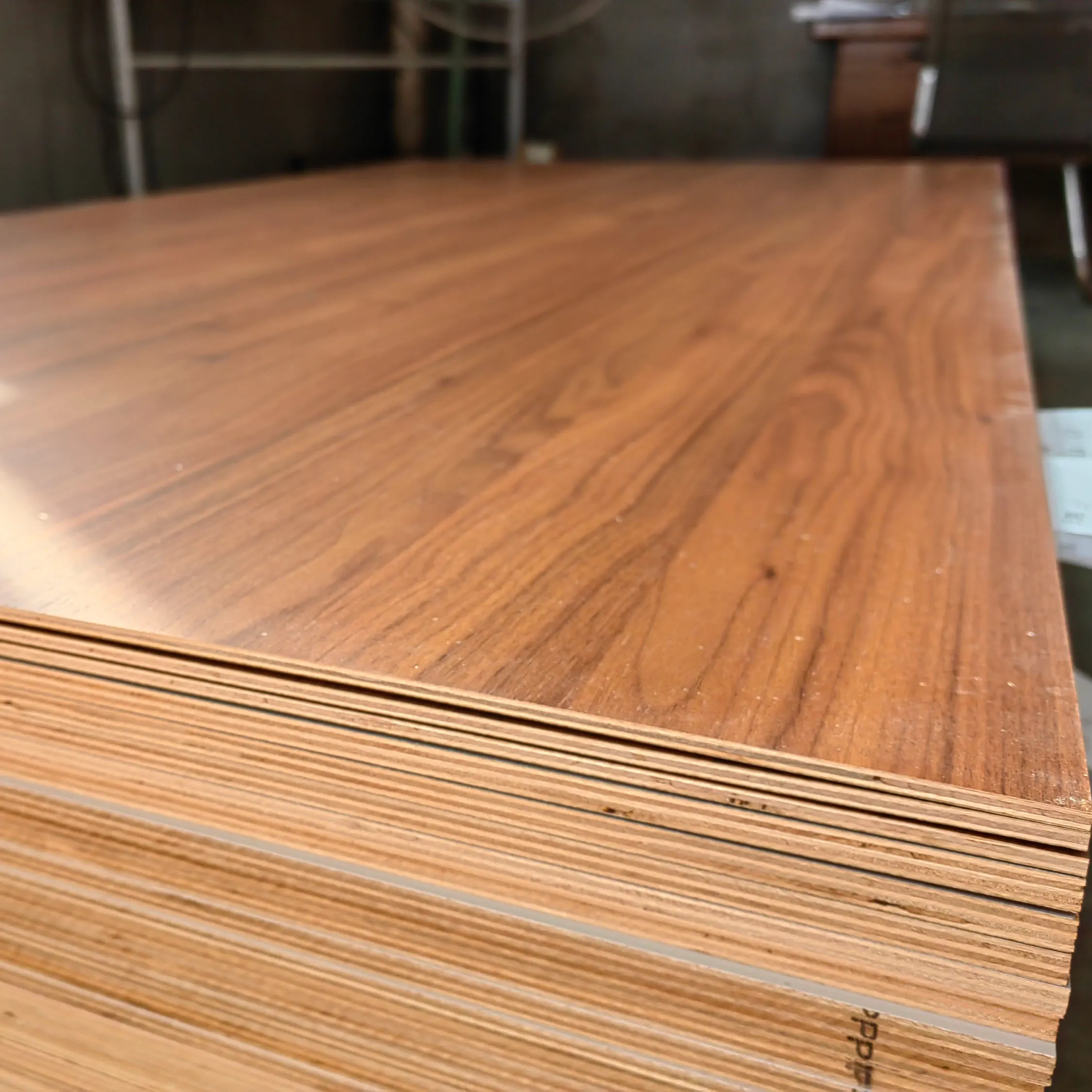
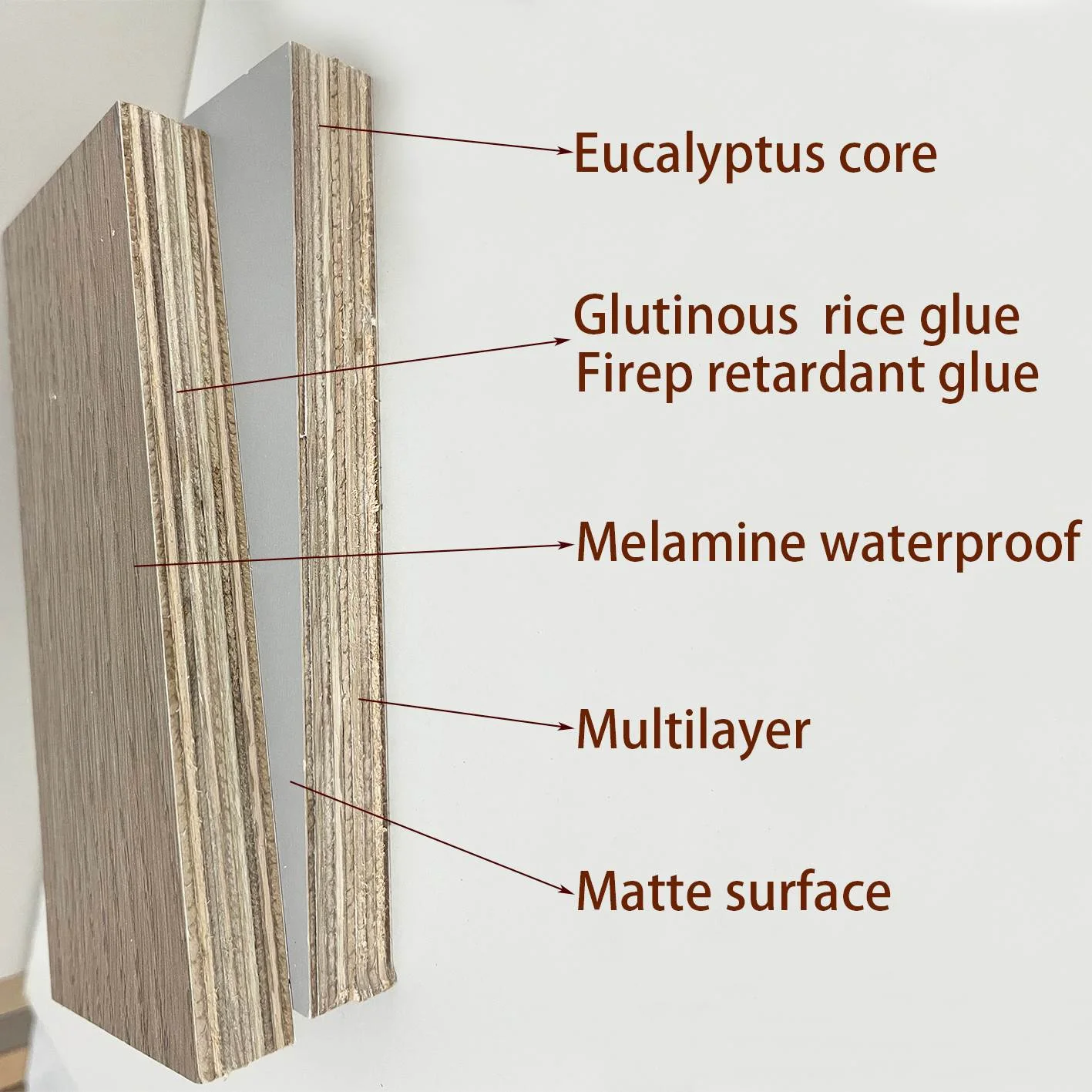
Marine-grade boards provide a complete core design free of gaps. These boards use AA-grade eucalyptus cores that offer strong density. Strong density boosts load-bearing capacity and enhances nail-holding power. Workers select each thicker veneer layer with care and join layers without gaps. QIANGYI All-Weather glutinous rice glue plywood uses Lingmei glutinous rice glue as the adhesive. The substrate consists fully of primary core boards with a continuous core. This setup provides solid stability in comparison to ordinary plywood made with poplar or pine cores.
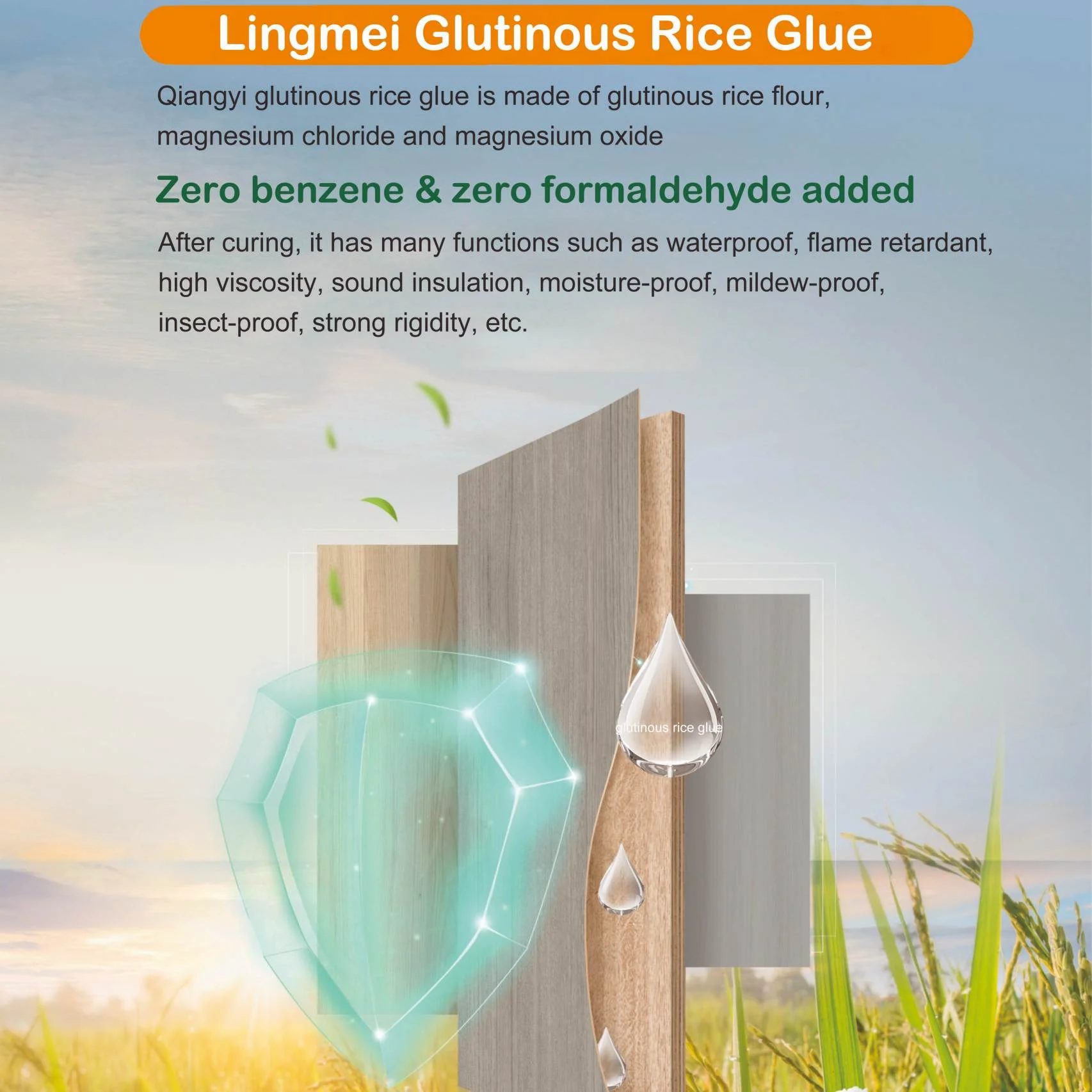
Marine-grade panels use waterproof adhesives such as QIANGYI’s Lingmei glutinous rice glue, which cures into a ceramic-like state, achieving Class II waterproof certification after 48 hours of testing.
The result is 0 VOC release and HENF environmental grade (≤0.020mg/m³). In contrast, common plywood usually uses urea-formaldehyde resin adhesives. These adhesives release toxic VOCs for as long as several hundred years. Urea-formaldehyde resin adhesives harm health during prolonged periods.
At first glance, marine-grade plywood appears substantially pricier than regular plywood. The price gap often varies from 30% to 60% higher, depending on core material, adhesive system, and certification standards. Focusing solely on the upfront price frequently ignores the extended financial effects of material breakdown in damp settings.
Standard plywood works well in dry interior areas. Standard plywood often begins to degrade after a few years inside kitchens, bathrooms, or seaside houses. Swelling, delamination, mold growth, and termite damage often require some cabinet replacement or complete renovation.
Designers create marine-grade plywood to avoid these problems right away. The void-free core structure and waterproof bonding system preserve size stability despite ongoing dampness or shifts in temperature.
| Material Type | Average Lifespan in Humid Areas | Maintenance Risk | Long-Term Cost |
| Regular Plywood | 3–5 years | High | Frequent repair or replacement |
| Marine Grade Plywood | 10–20 years | Low | Minimal maintenance |
For major projects like kitchen cabinetry, built-in wardrobes, or medical facility furniture, expenses for fixing broken panels usually surpass the upfront gains from less expensive materials by a wide margin.
In other words, people should not regard marine plywood just as a more expensive material. Instead, regard marine plywood as a long-term durability investment. This investment lowers repair risks. The investment also safeguards the worth of interior installations.
| Feature | Regular Plywood | Marine Plywood |
| Waterproof Performance | 24-hour expansion rate usually >5%. Uses conventional adhesives and absorbs moisture easily, which may lead to swelling, warping, or delamination over time. | Designed for humid environments with ≤2.4% expansion rate. Dense core and waterproof adhesive system help prevent swelling, deformation, mold growth, and termite damage. |
| Environmental & Safety Performance | Commonly uses urea-formaldehyde adhesives, which may release formaldehyde for a long period. Emissions can increase in high temperatures or humidity. | Can reach ENF / HENF environmental standards, with extremely low formaldehyde emissions and improved indoor air quality. |
| Surface Smoothness | Often uses BB-grade cores, one-time sanding materials, and thinner decorative layers (0.2–0.3 mm), which may lead to uneven surfaces and more rework when humidity changes. | Requires higher-quality cores and thicker melamine layers (around 0.5 mm), resulting in smoother surfaces and a lower risk of cracking or peeling during processing, and a significantly lower after-sales rate. |
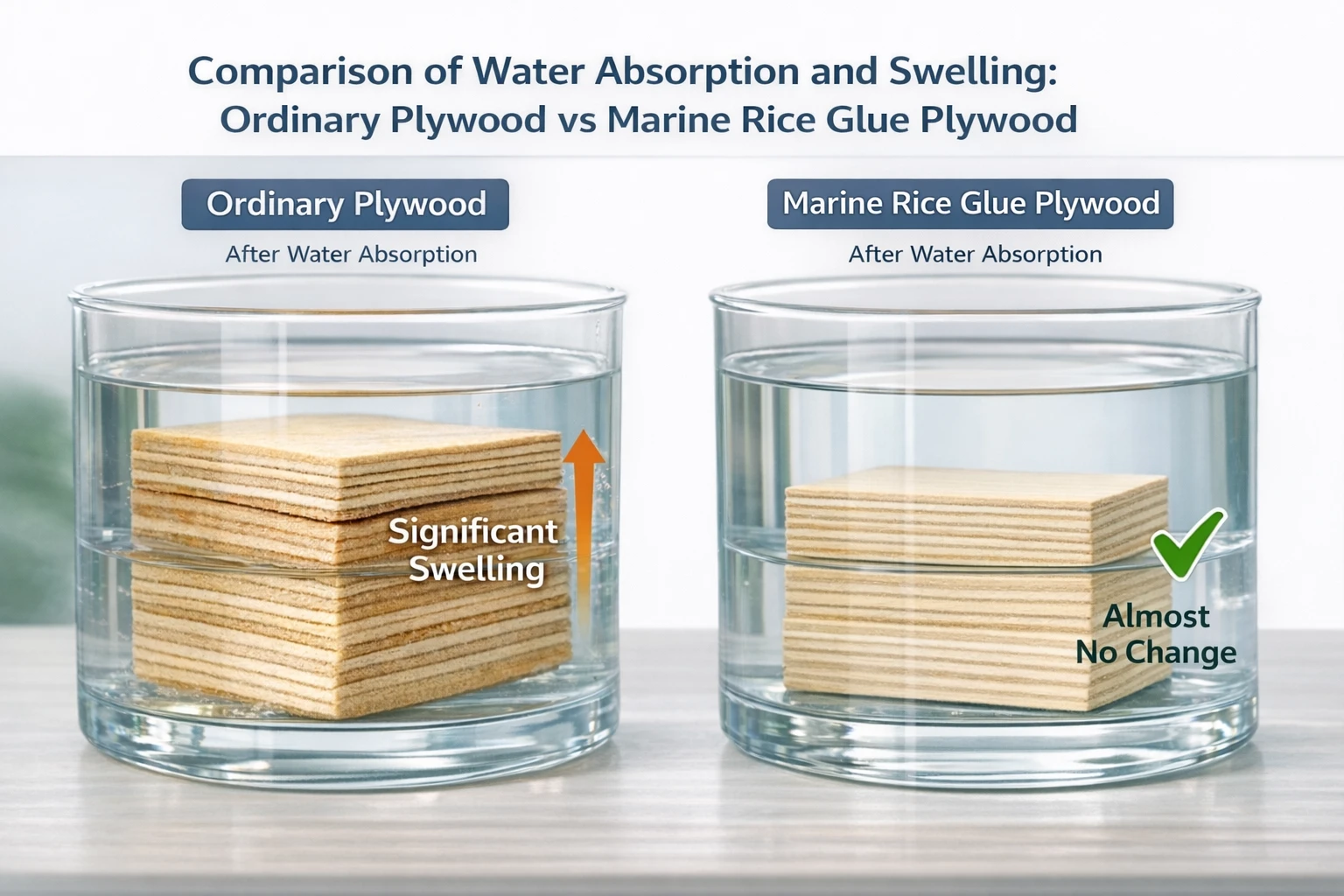
QIANGYI multifunctional marine-grade plywood uses Lingmei glutinous rice adhesive technology, which enhances water resistance and overall structural durability in humid environments. The product meets ENF / HENF environmental standards, achieving zero formaldehyde release even at 30 °C ambient temperature. By using formaldehyde-free Lingmei glutinous rice glue, the board reaches super ENF environmental protection with zero benzene.
In addition to its environmentally friendly bonding system, QIANGYI All-Weather glutinous rice glue plywood also offers strong protective performance, including Grade 0 mildew resistance, antibacterial performance exceeding 99%, B1-level flame retardancy, and Level 9.5 termite resistance. These features make the material particularly suitable for humid kitchens, coastal residences, and other environments where long-term stability and durability are essential.
While the cost per square foot of marine plywood might seem more expensive at first compared to standard choices, marine plywood reduces expenses over time. Marine plywood achieves this reduction by lowering upkeep demands and substitution requirements. Standard boards often twist or separate after just several years in damp settings, which results in expensive fixes or new purchases.
Using QIANGYI PLYWOOD’s multifunctional glutinous rice glue marine board minimizes these risks thanks to its durable crystalline bonding structure formed during curing. Multifunctional glutinous rice glue marine board goes through an extended curing period of more than 15 days for greater stability. An extended curing period ensures longevity even under floor heating systems or near stoves.
Marine plywood has a higher unit price, while regular plywood has a lower initial cost. But in the long run, Marine plywood:
Step 1: Evaluate the humidity level
Step 2: Estimate project lifespan
Step 3: Compare repair costs
Step 4: Check environmental requirements
Step 5: Choose a material grade
Ask yourself:
If most answers are yes, then investing in marine-grade materials is sensible.
QIANGYI Glutinous Rice Glue Functional Laminate Plywood maintains stable performance even at elevated temperatures. Even at 35°C and 70% relative humidity, its formaldehyde emission remains unchanged. Stable performance suits QIANGYI Glutinous Rice Glue Functional Laminate Plywood for warm climates or heated flooring systems without raising VOC levels.
Look for these parameters when comparing brands:
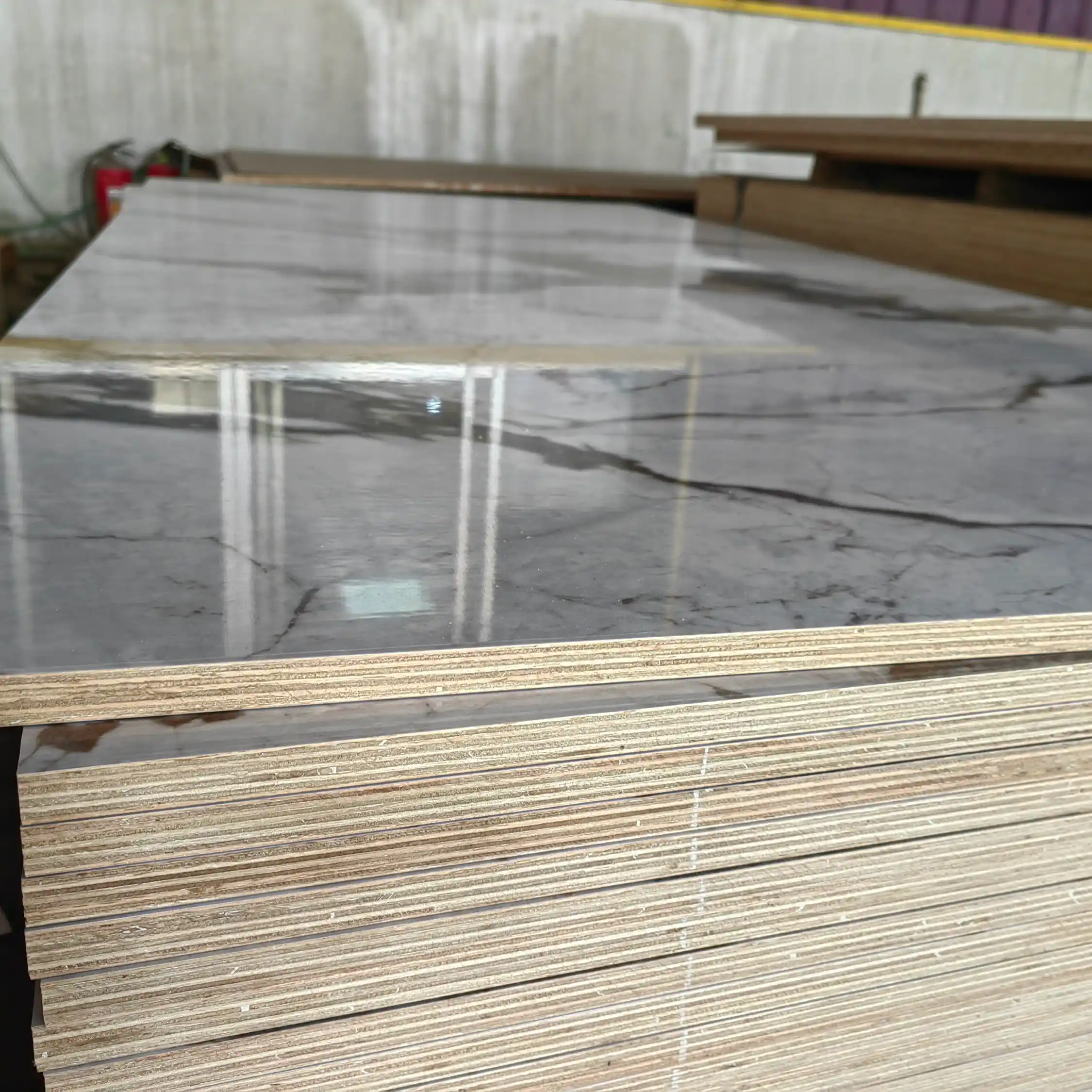
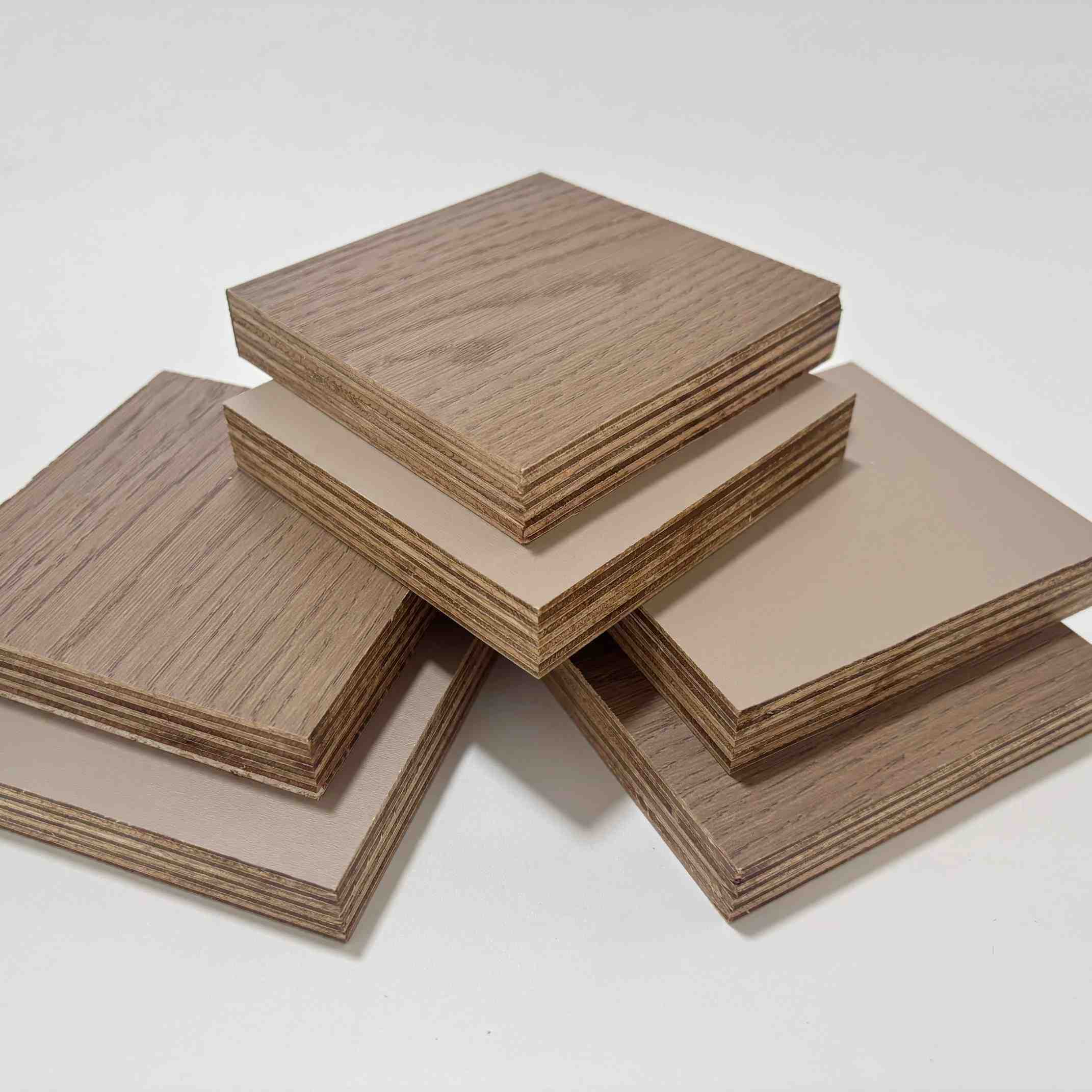
QIANGYI PLYWOOD offers OEM customized services across four production bases with fast delivery cycles and multiple specifications available nationwide. QIANGYI Wood Industry was founded in Dongguan in 2004 with four ecological board production bases producing over six million panels annually. Customers can request customized thicknesses (5–25mm) or surface finishes like matte, glossy, PET-faced wood grain—all certified under CARB-P2/EPA/ISO/FSC standards.
With the rise of green building materials and high-end customization demand, Marine Grade Plywood continues to grow rapidly in global markets. QIANGYI will showcase upgraded glutinous rice glue marine-grade panels at the 57th China (Guangzhou) International Furniture Fair (CIFF) from March 28–31, 2026, at Poly World Trade Expo Center (Booth 15.4FG010). Industry professionals are welcome to visit for collaboration discussions on sustainable, customized solutions.
In damp kitchens, marine plywood aids in stopping swelling, mold, and extended structural damage. This approach makes cabinets sturdier.
Regular plywood may endure roughly 3–5 years in damp areas. Marine plywood stays solid for 10–20 years with proper installation.
Kitchens, bathrooms, or coastal homes benefit from marine plywood. The greater initial expense cuts down on repair and replacement costs in the long run.
Many marine-grade boards rely on low-emission or formaldehyde-free adhesives. These choices support better indoor air quality.
Buyers need to inspect solid core materials, water resistance, eco certifications, and a trusted maker.
Please fill out the form below and we will get back to you as soon as possible.





Leave a Comments